DAY SEVEN
THURSDAY, APRIL 11, 2024
EXPLORING RUSTIC PUGLIA
Today our itinerary consisted of visiting a few different towns in Puglia. We were staying in Ostuni, so the morning was a free morning to explore. Michele had offered an optional walking tour around the main town, which I’m sure would’ve been interesting, but I took the opportunity to sleep in a bit and then leisurely walk around and stop in some shops.
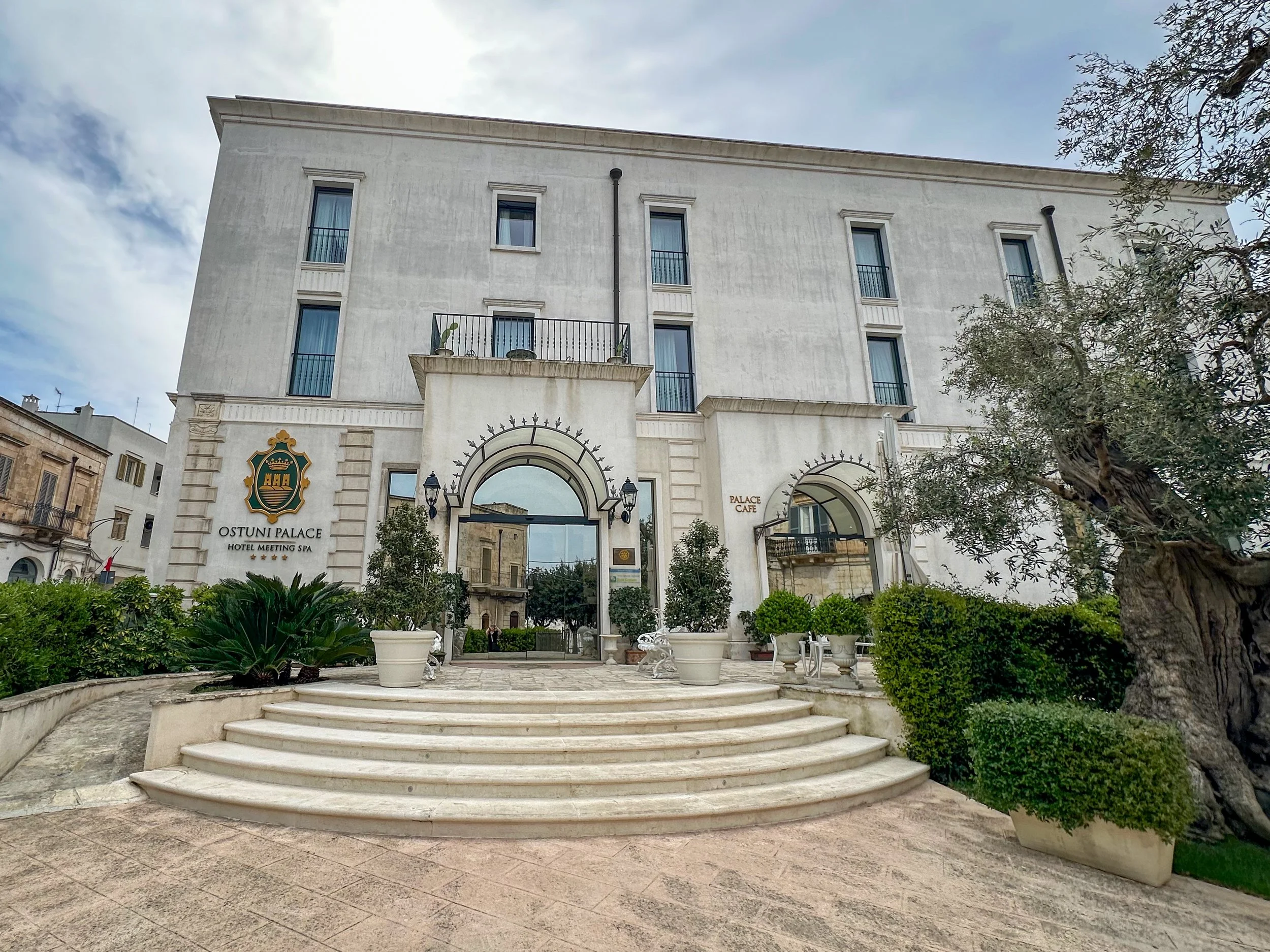
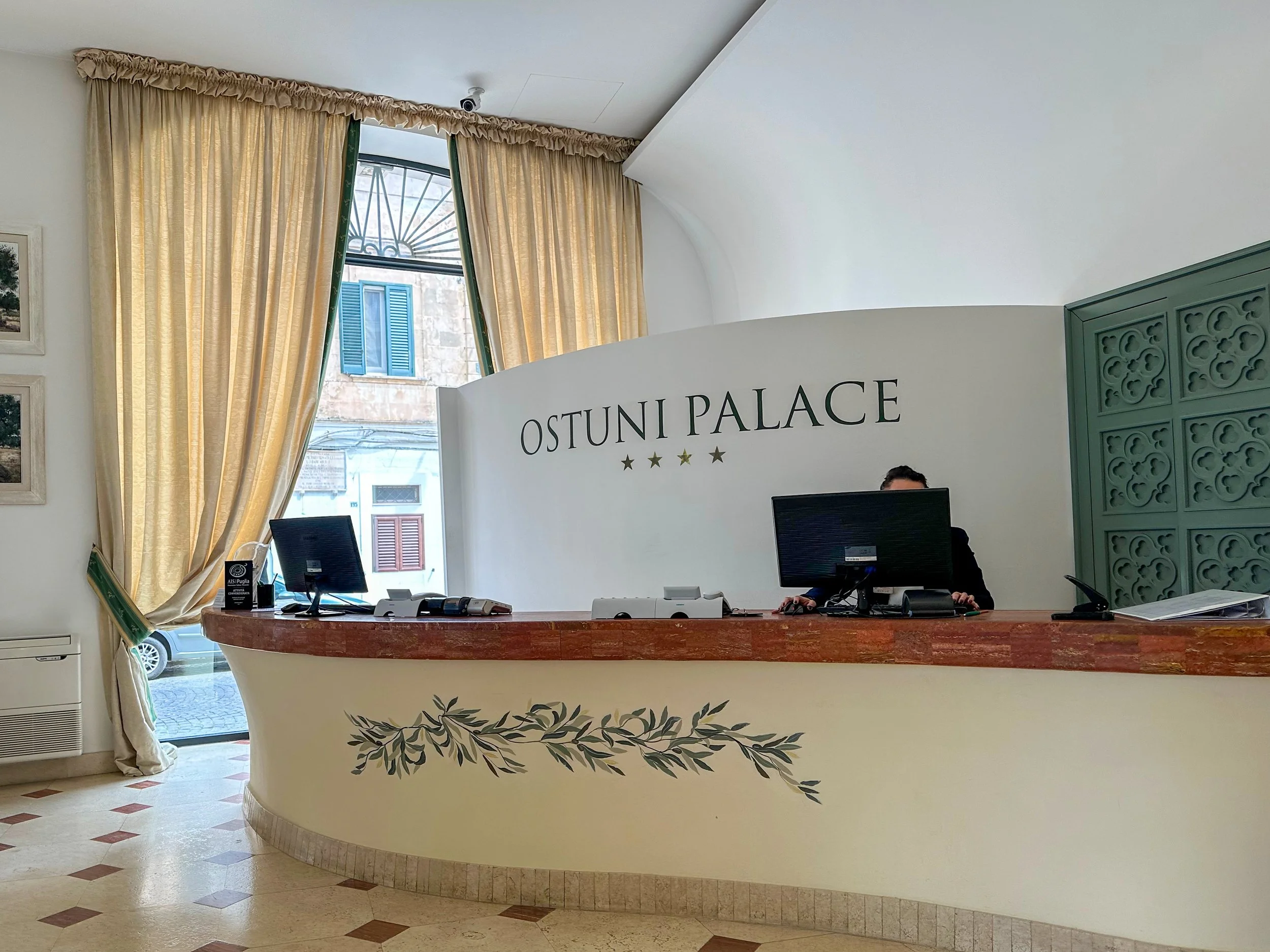
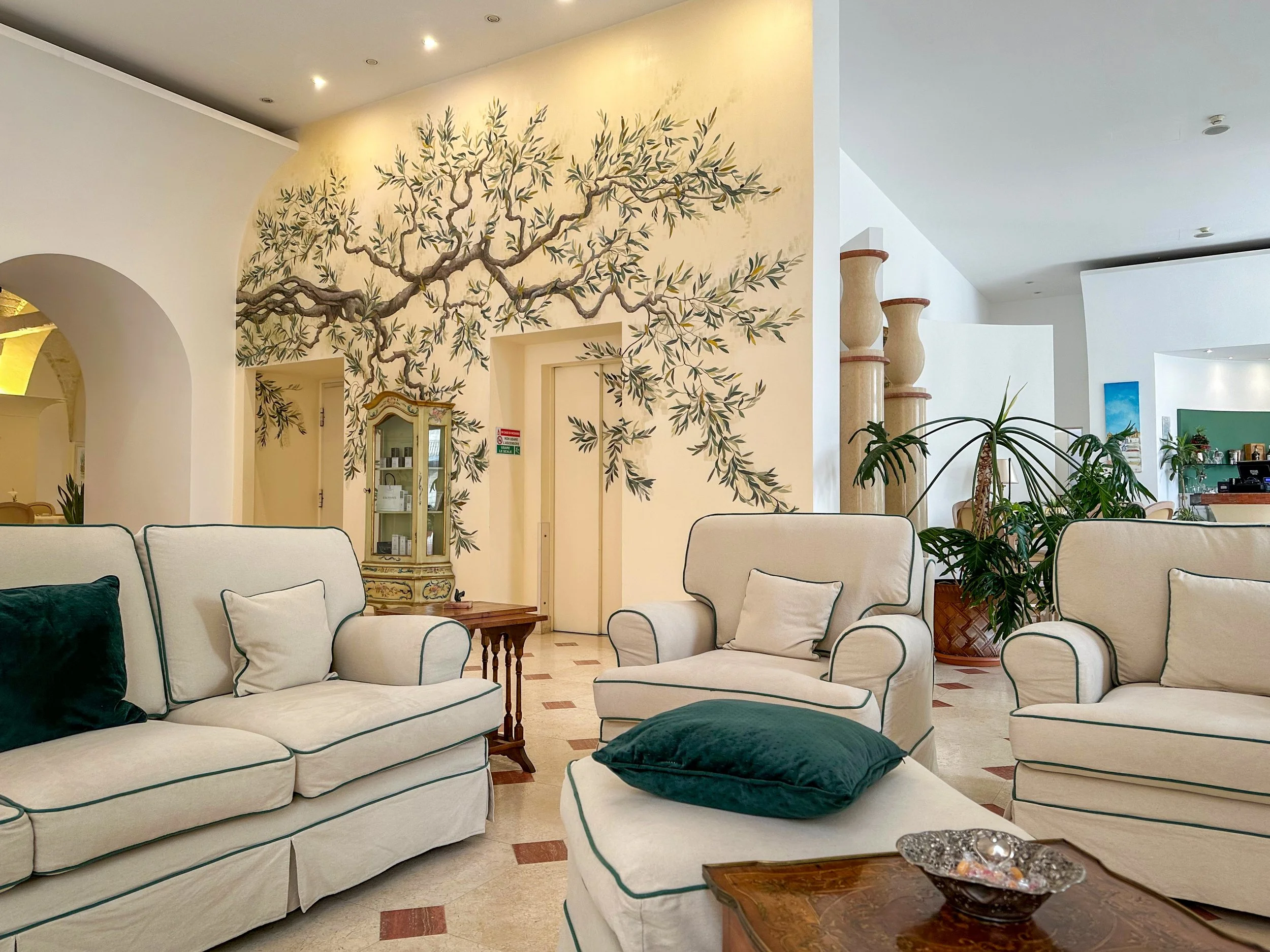
Took some daytime pictures of our pretty hotel first. I loved the olive tree mural across the elevators!
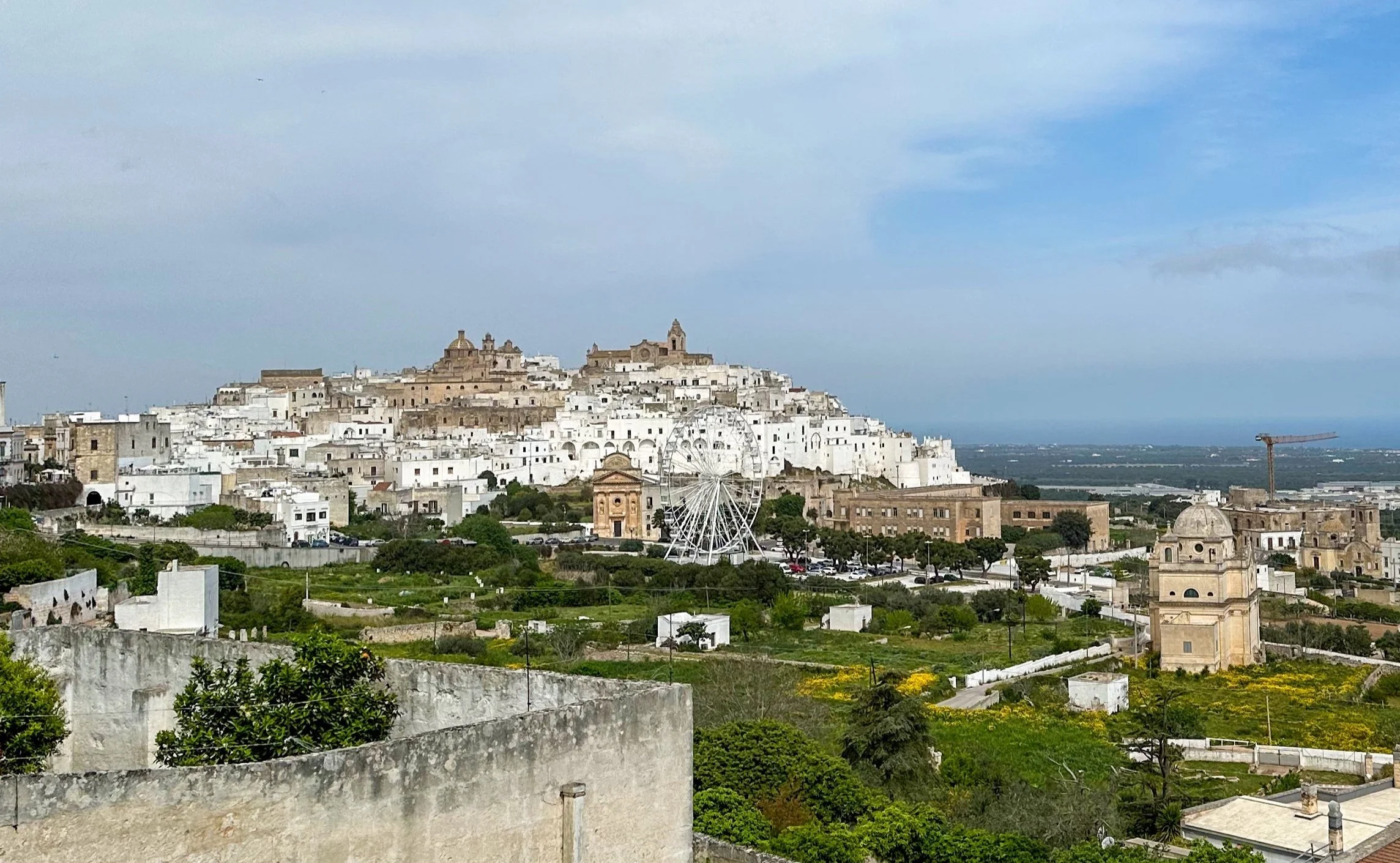
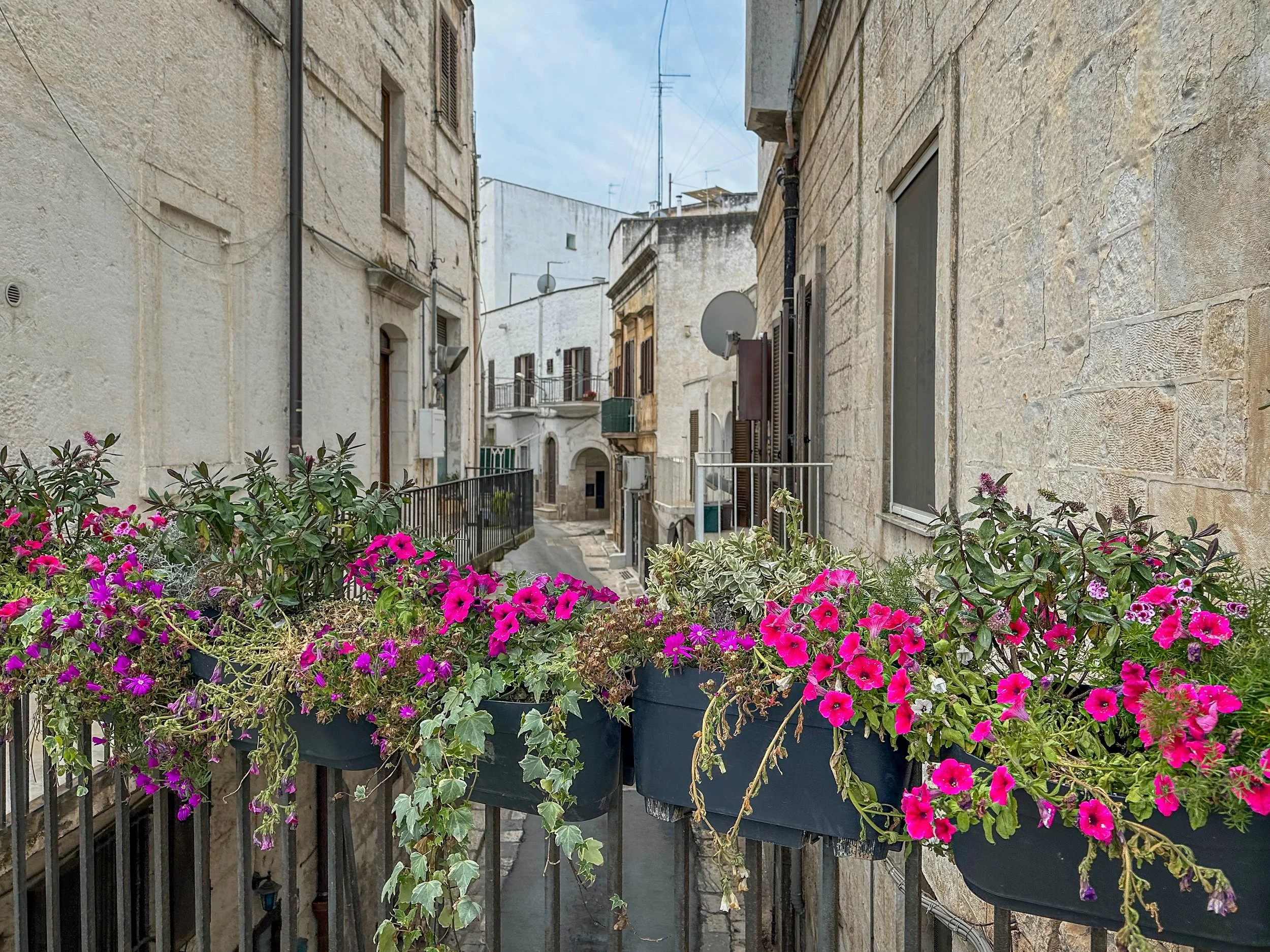
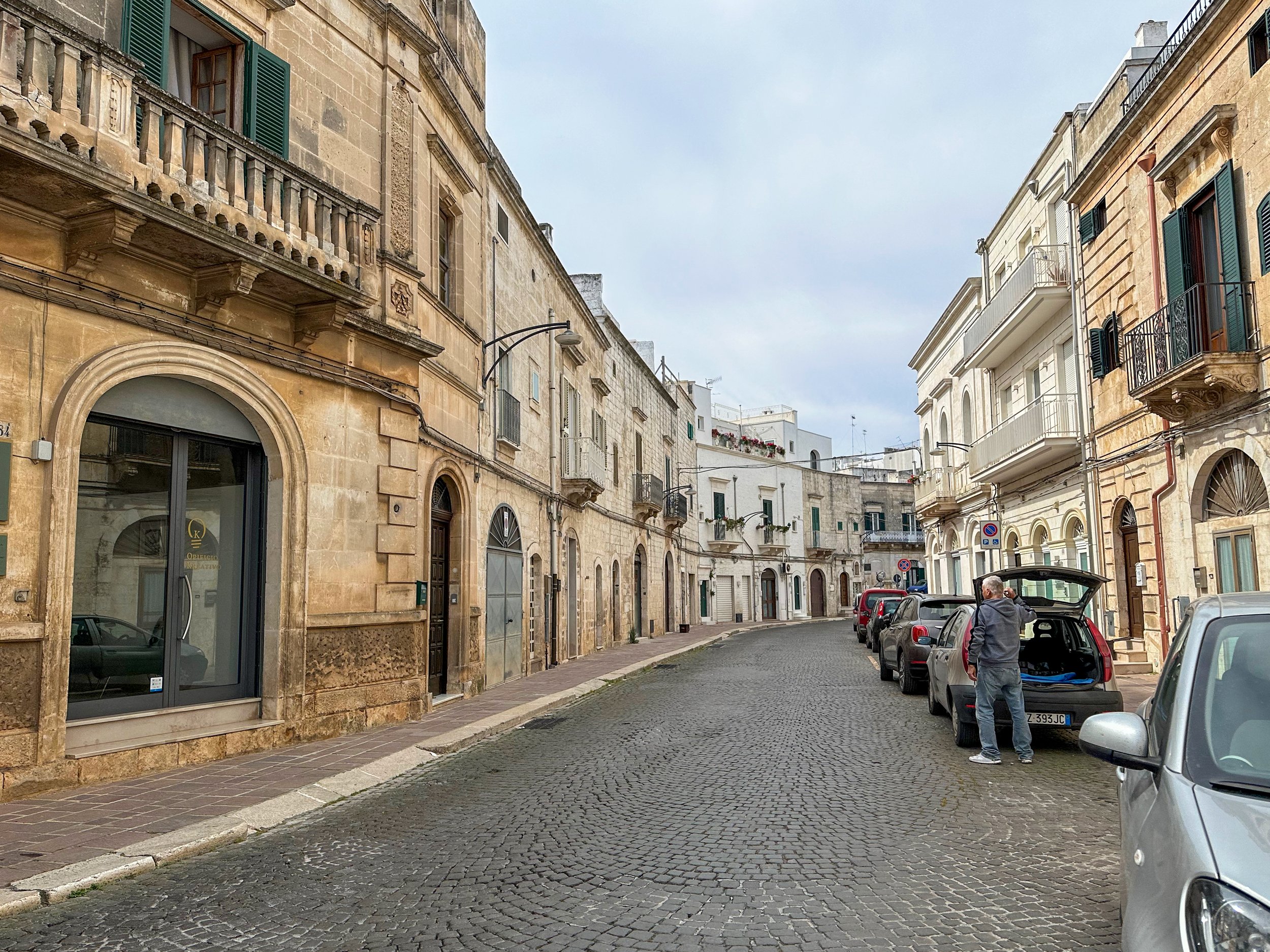
Walking down the streets of Ostuni it was so quaint and pretty – looked like I expected a little Italian town to look, along with a fantastic view.
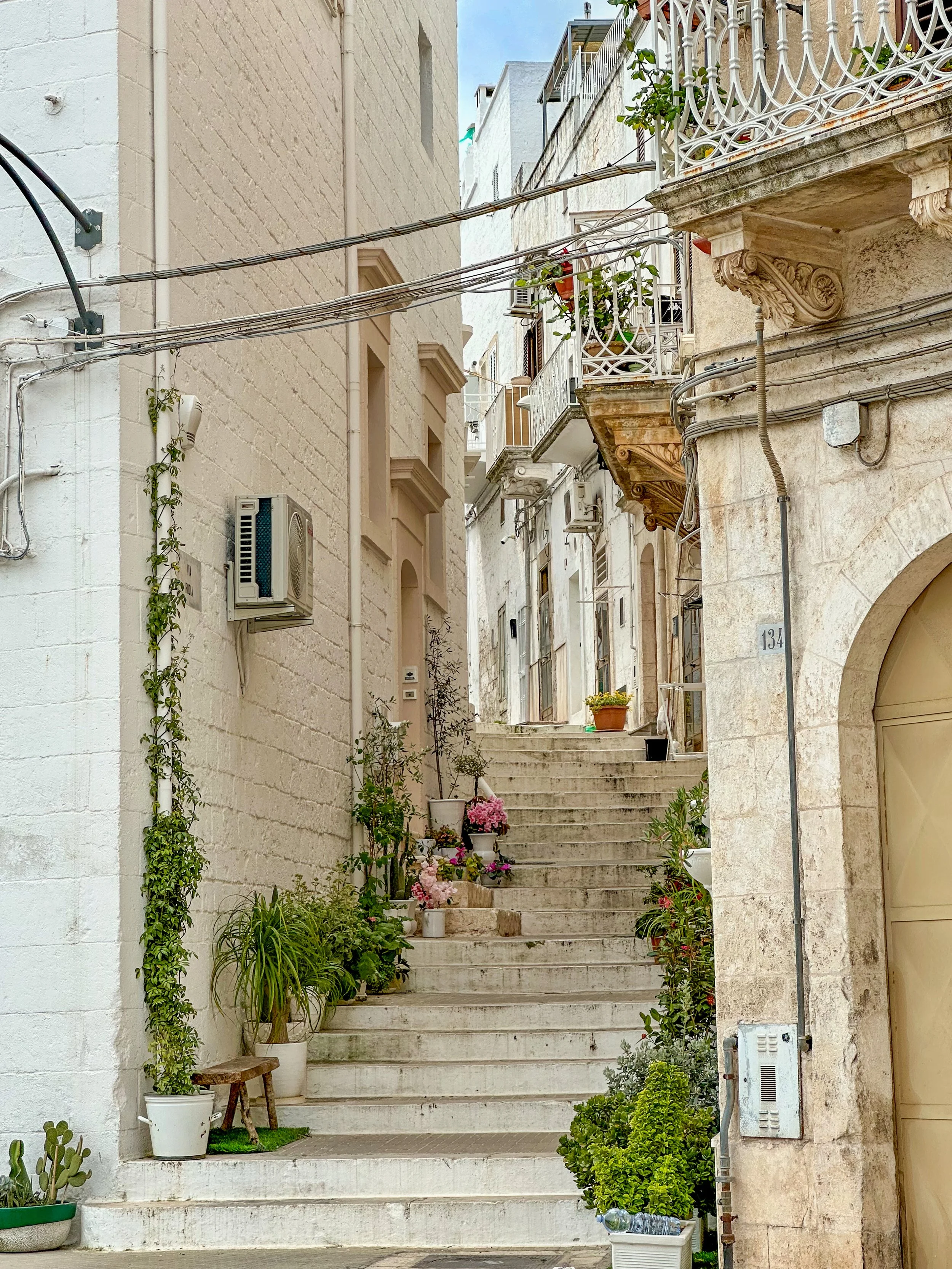
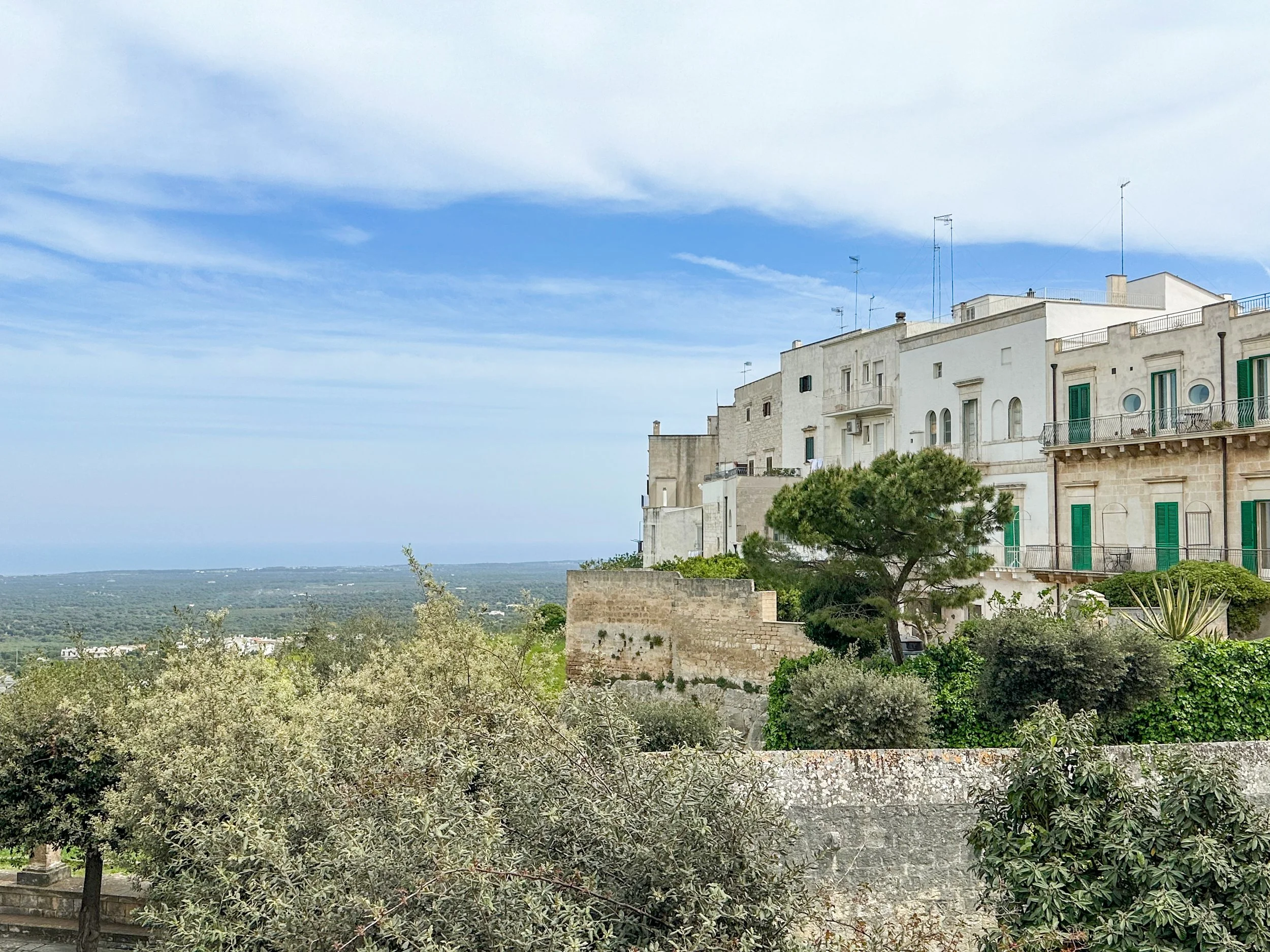
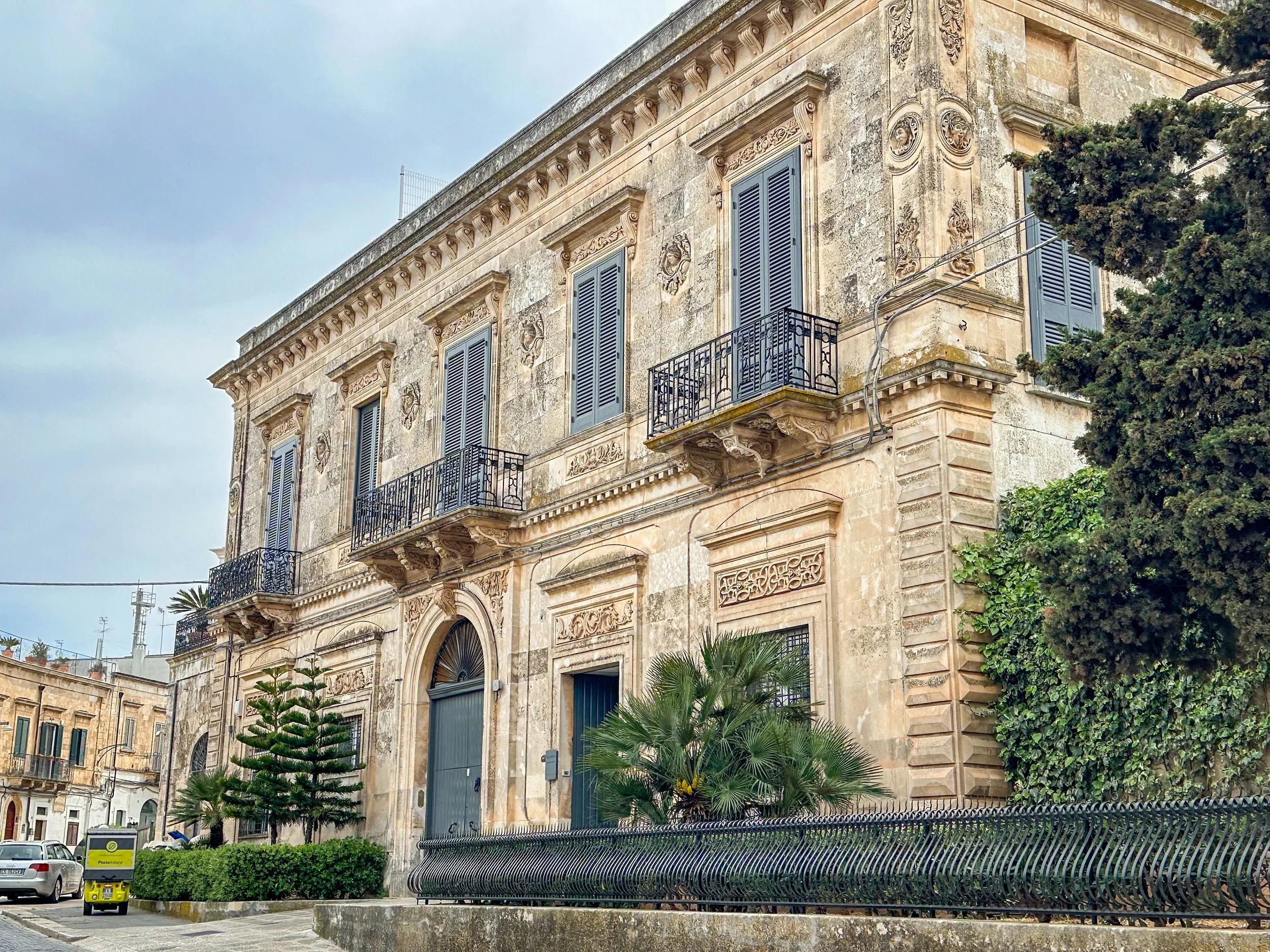
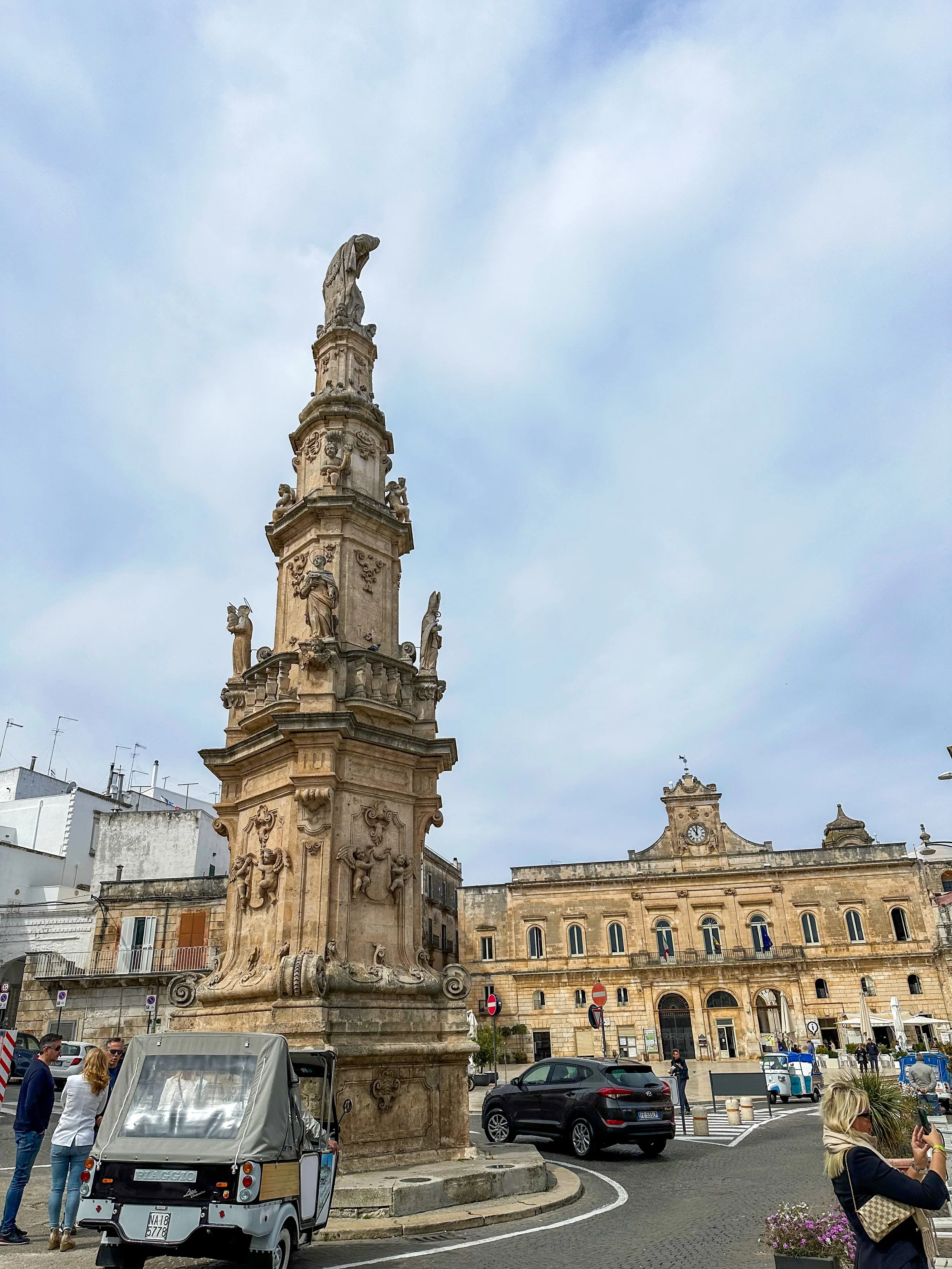
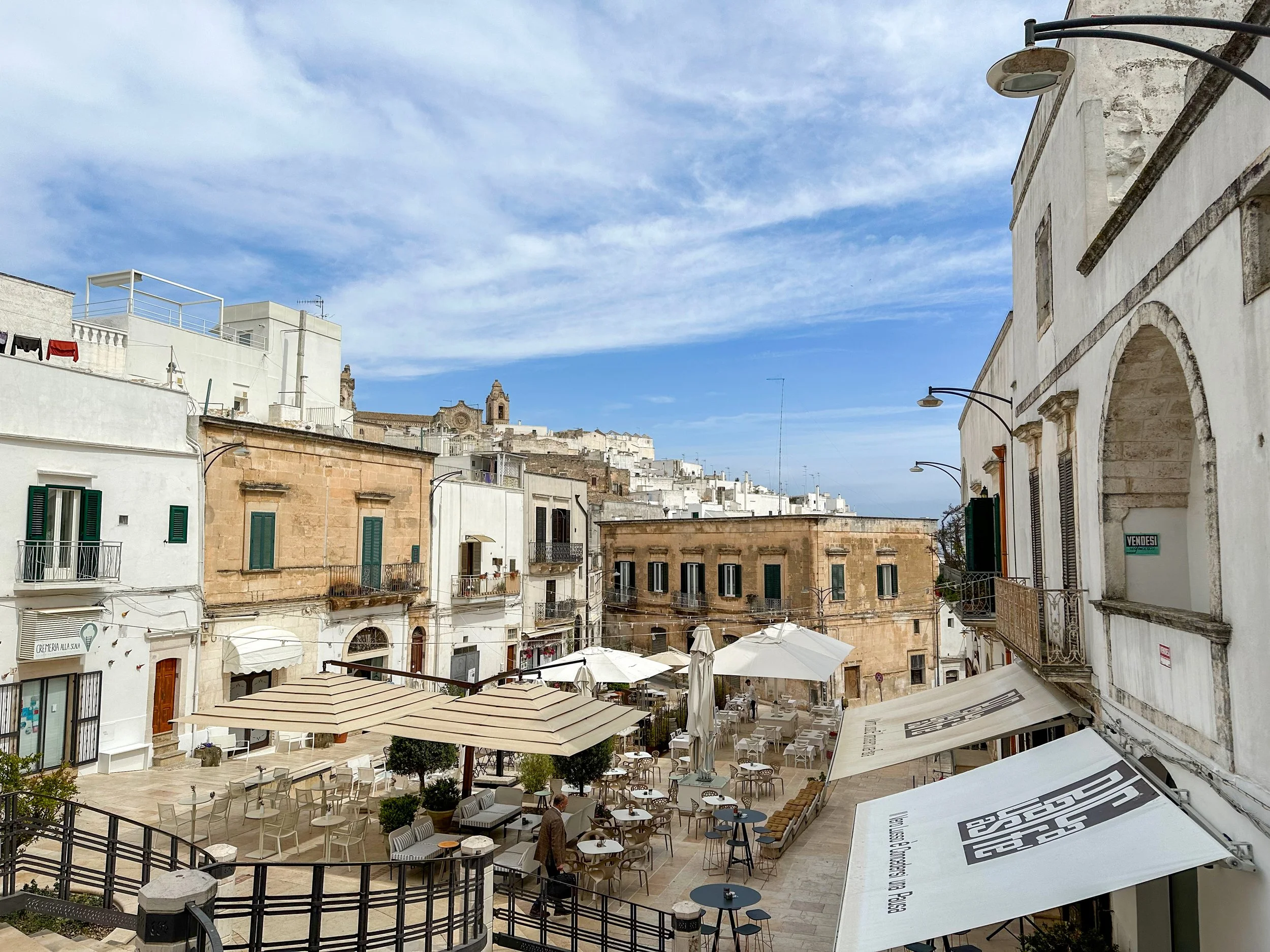
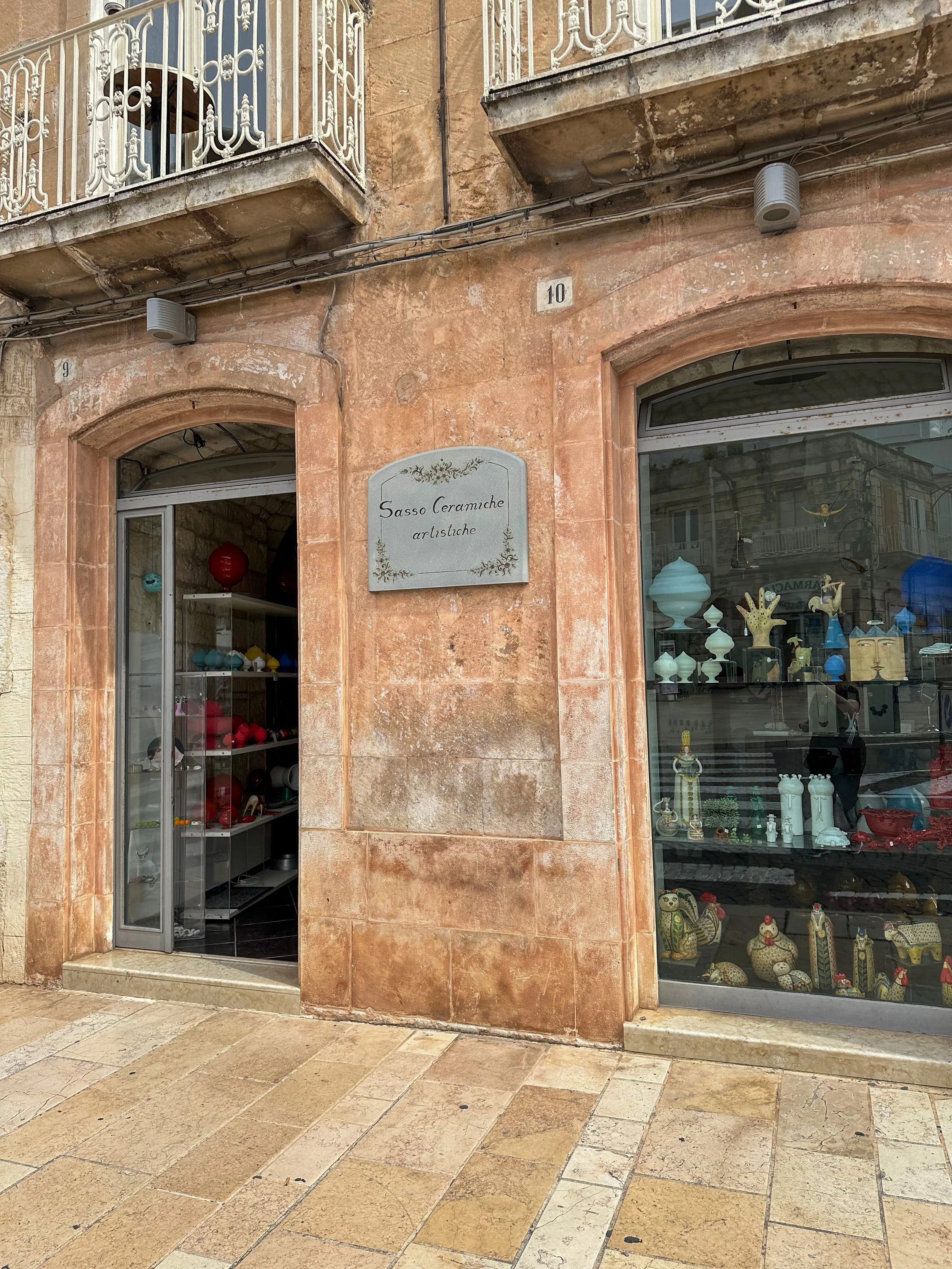
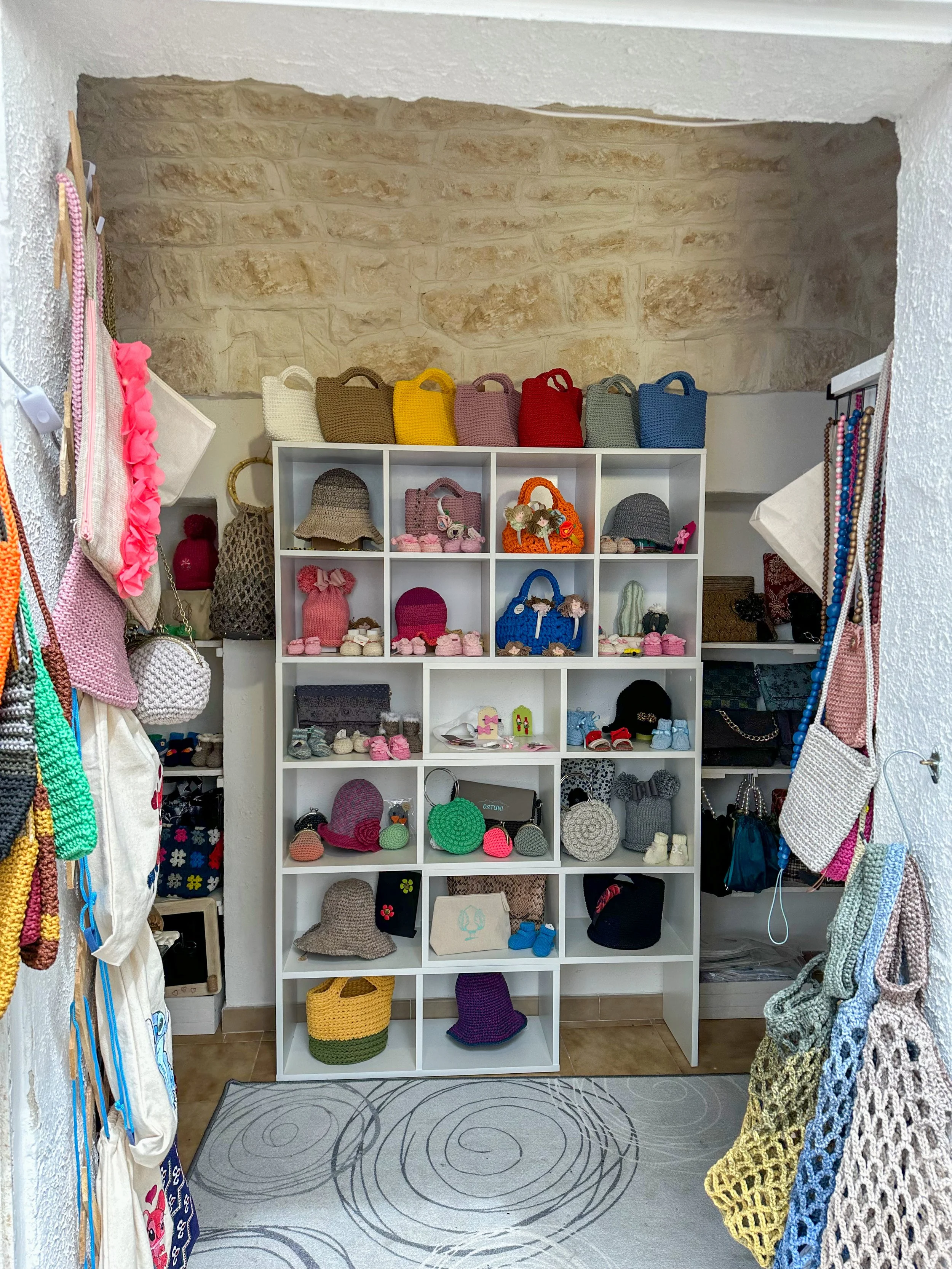
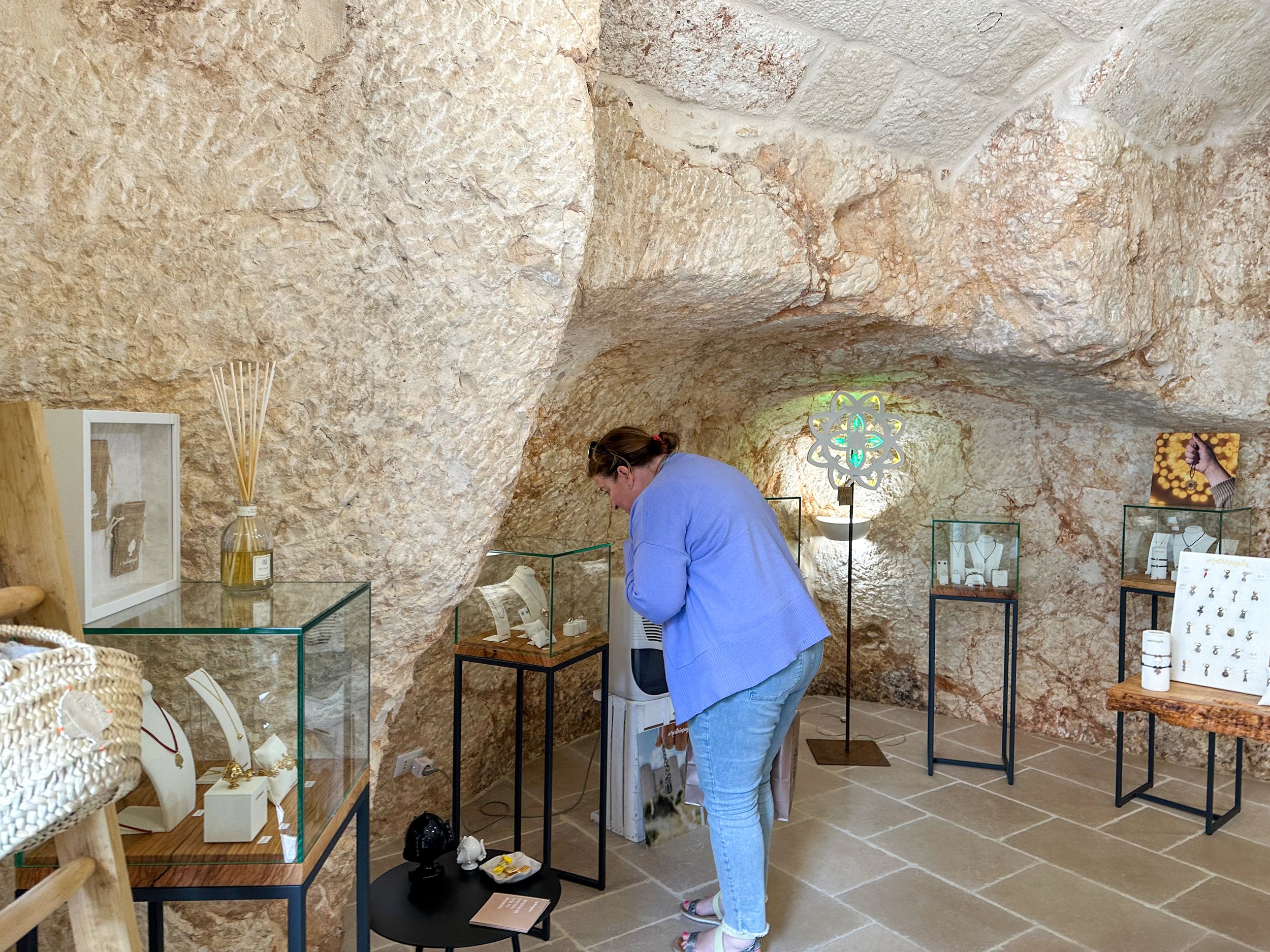
Arriving at the center square, I looked around a little bit and then found my way into the cutest little ceramics and jewelry store. Puglia is known for its ceramics in particular – I thought it would be a lot of boring plates and things, but there was some great art!
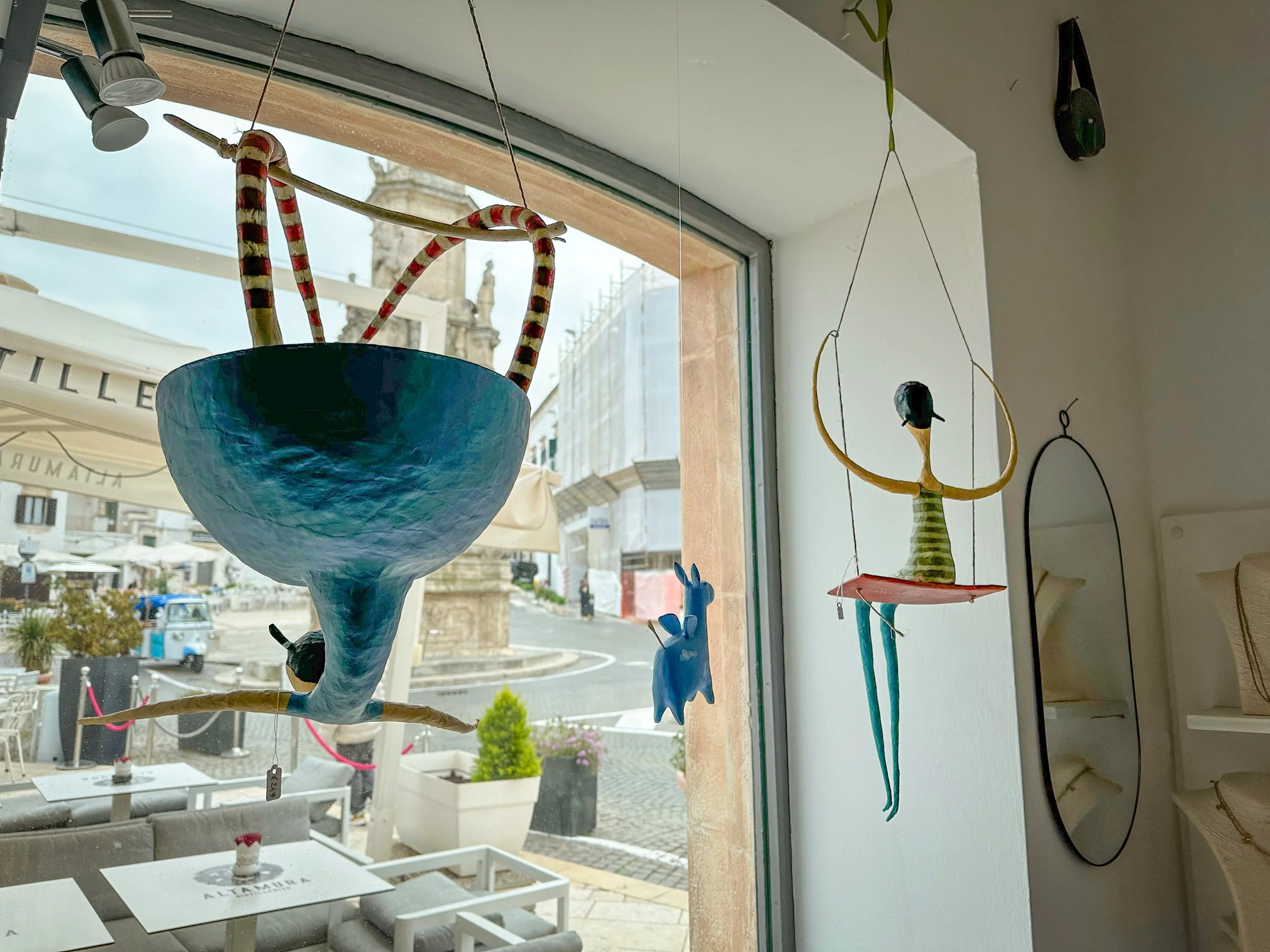
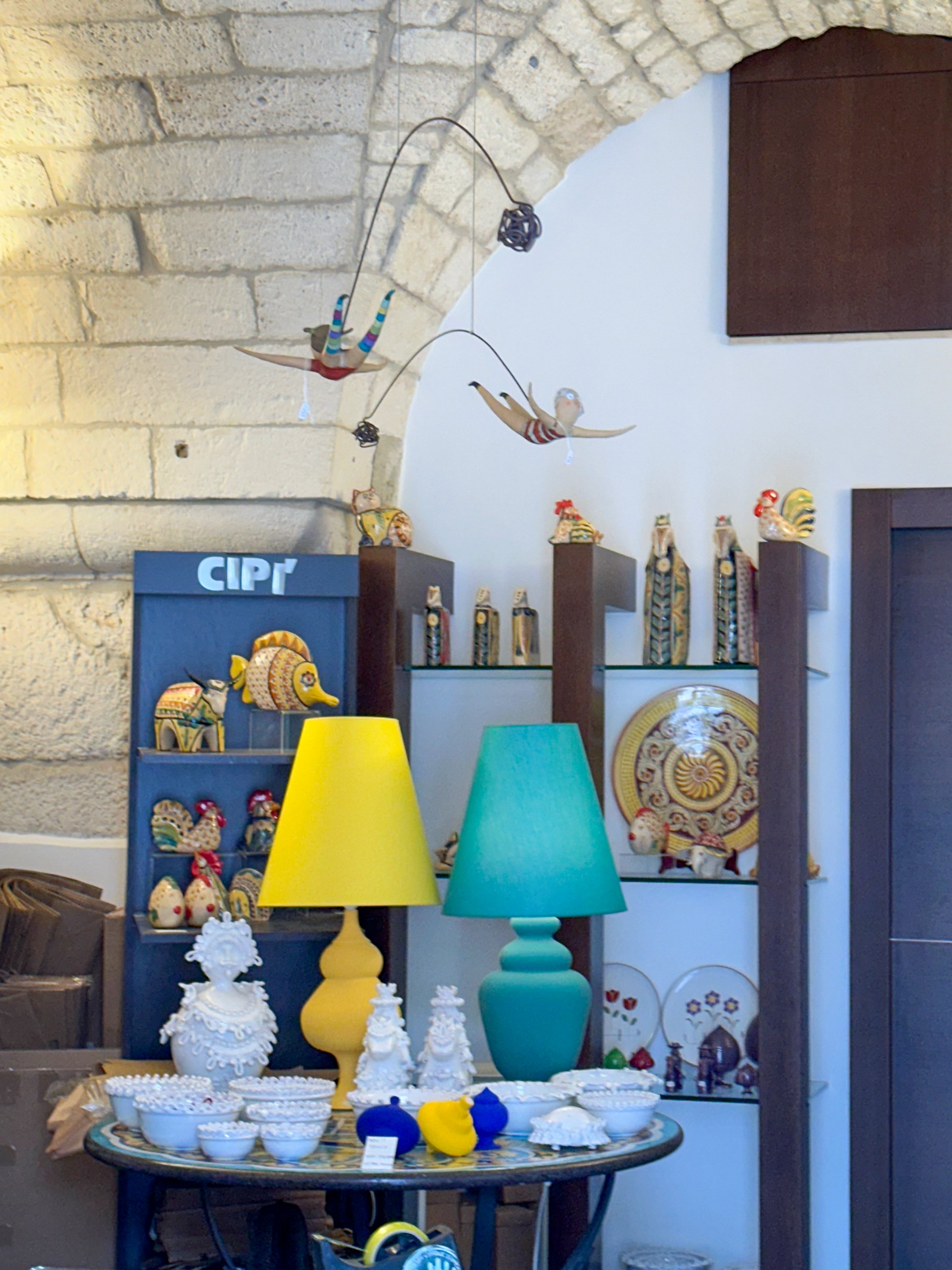
I absolutely loved these ceramic hanging acrobats – wish I could’ve figured out how to get one home!
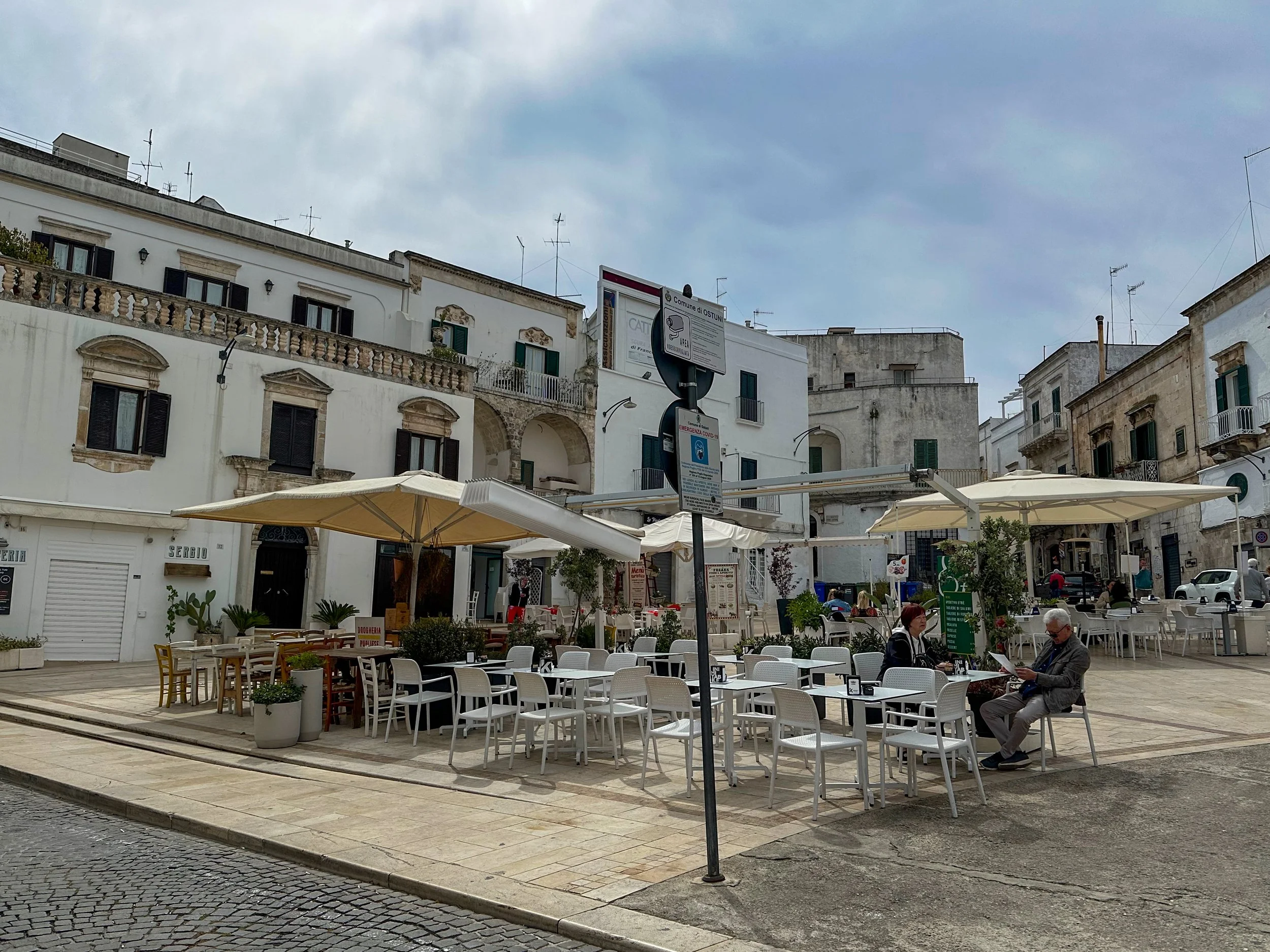
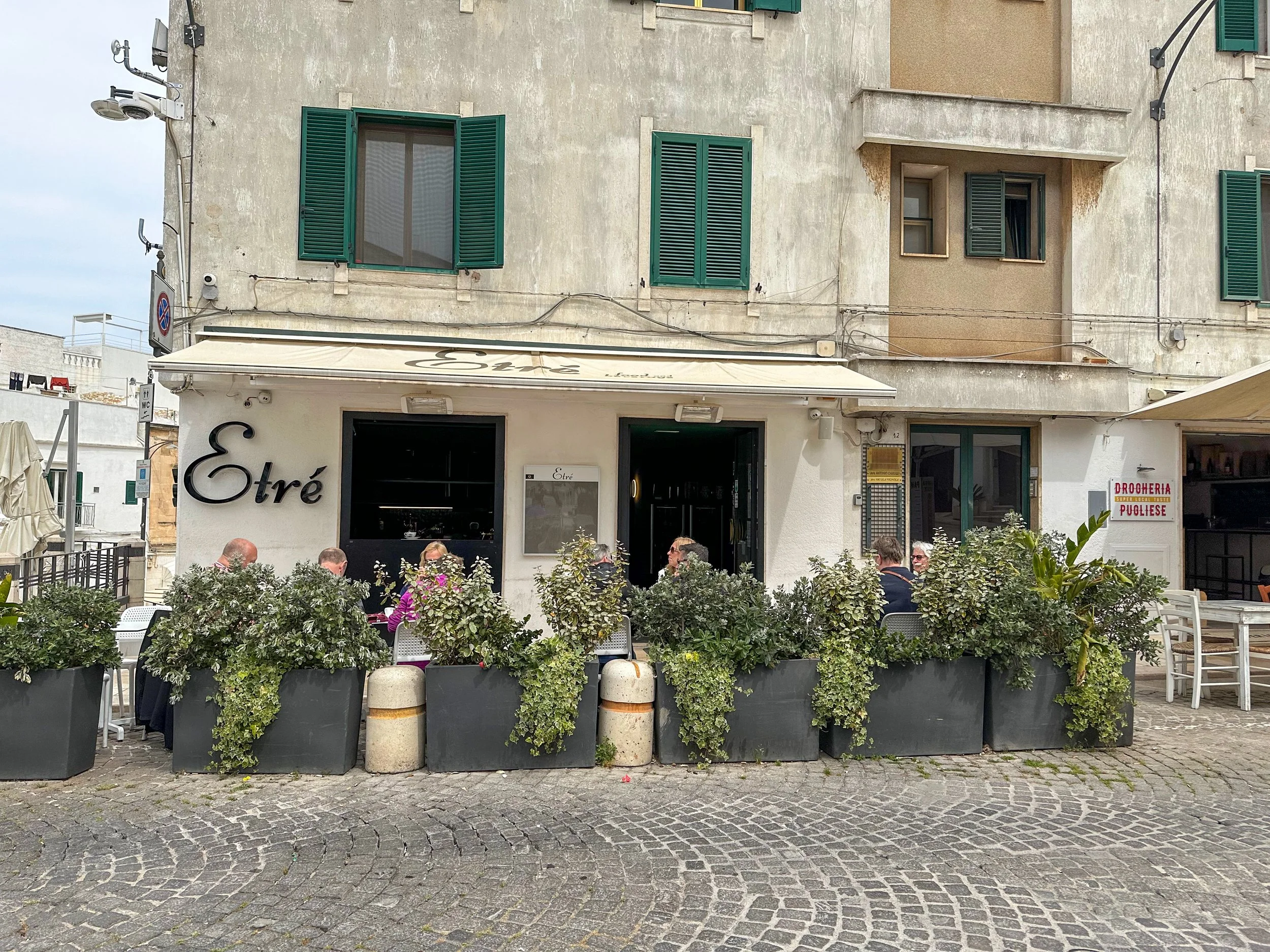
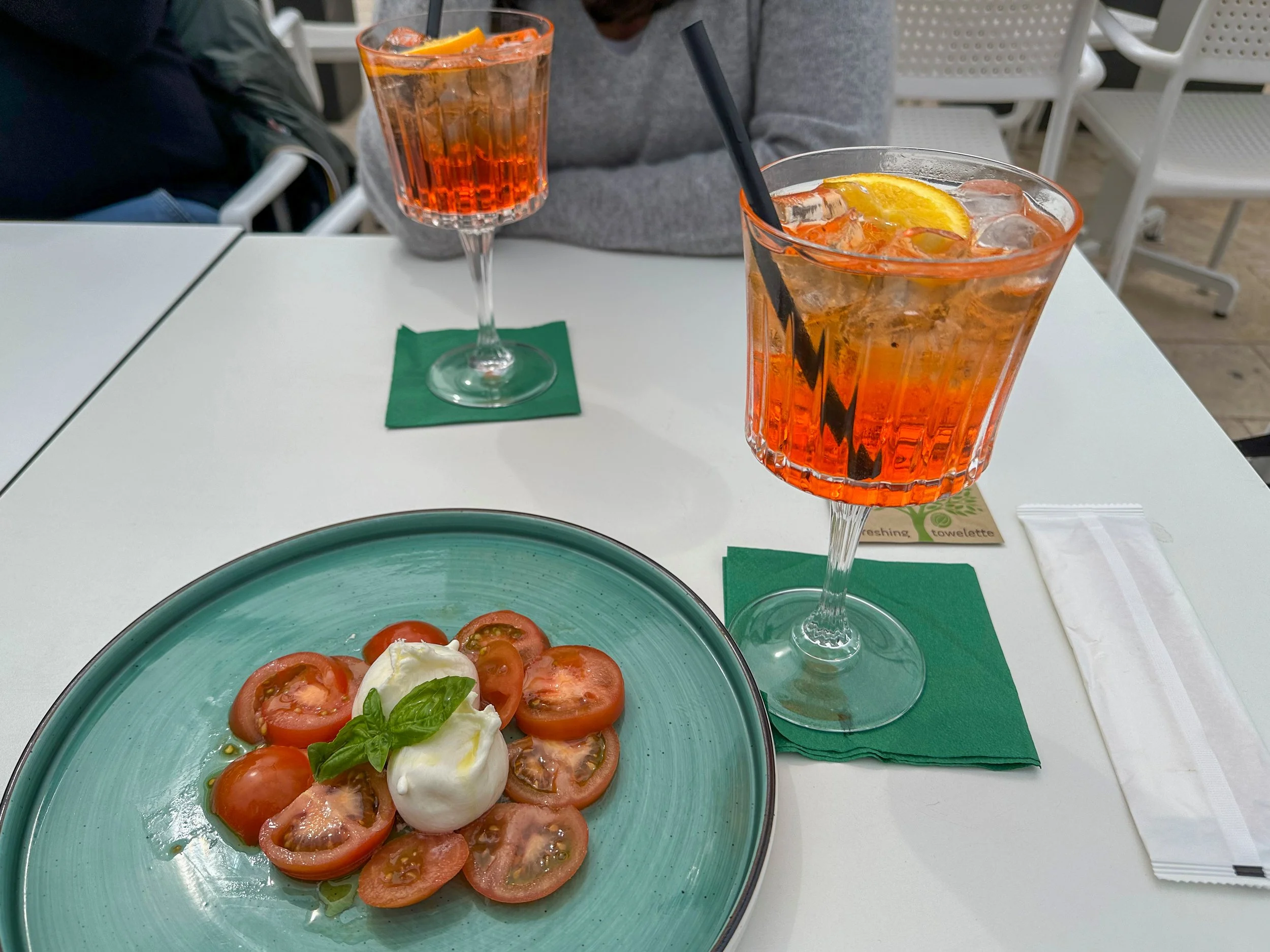
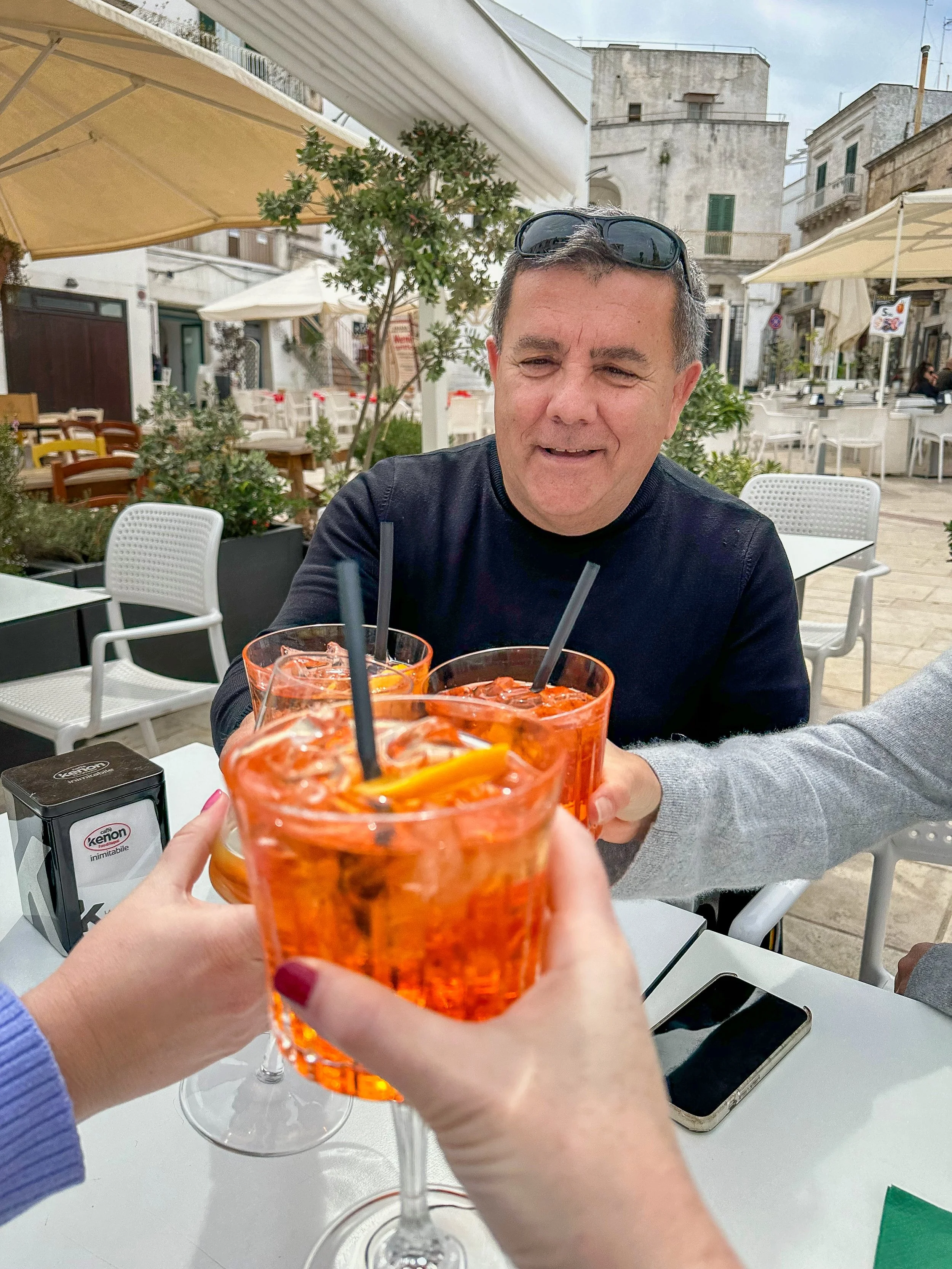
It wasn’t long until I ran into Melissa and Carina who were walking around, as well as our bus driver Vincenzo. We ended up sitting down in the center square to enjoy an Aperol spritz/wine (it was noon-ish, so… 5:00 somewhere), and I also got myself a caprese brunch, made the Apulian way with burrata.
We made our way back to the hotel together, stopping in a few tiny shops along the way, where we soon met the rest of the group to get on our bus and head out for the day.
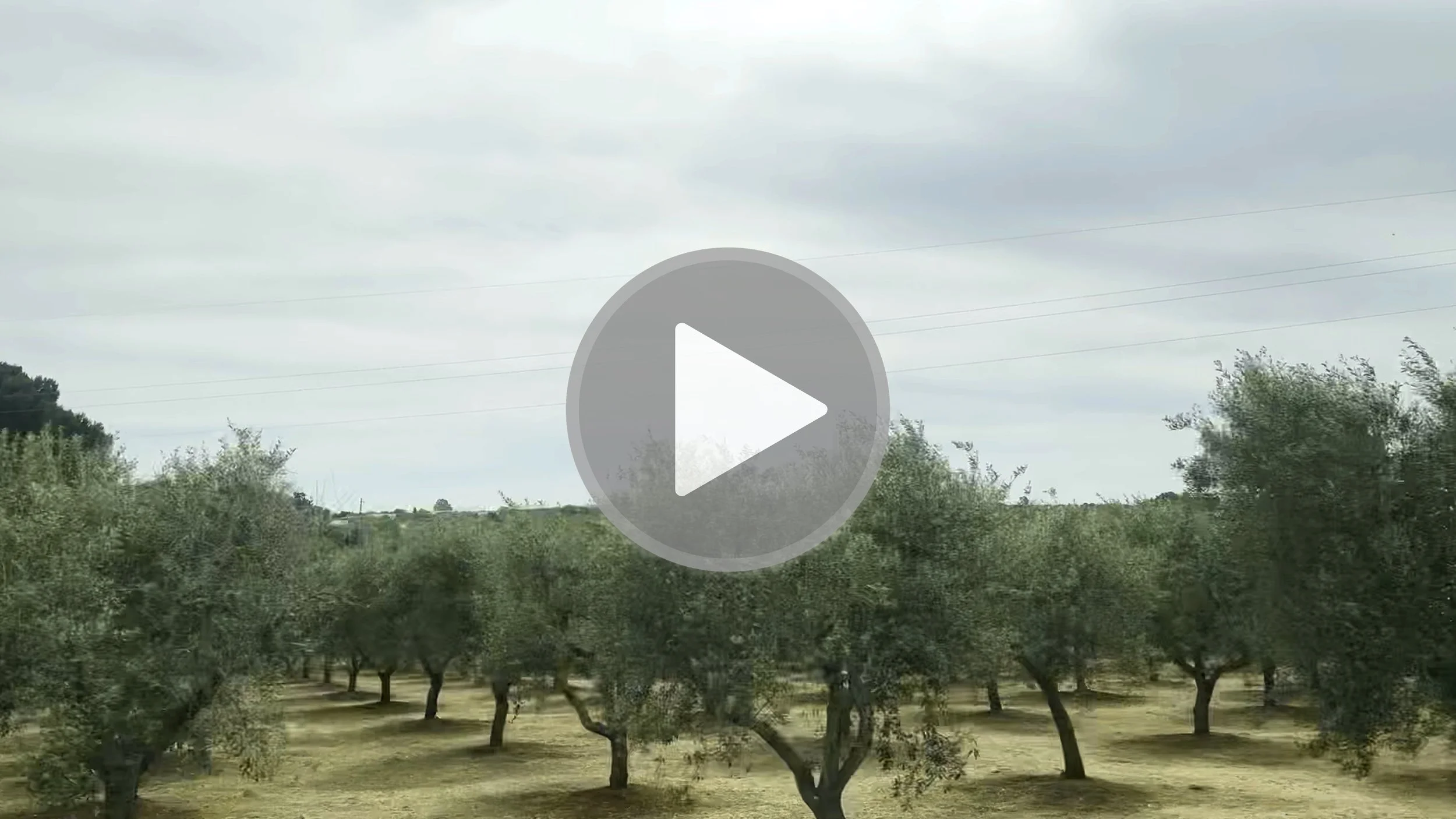
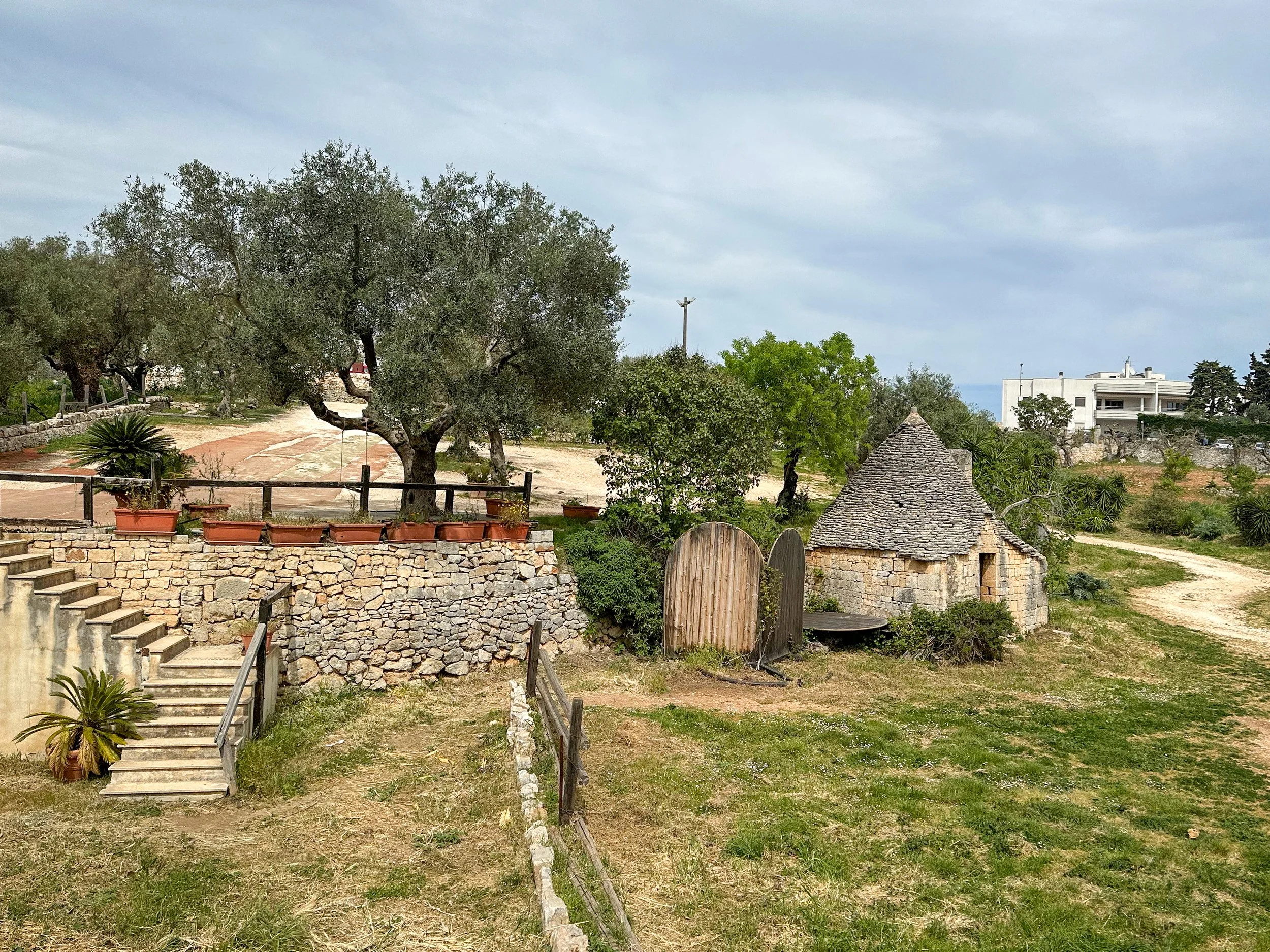
The drive itself was so pretty, passing olive tree groves as far as you could see. Apparently Puglia produces about 40% of all of Italy’s olive oil, with an estimated 60 million olive trees (!), including some extraordinarily ancient ones more than 2000 years old.
Tragically, about a third of these trees are dying thanks to a plant from Costa Rica that was introduced to the region about 15 years ago. It carried a bug that transmits a deadly bacteria, and now 15 years later they’ve decimated the crops. Puglia is taking frantic measures to control the spread, but the risk to olive trees here as well as throughout Italy, Spain, and Greece is not looking good. The effects of this have been horrible for families who have made their living for generations selling olives and olive oil to the whole world, and the losses are in the billions and growing, particularly tragic in this already economically challenged part of Italy. I have to have hope that something can be discovered or developed that can stop this terrible bacteria.
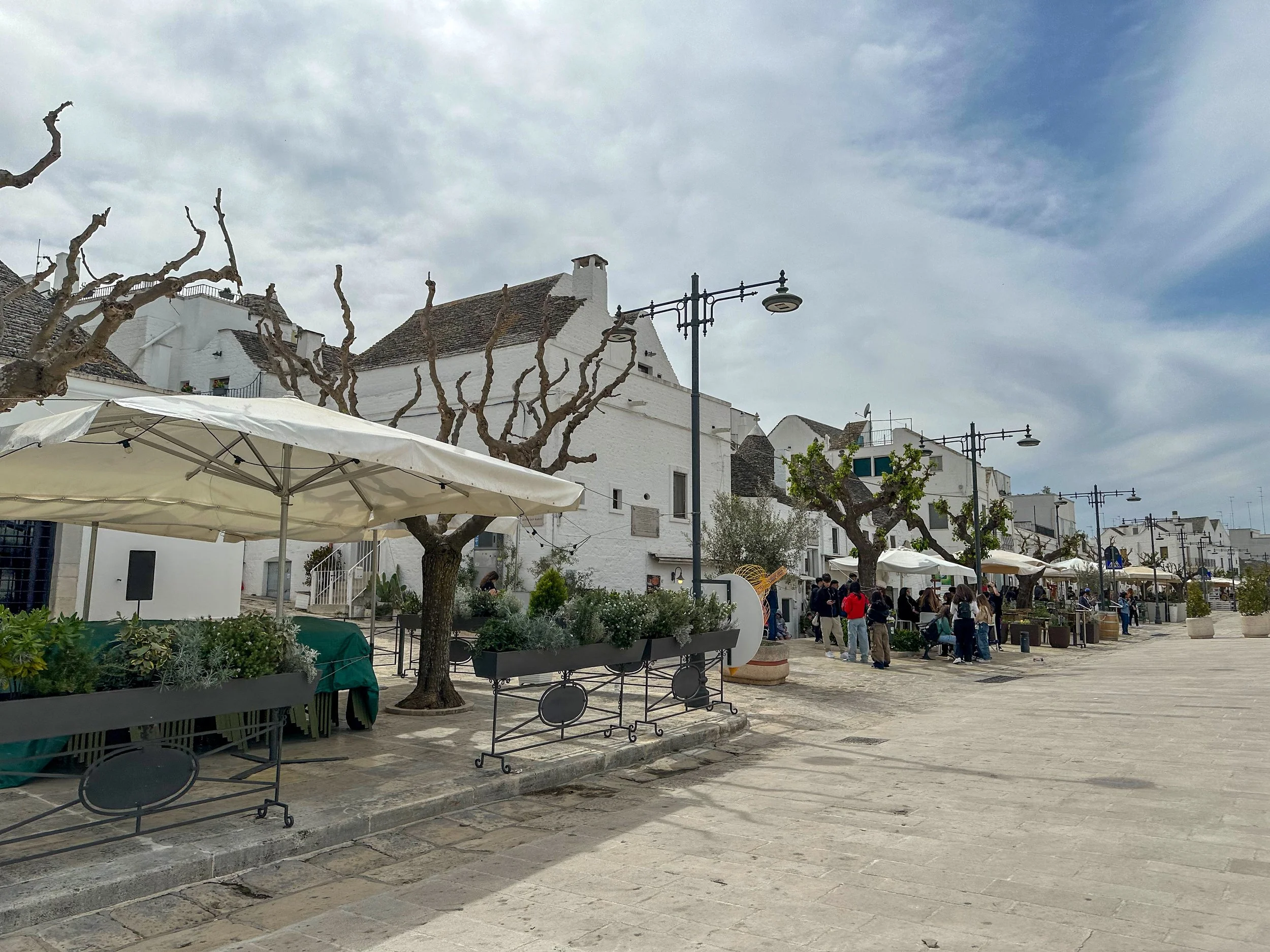
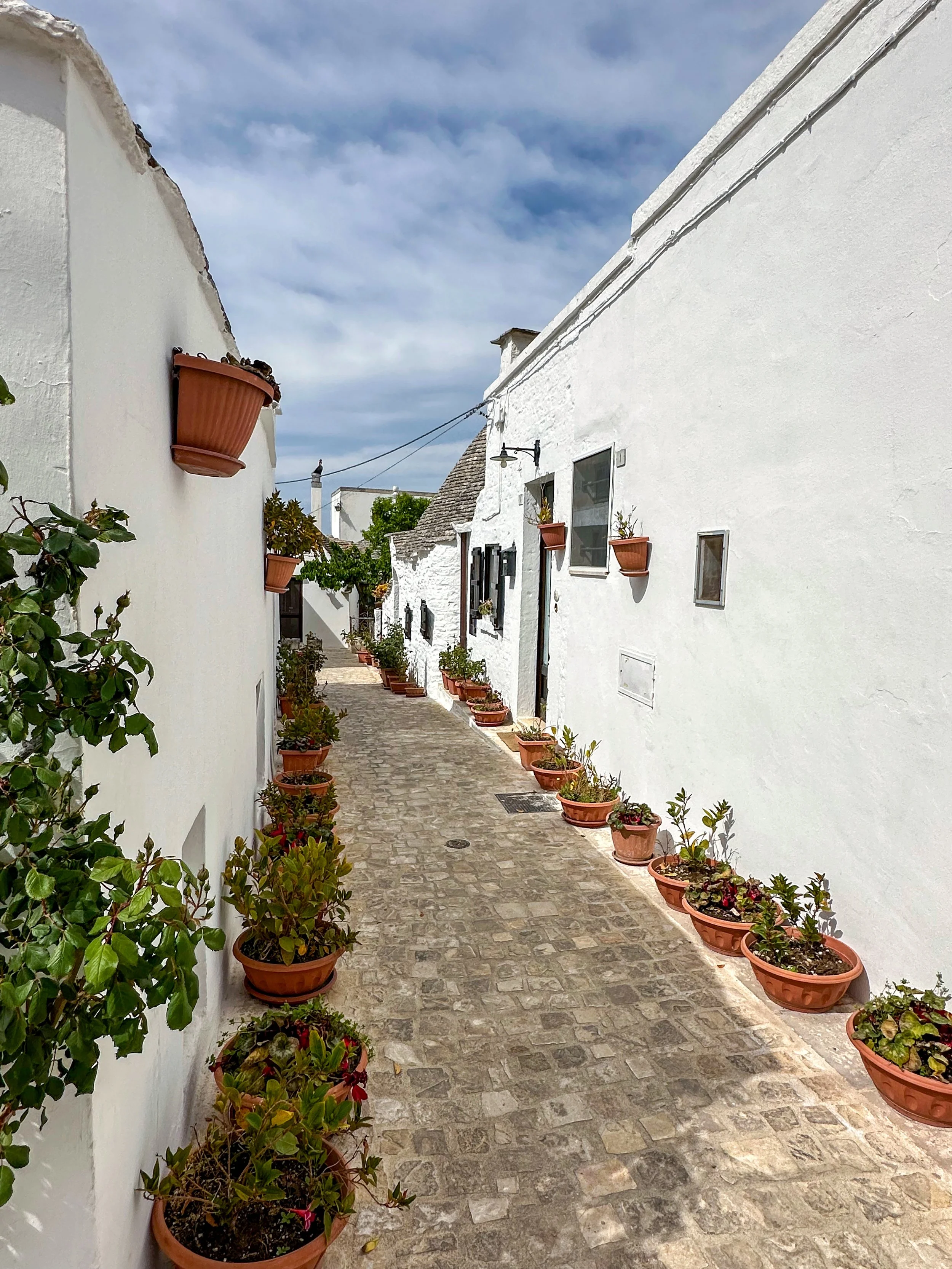
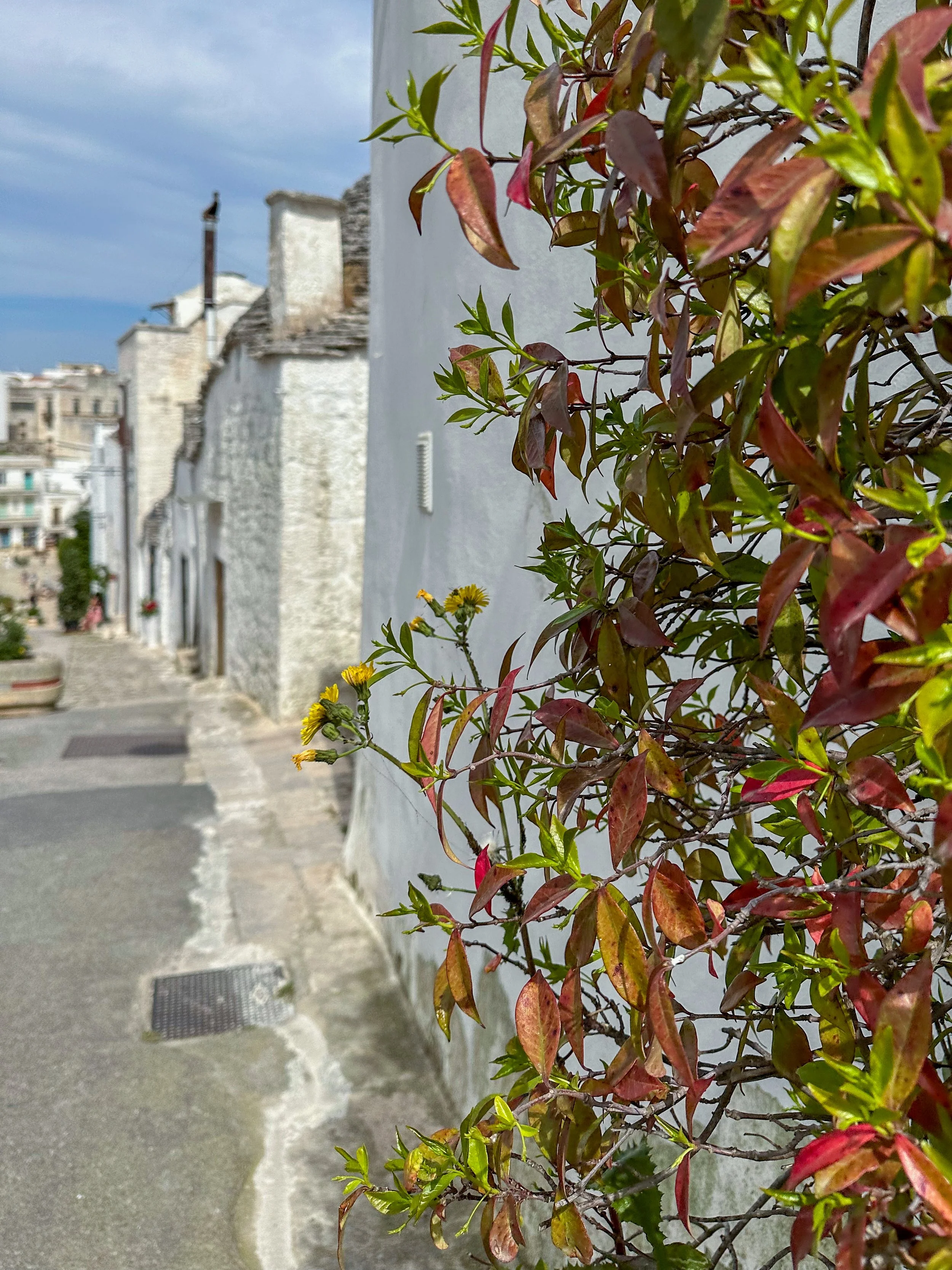
Our first stop was the charming town of Alberobello, arguably one of the top destinations in Puglia and for good reason: it looks like a fairy tale village because of the trulli – round buildings topped with conical roofs made of limestone tiles. When I had peeked at some pictures of where we were going I assumed that these buildings were just in Alberobello, but it turns out that they’re all over the place in Puglia. Just not in the volume we were about to see.
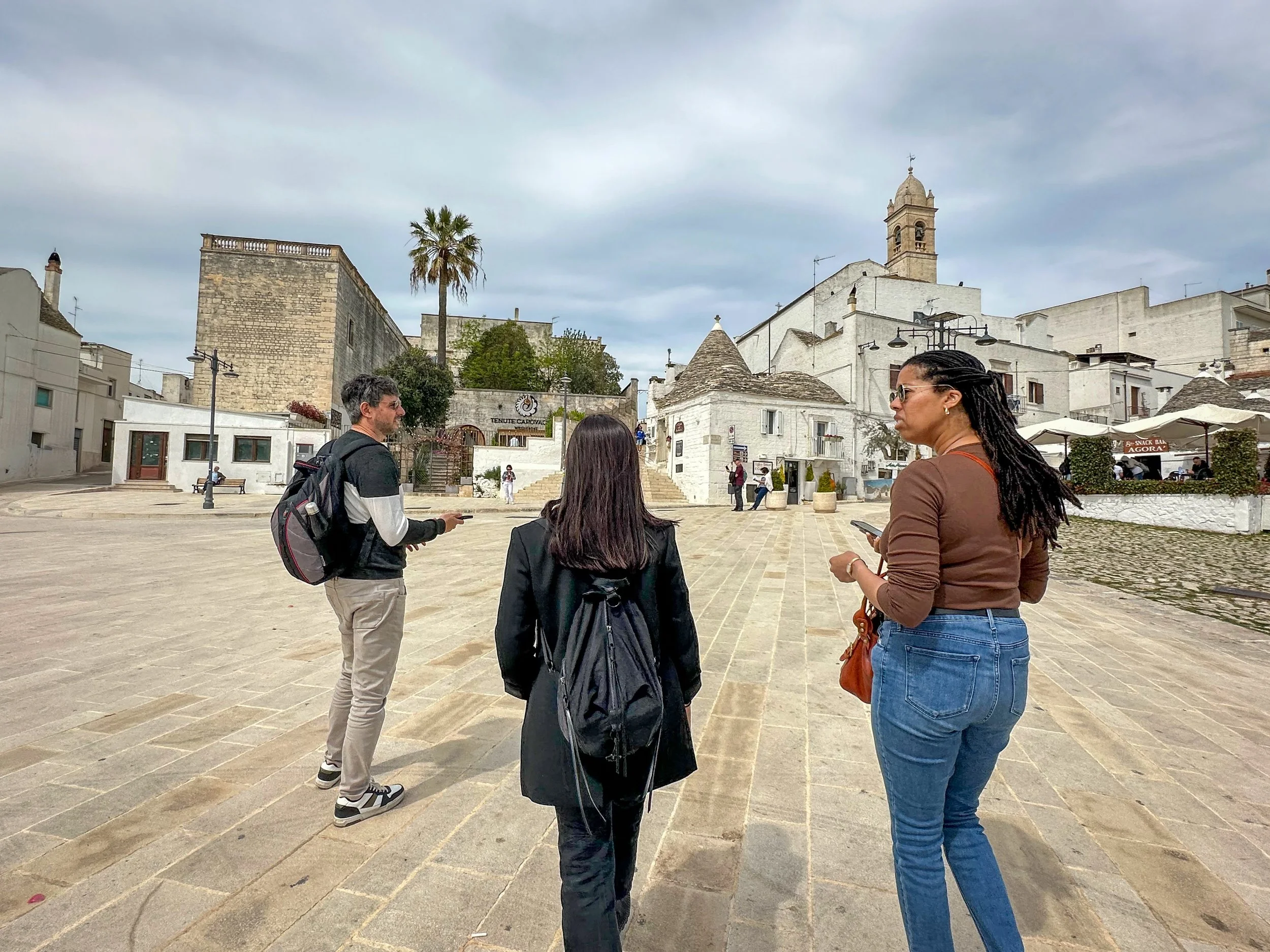
We got off the bus and walked as a group into town, admiring the quaintness. We found our way to the top of a building for a great view, then split off as a lot of the group just wanted to sit with a glass of wine and enjoy the nice day. I was more excited to walk around and see the town, as were Carina and Kristen, so the three of us walked around with Michele as he gave us a little tour.
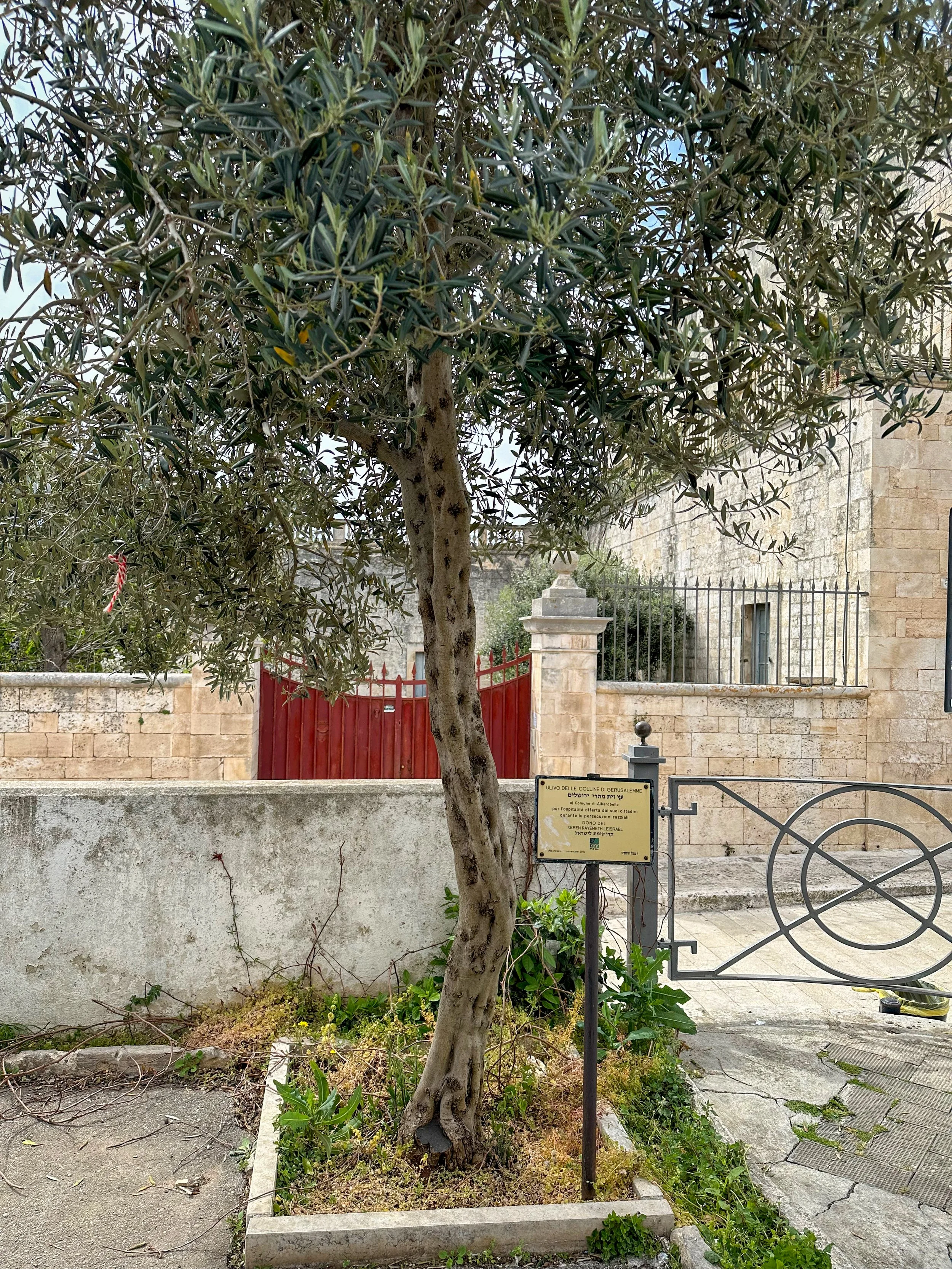
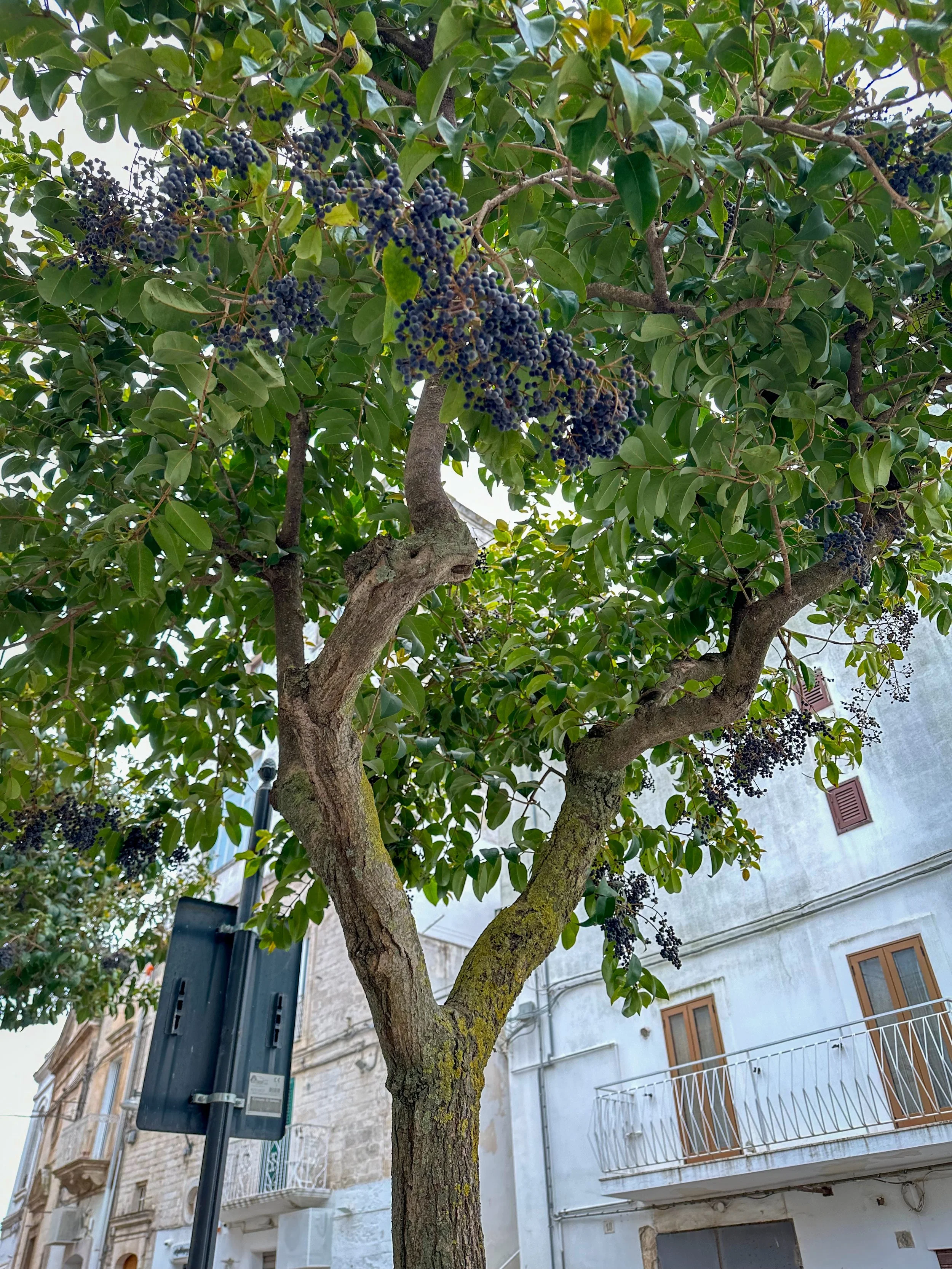
This tree had a plaque next to it that says:
Olive tree from the hills of Jerusalem.
To the town of Alberobello, for the hospitality offered by its citizens during the racial persecutions.
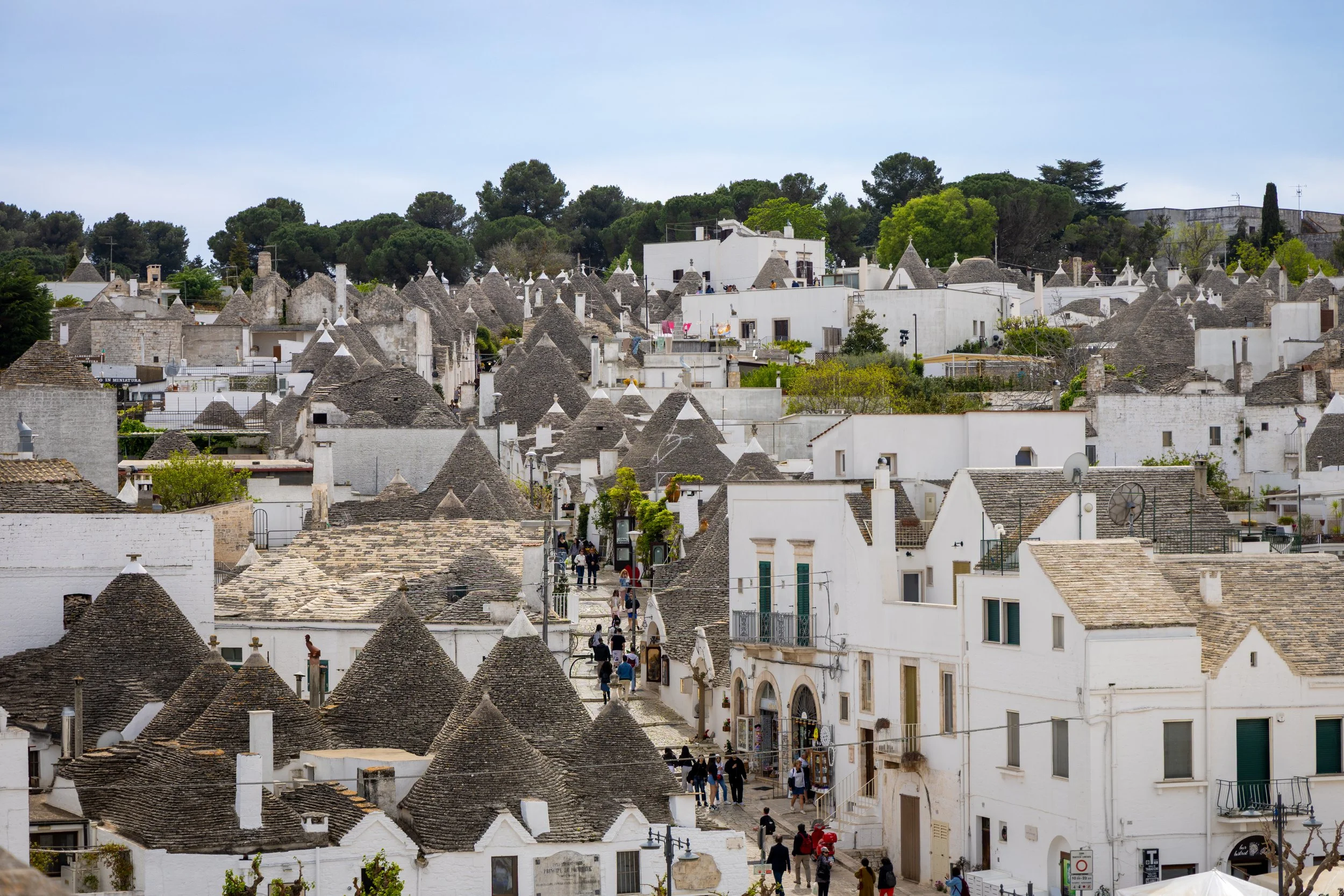
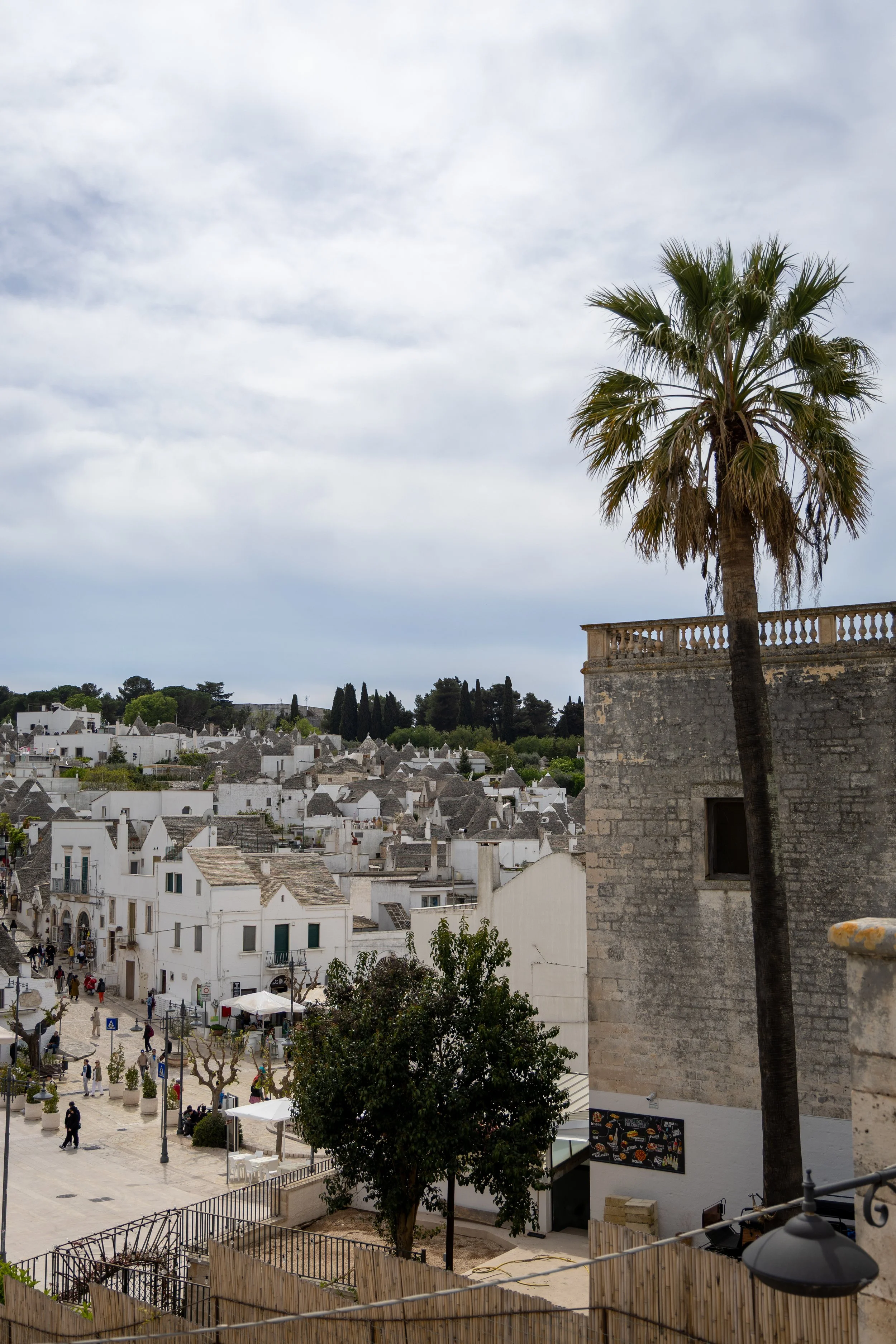
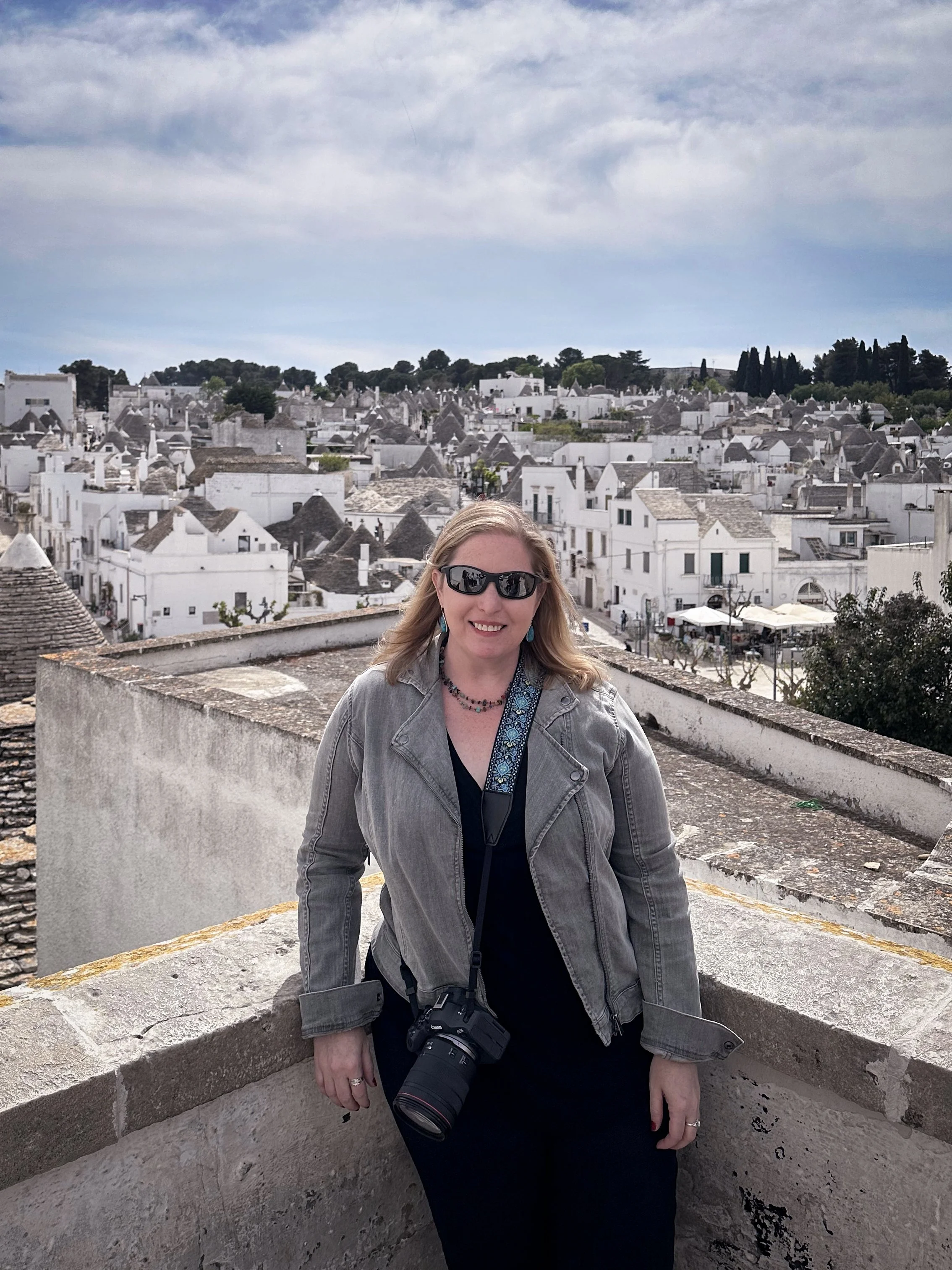
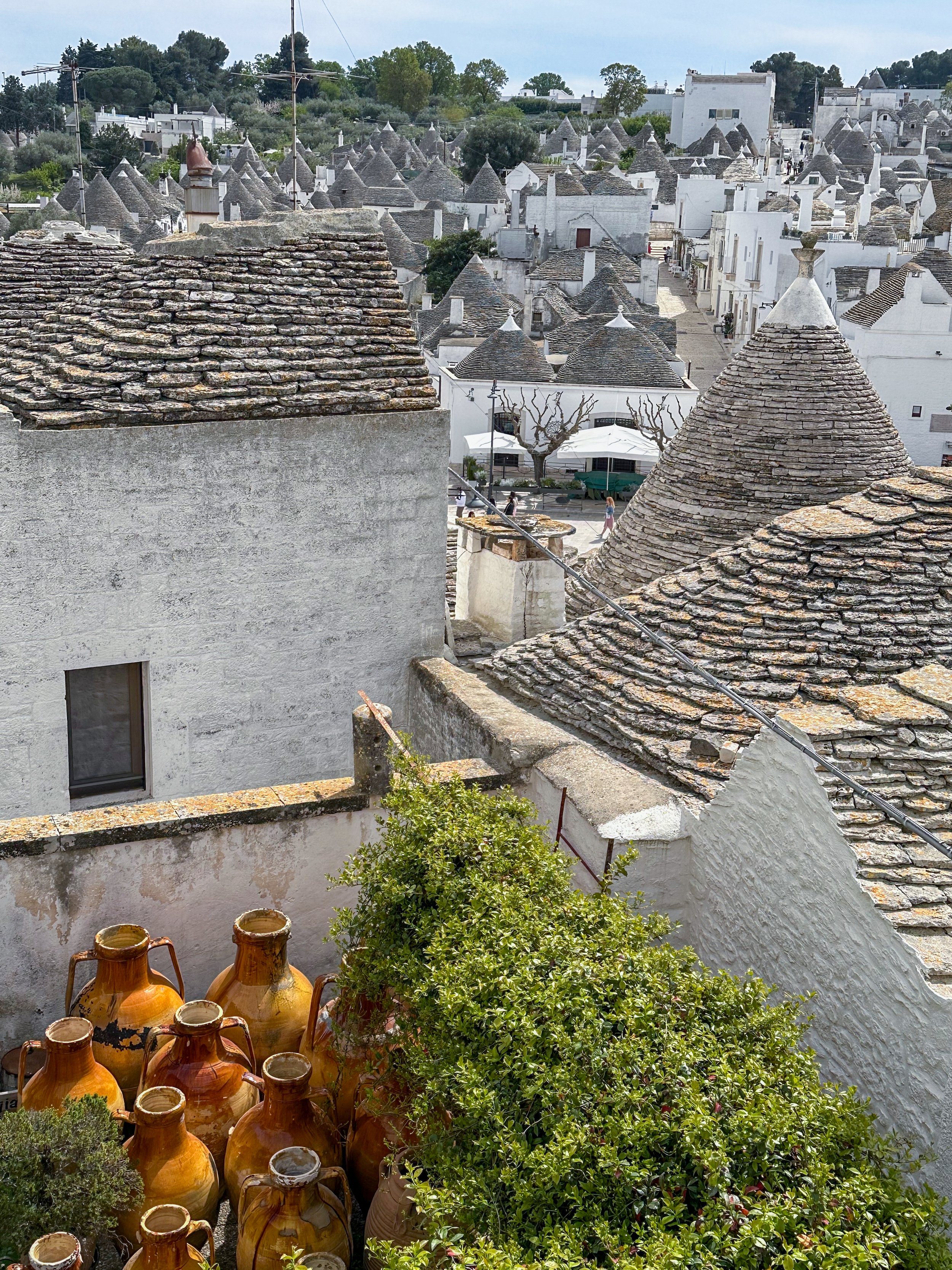
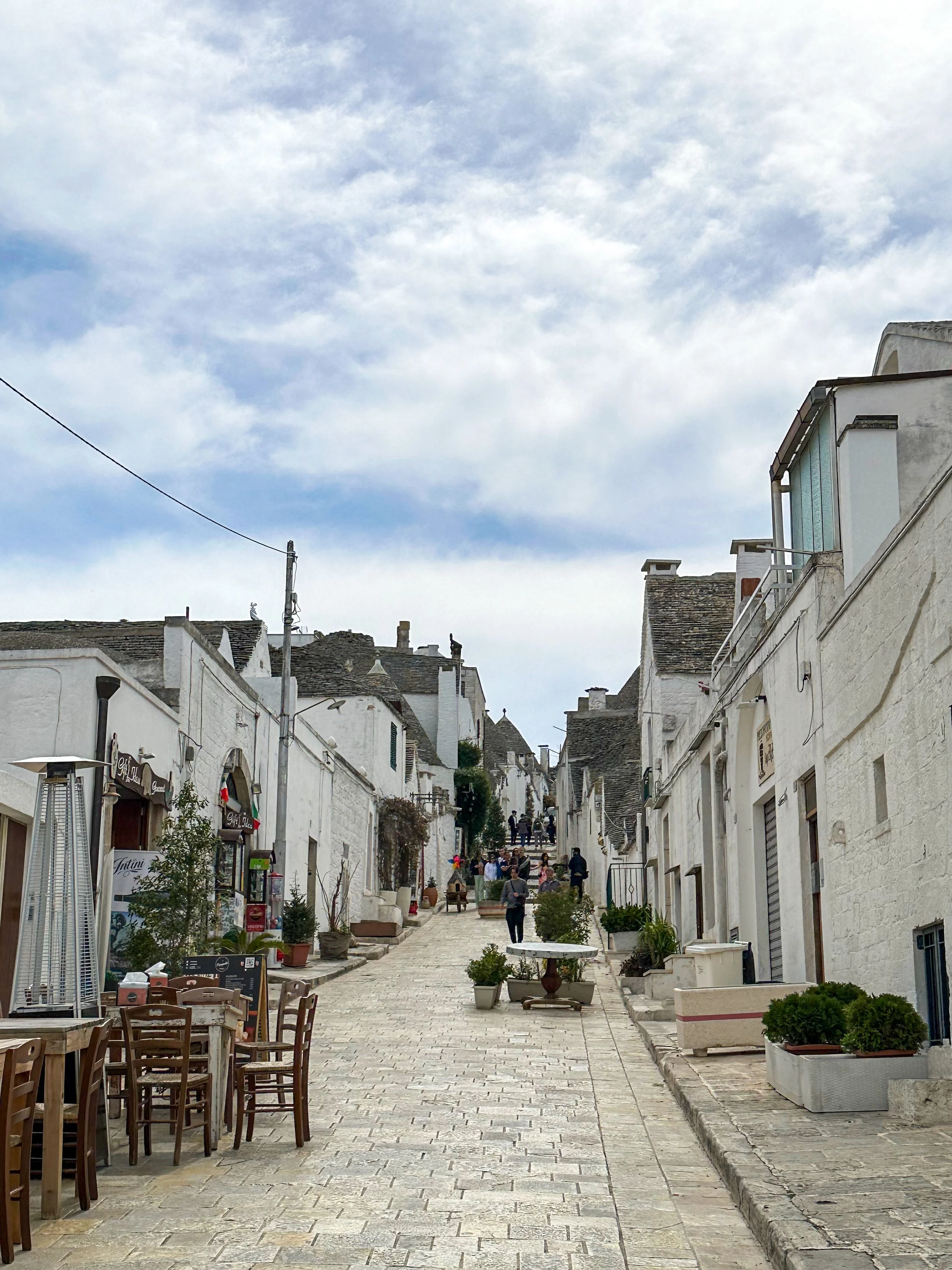
The dry-stone construction of the trulli (no mortar) wasn't just an aesthetic choice. The local Count wanted to avoid paying taxes to the Spanish Viceroy on any "new settlements," so he ordered all houses be built without mortar, meaning they could be knocked down fast and technically didn't exist as permanent structures. Excellent tax loophole.
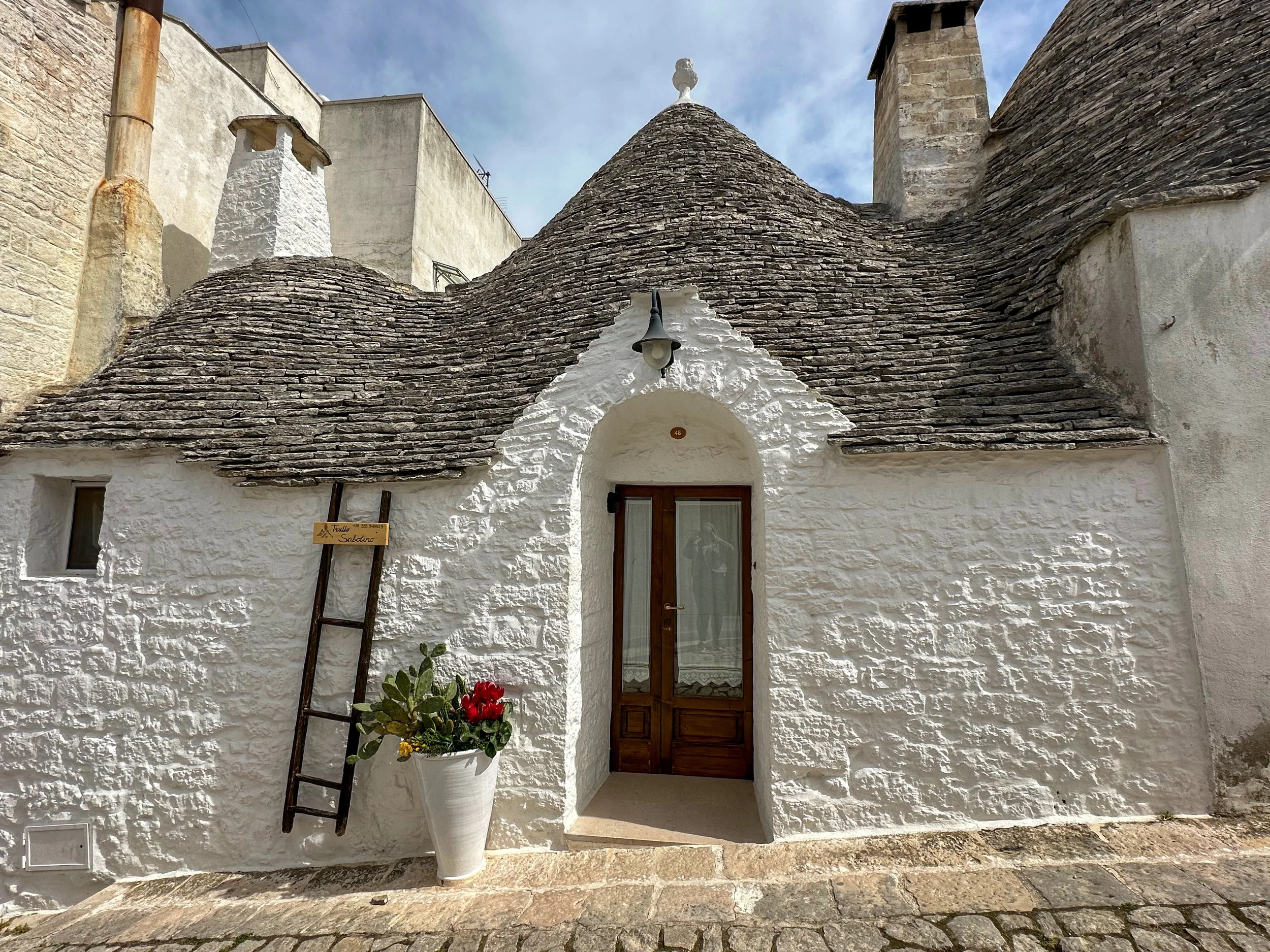
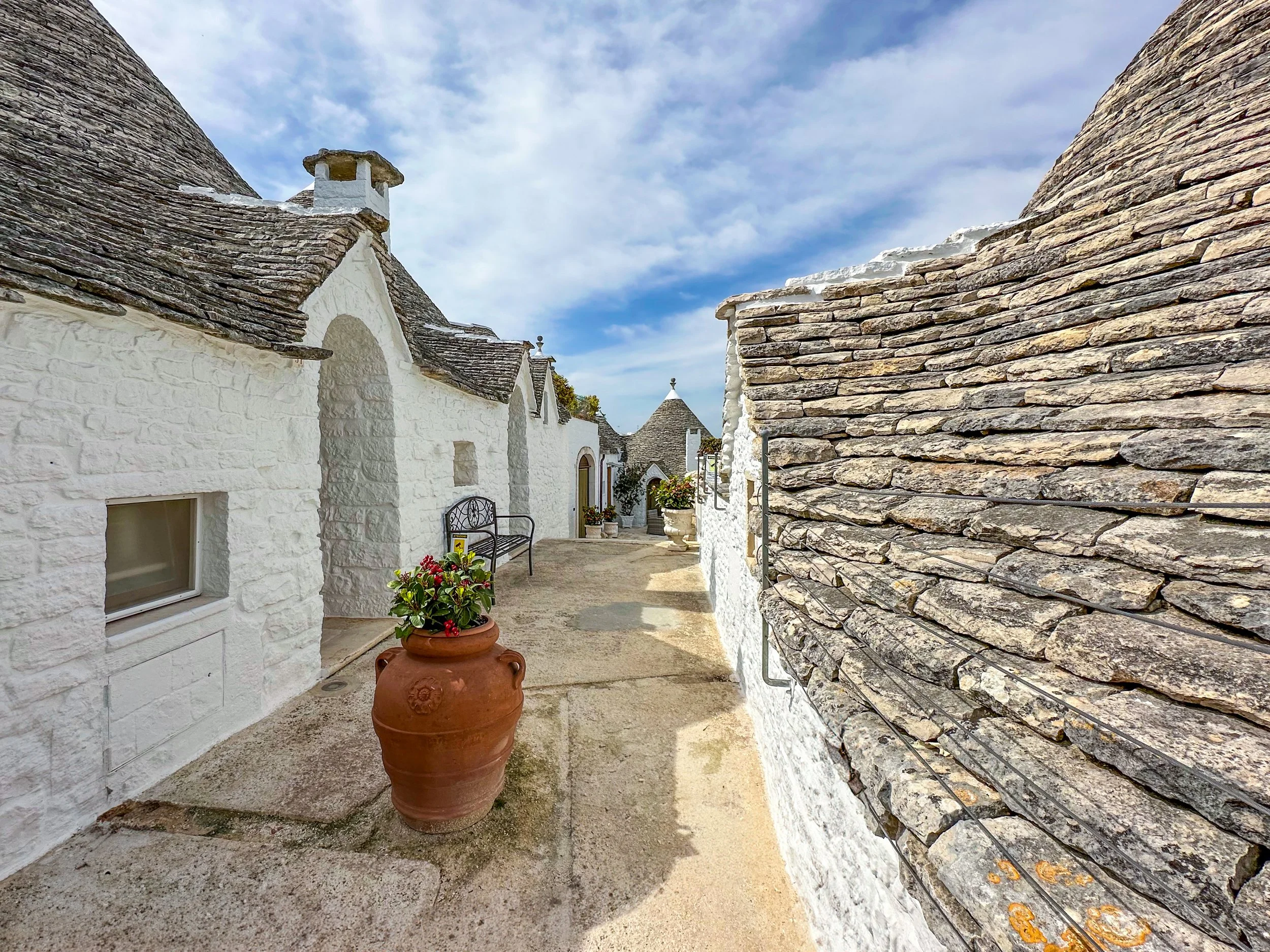
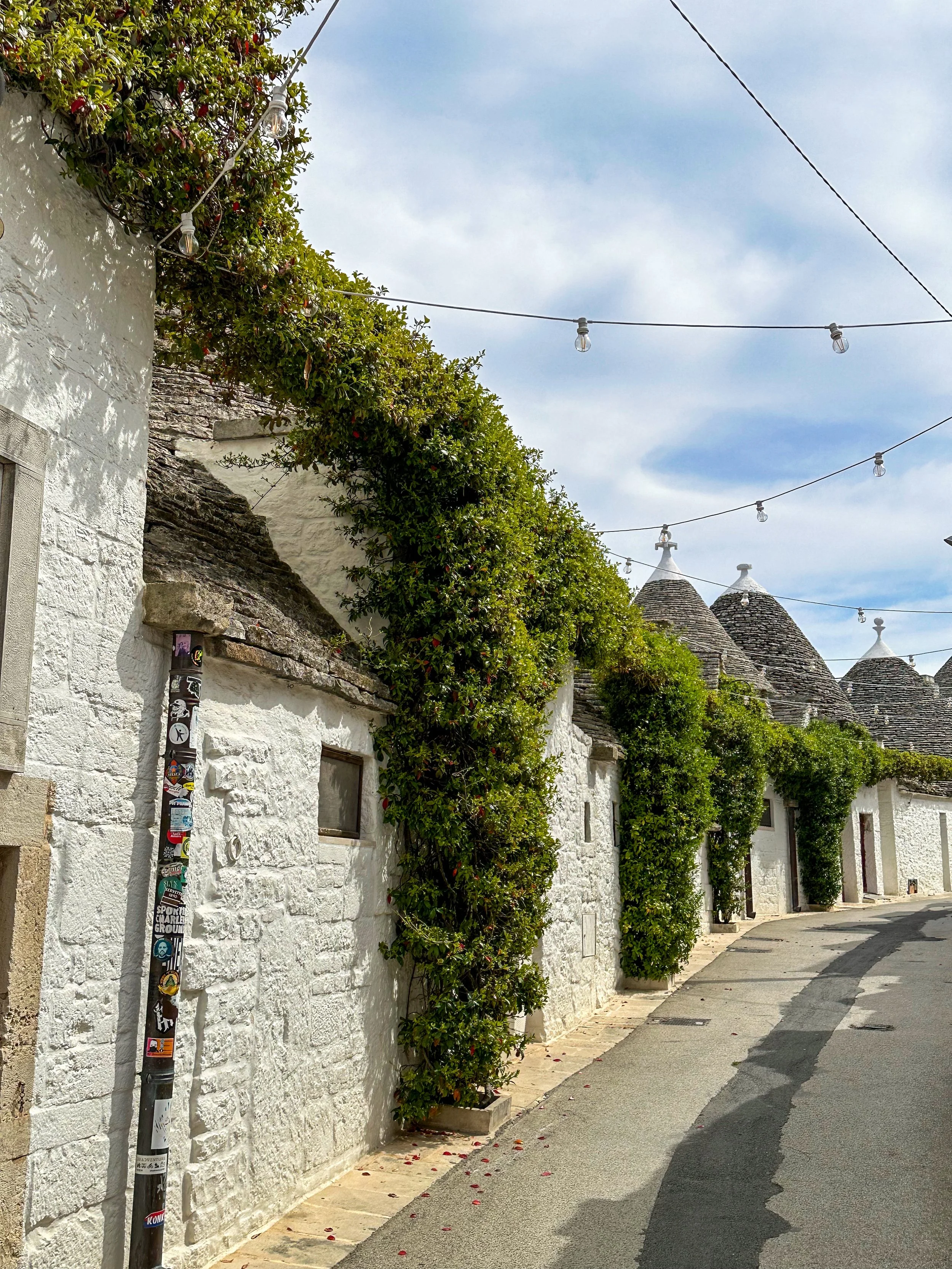
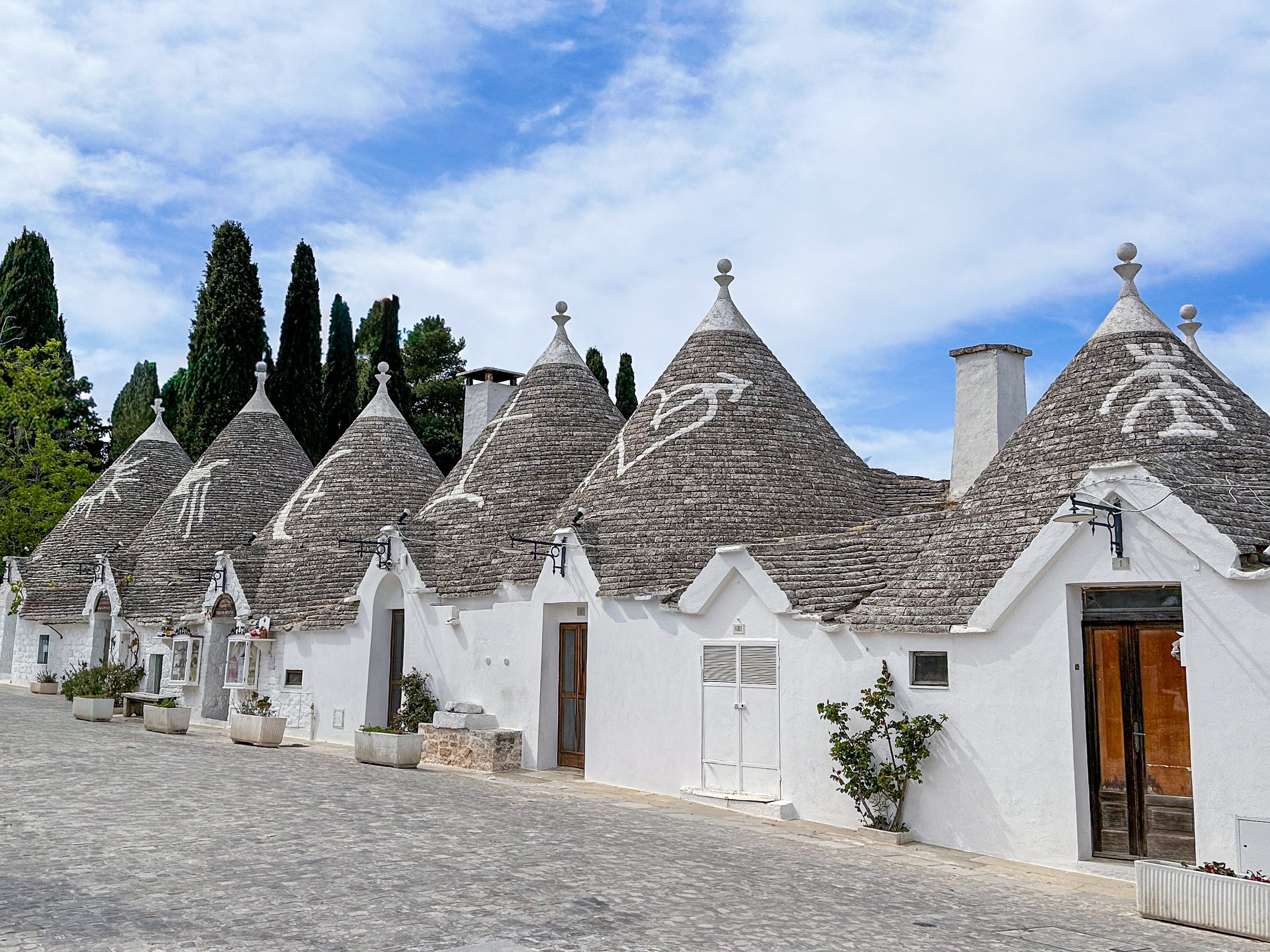
On many of the roofs are these white painted symbols. Michele didn’t really know the meaning so we looked it up and it turns out that he didn’t know because no one really knows. Experts’ best guess is some sort of “believed to have religious or superstitious meanings" but that’s as specific as it gets.
But they’re a mix of Christian symbols, pagan symbols, and astrological signs, which is interesting. Who knows, maybe it was a just an art project prank to confuse future visitors.
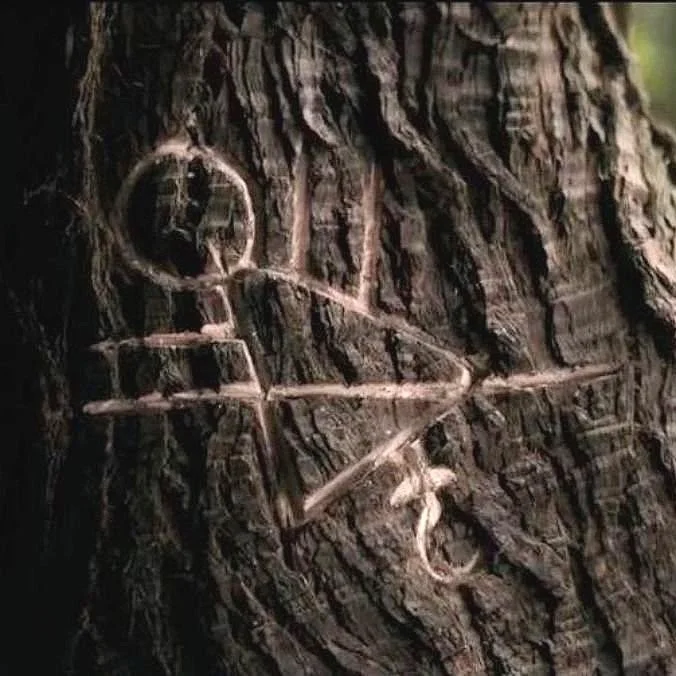
It’s all very Yellowjackets
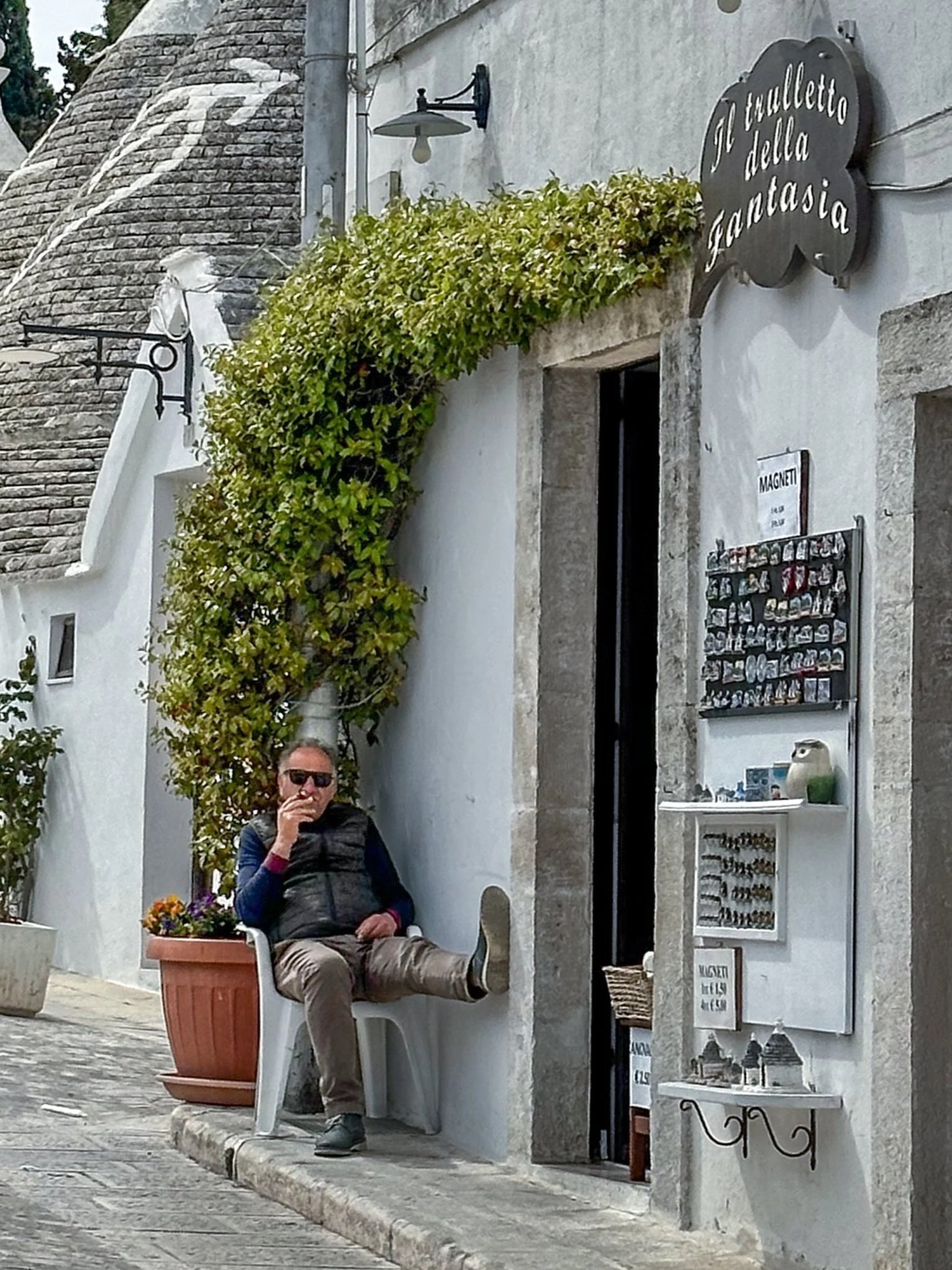
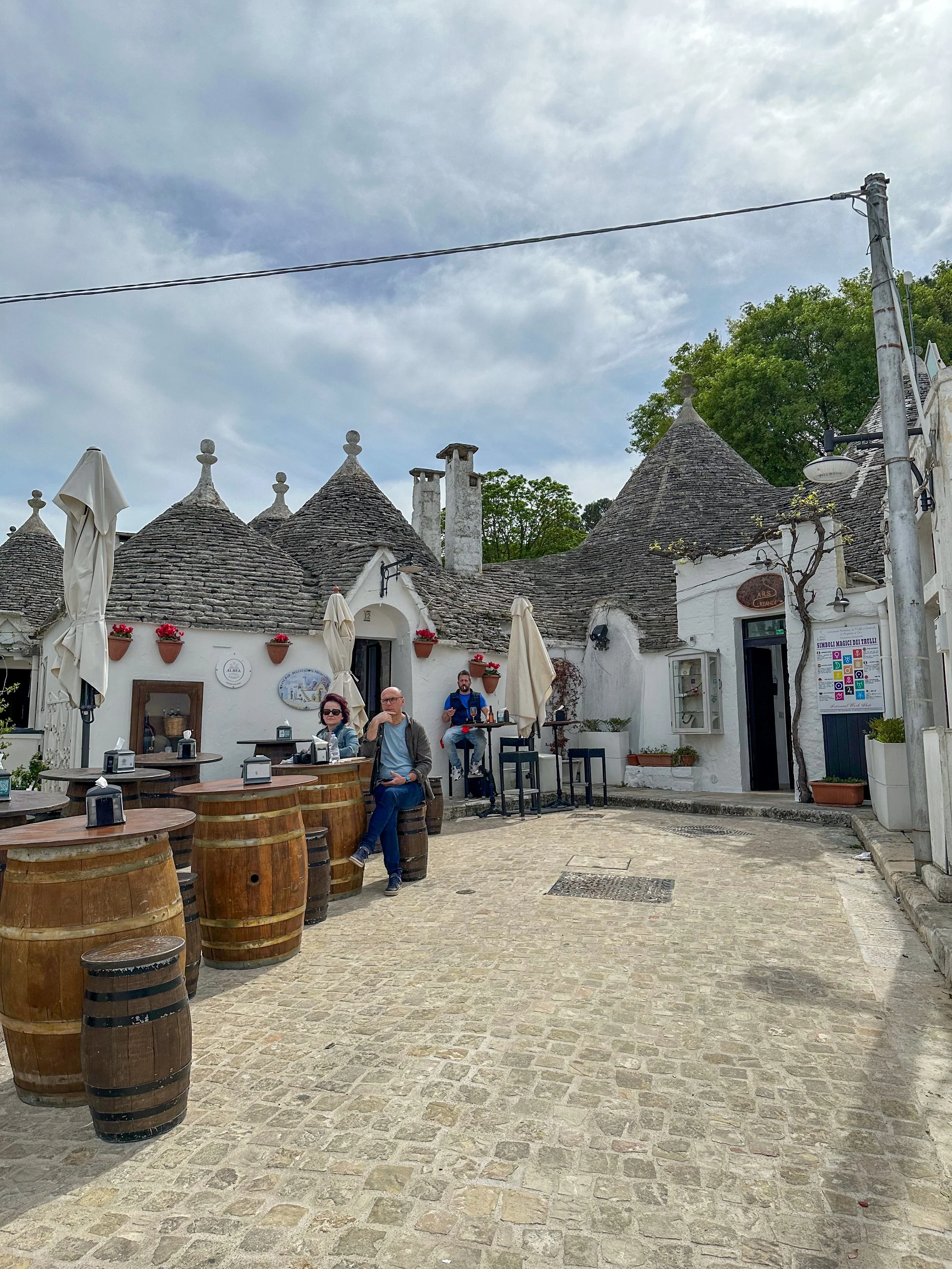
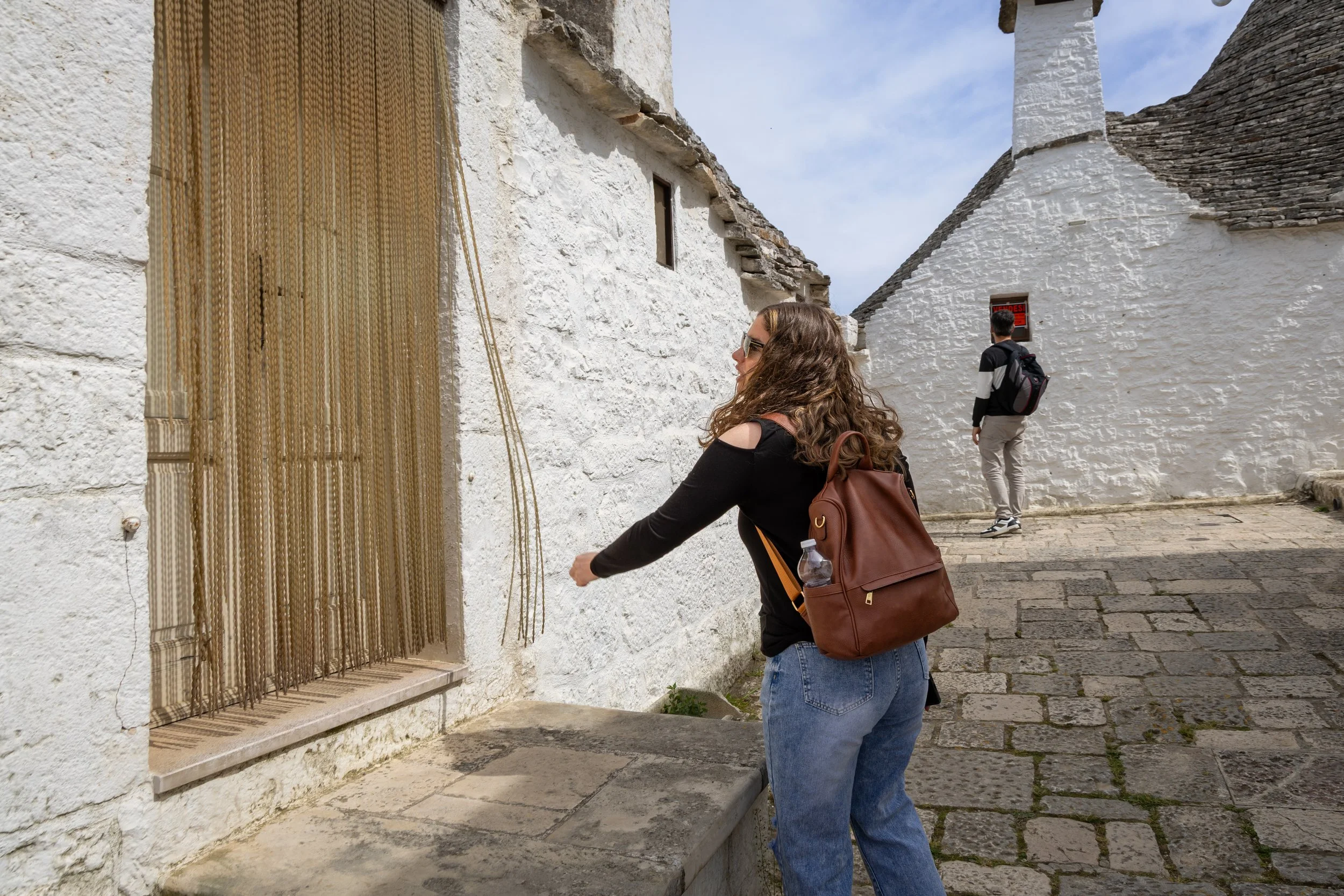
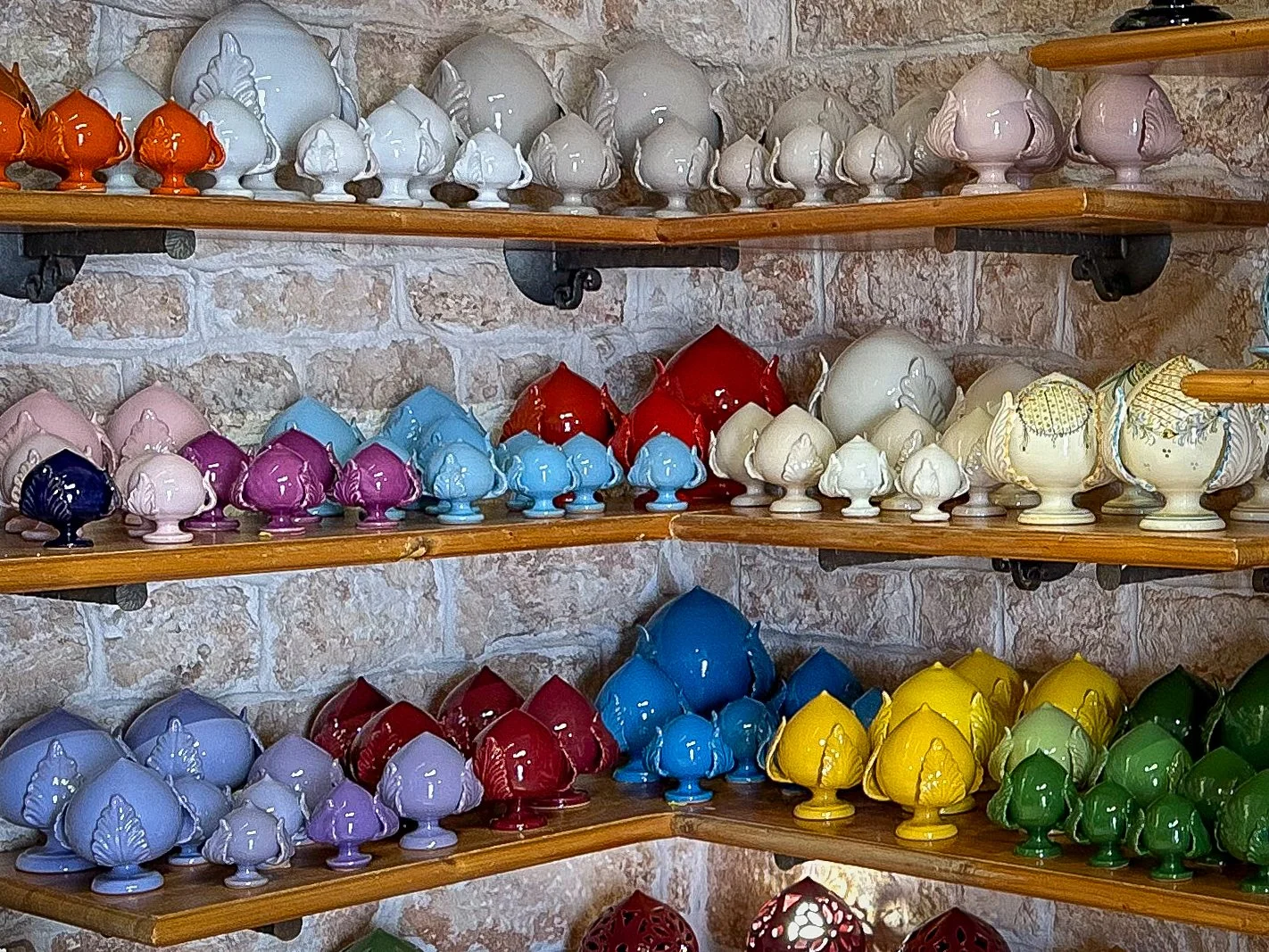
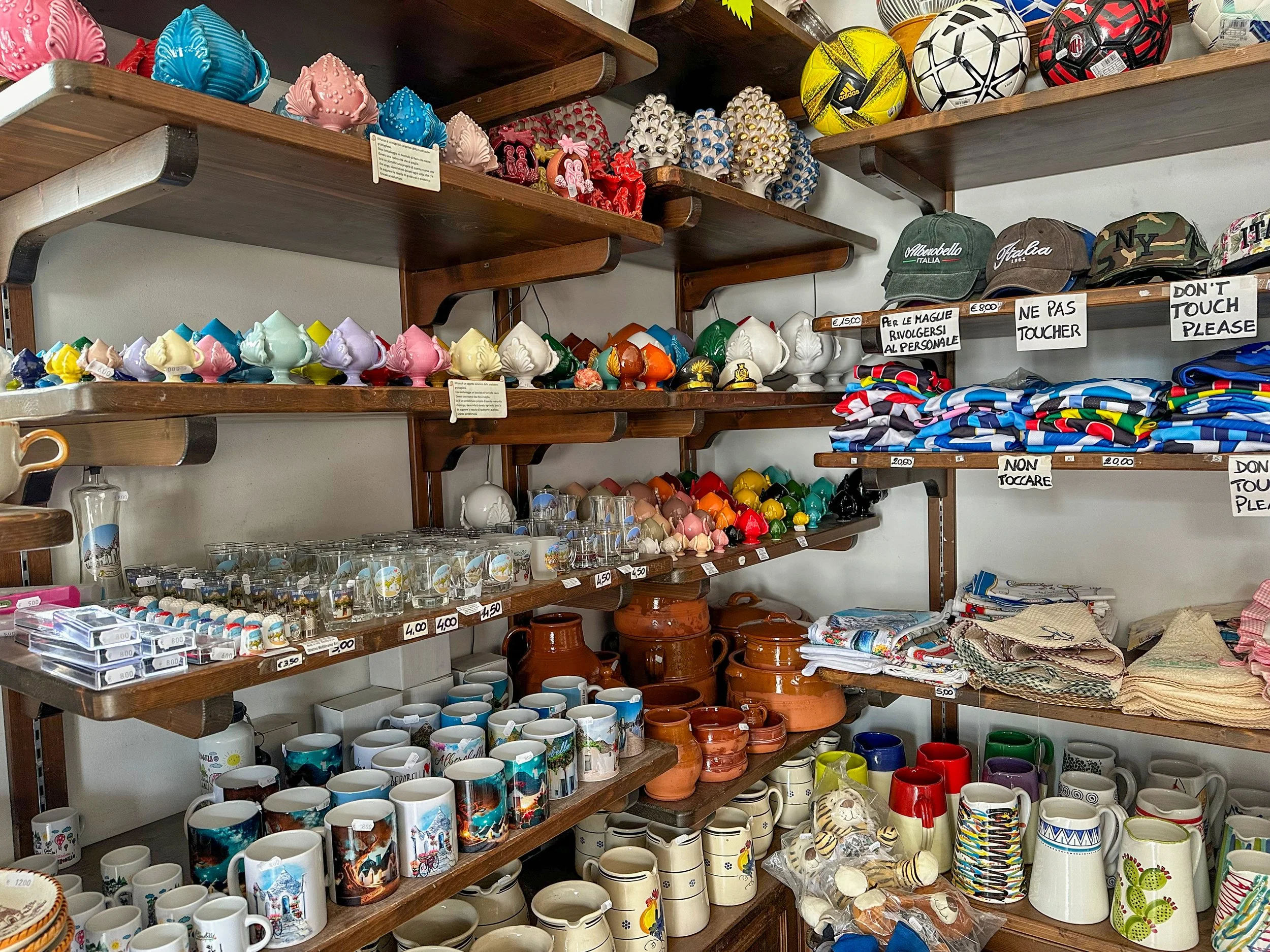
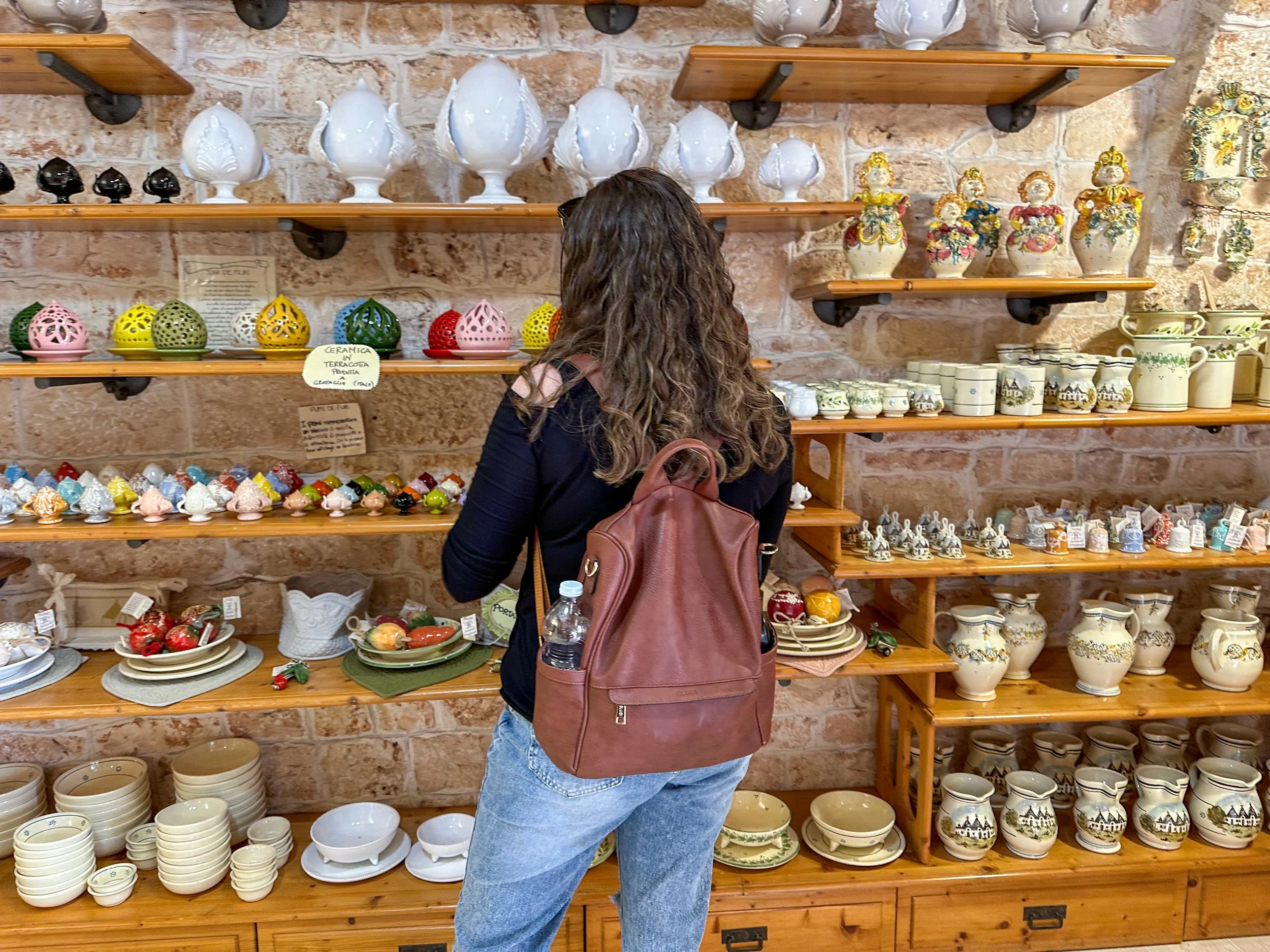
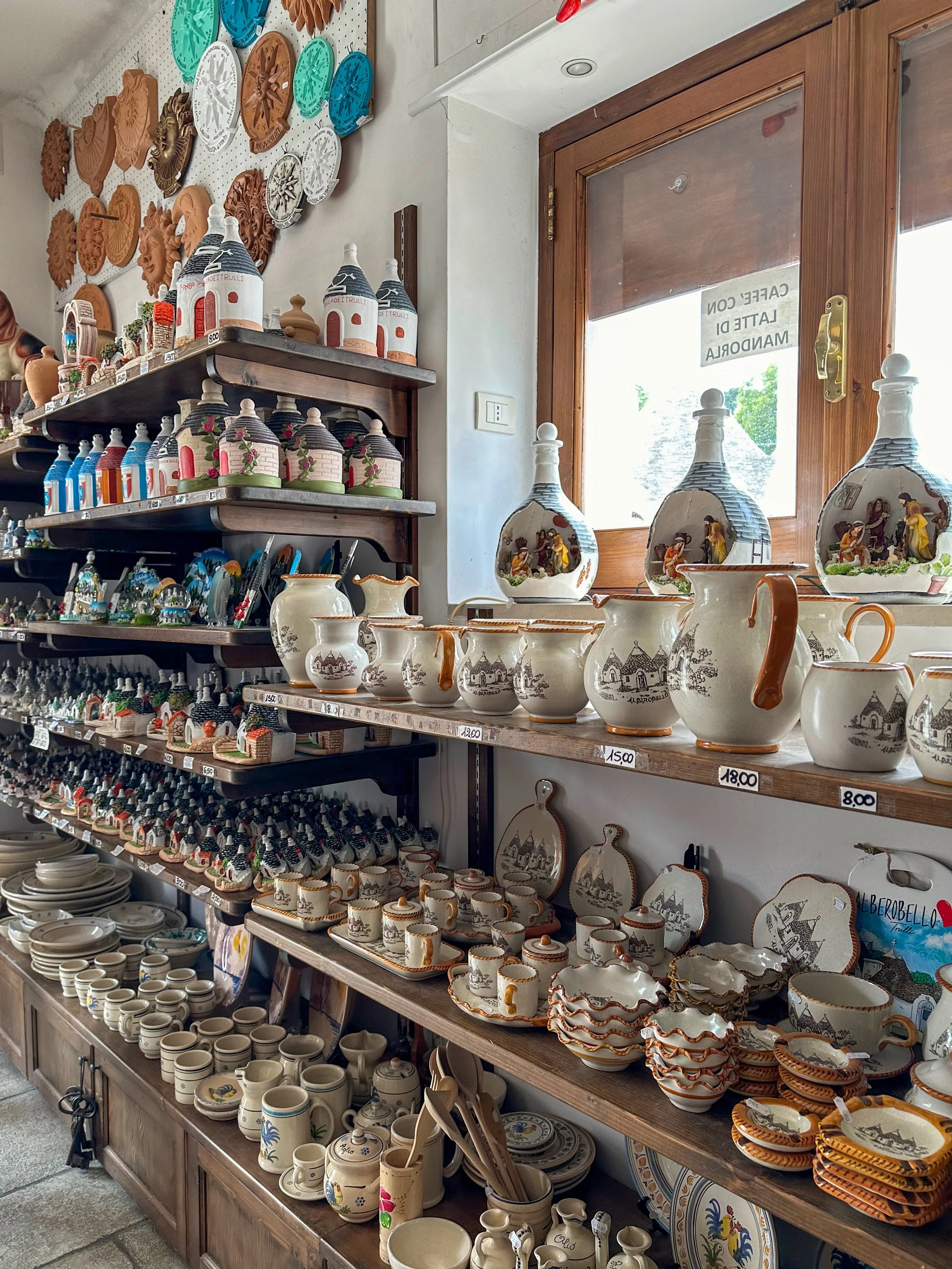
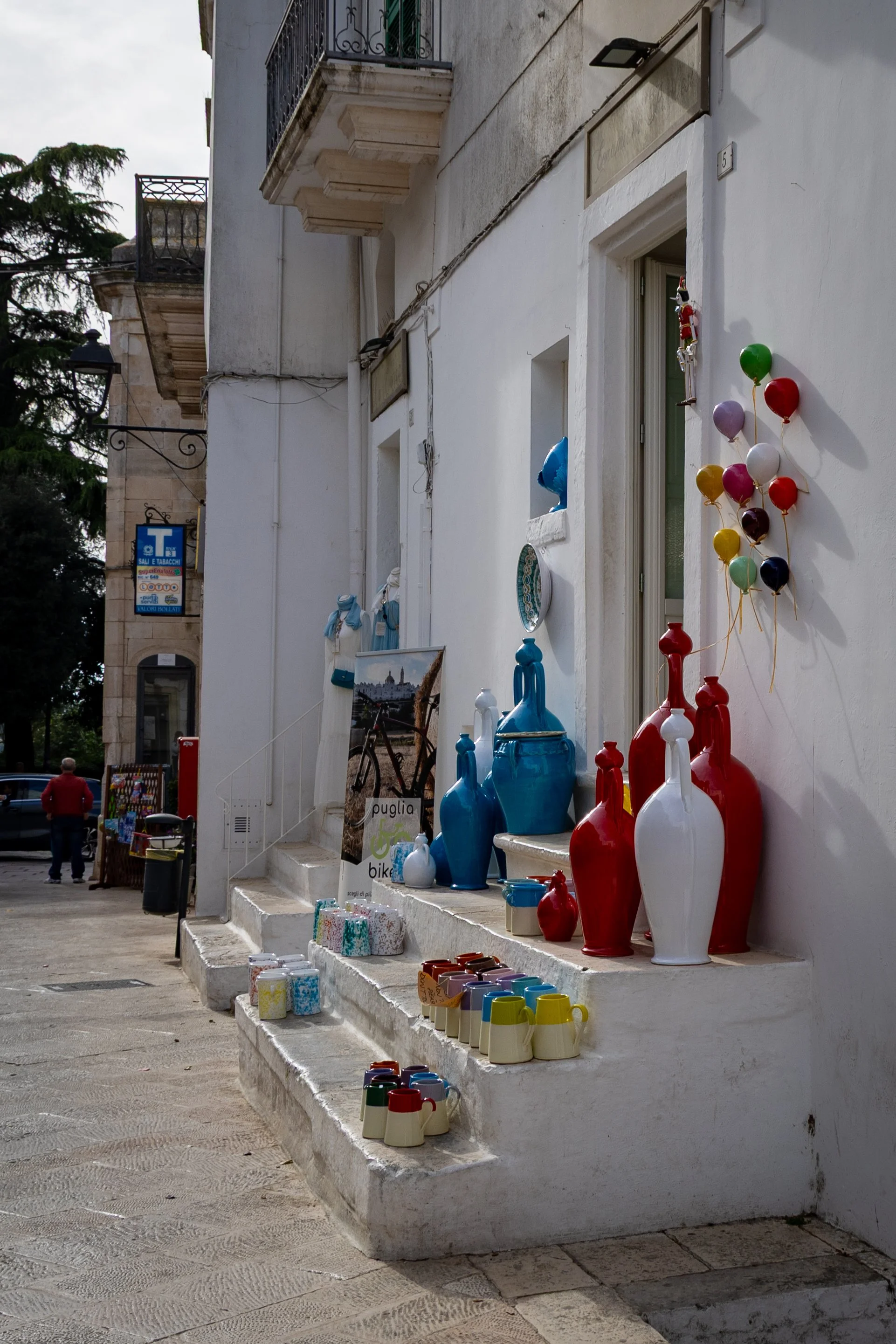
After enjoying the unique architecture, we split off again and Kristen and I took some time walking around the cute shops in the area. Ceramics are everywhere in Puglia, and one of the most common things you see are pumi. The pumo is a traditional ornament of the region, usually a stylized pomegranate shape, considered a symbol of good luck and prosperity.
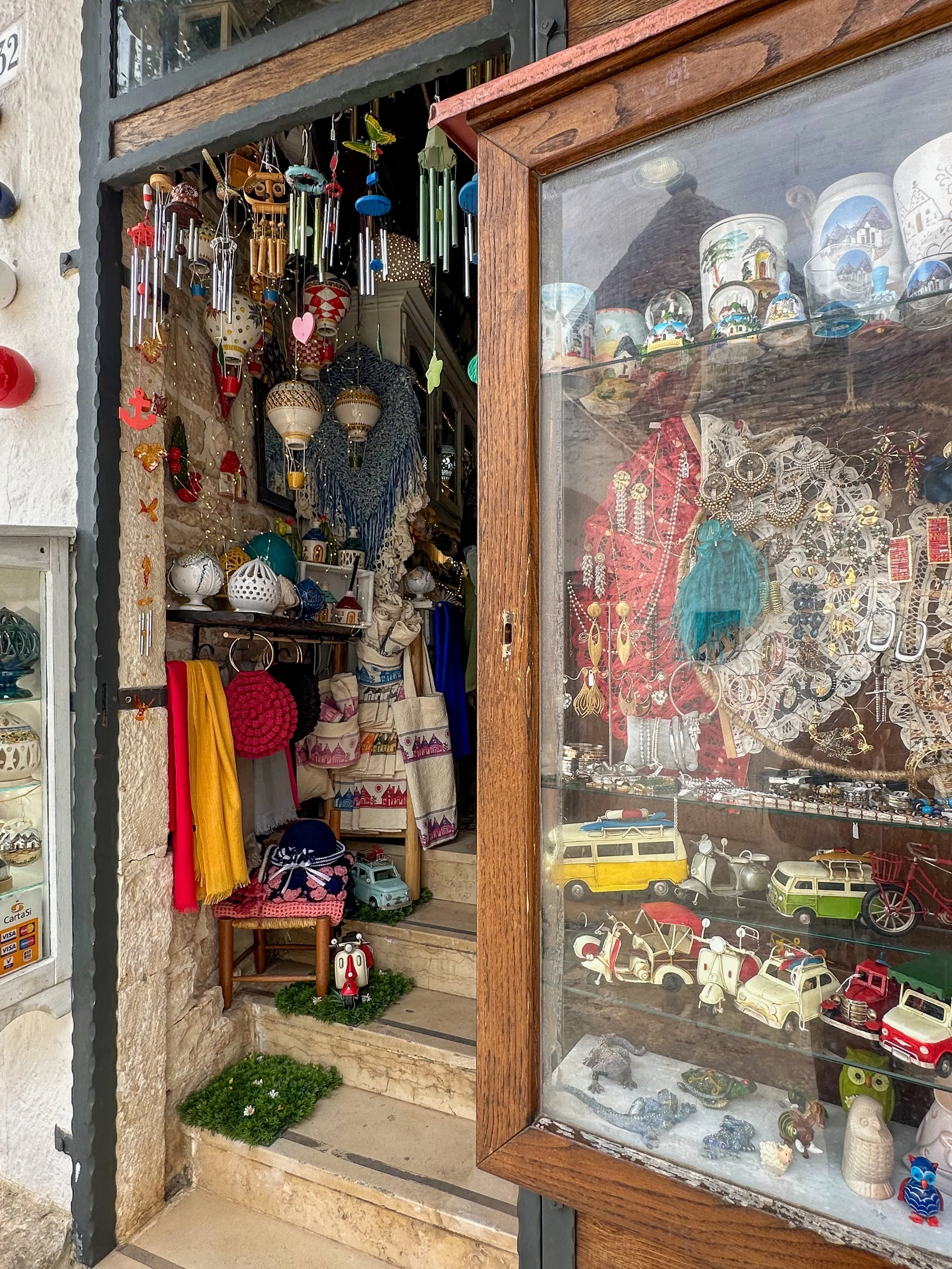
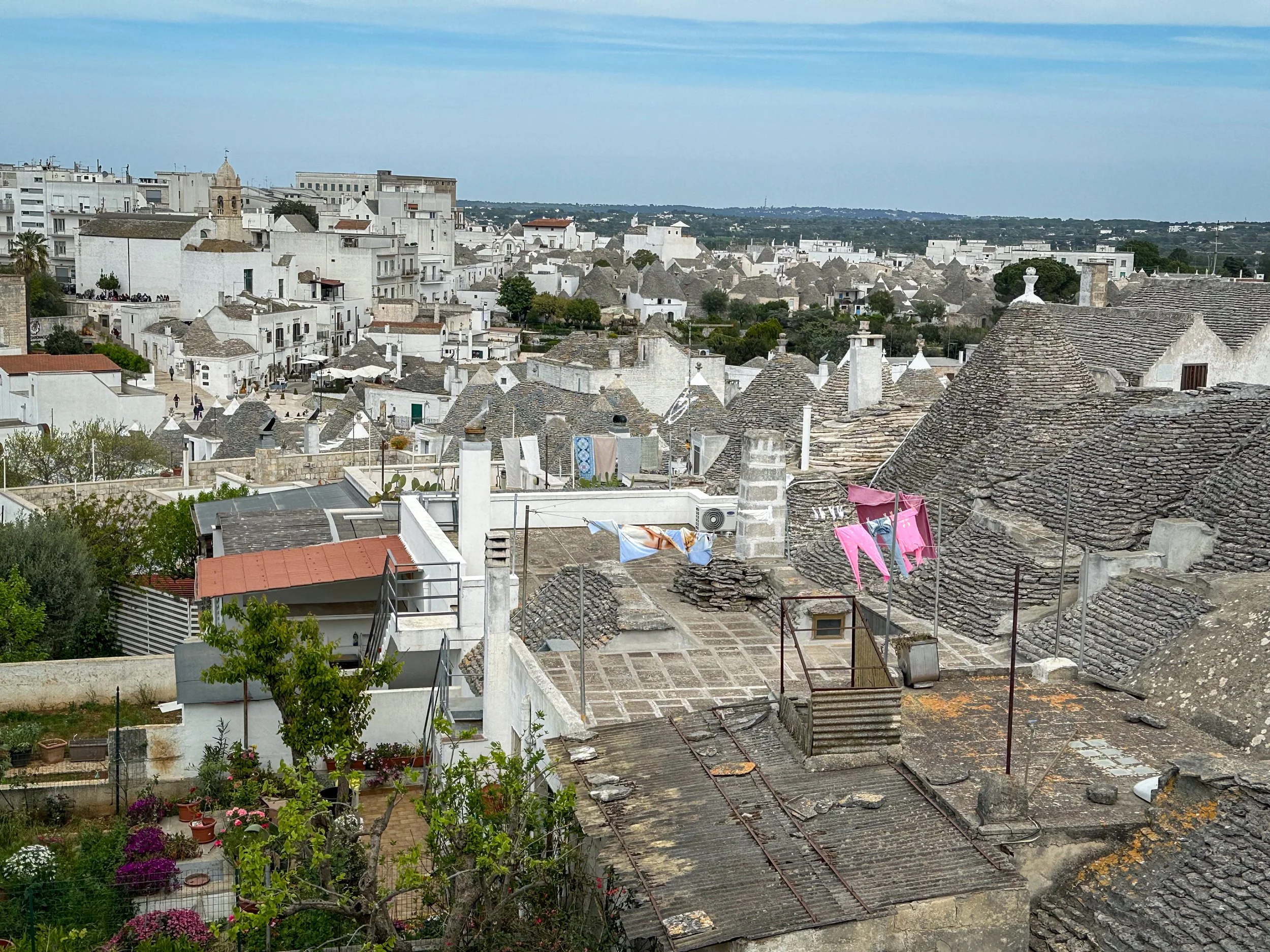
One store we stopped into had stairs to their rooftop so we went up to take in the view. I loved someone’s pink laundry blowing in the breeze!
As we were starting to walk back to the bus to meet the rest of the group, we met one shop owner who was an absolute masterful saleswoman. She managed to get us into her store, have us try multiple types of her homemade cream liquors, and walk out unexpectedly buying a whole bunch of stuff.
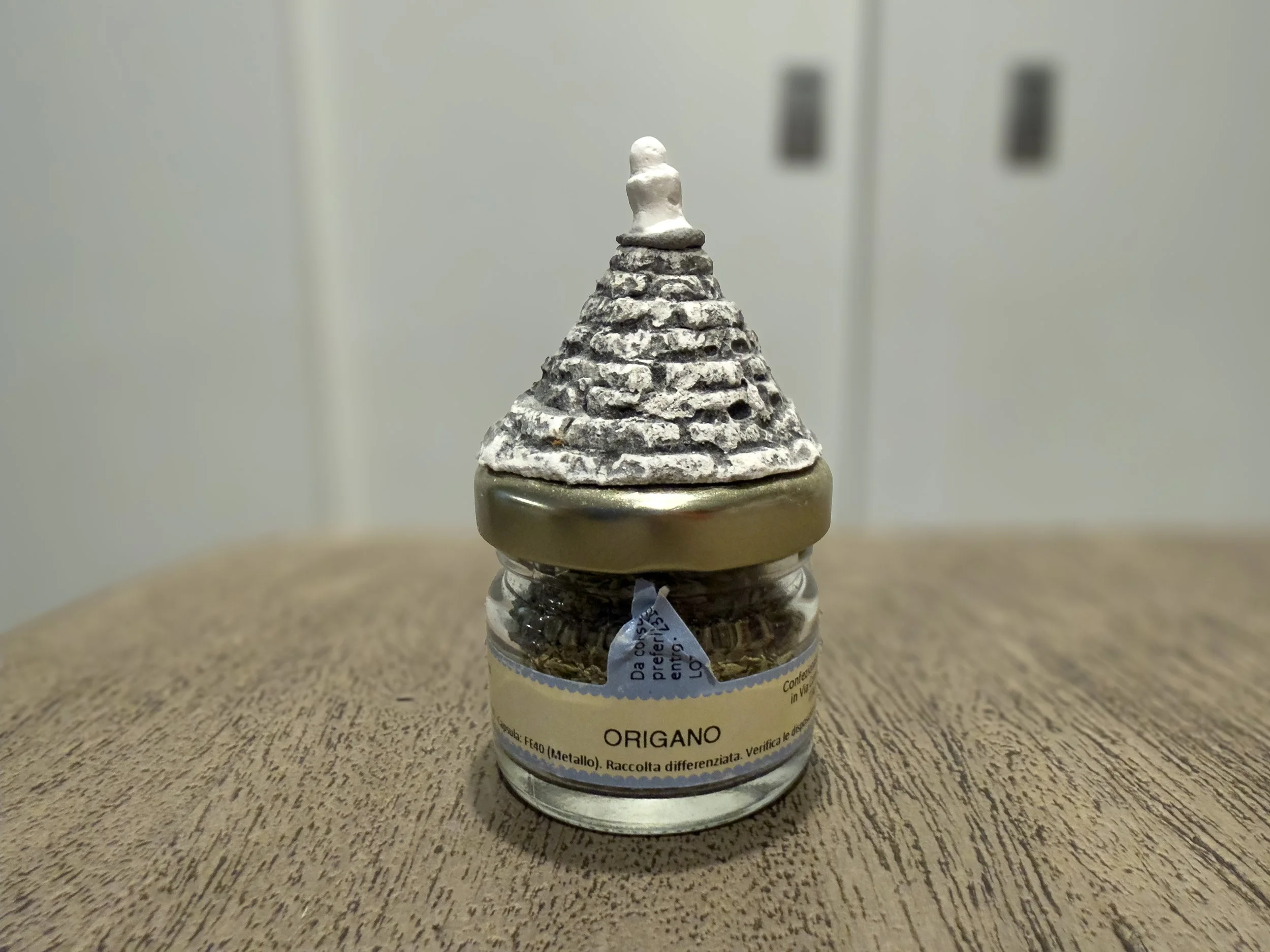
I got this cute little jar of oregano with a trulli roof lid, plus a bottle of almondcello. Kristen went to town buying gifts and multiple bottles of the liquors. To be fair, they were delicious!
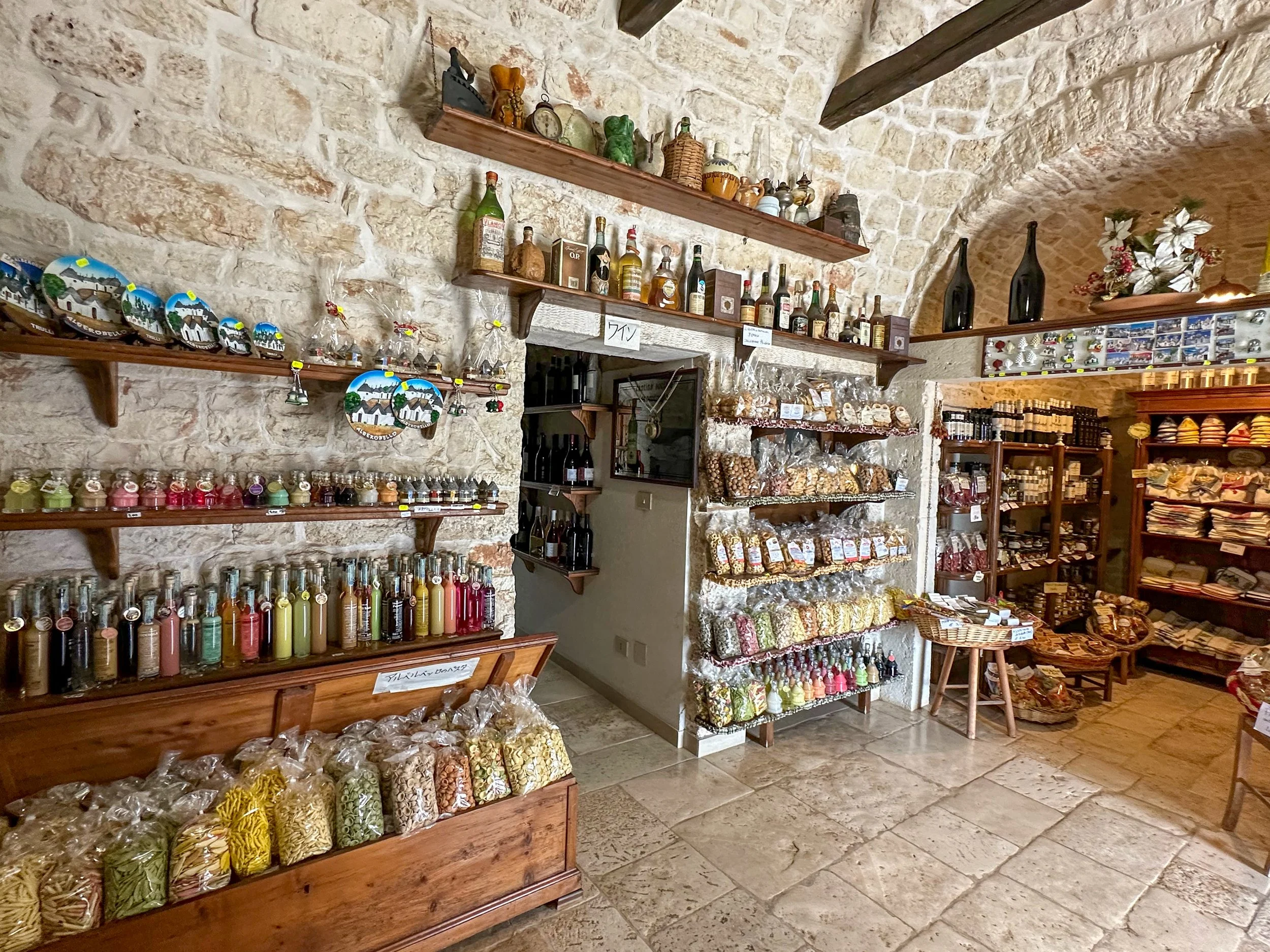
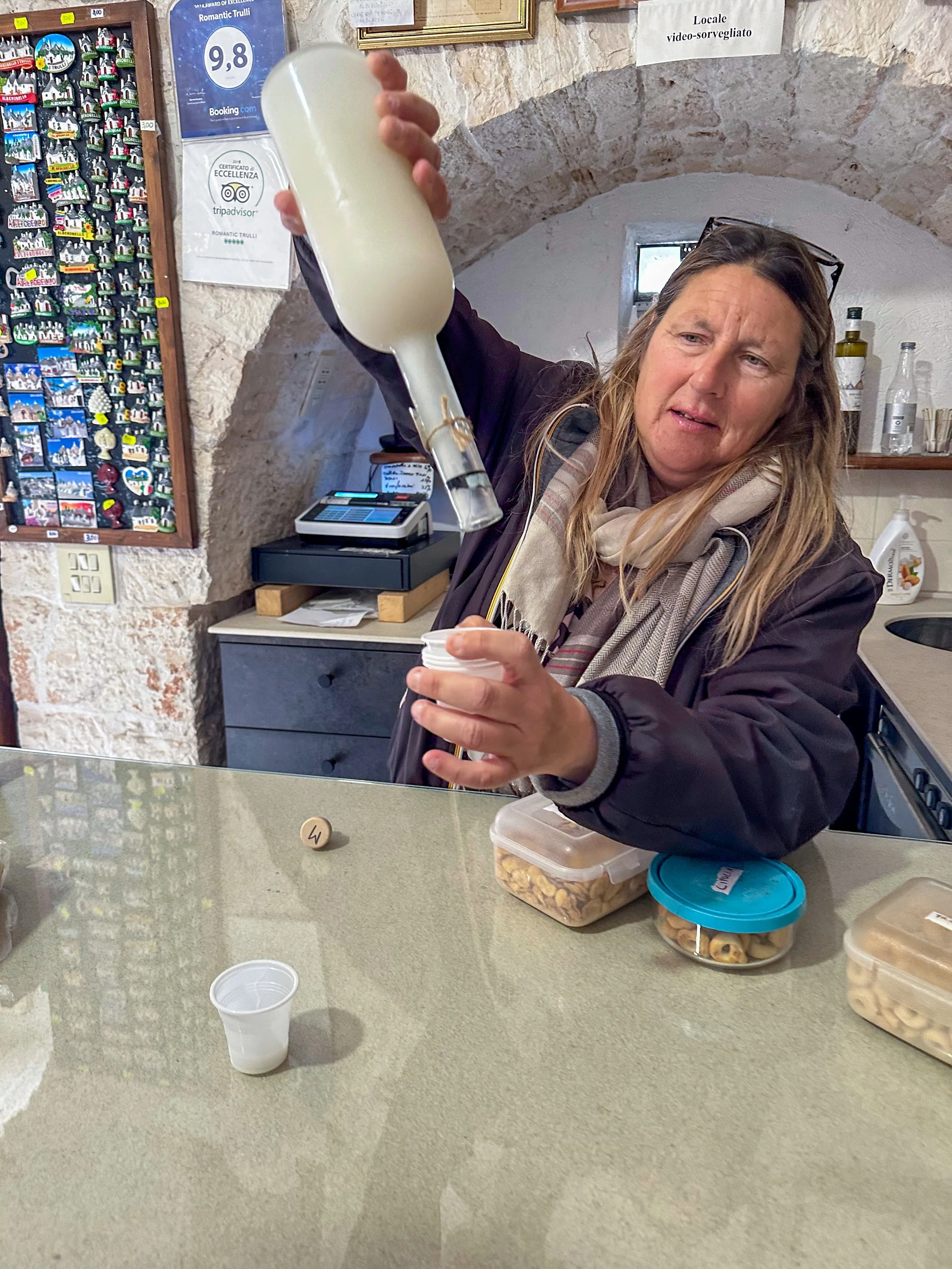
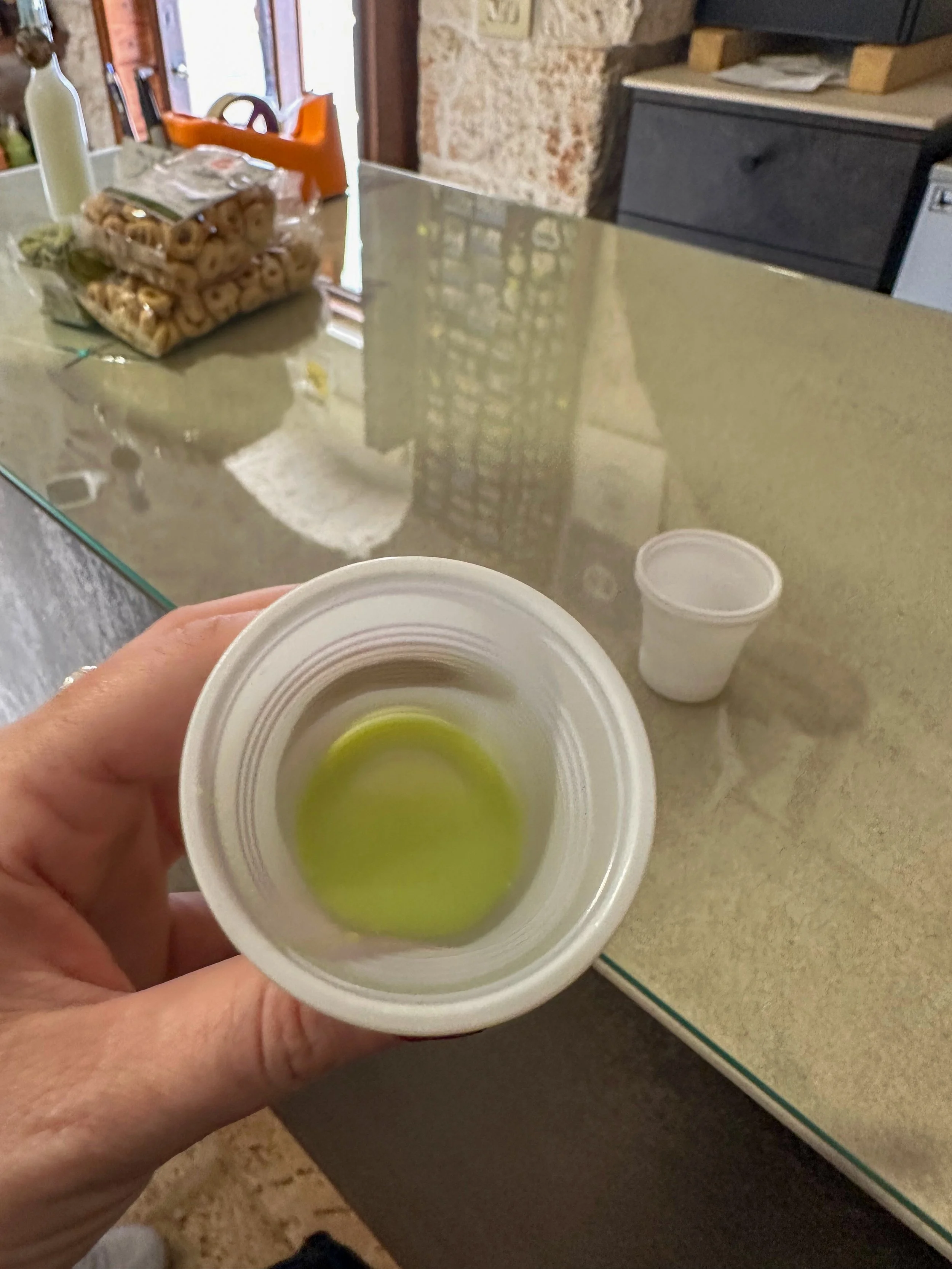
Slightly tipsy at this point, we finally made our way back to the bus, catching each other up on our days and comparing purchases.
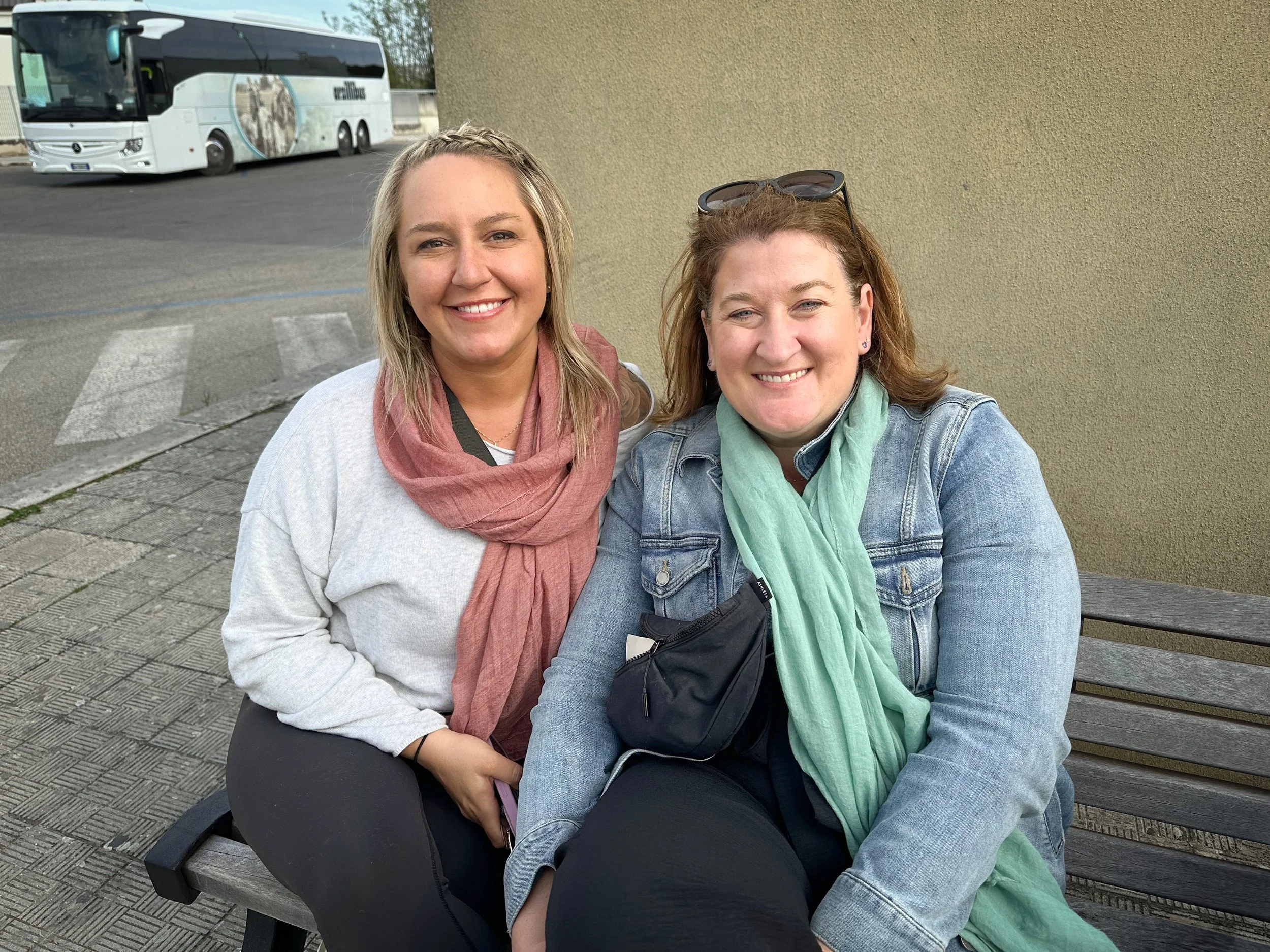
Shannon and Melissa and their new Alberobello scarves
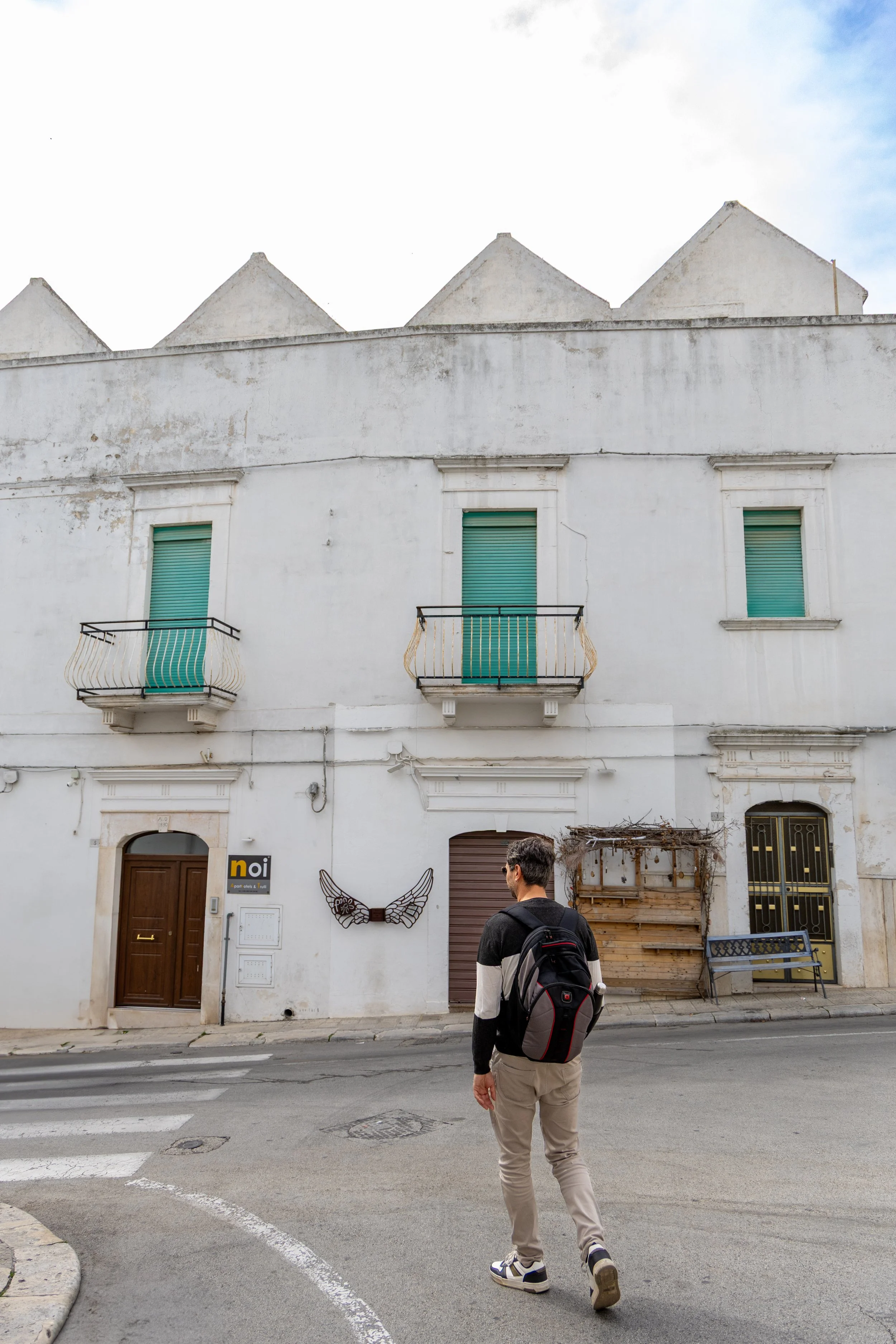
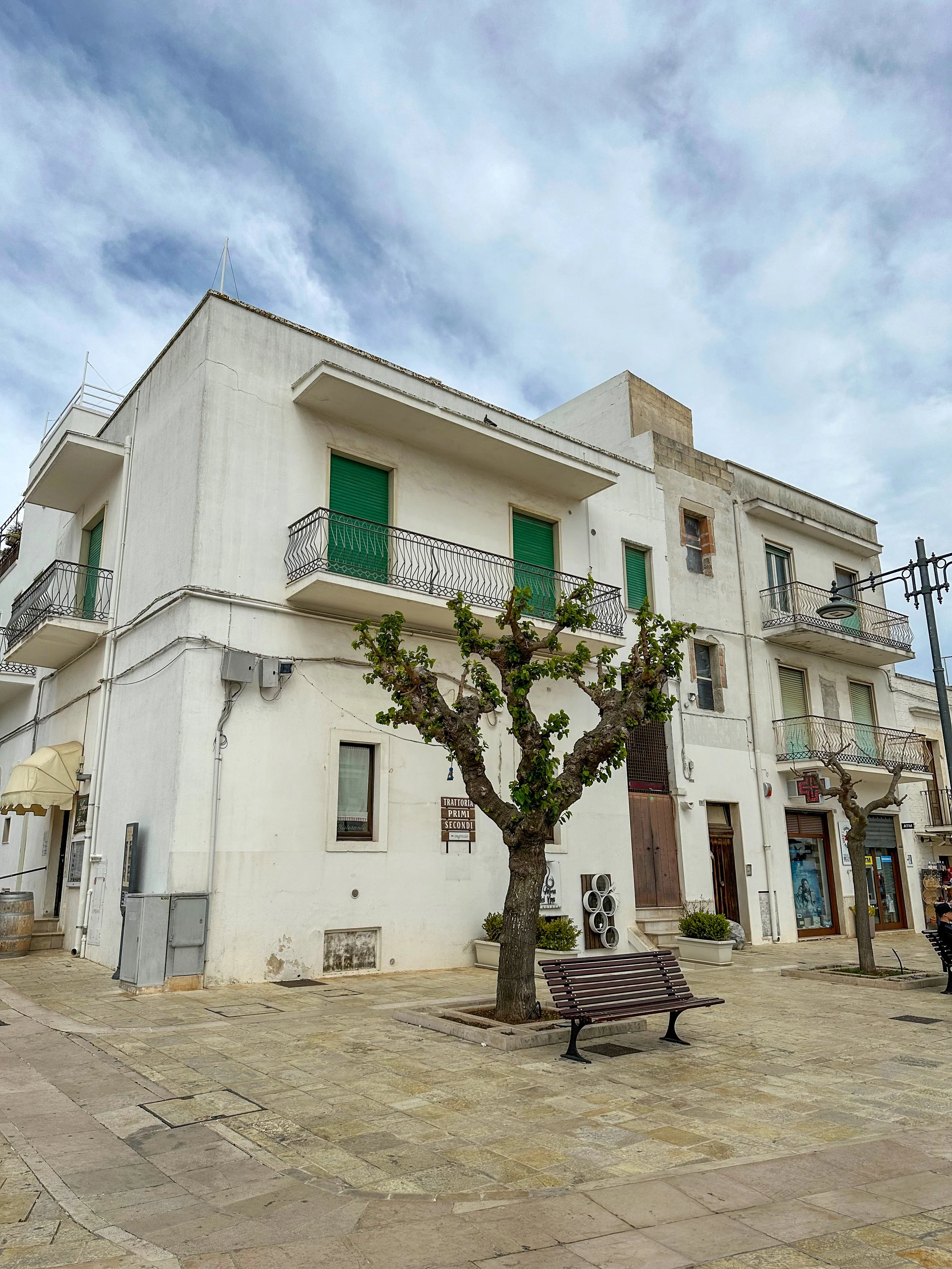
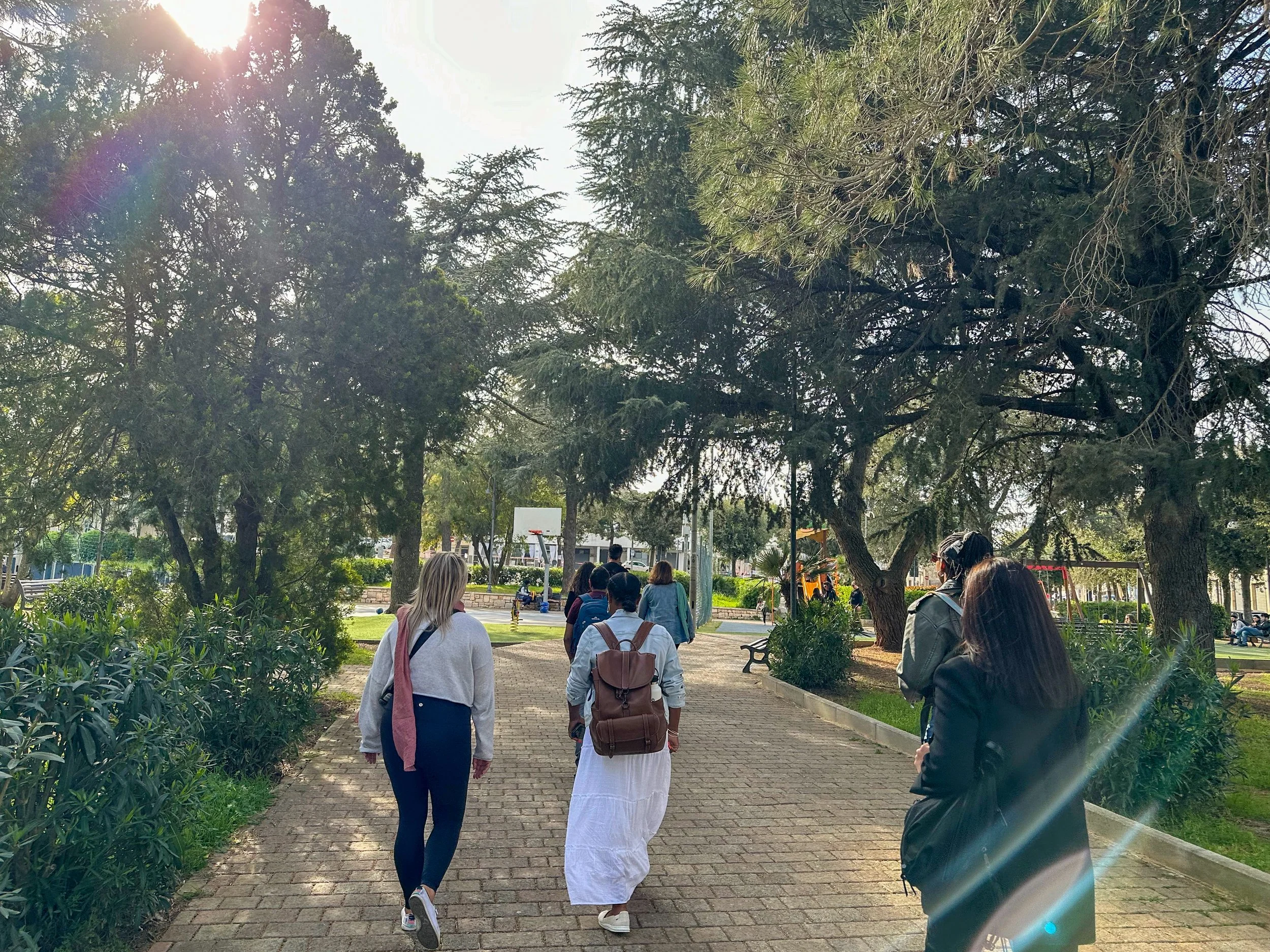
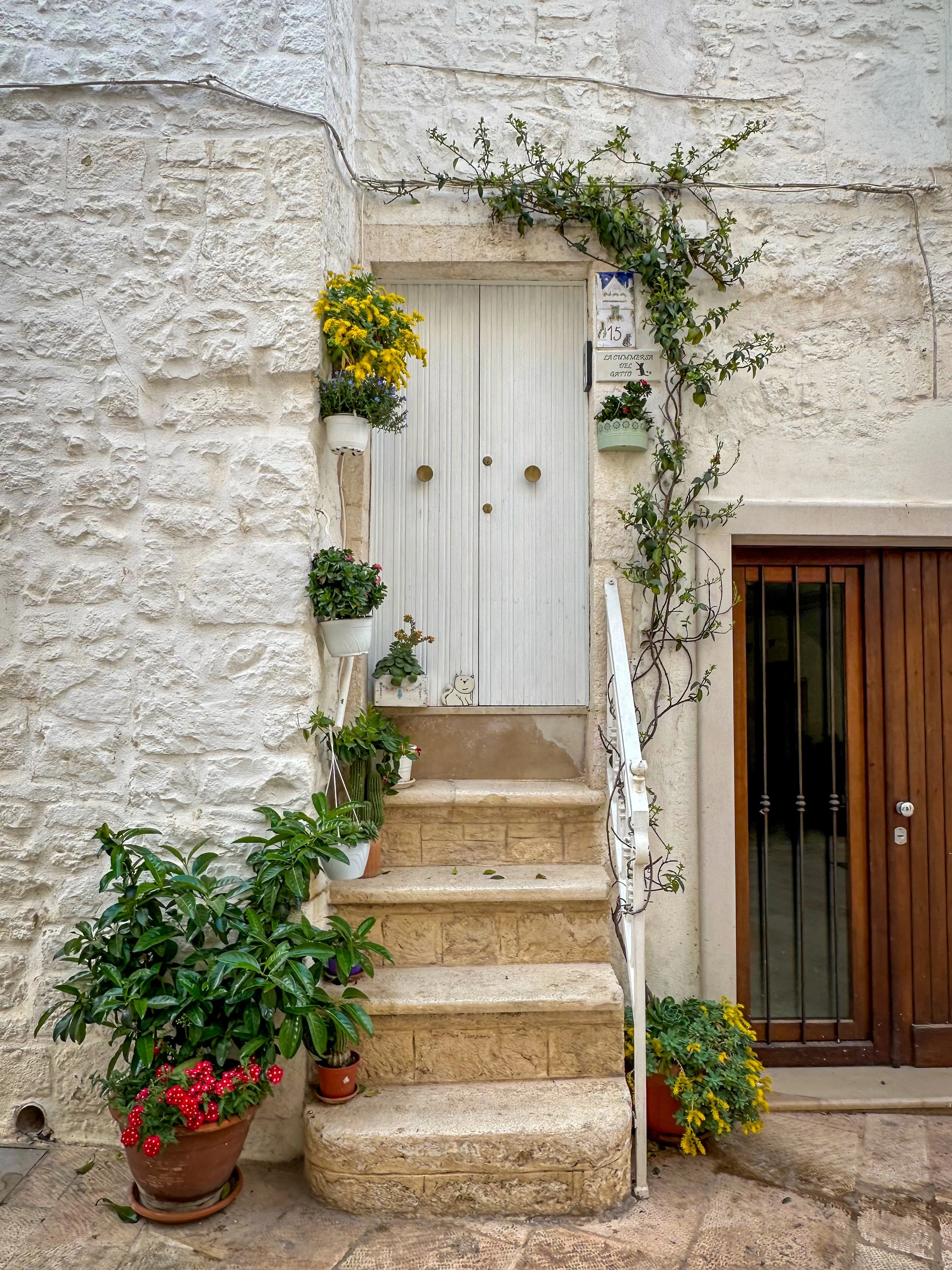
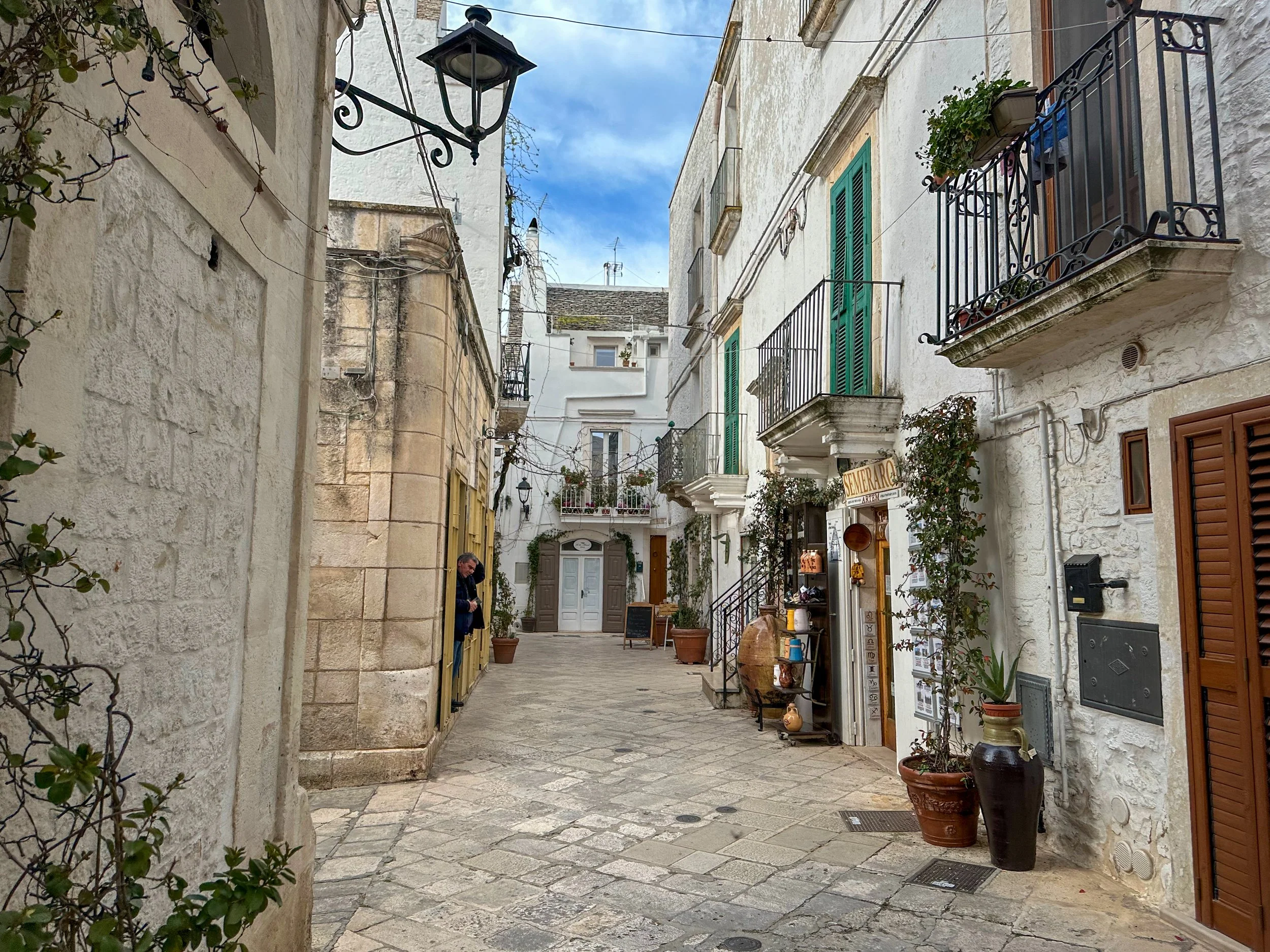
The next stop was the town of Locorontondo, an Apulian village known for its local wines. We didn’t really have an agenda here, though it was a picturesque little town to walk around, full of charm around every corner.
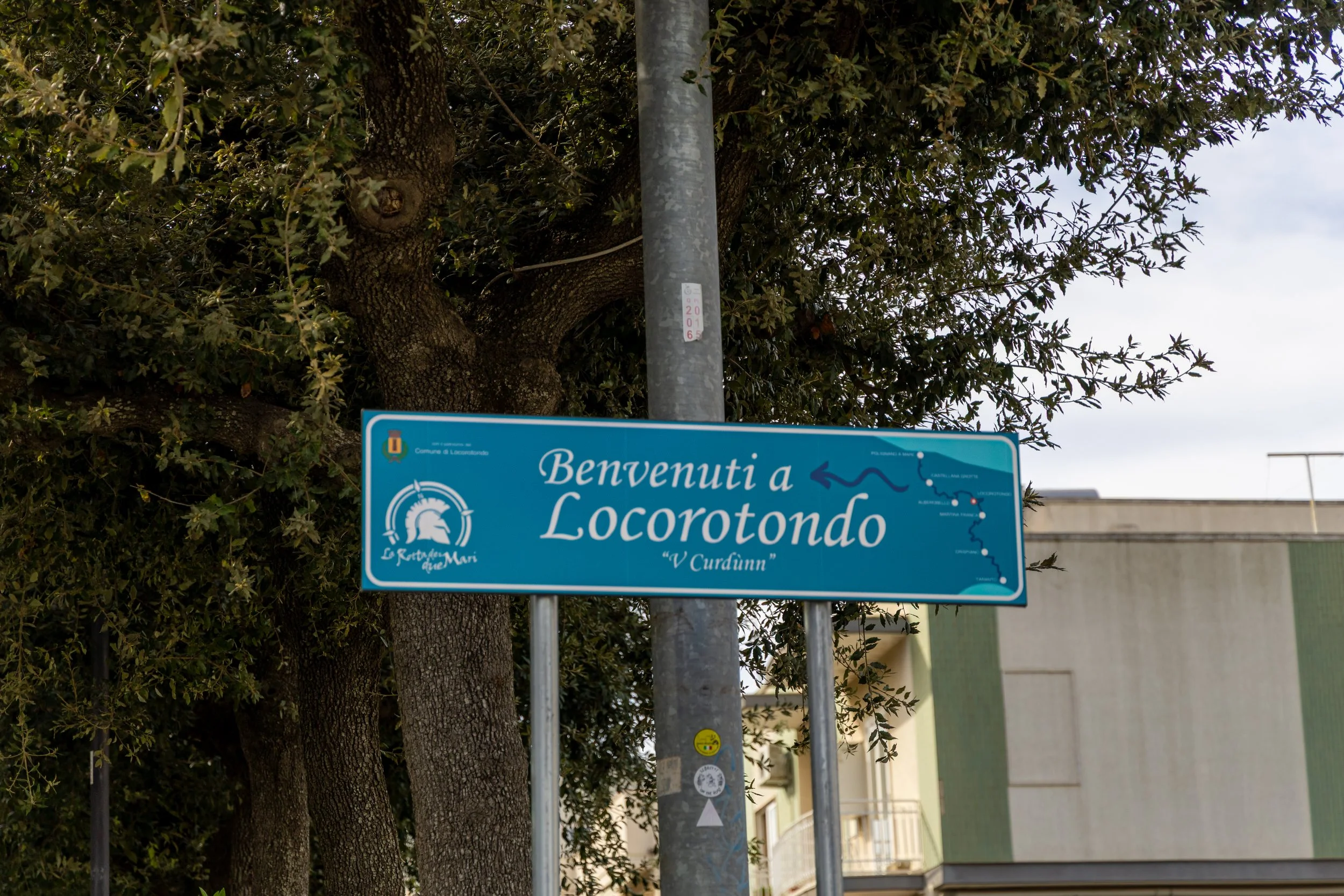
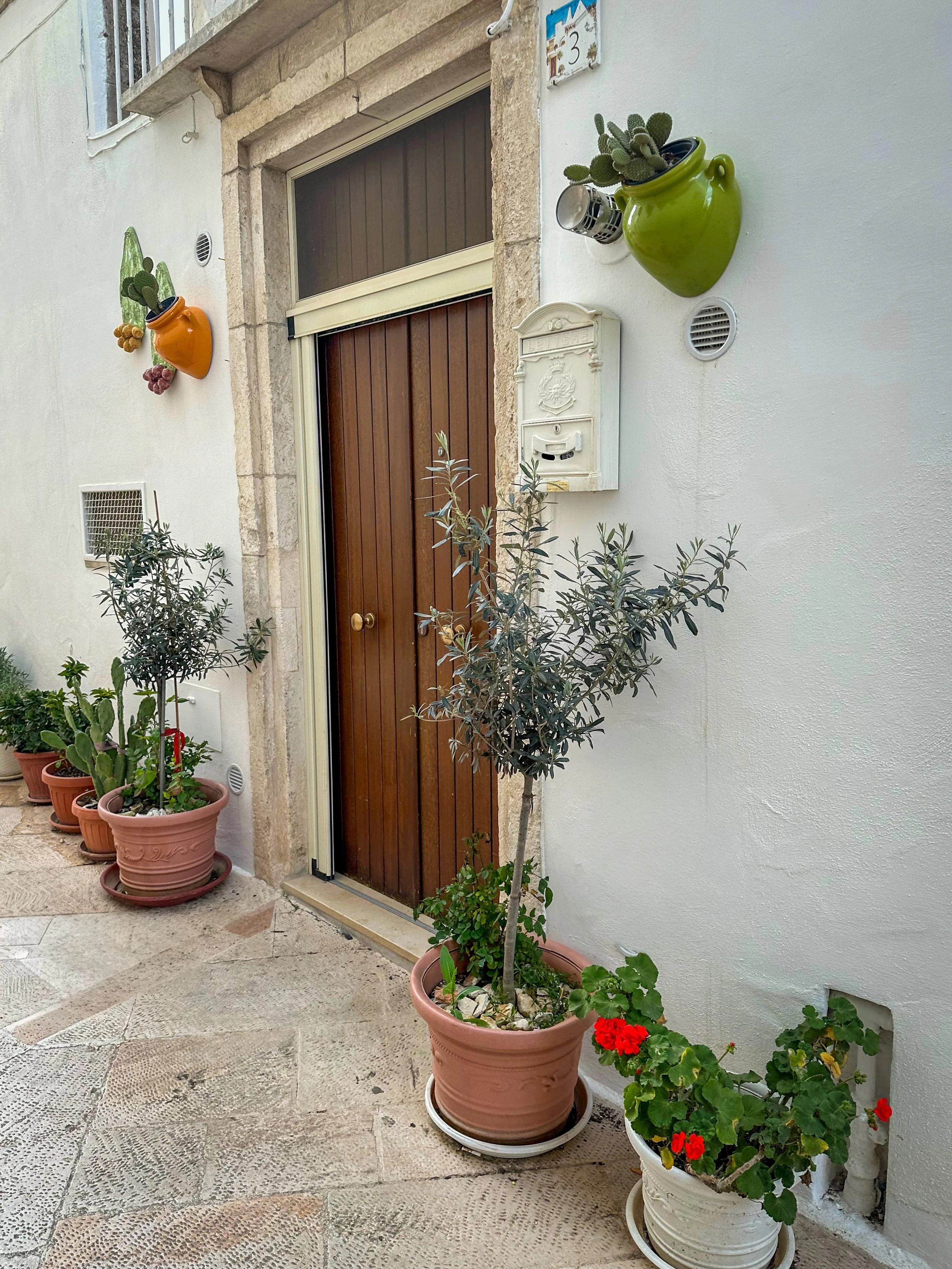
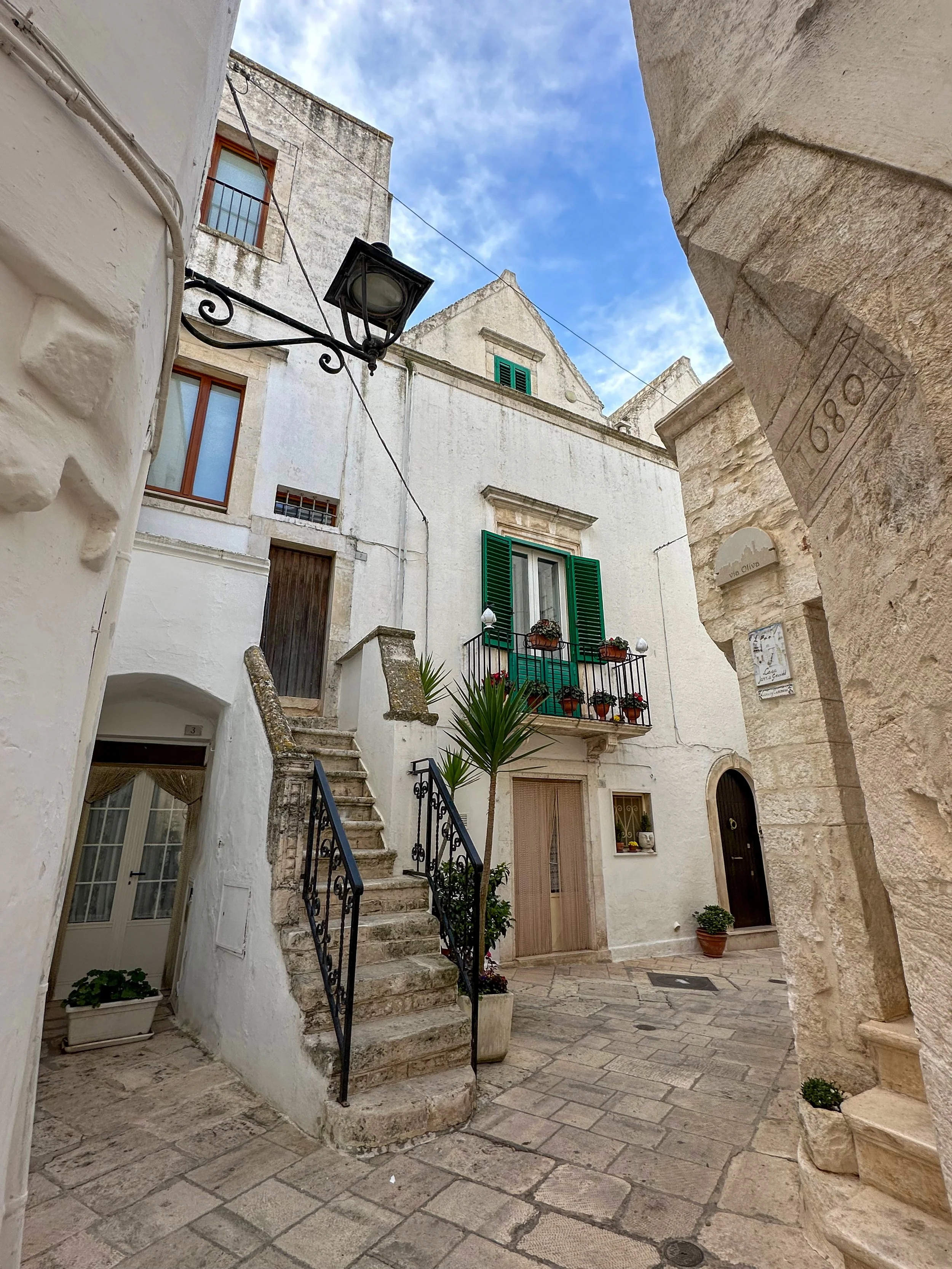
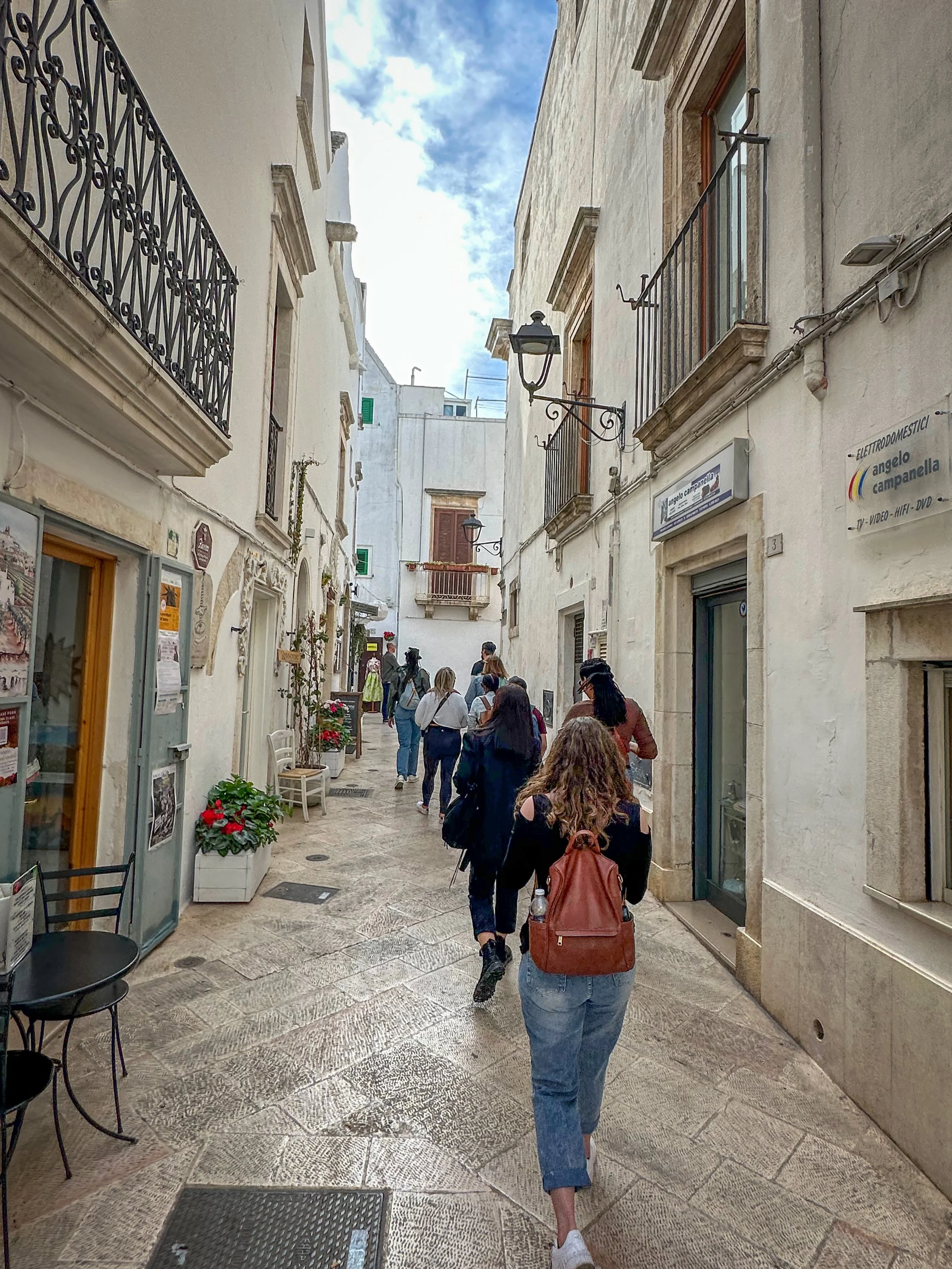
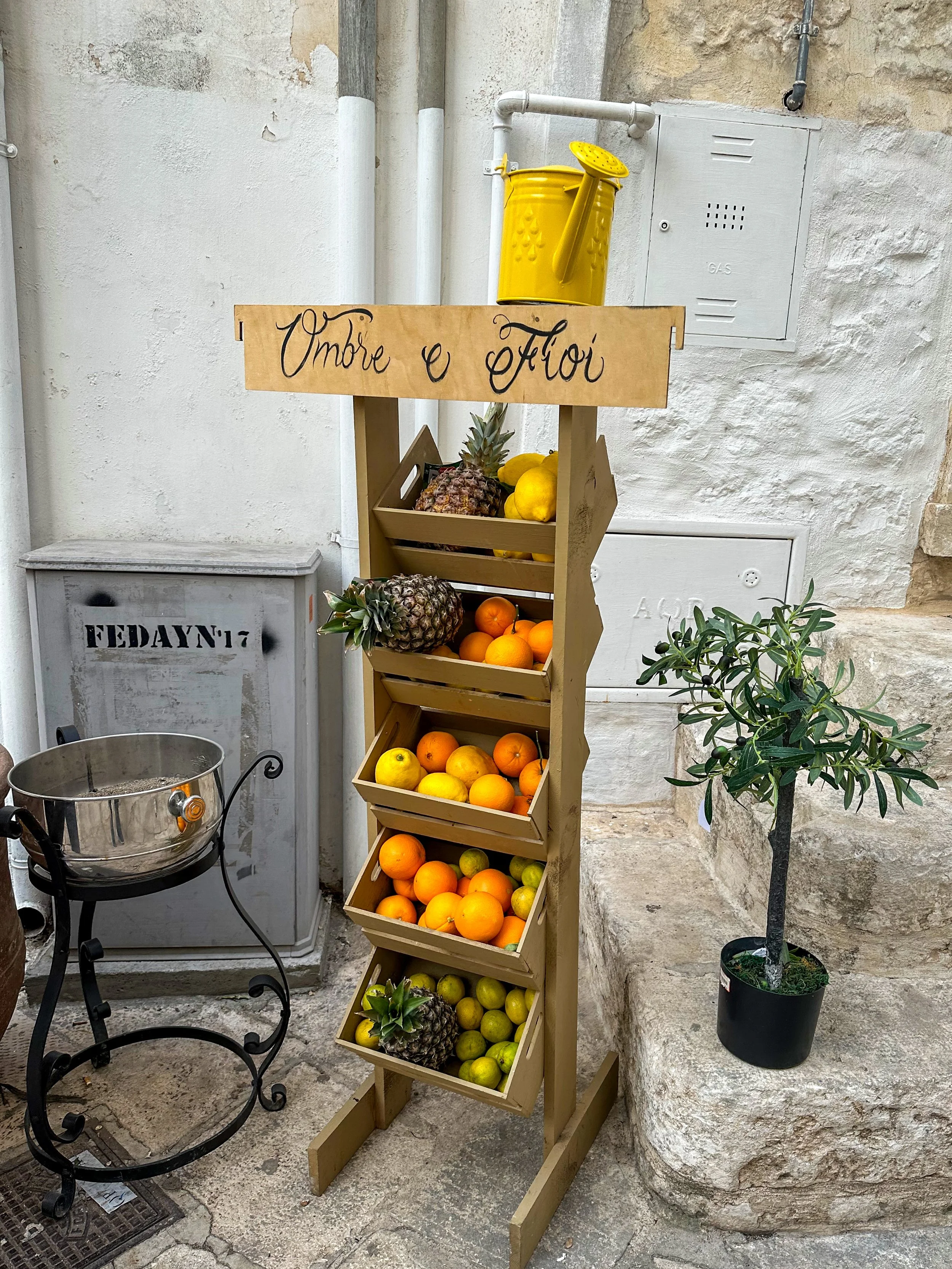
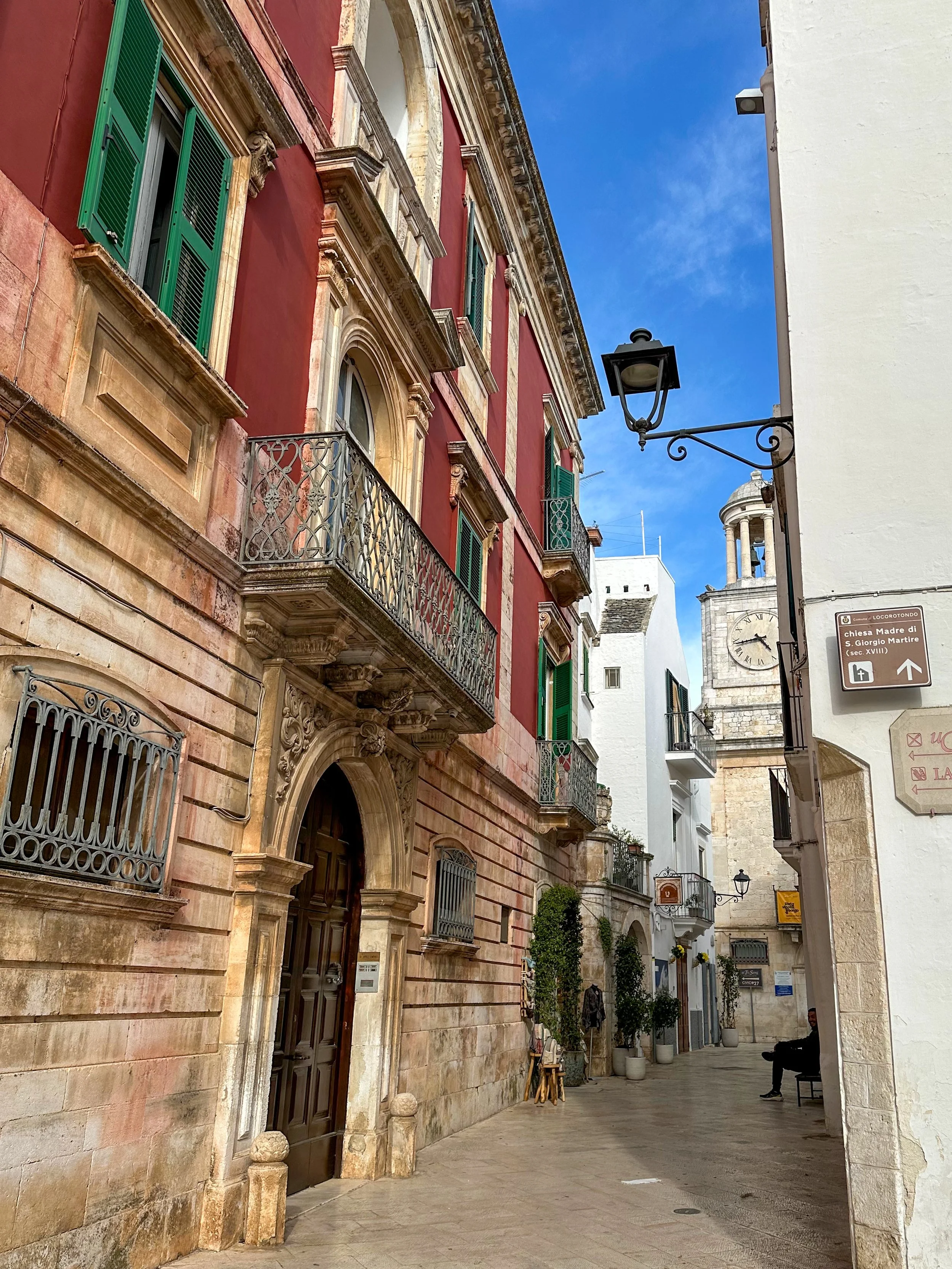
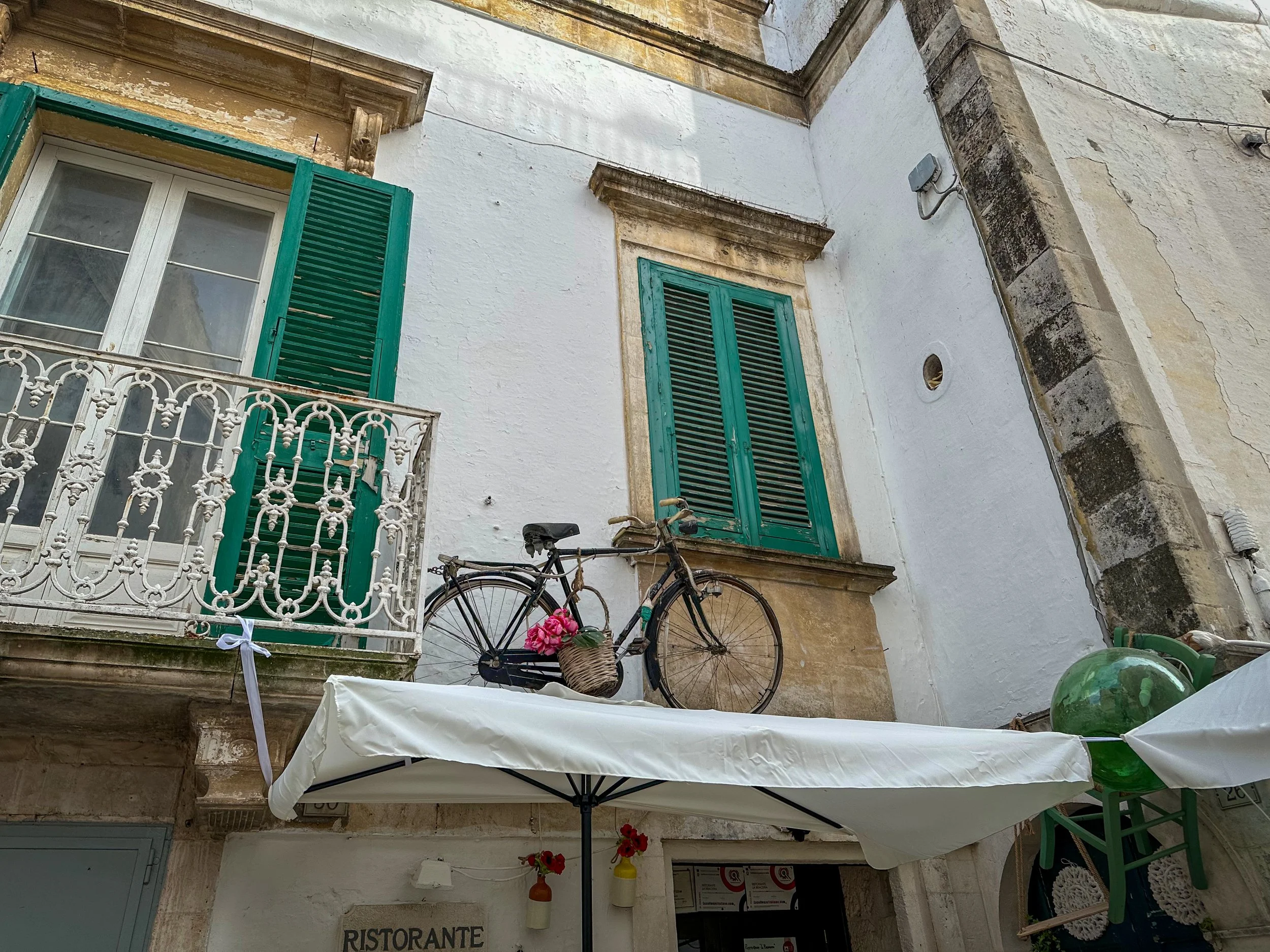
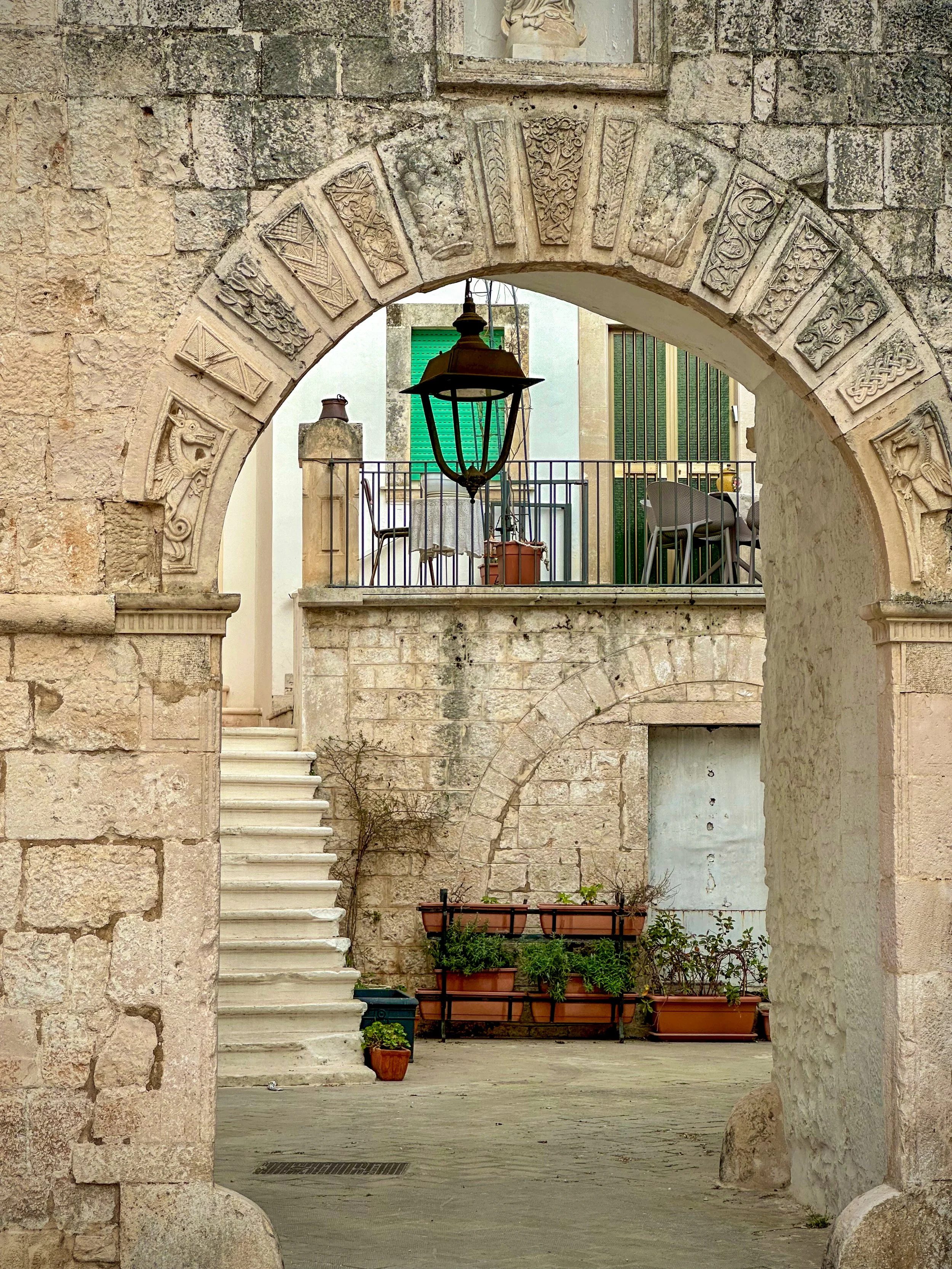
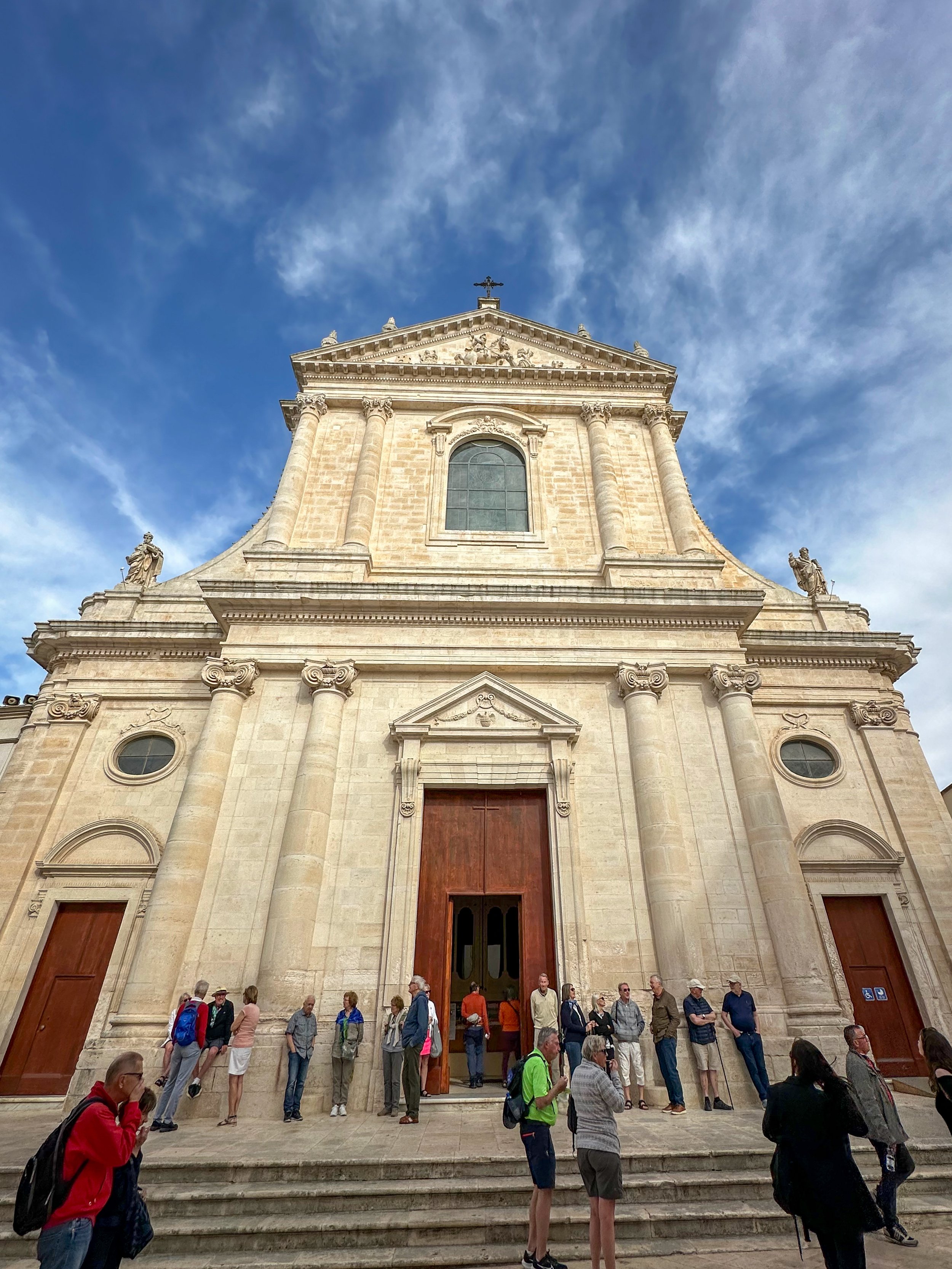
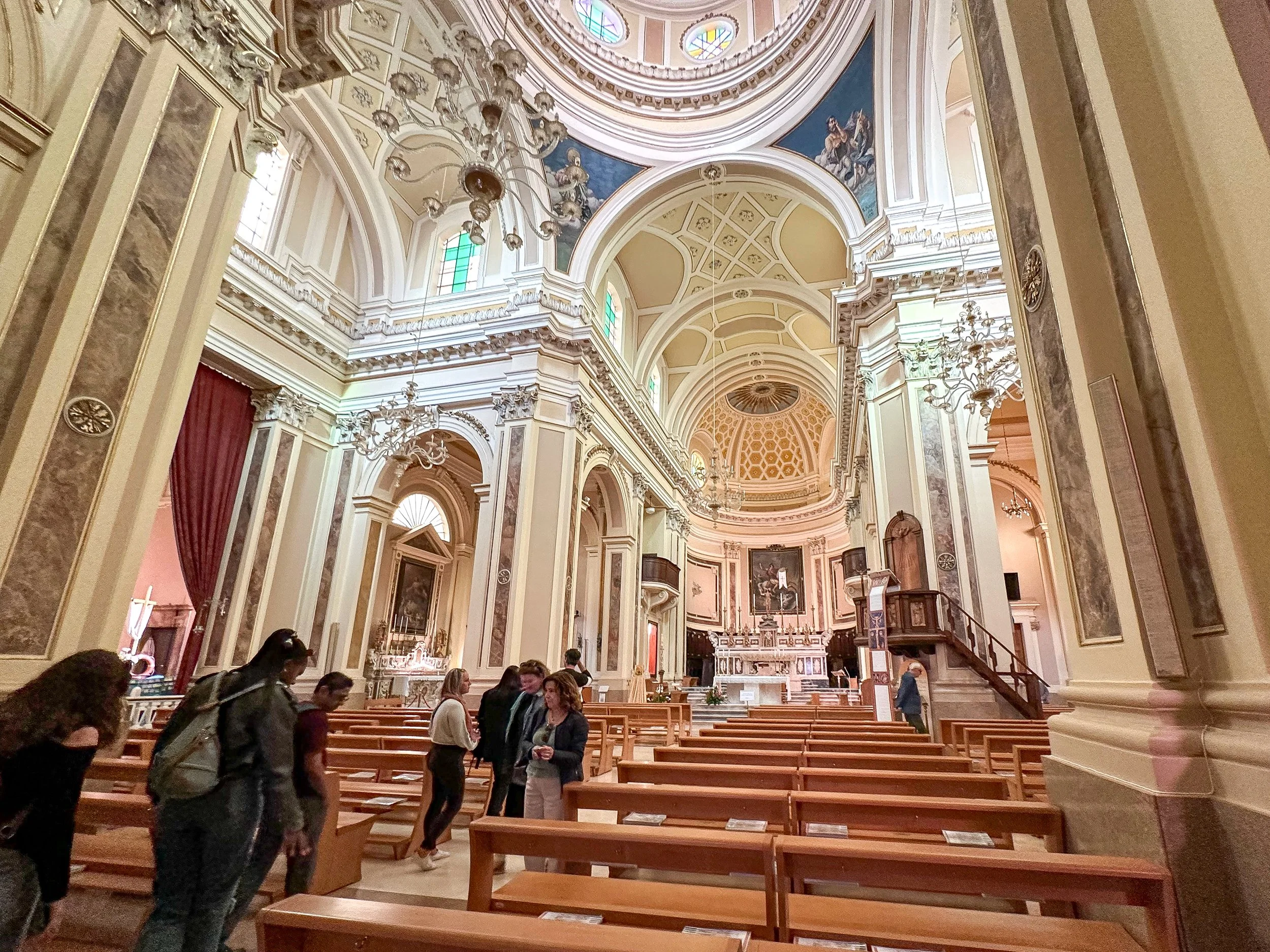
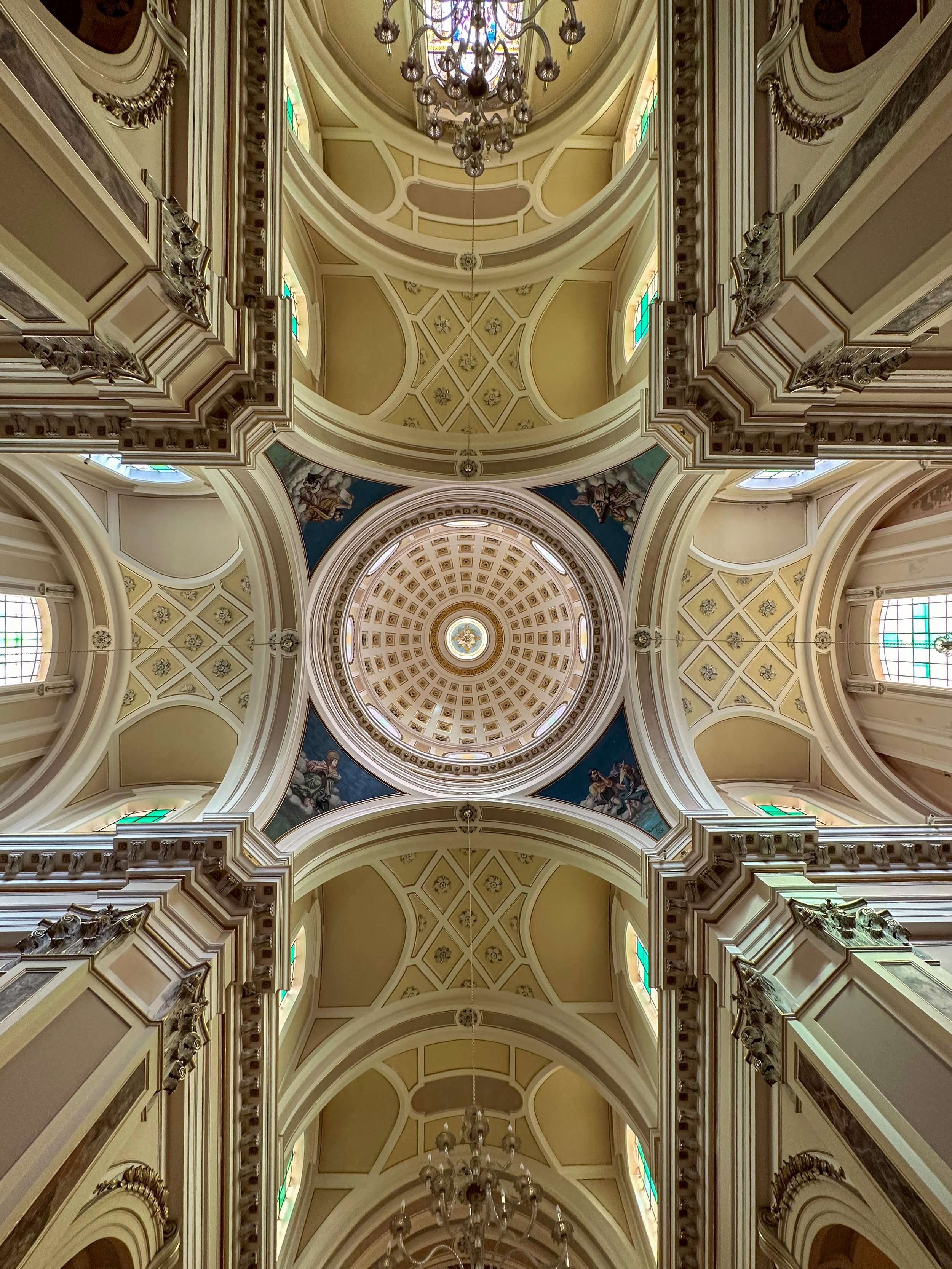
In the town, we stopped into the Chiesa Madre di San Giorgio Martire, built at the end of the 1700s and forming the center of the circular town. (Locorotondo means "round place.”)
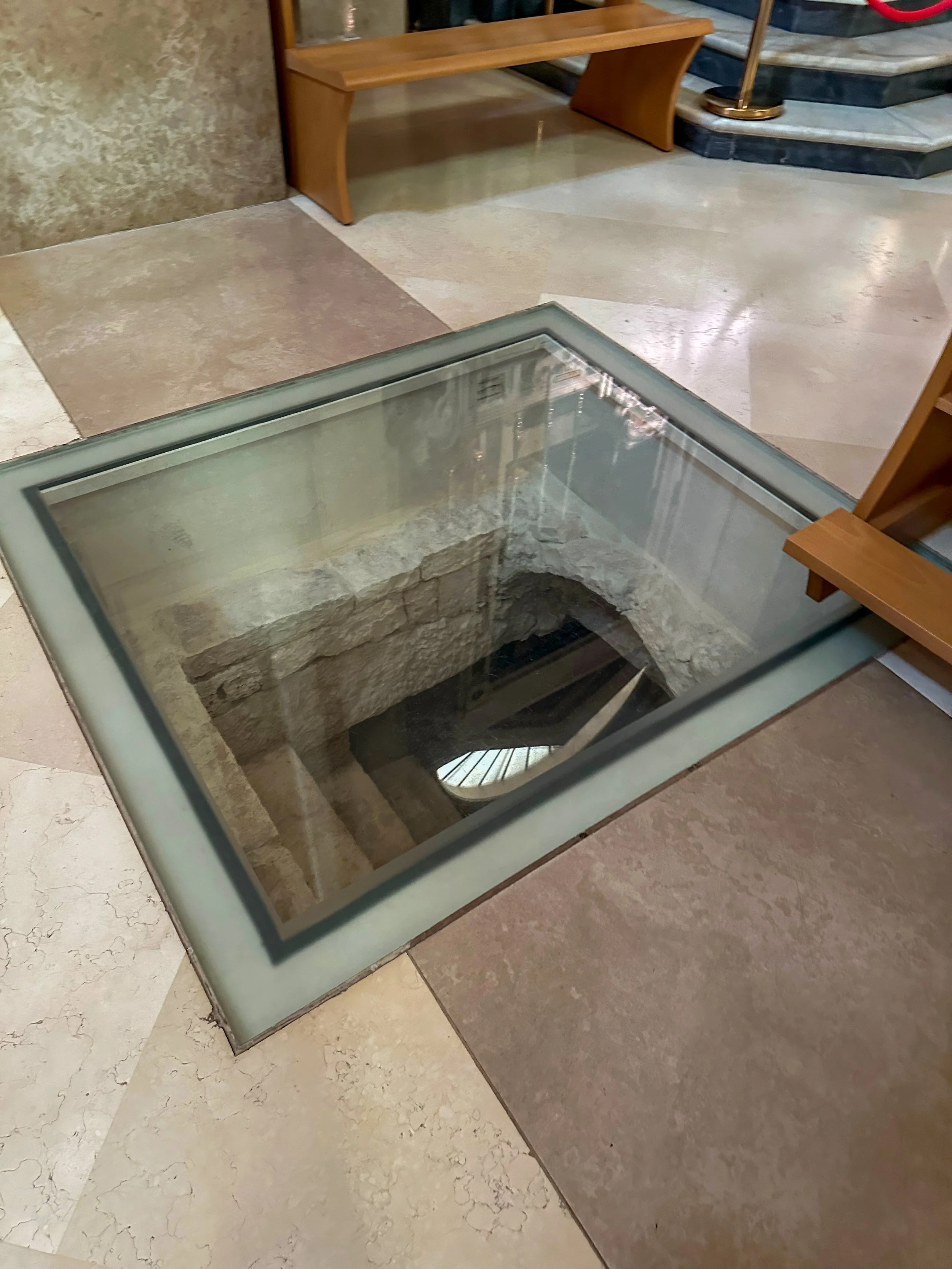
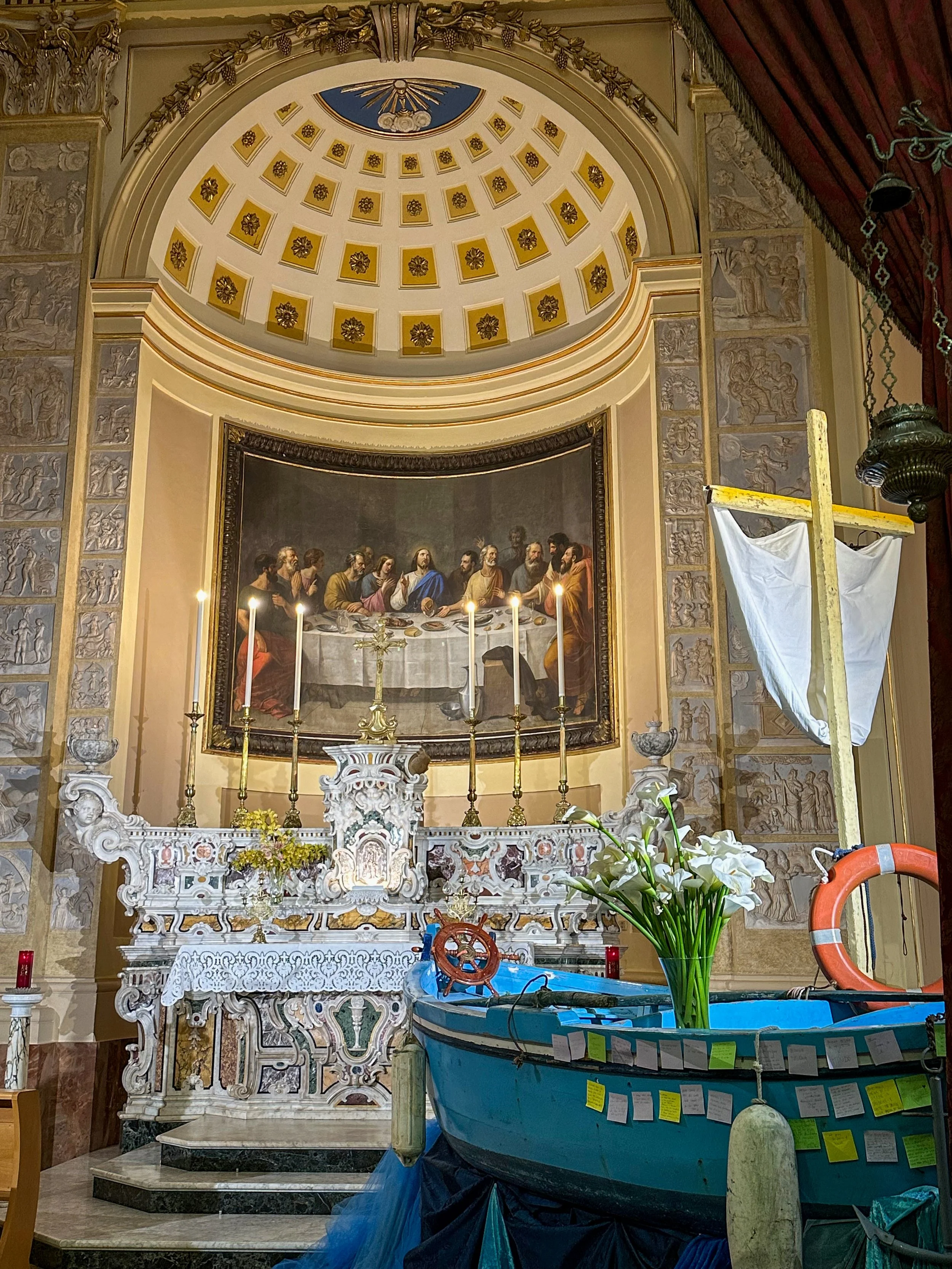
The glass in the floor shows the opening to the crypt of the church. And the boat in front of the altar is a votive boat, a Catholic coastal community tradition where model boats are offered to saints as thanks for protection at sea. Very appropriate for southern Italy.
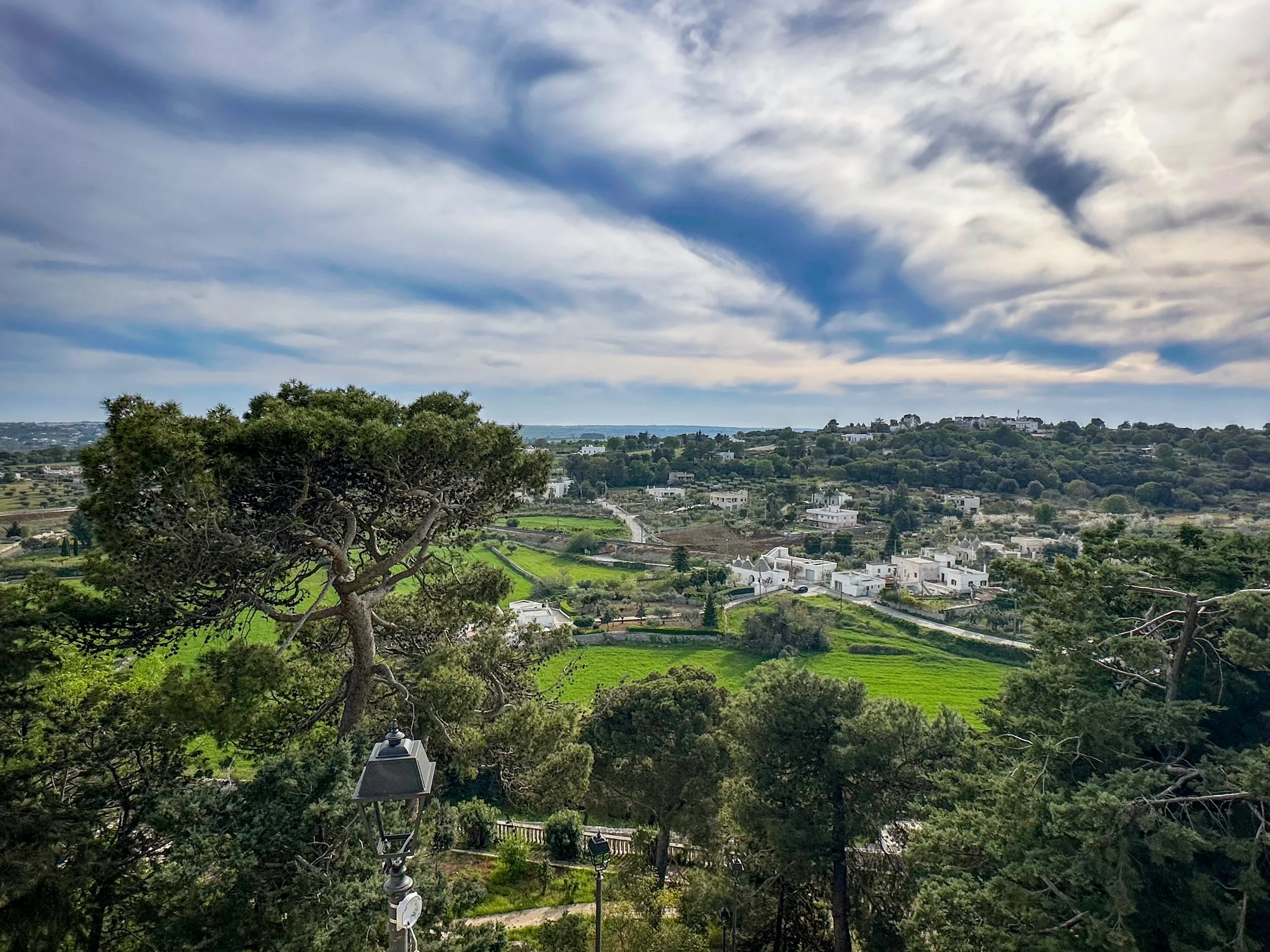
After walking around the town a bit, we made our way to a viewpoint to take in the beautiful Valle d'Itria. You can see some trulli in the background!
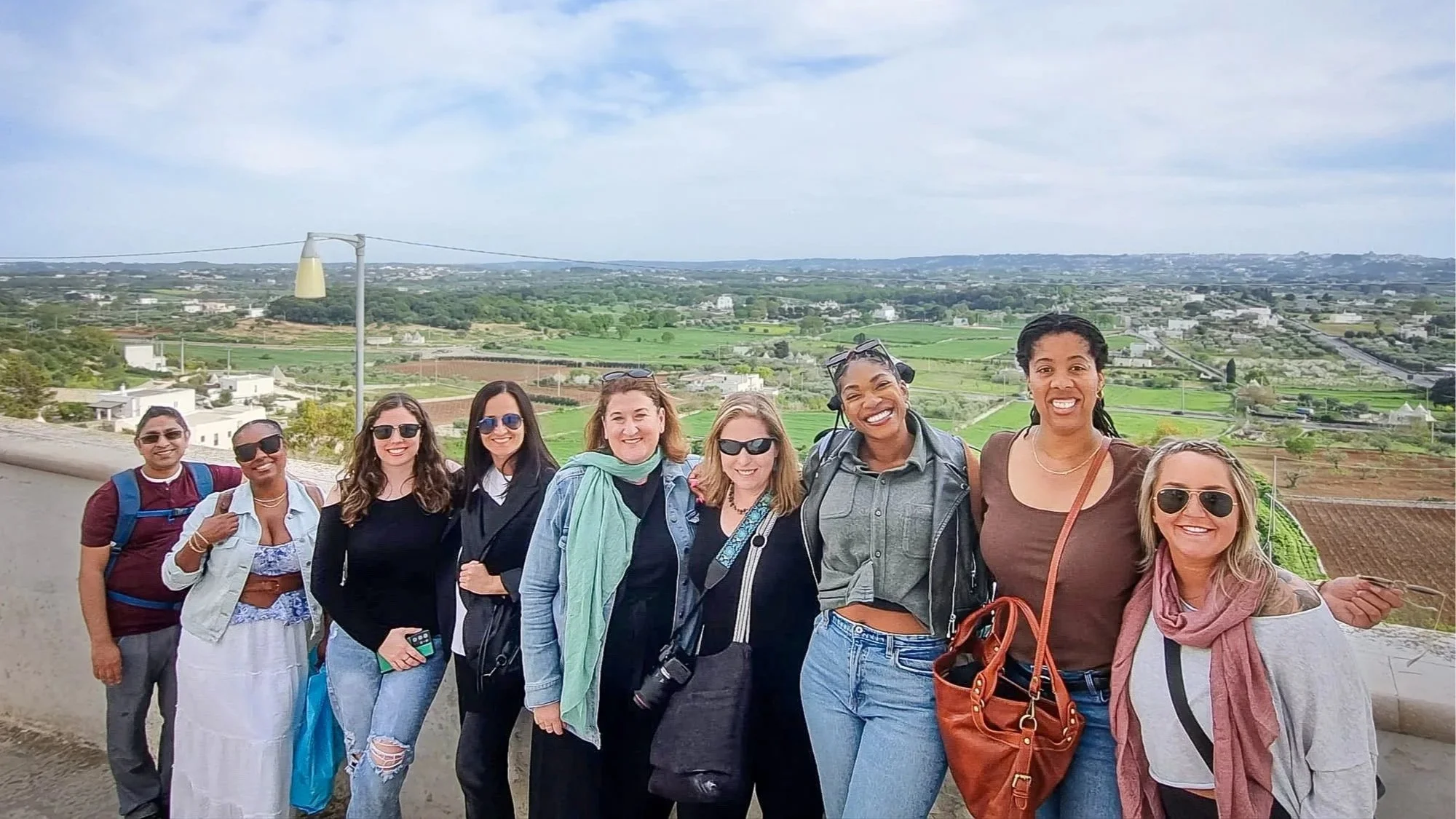
Leaving Locorontondo, we wrapped up the day with a visit to a local home for a hands-on workshop in the kitchen and a home-cooked hearty meal. Before we made it to her house, we joined our hosts on a tour of a couple of local markets and specialty shops to get the ingredients we’d need for dinner.
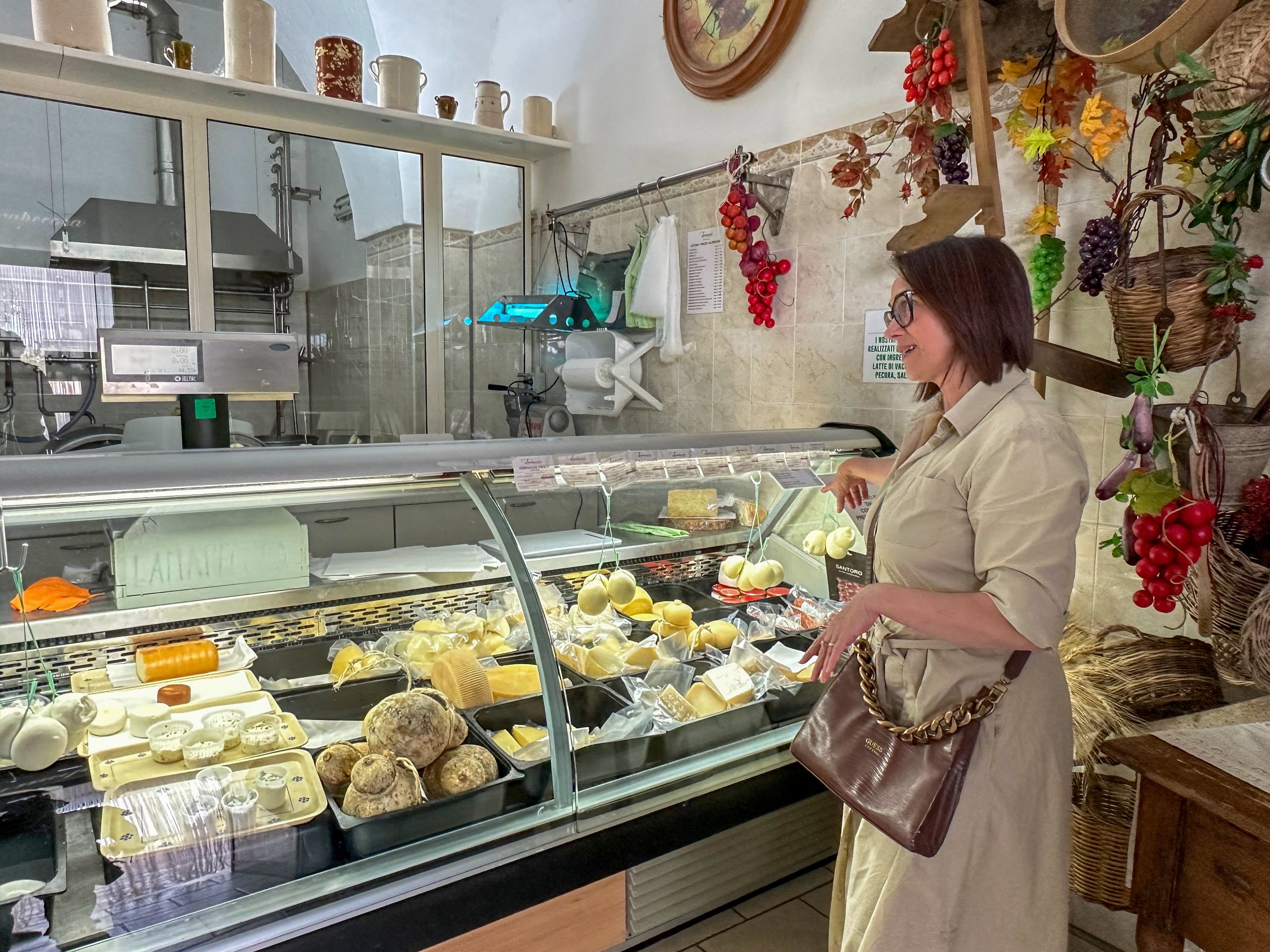
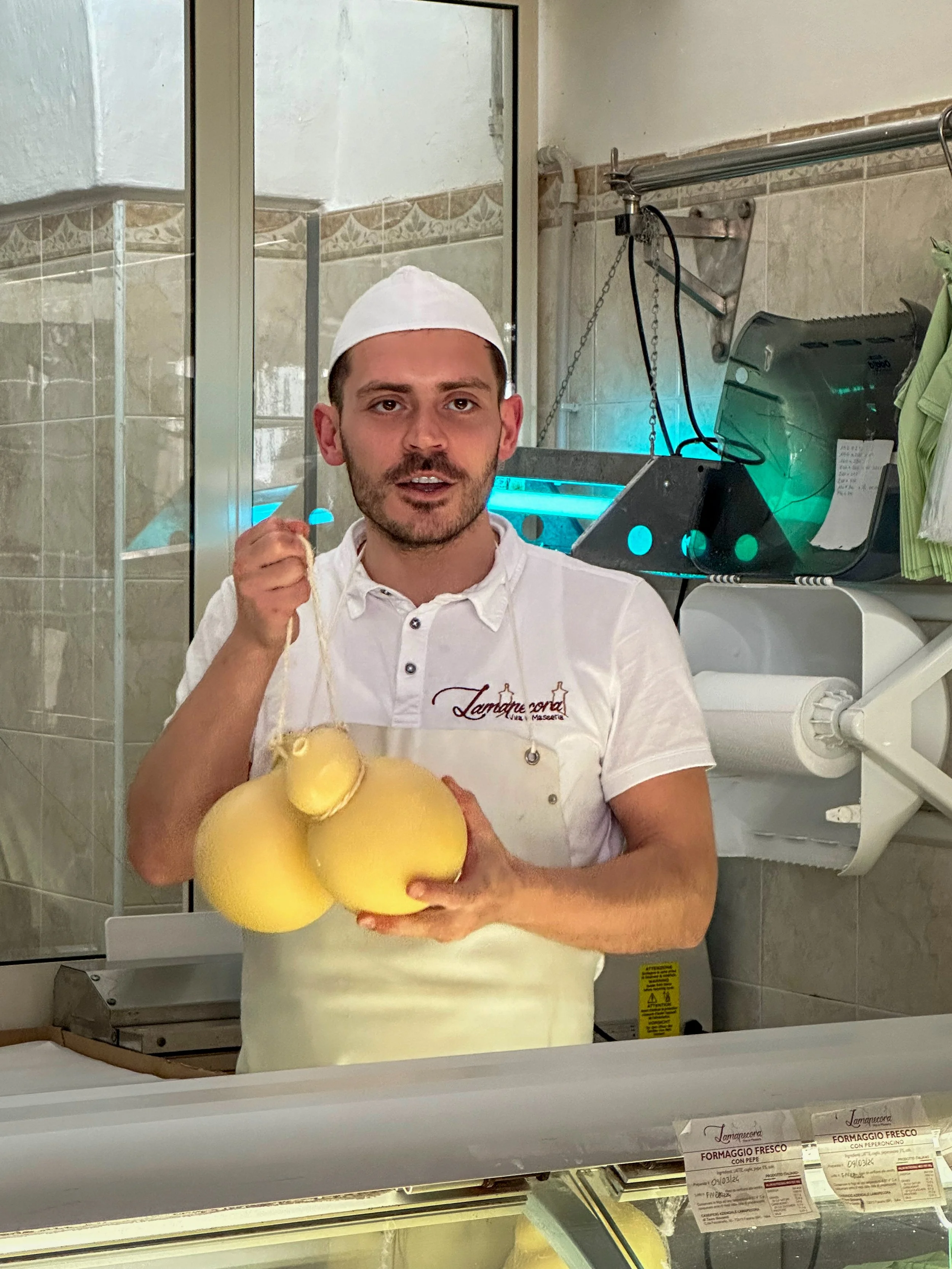
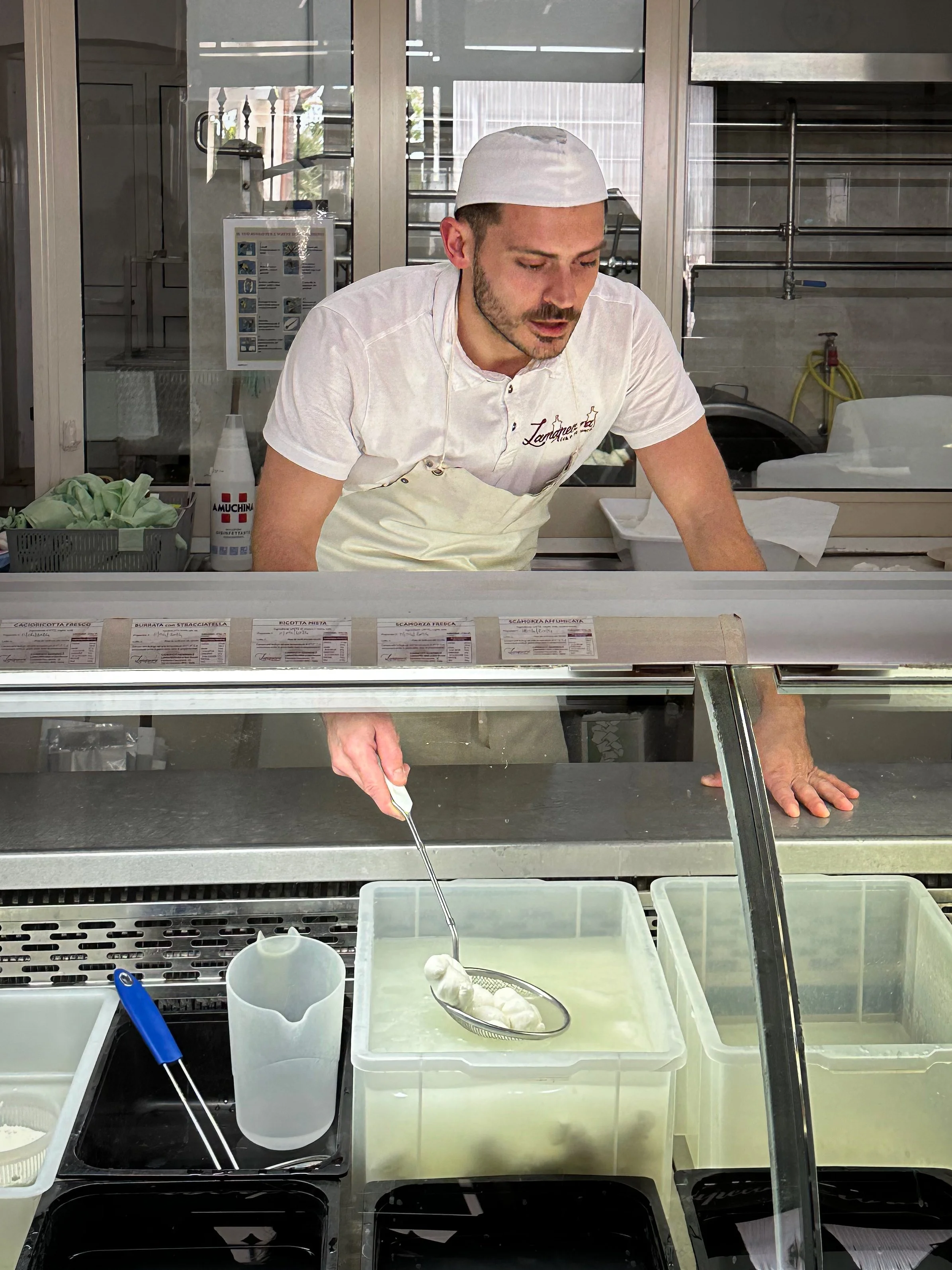
Our first stop was to pick up cheese at the Caseificio Aziendale Lamapecora dairy.
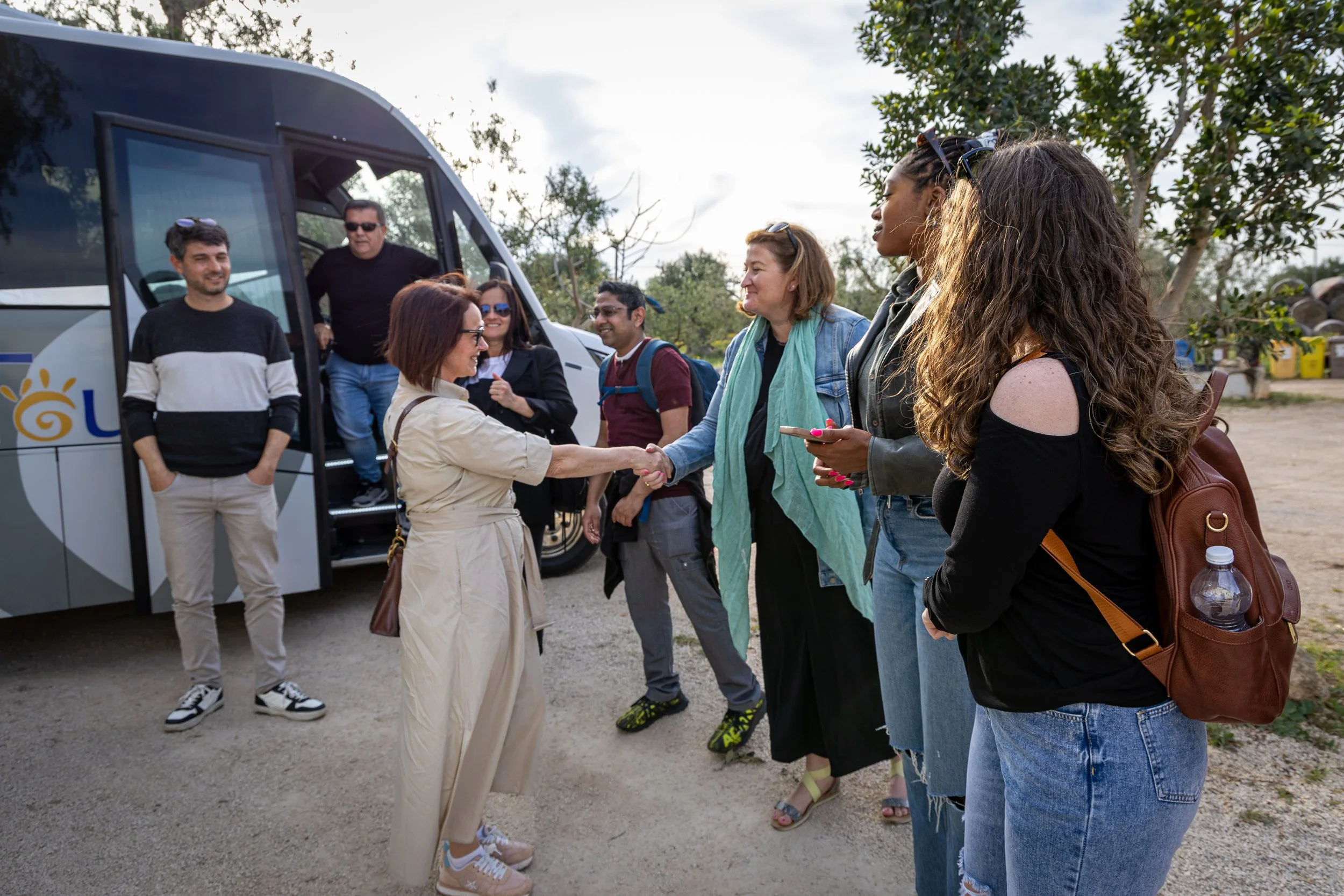
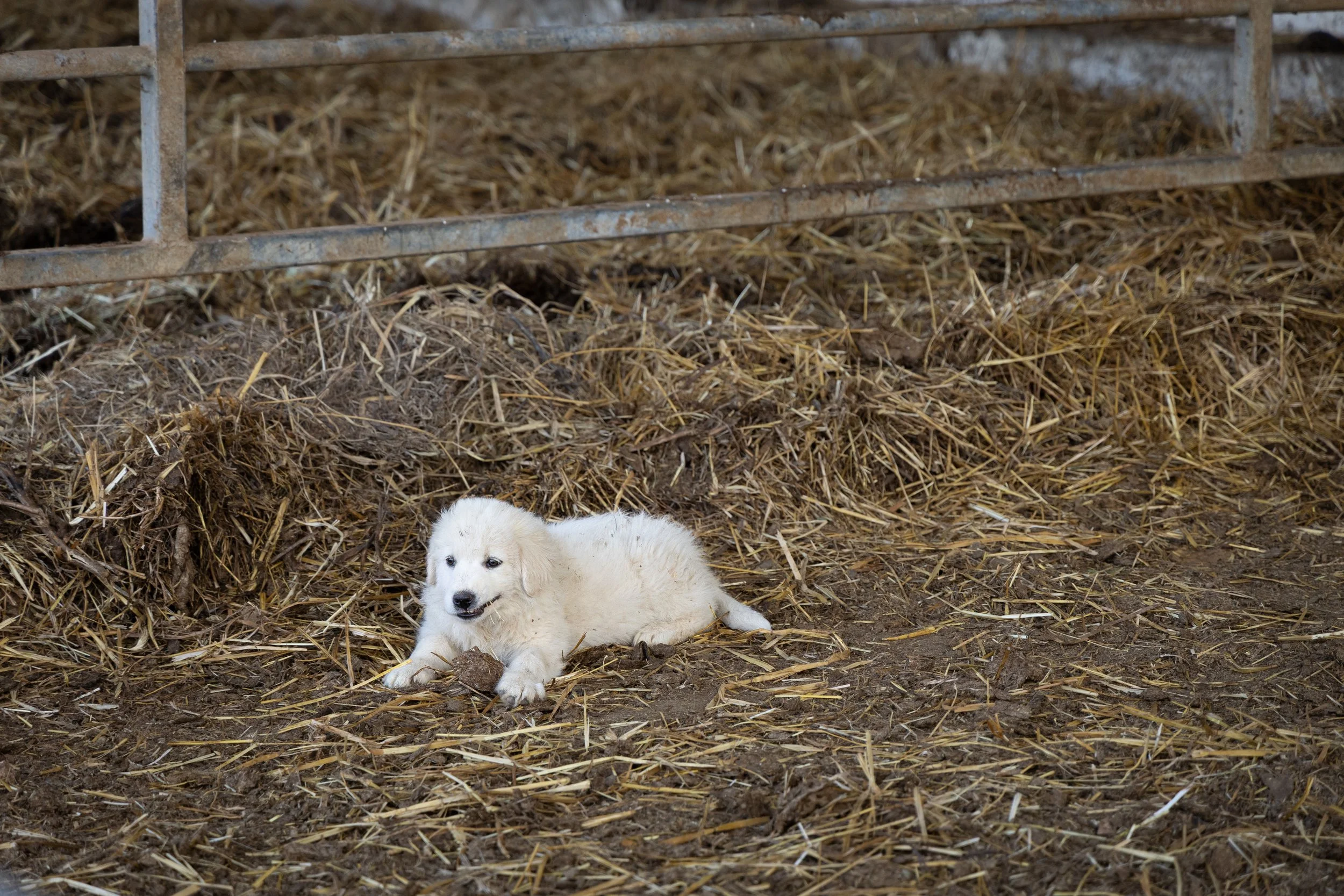
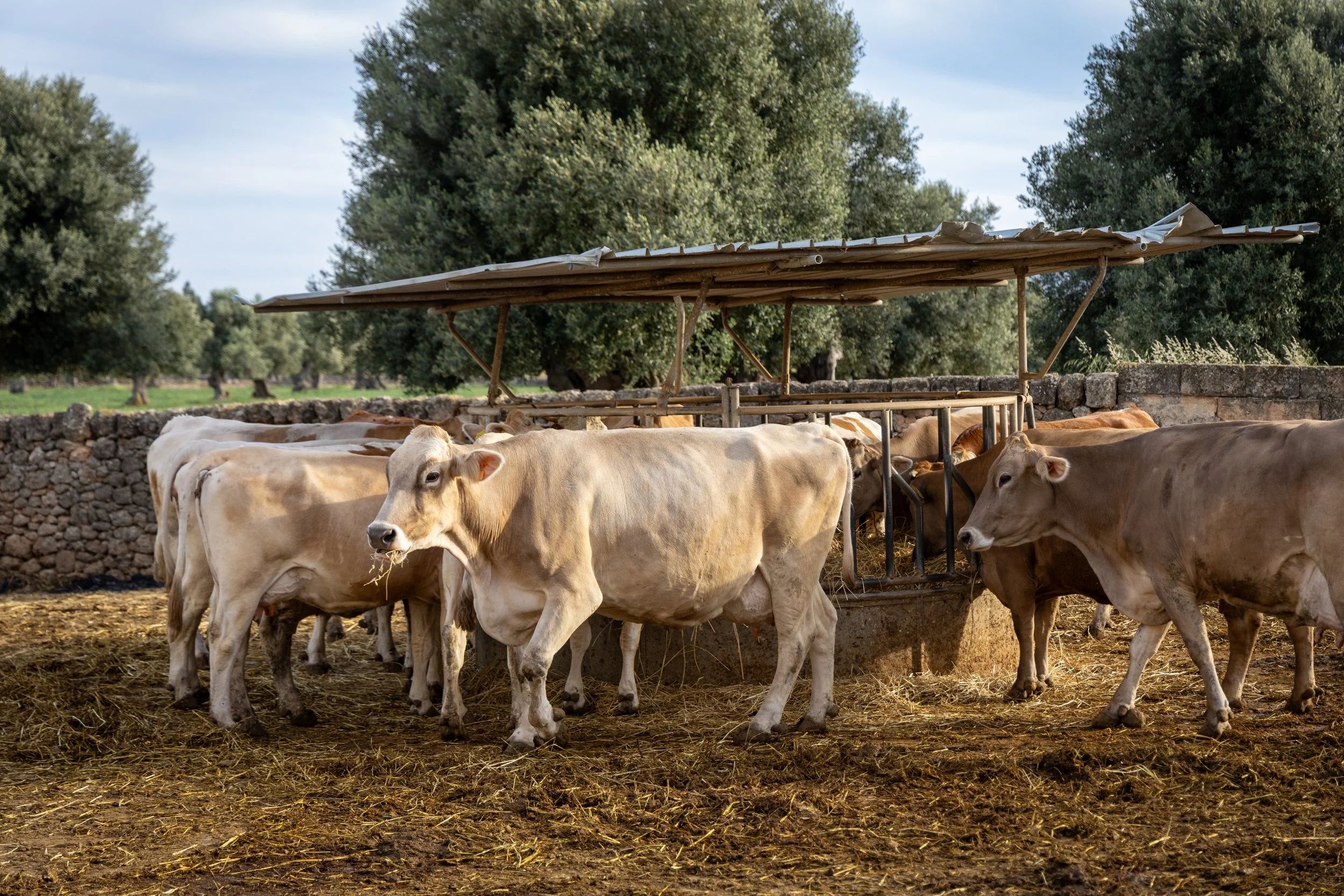
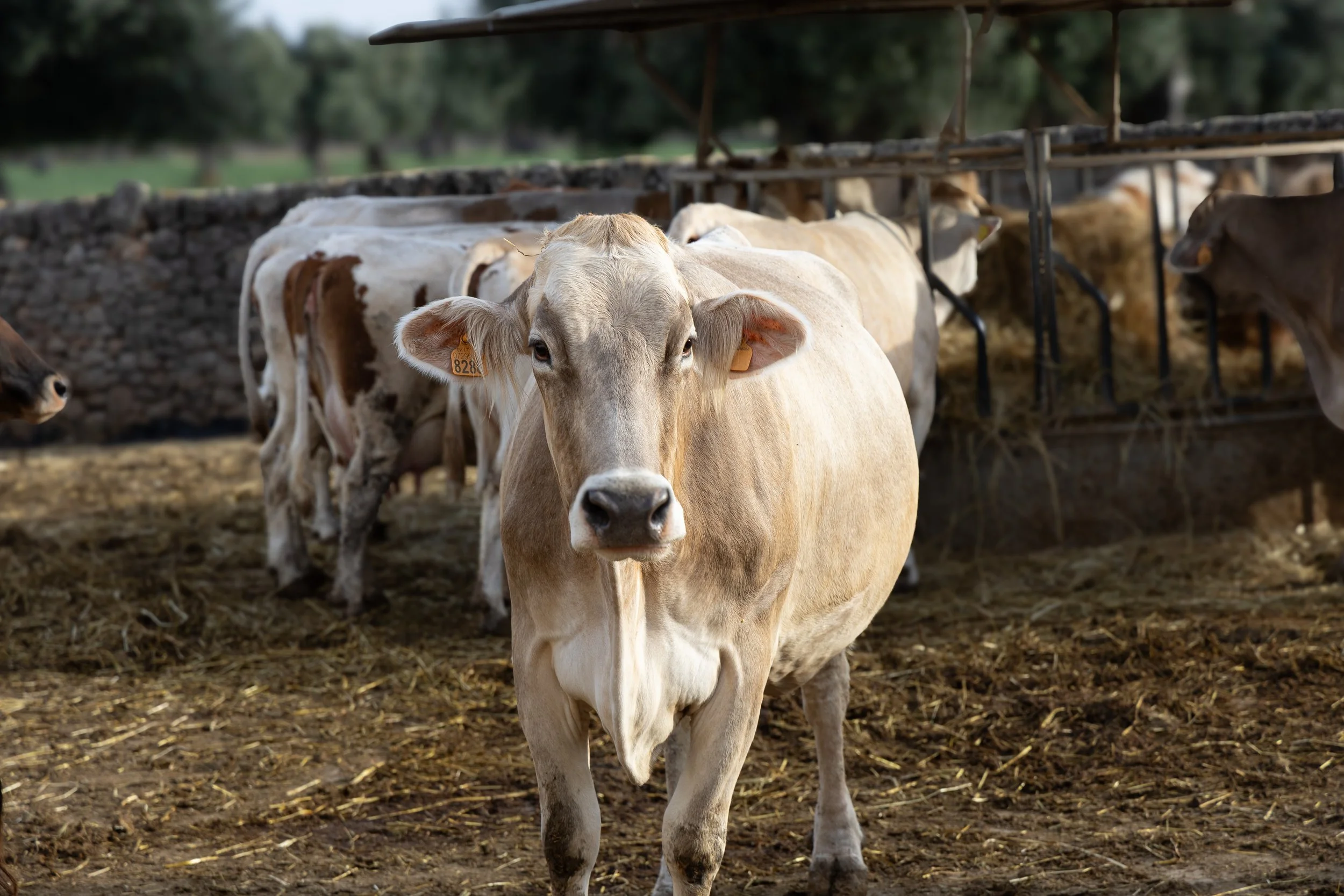
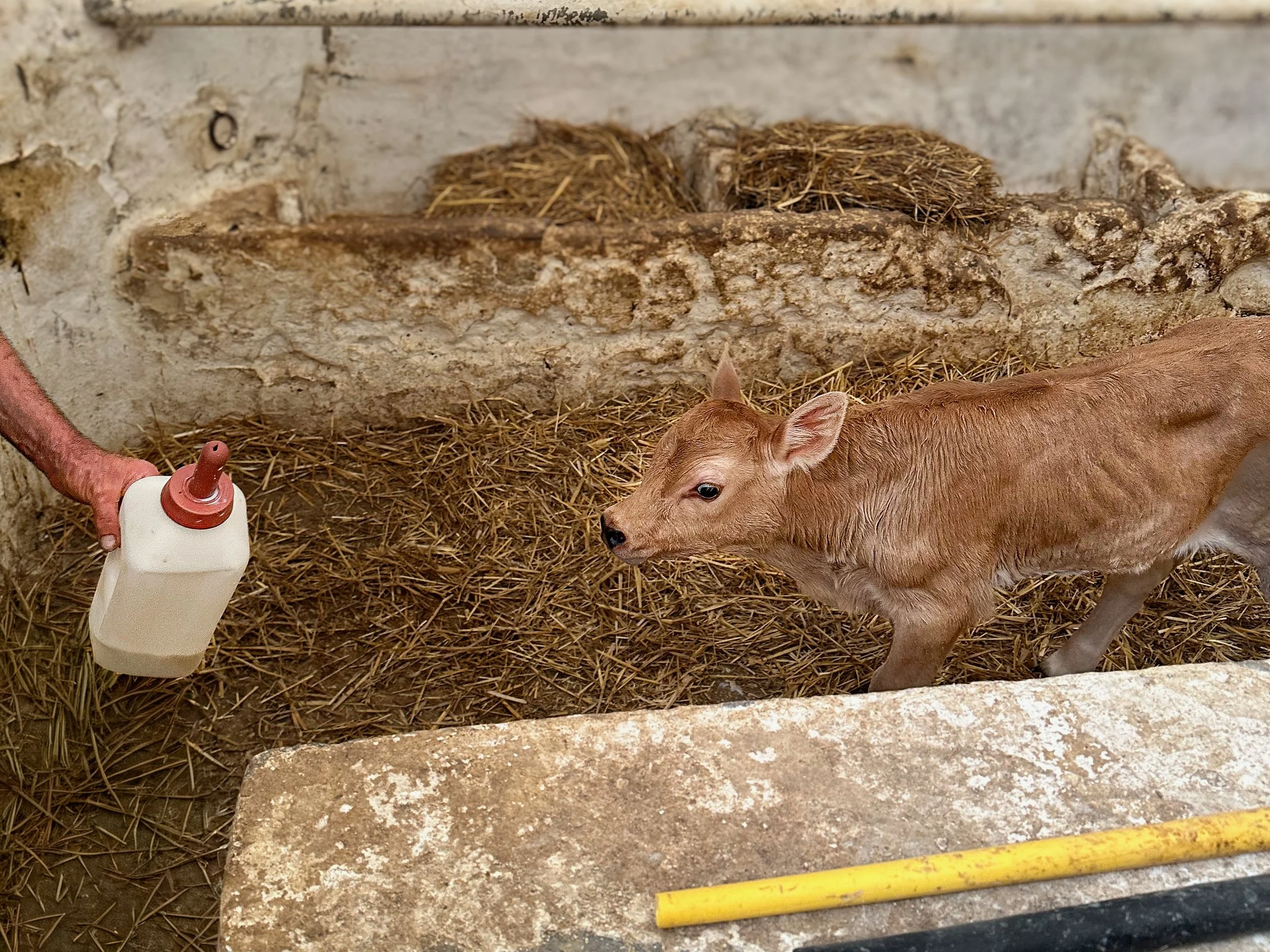
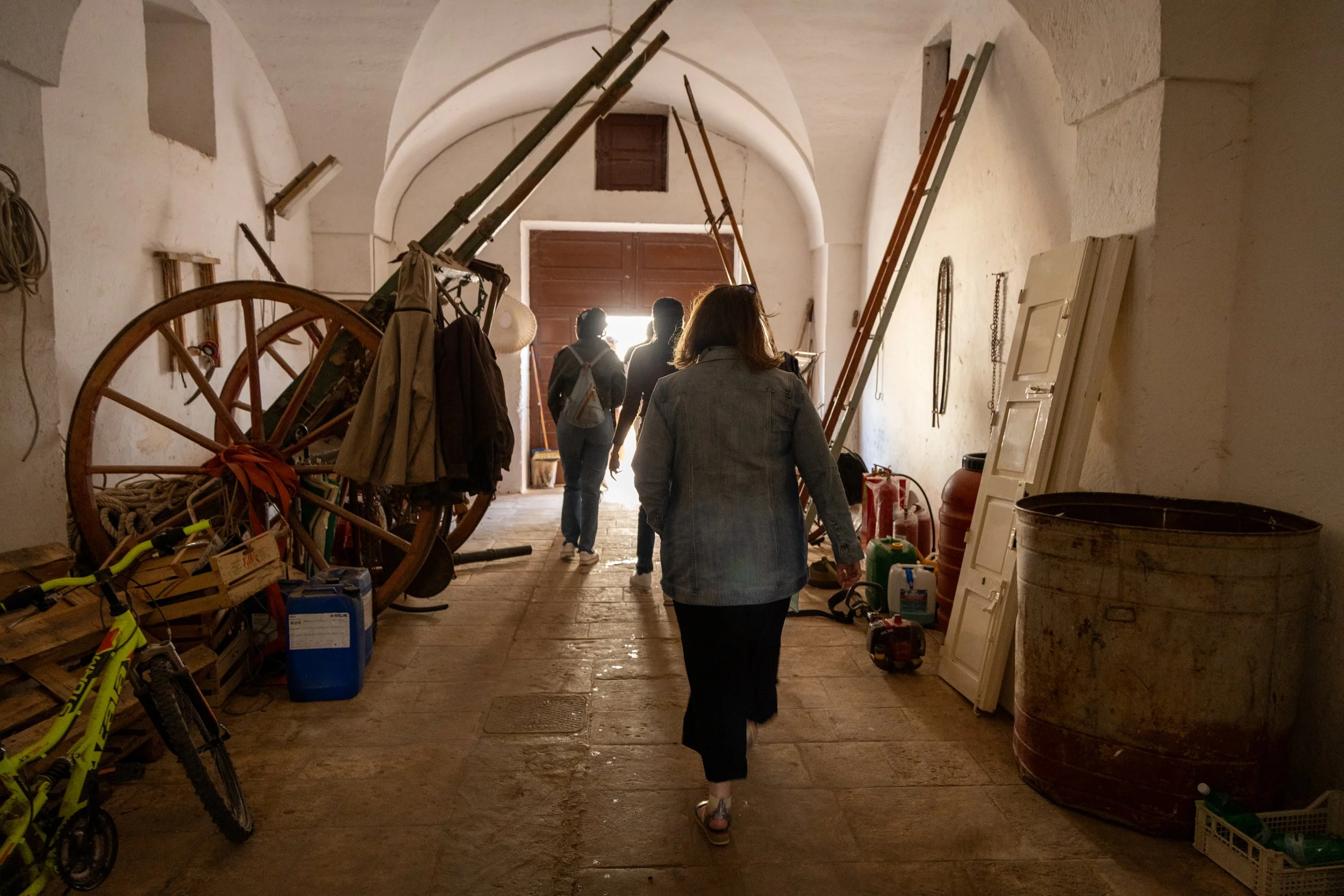
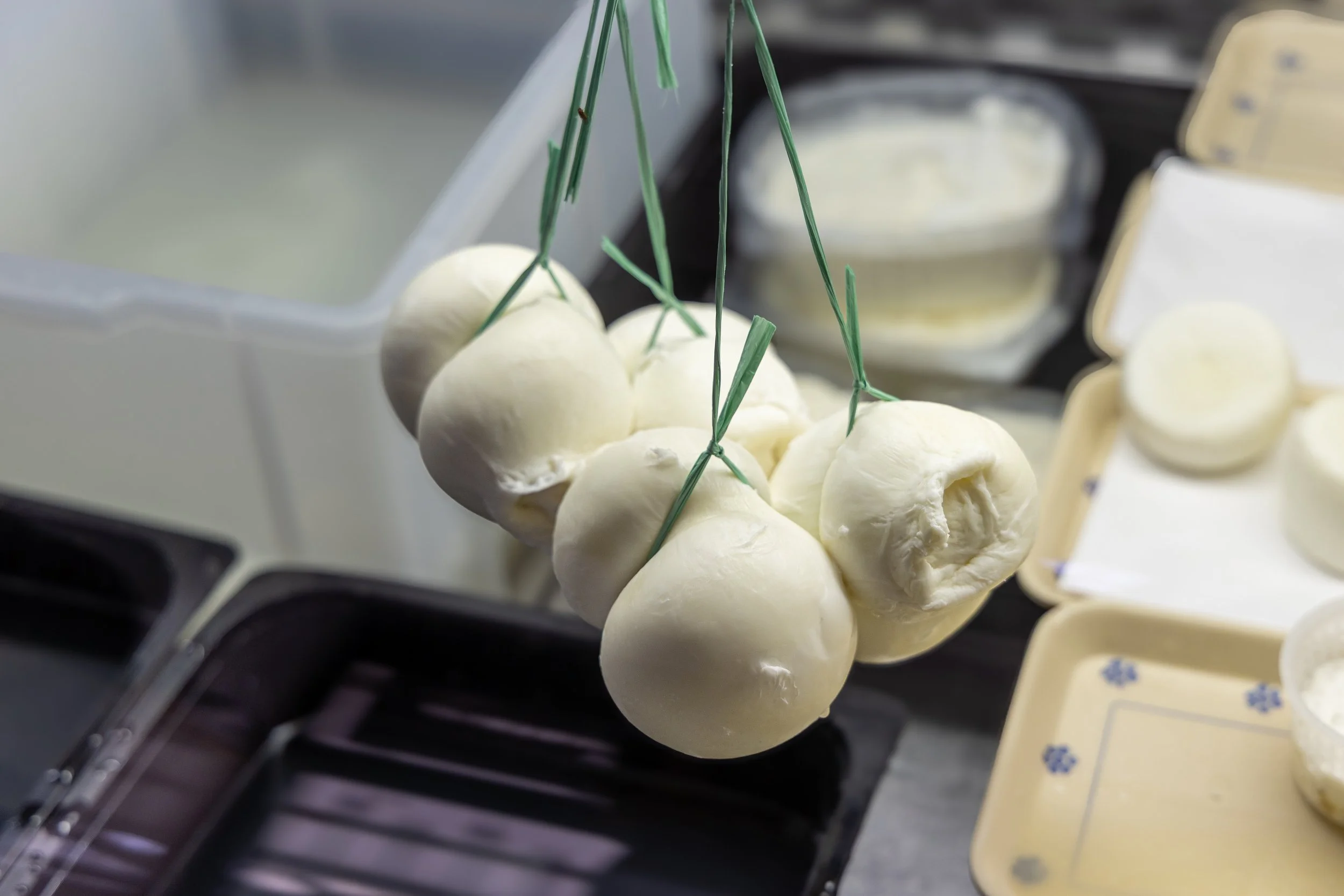
The cheese shop on site had all sorts of good stuff, and we picked up some fresh mozzarella.
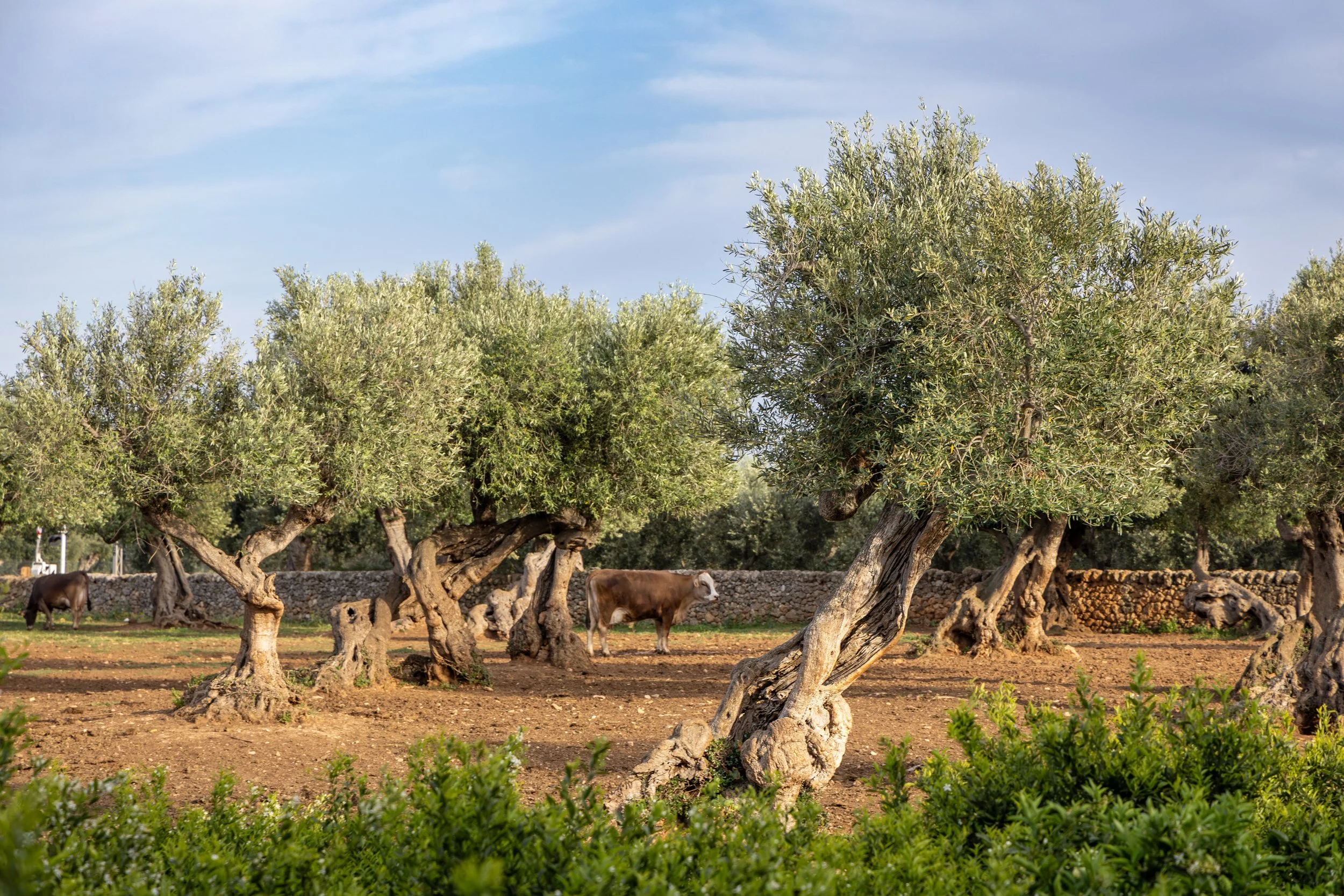
Cows wandering through the olive trees
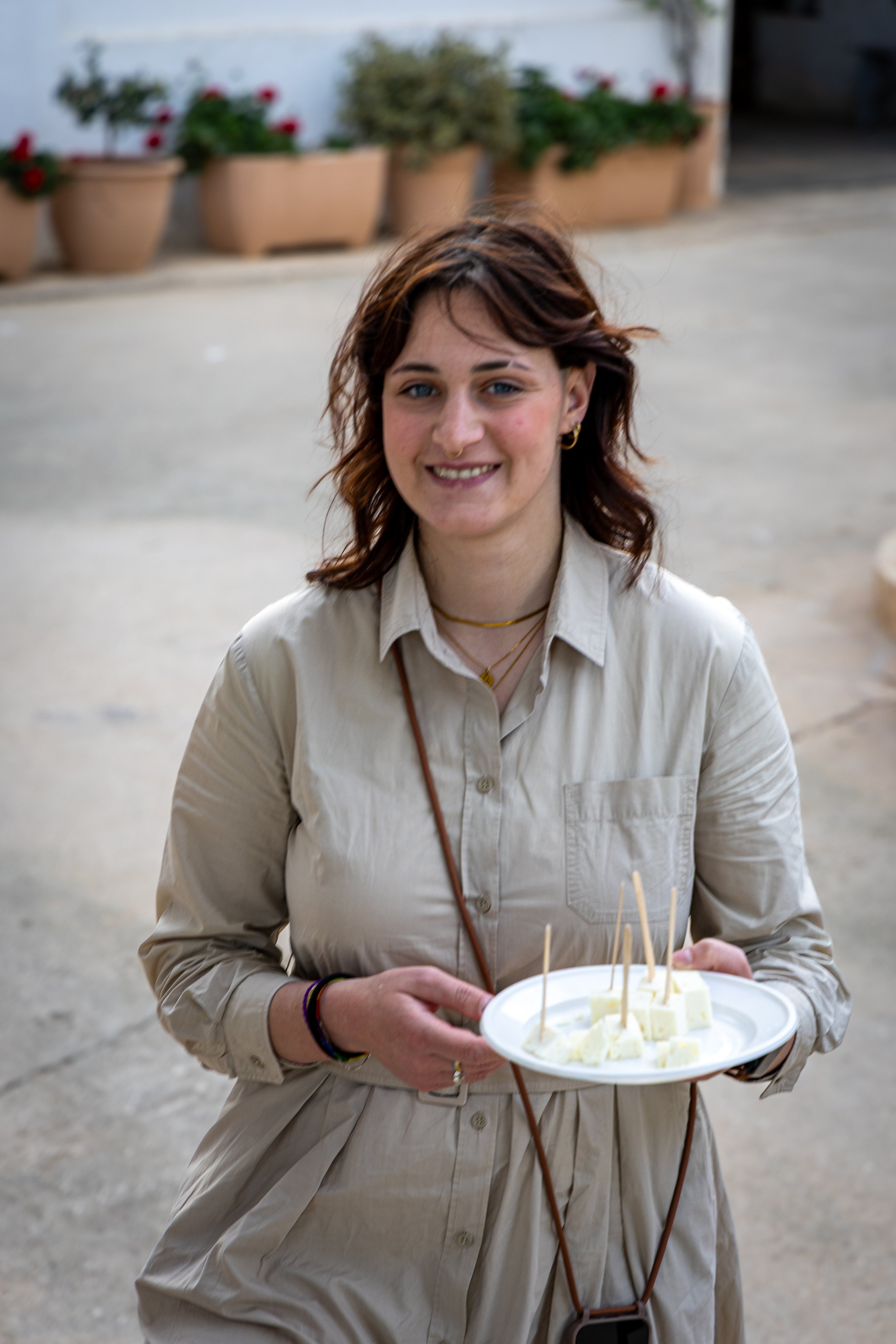
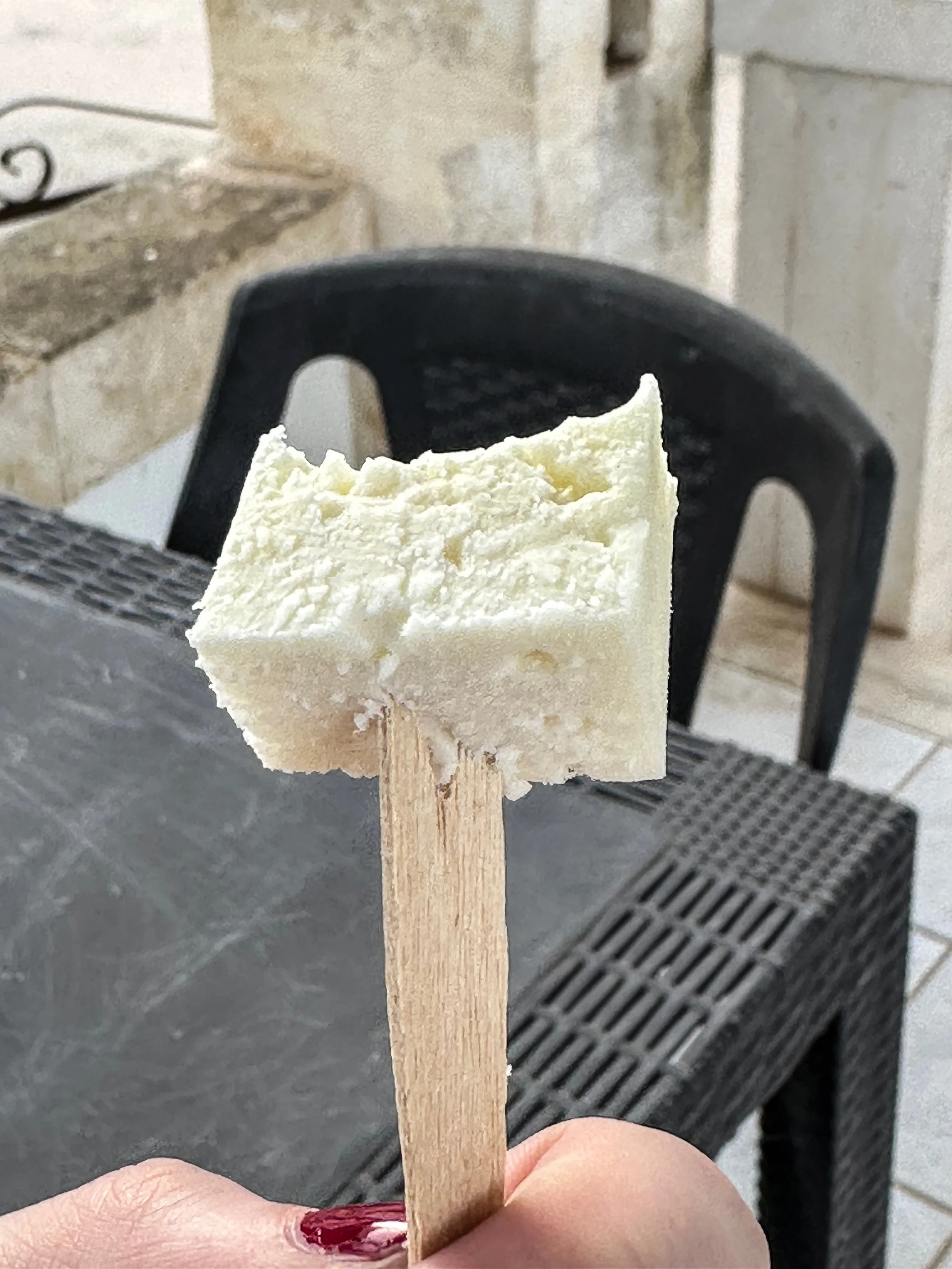
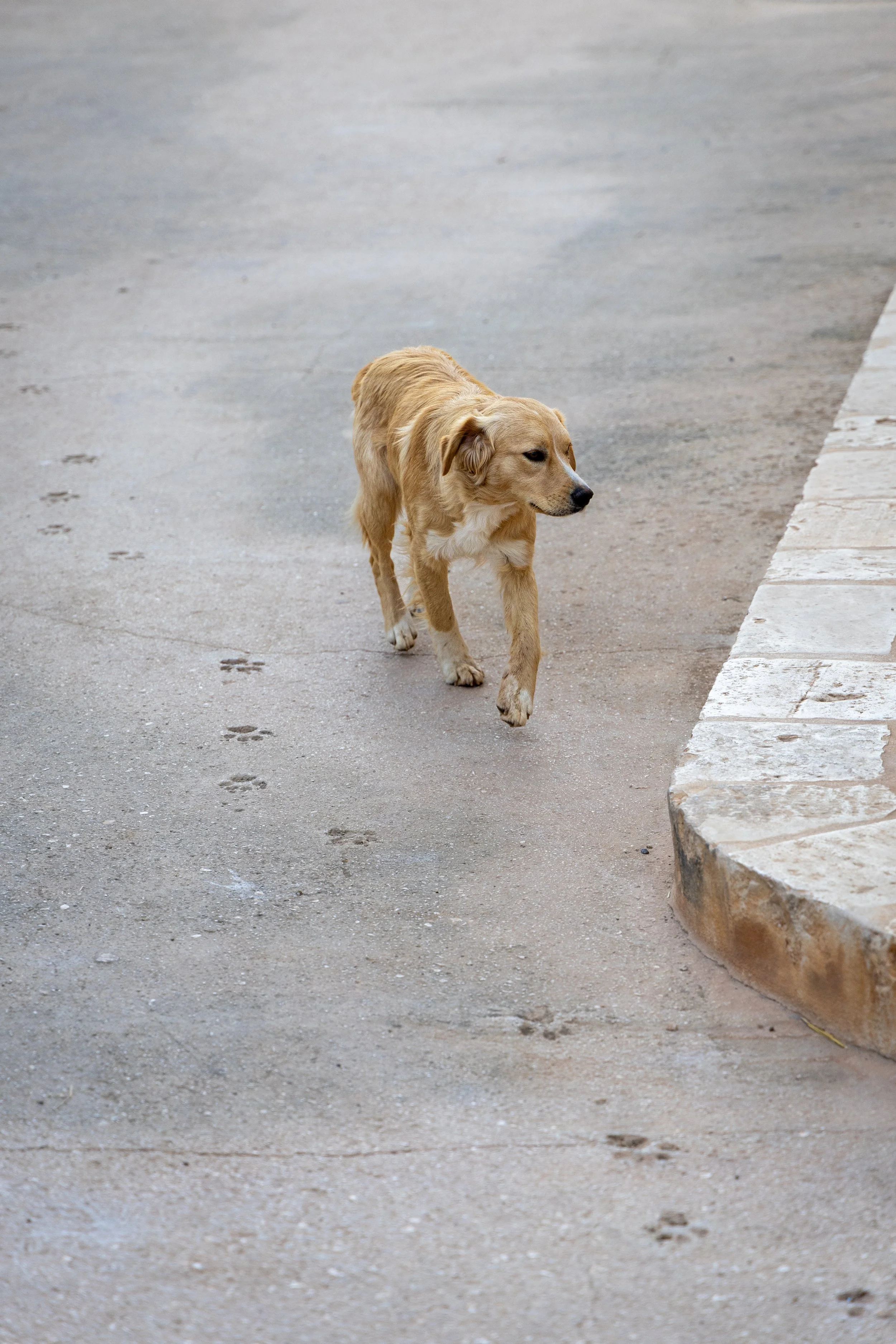
We got to try a sample of primo sale, a lightly salted cheese with a texture like feta. (Though a totally different taste.)
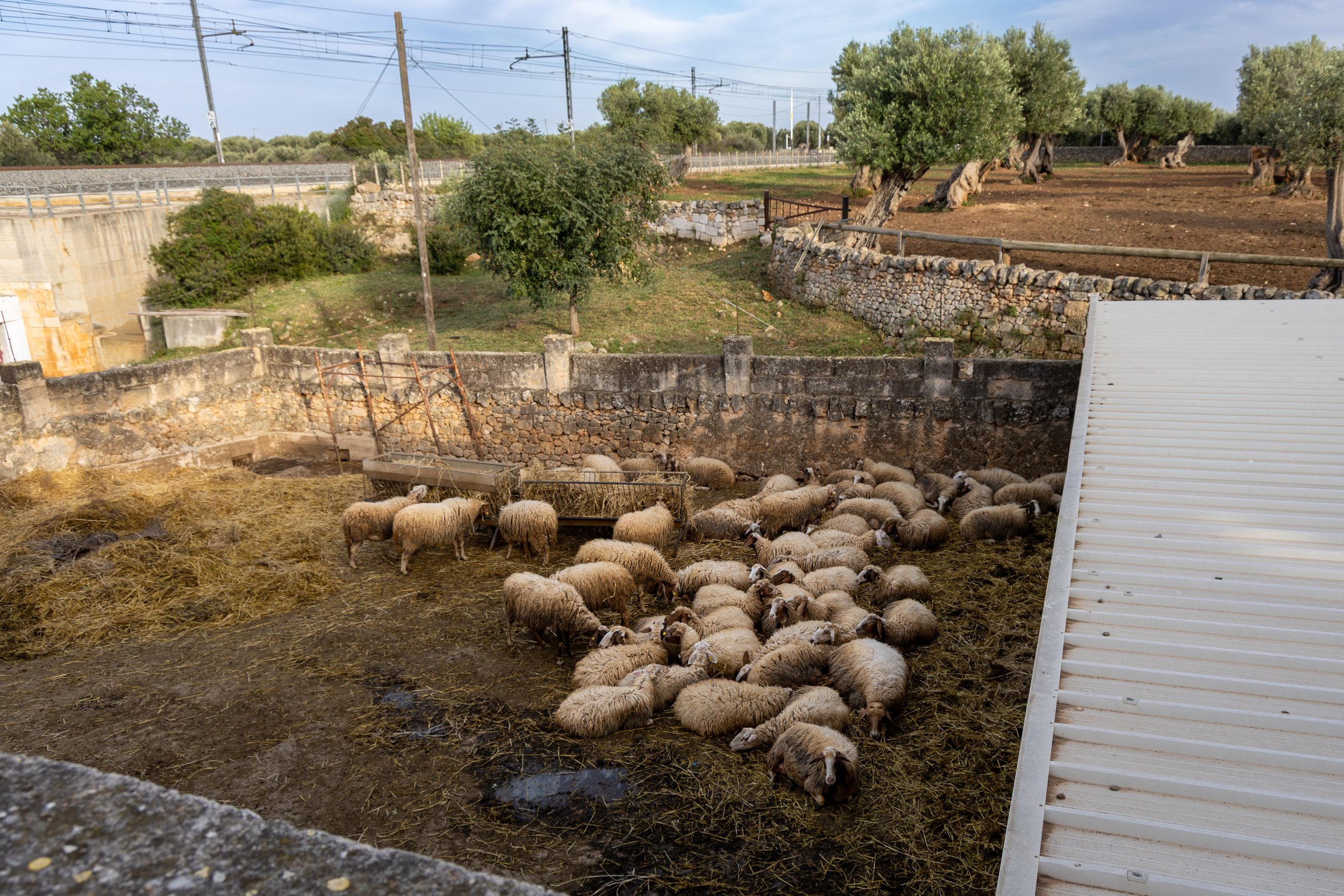
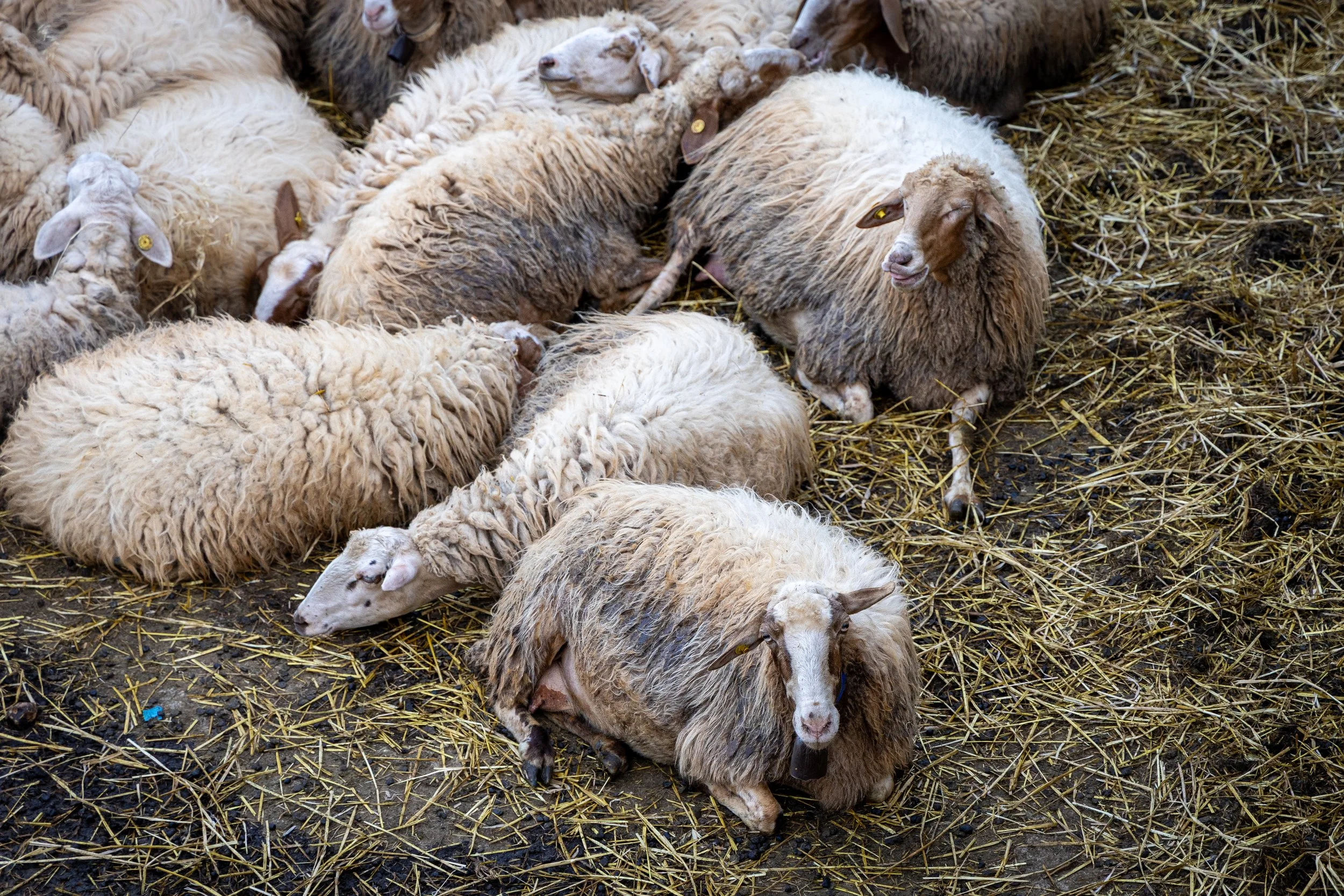
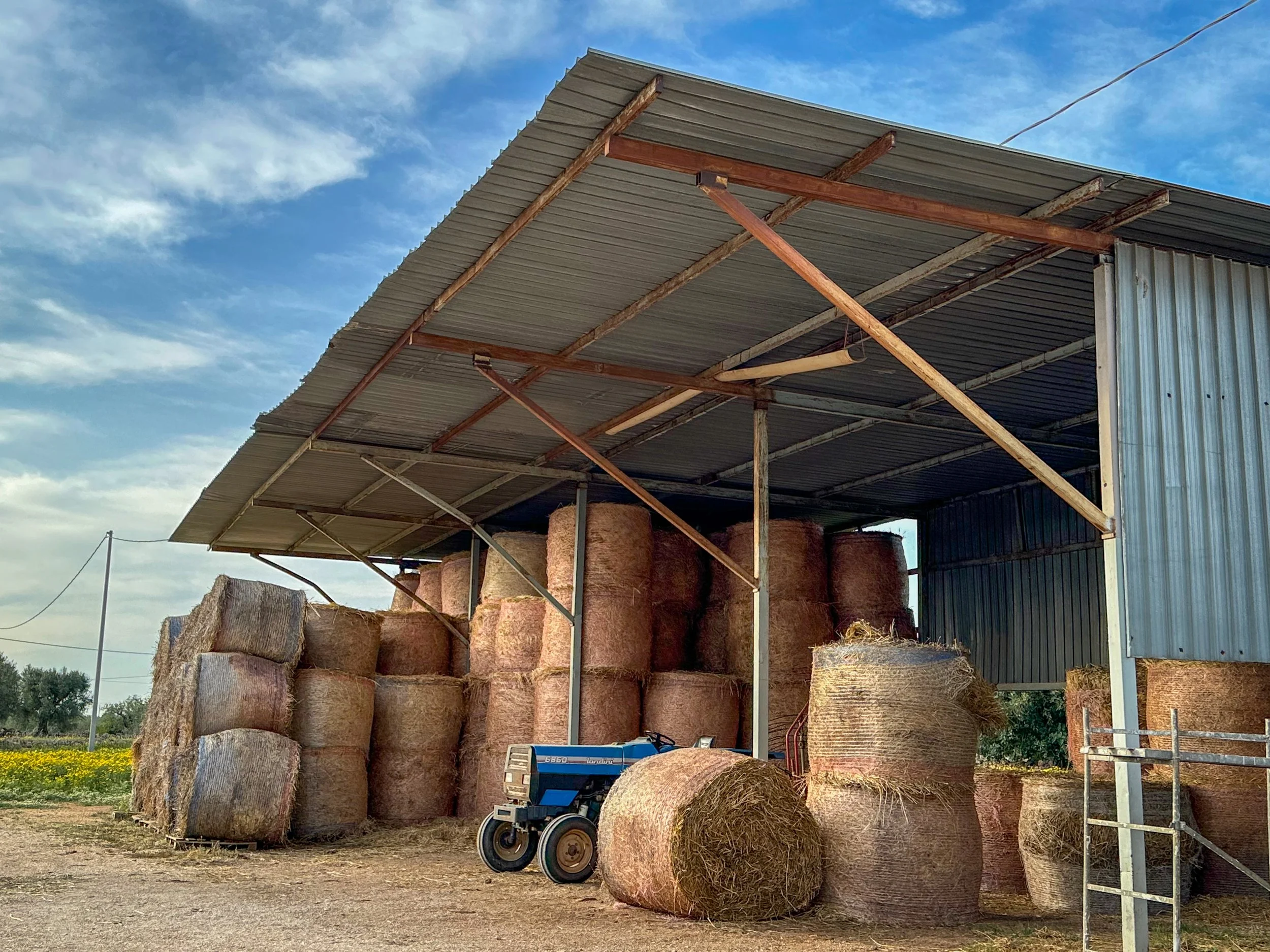
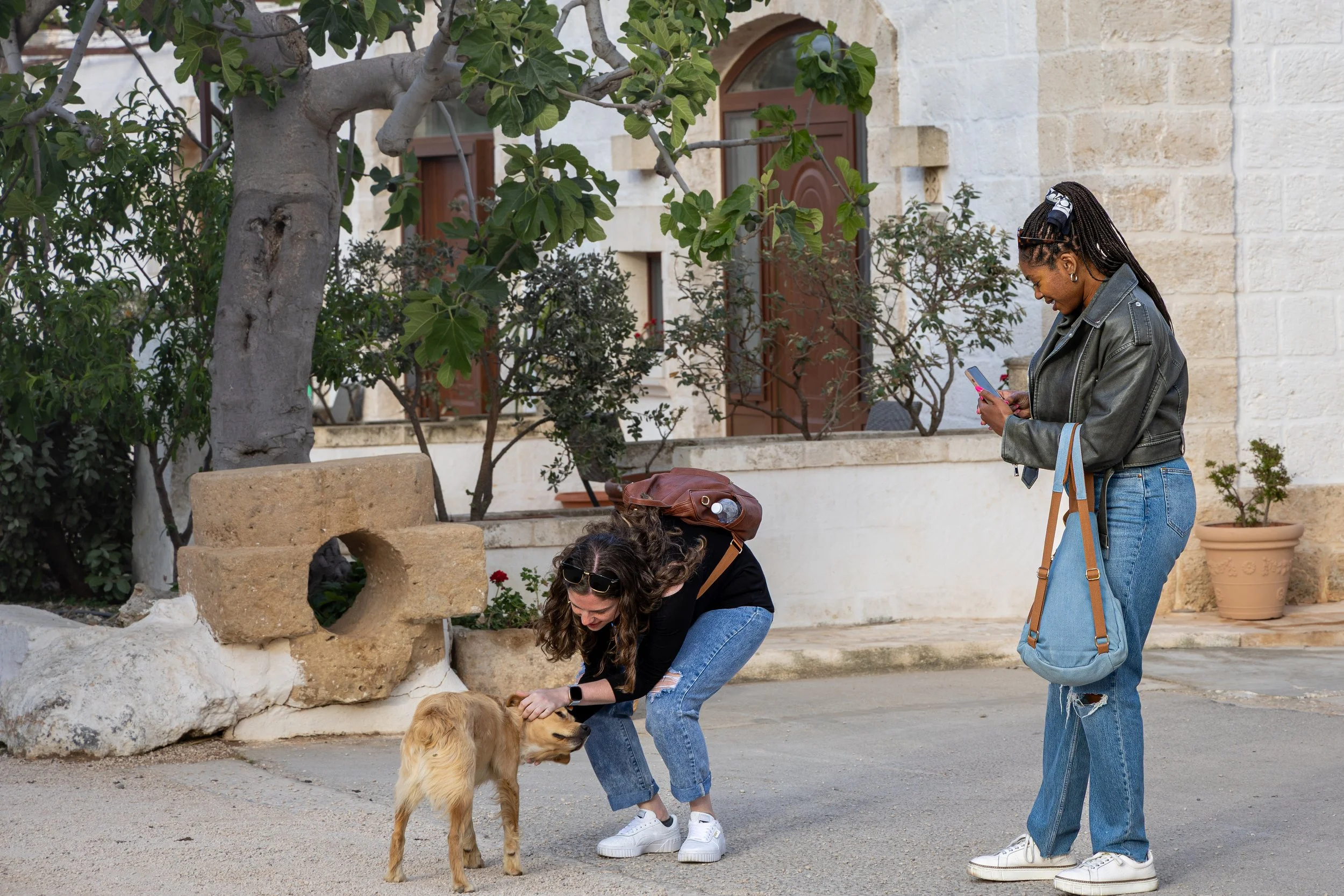
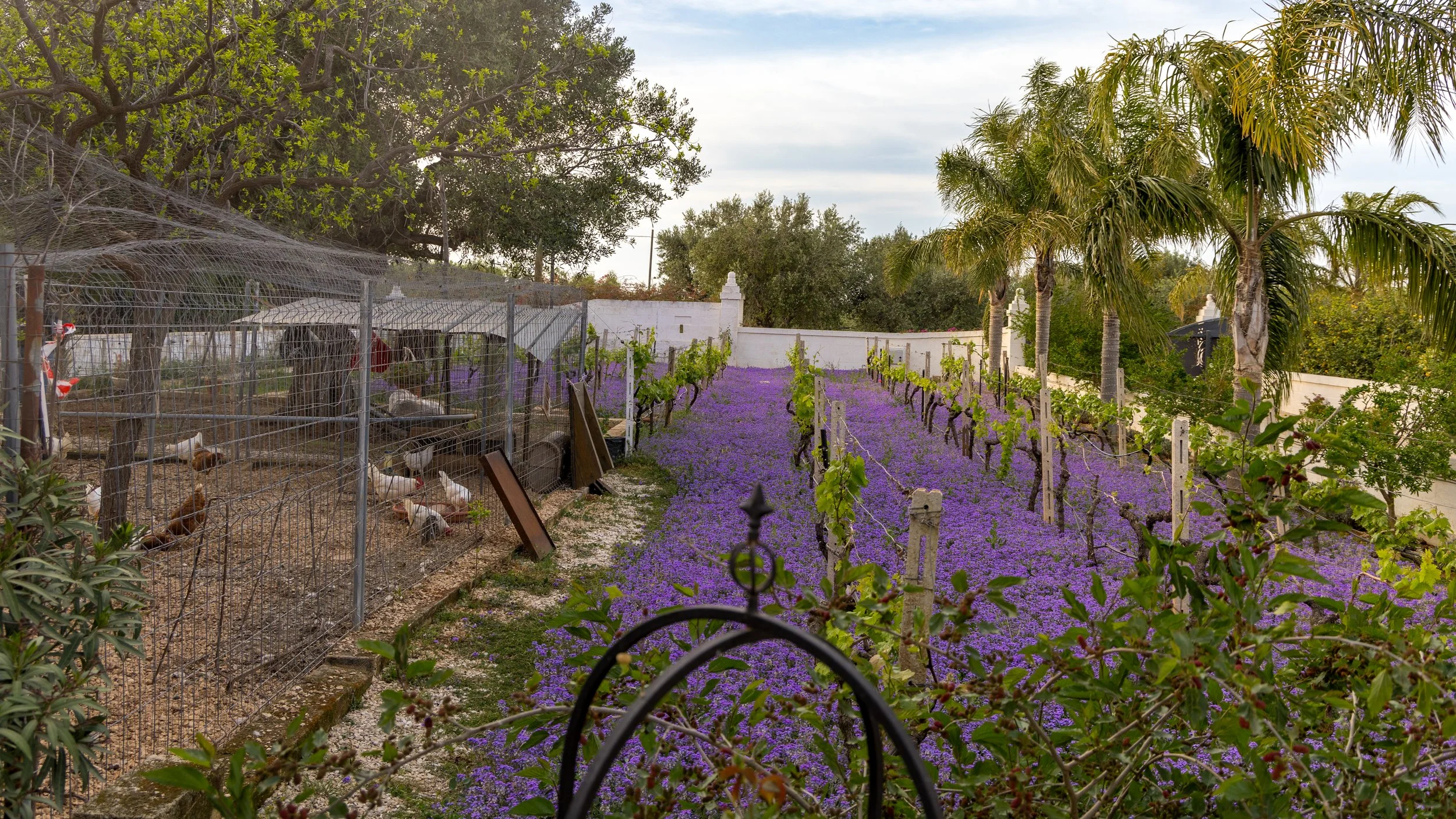
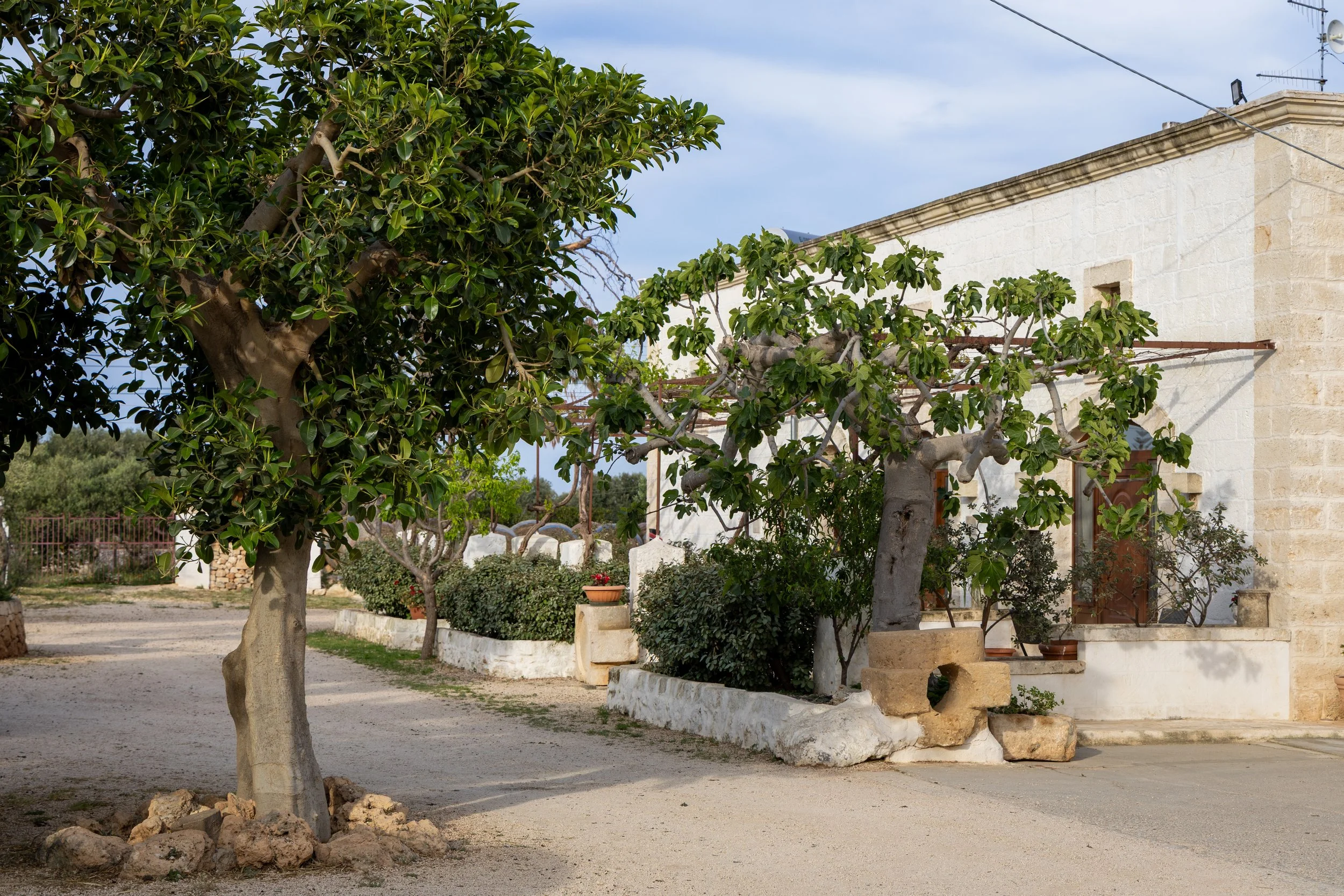
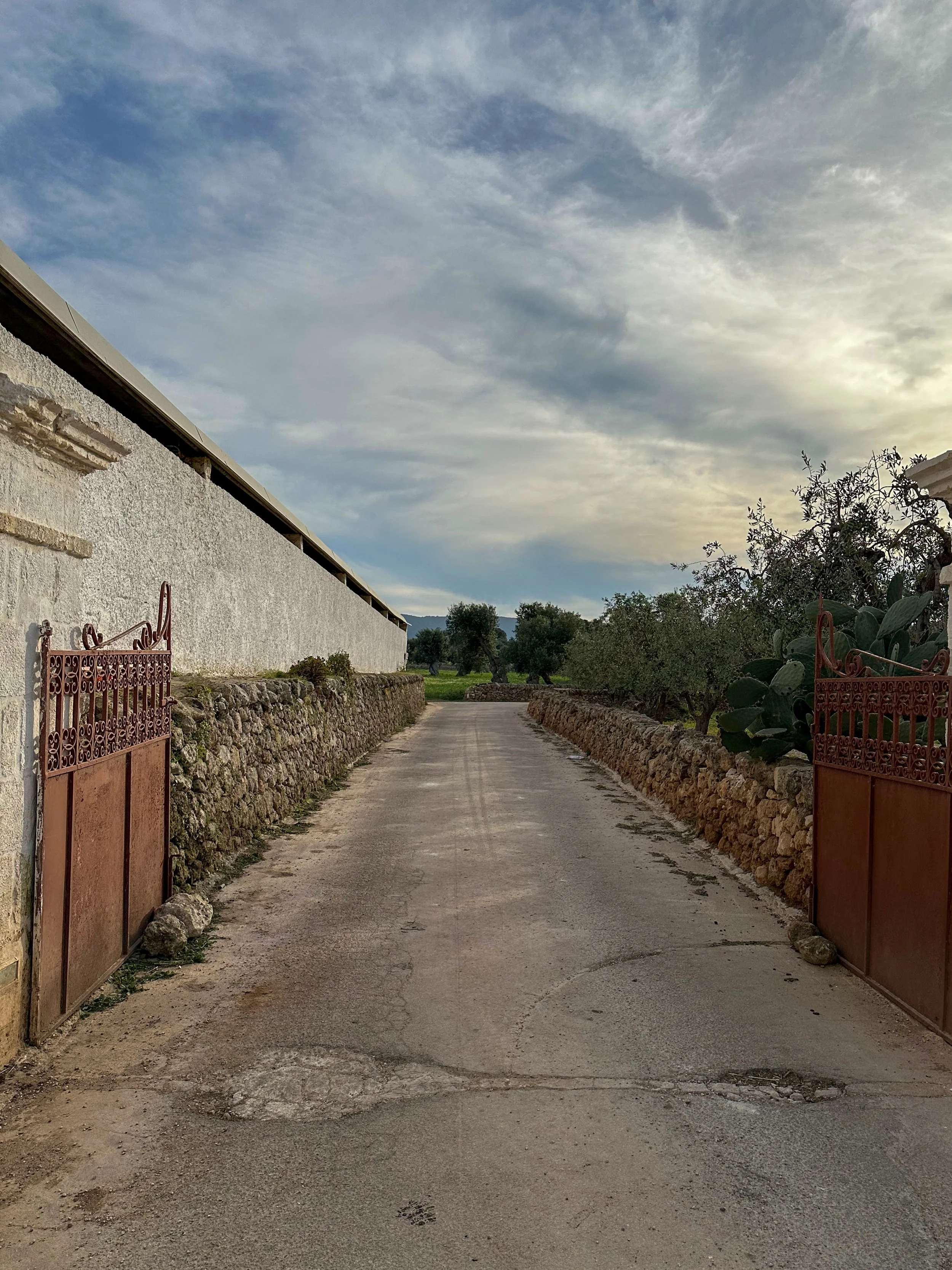
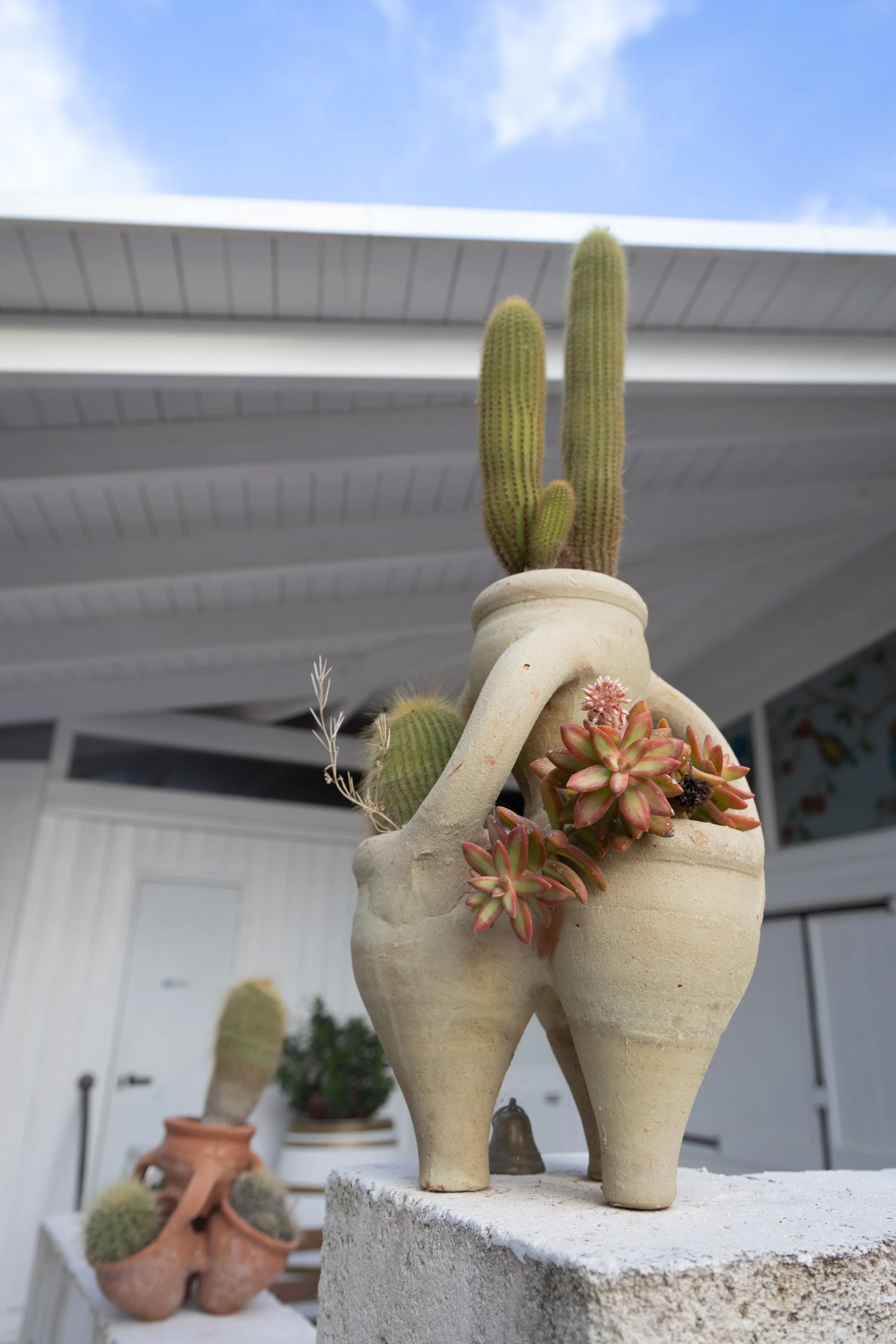
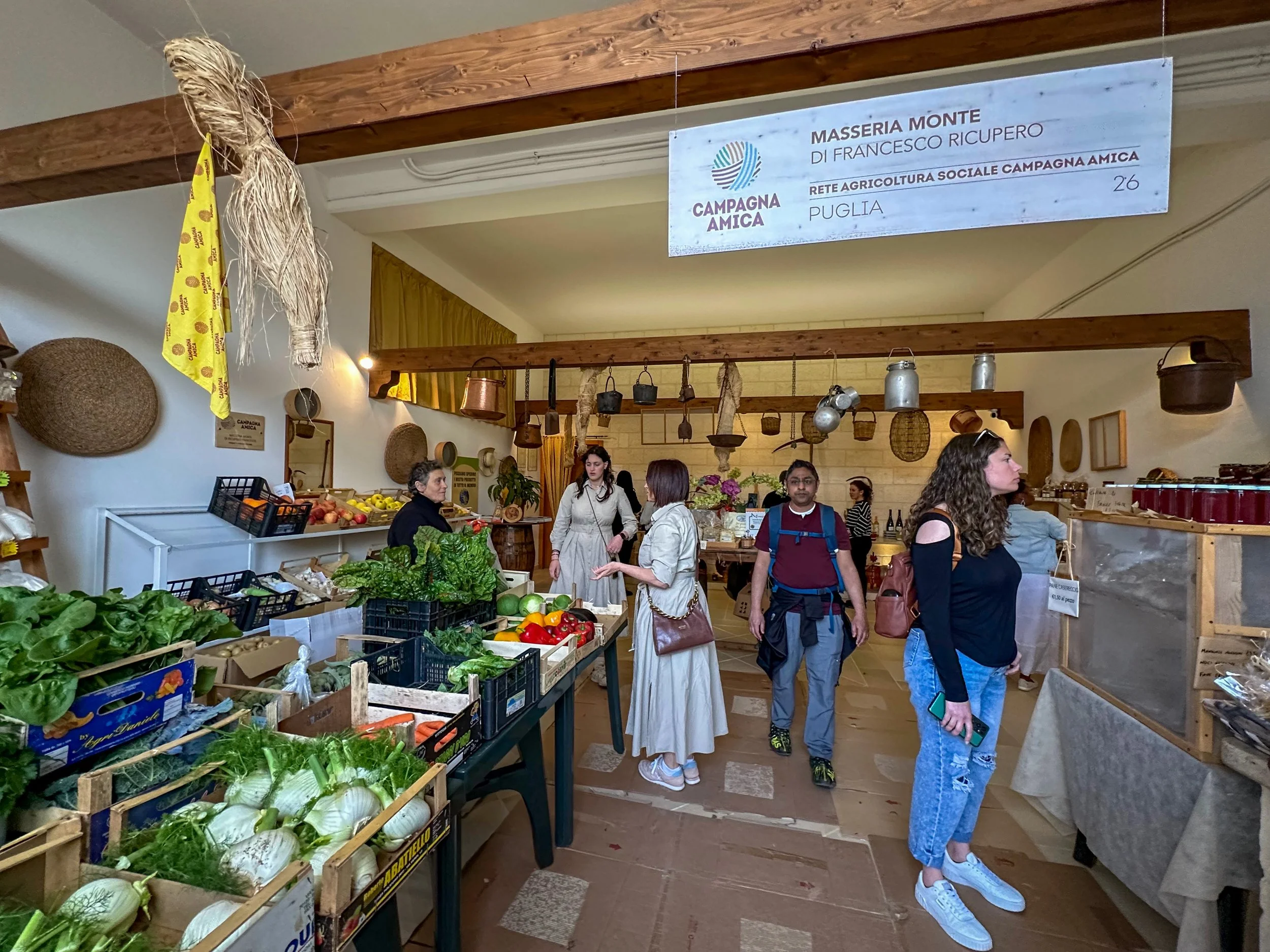
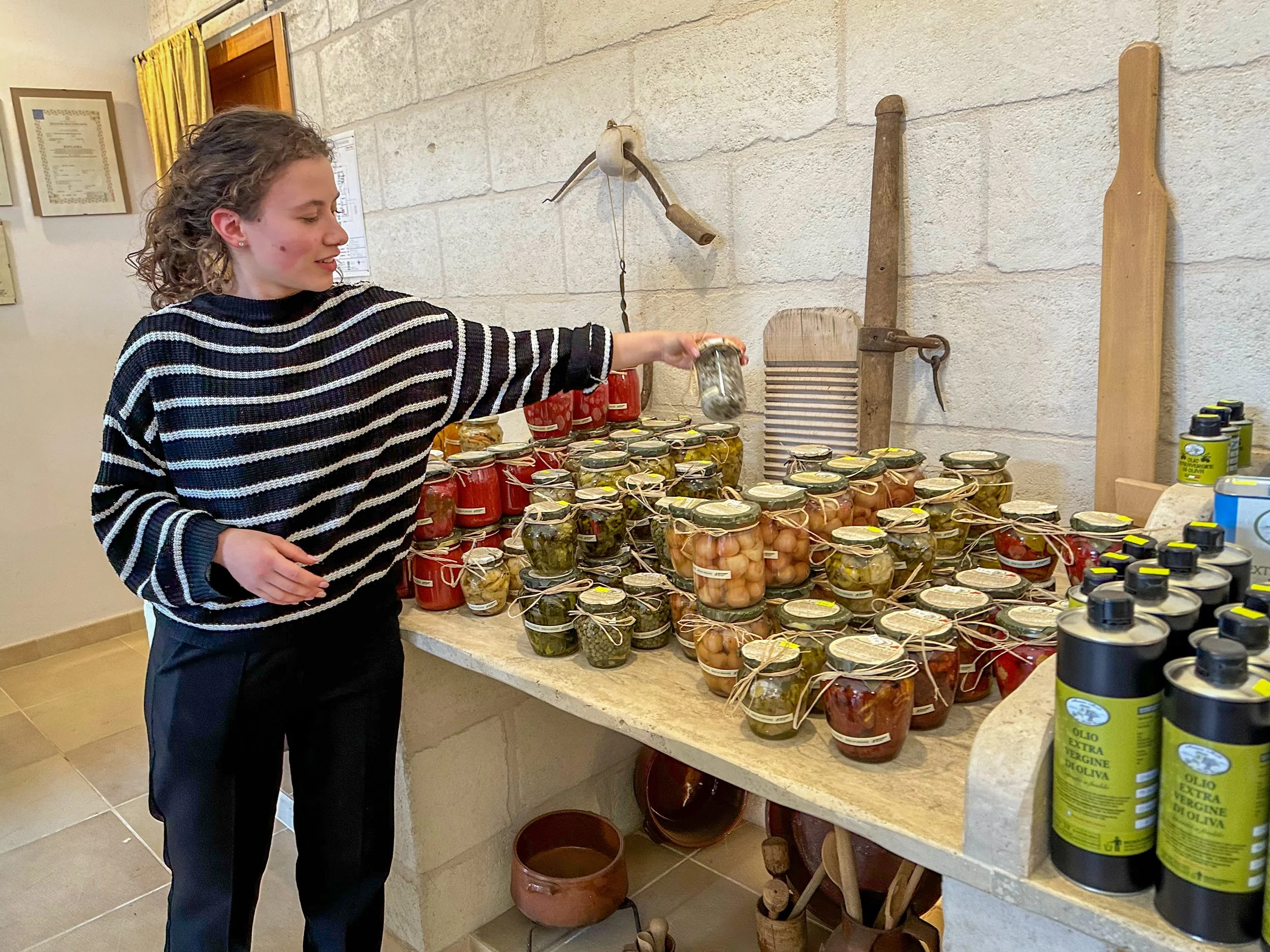
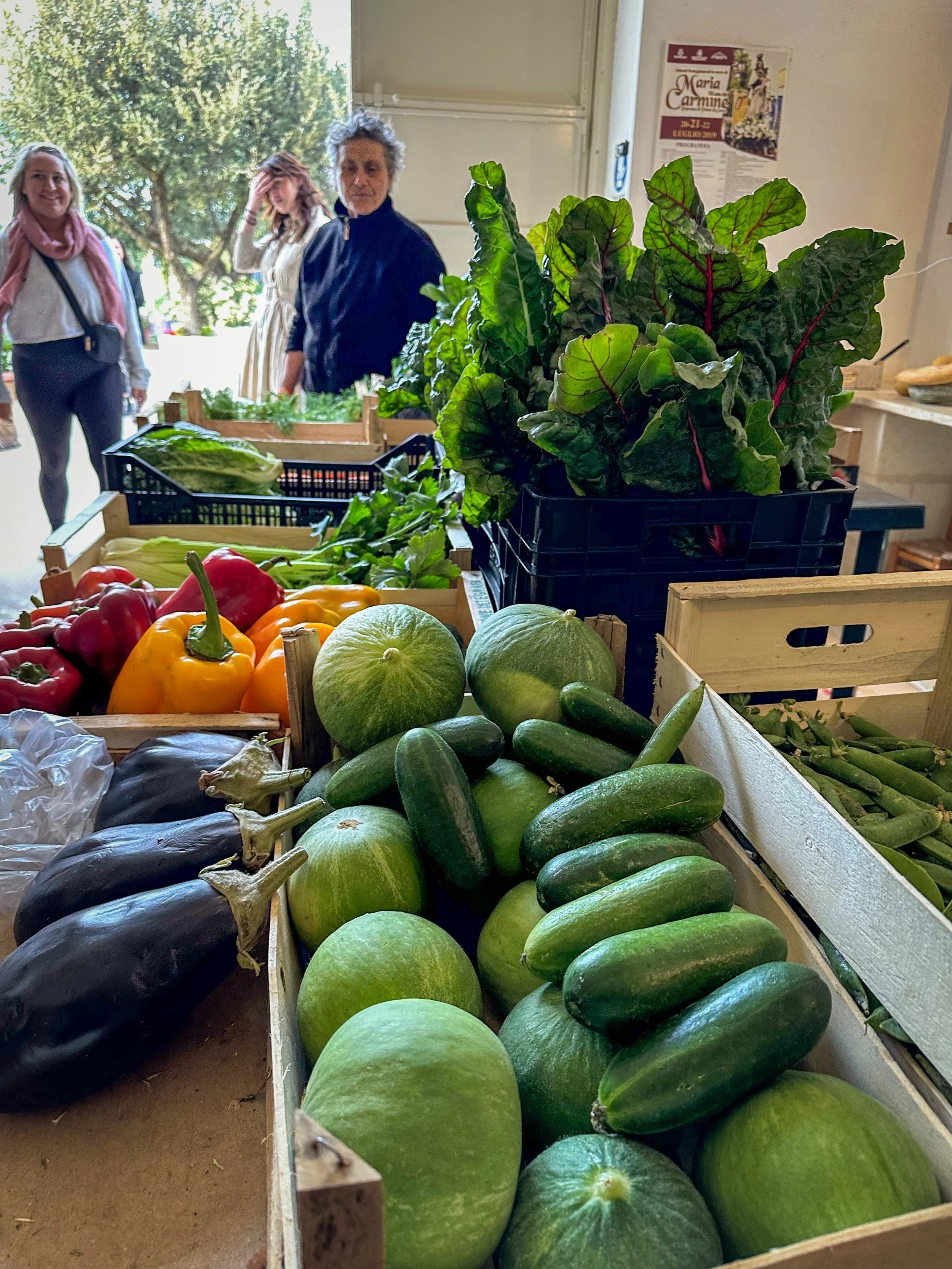
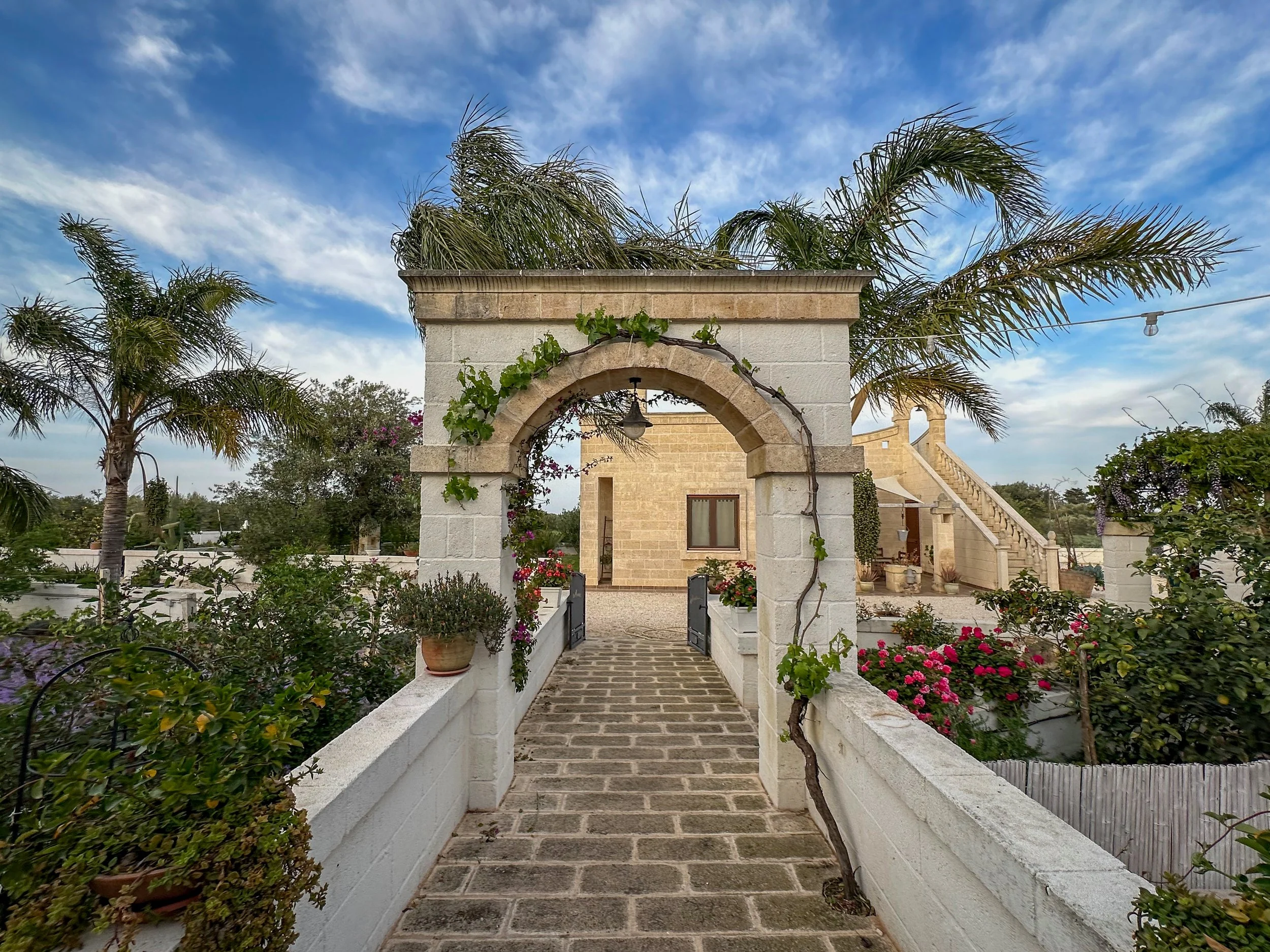
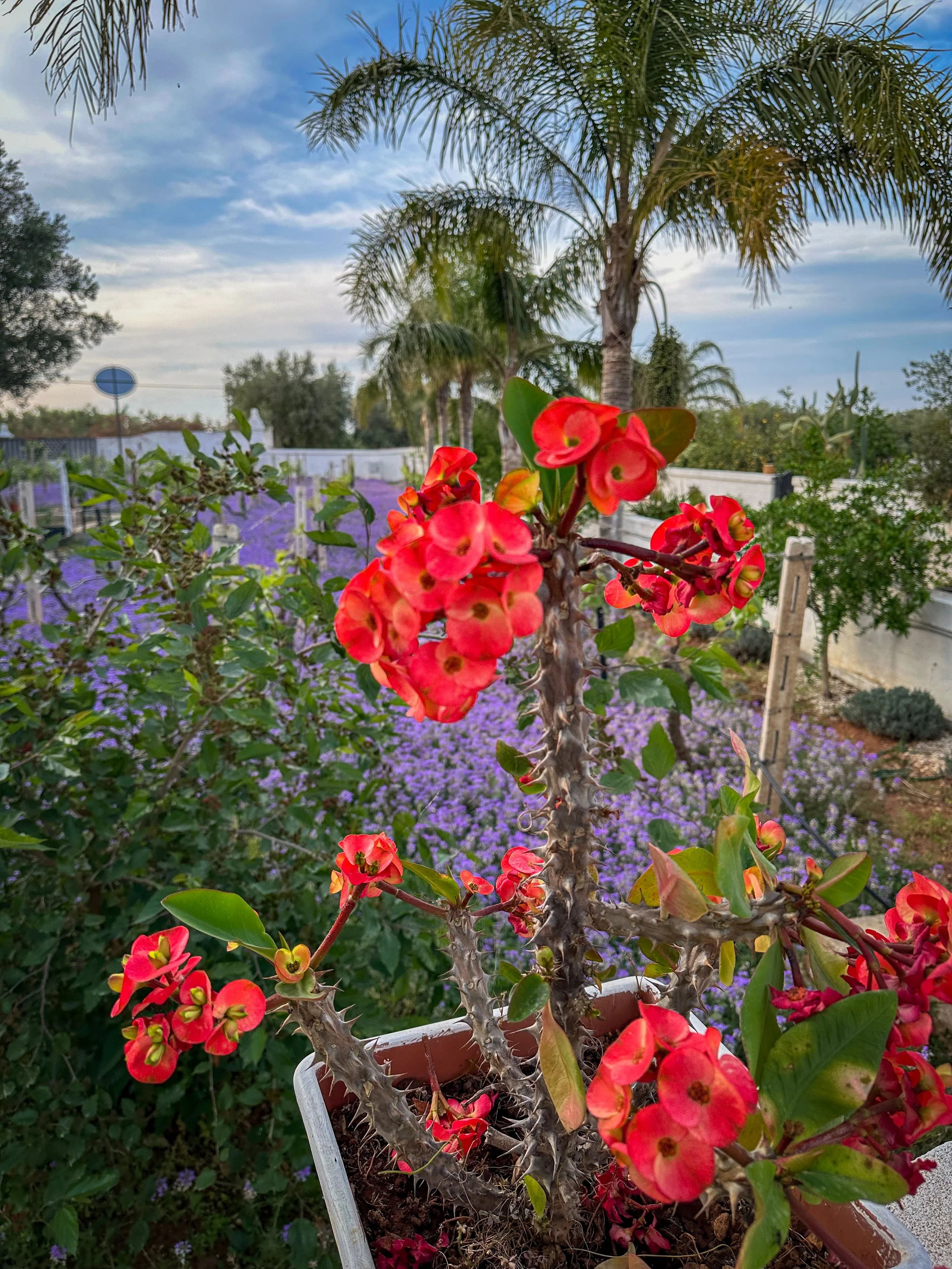
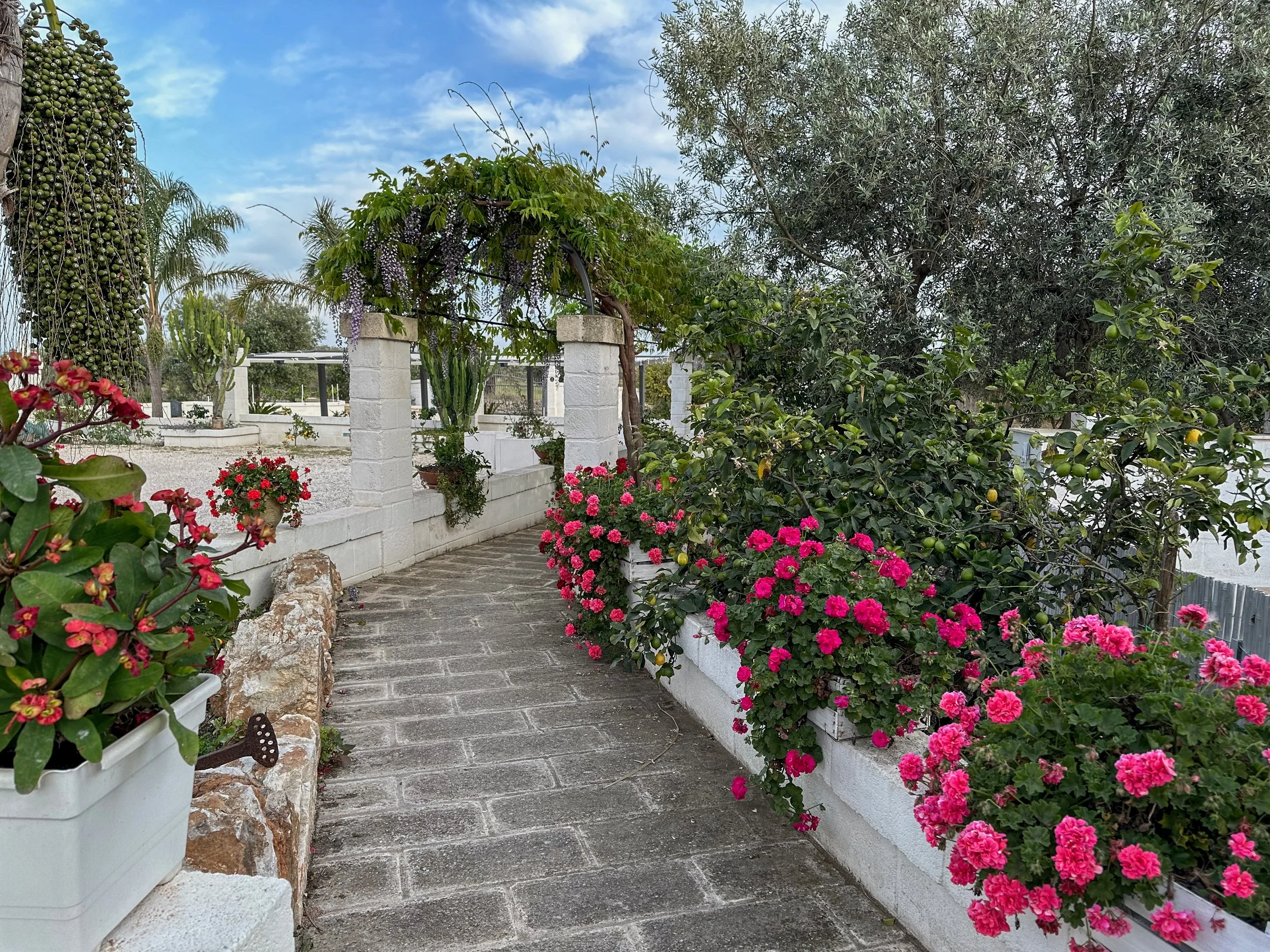
After we had the cheese we needed, we headed to our next stop to pick up our produce, the farm school Azienda Agricola Masseria Monte. It happened to be the most picturesque place, made even lovelier by golden hour.
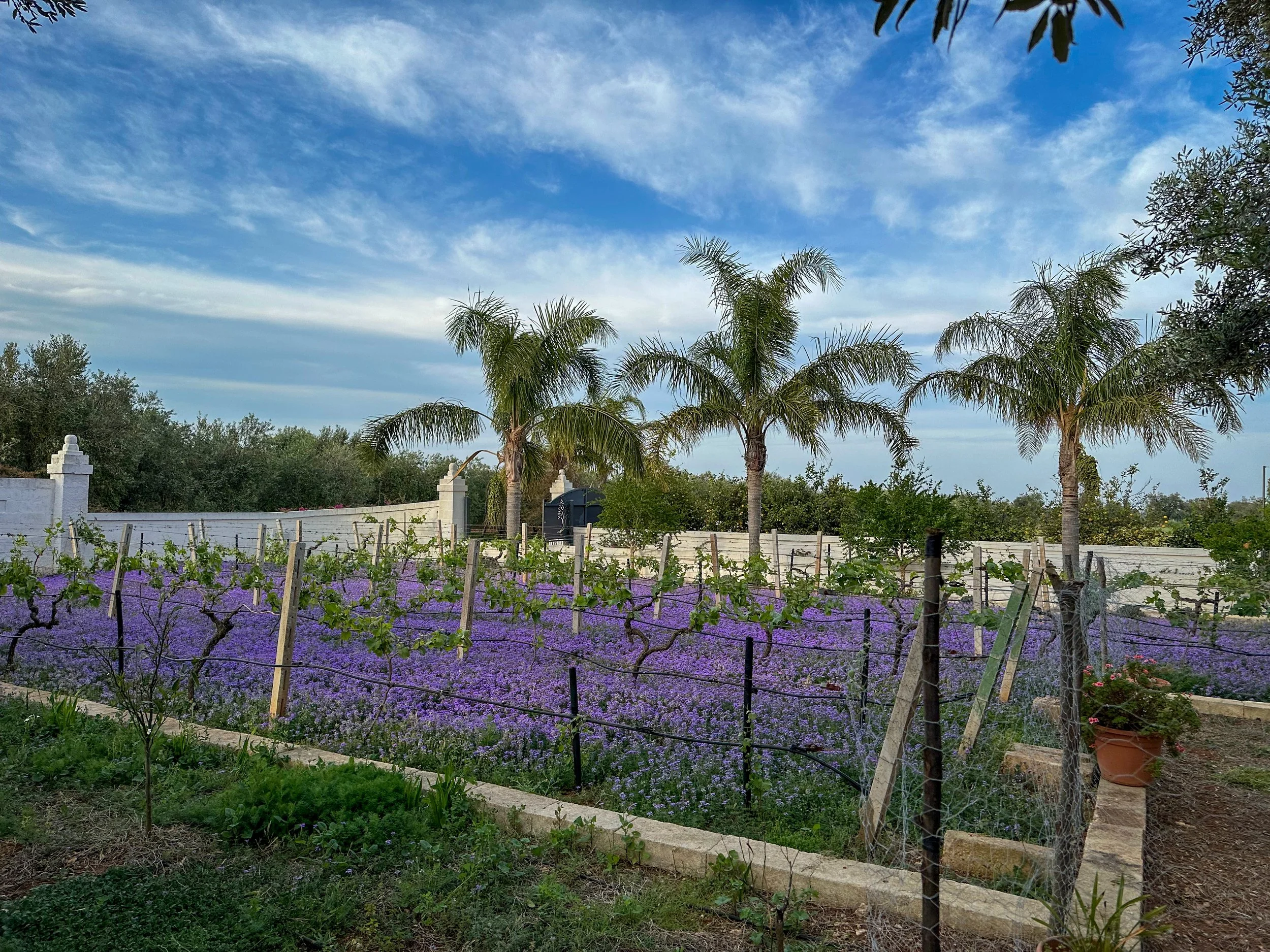
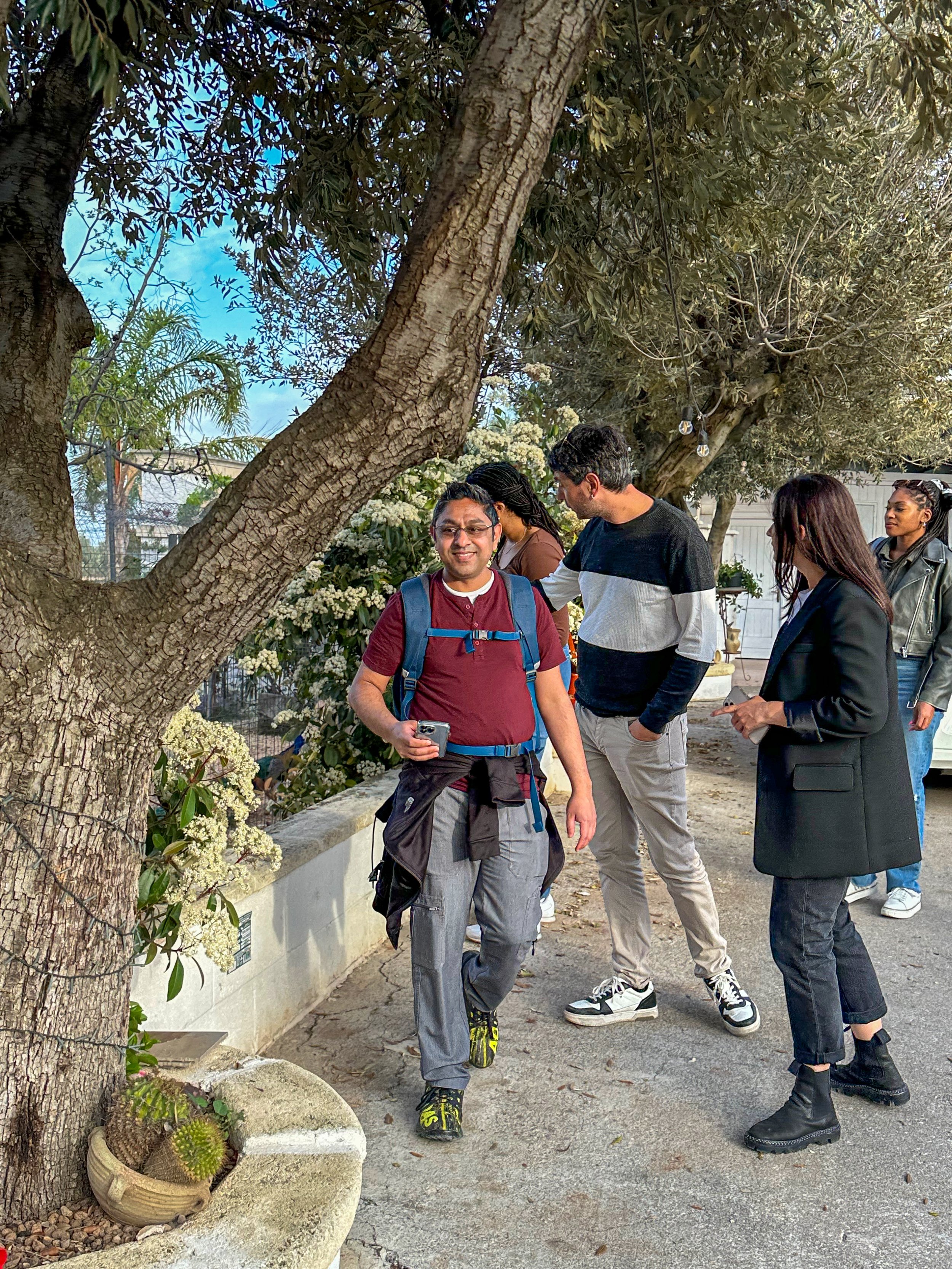
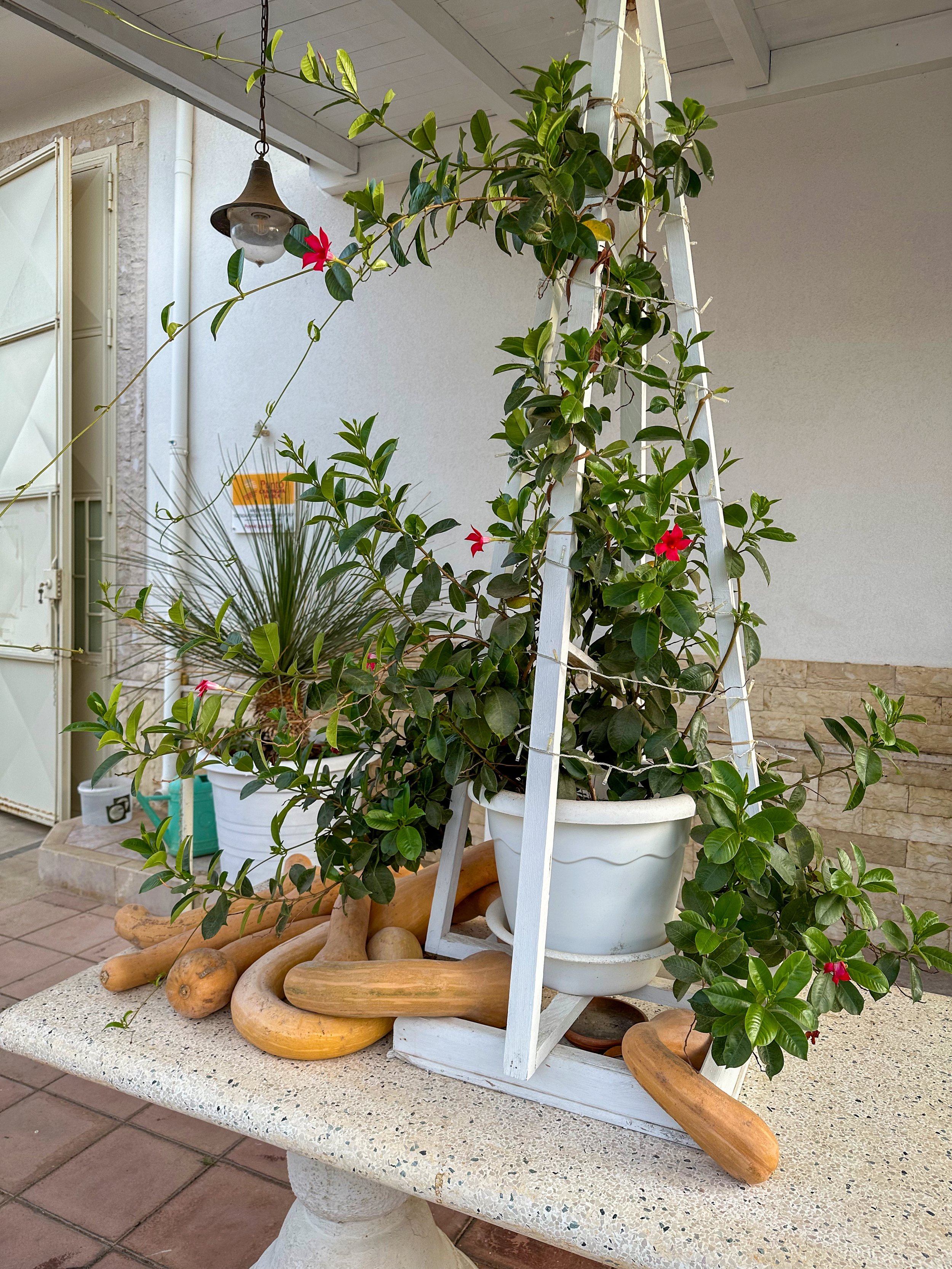
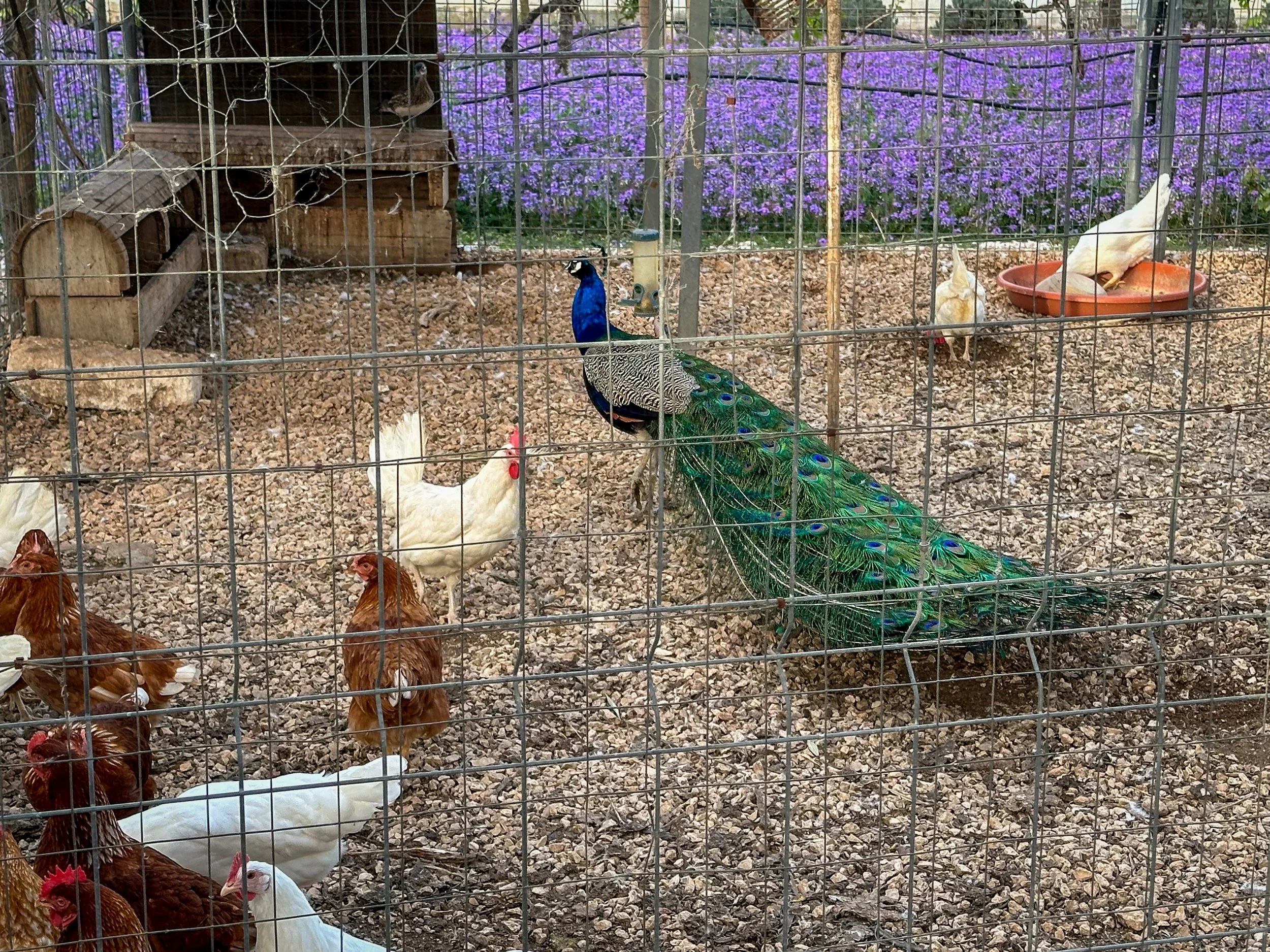
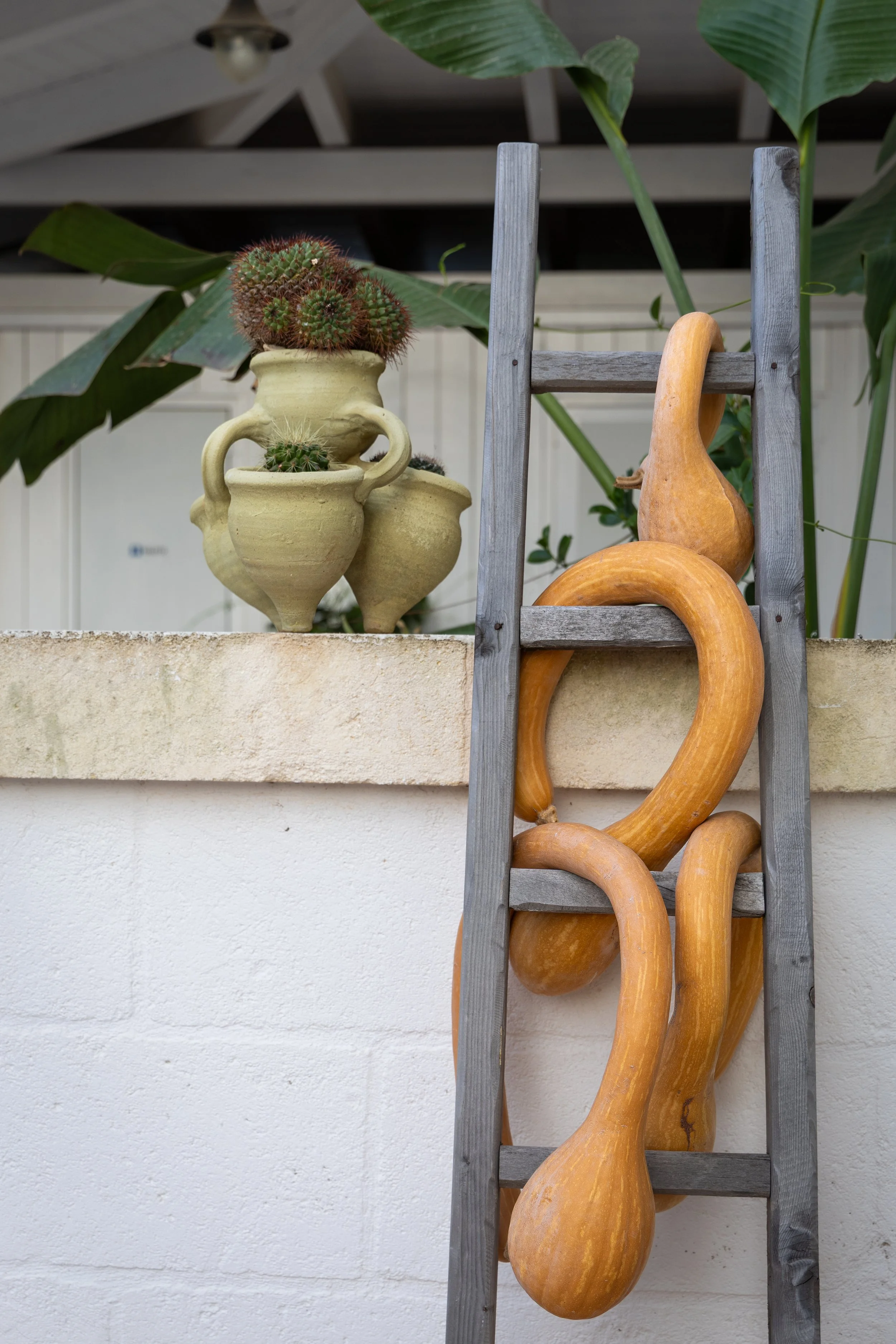
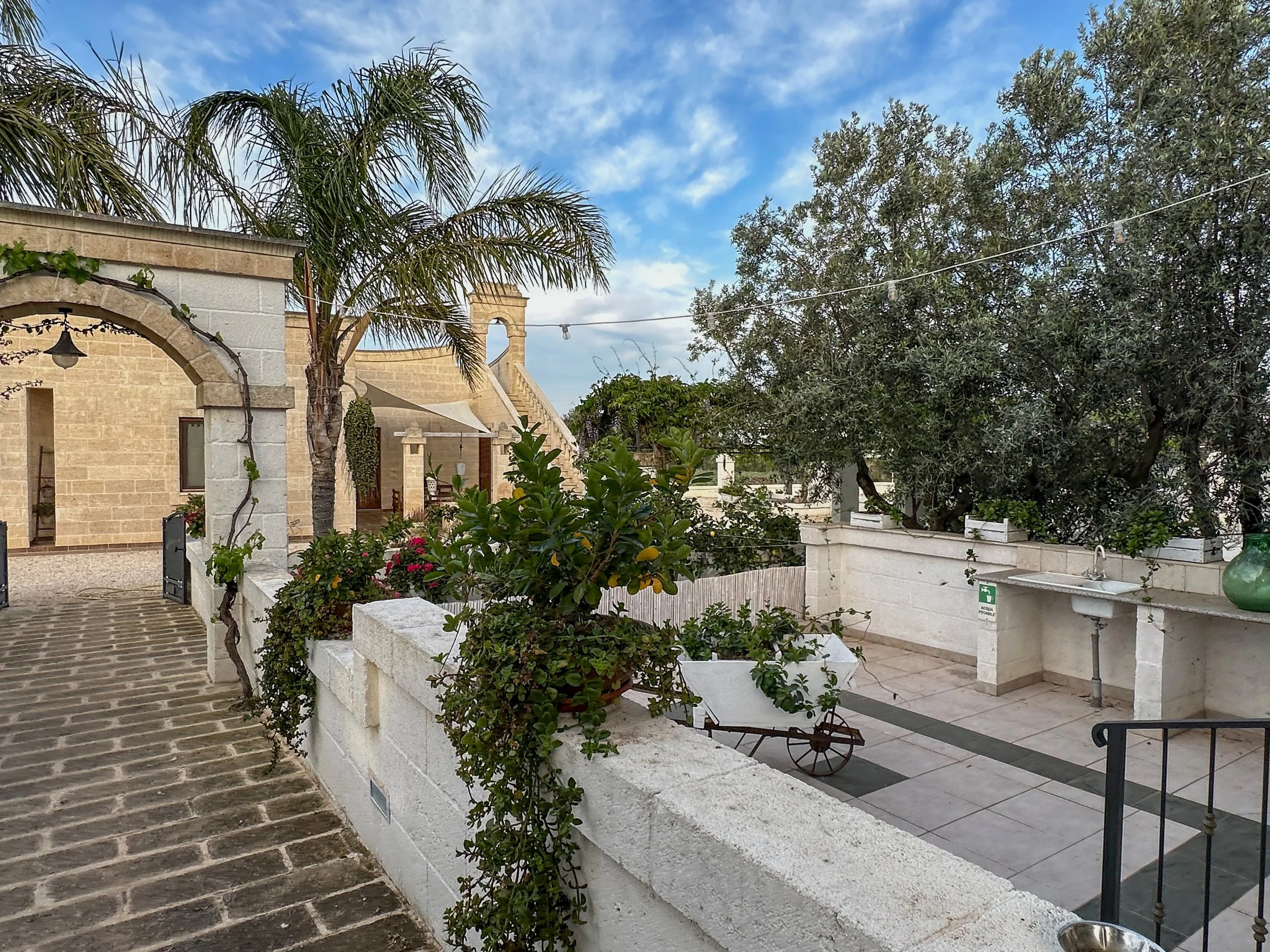
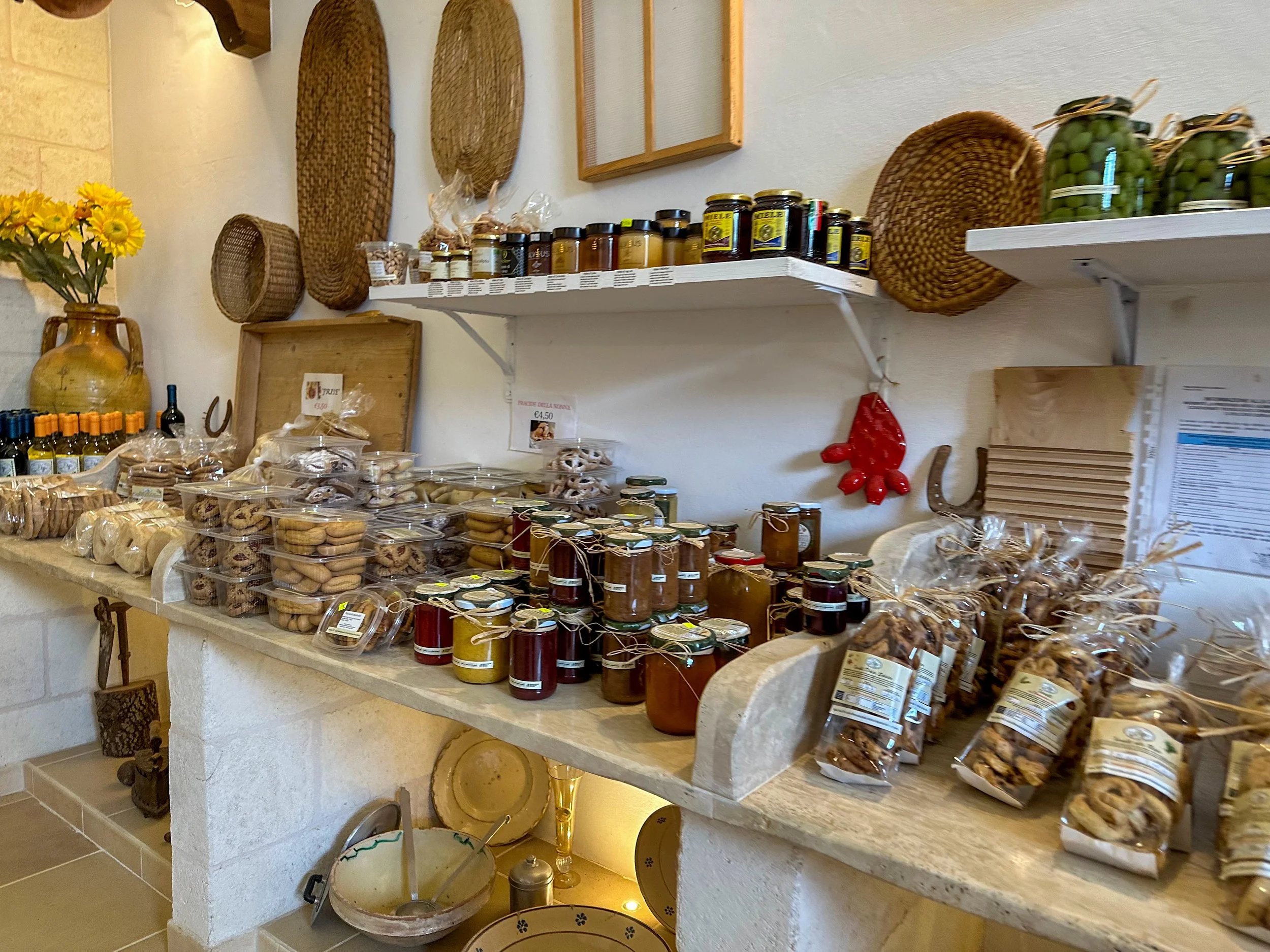
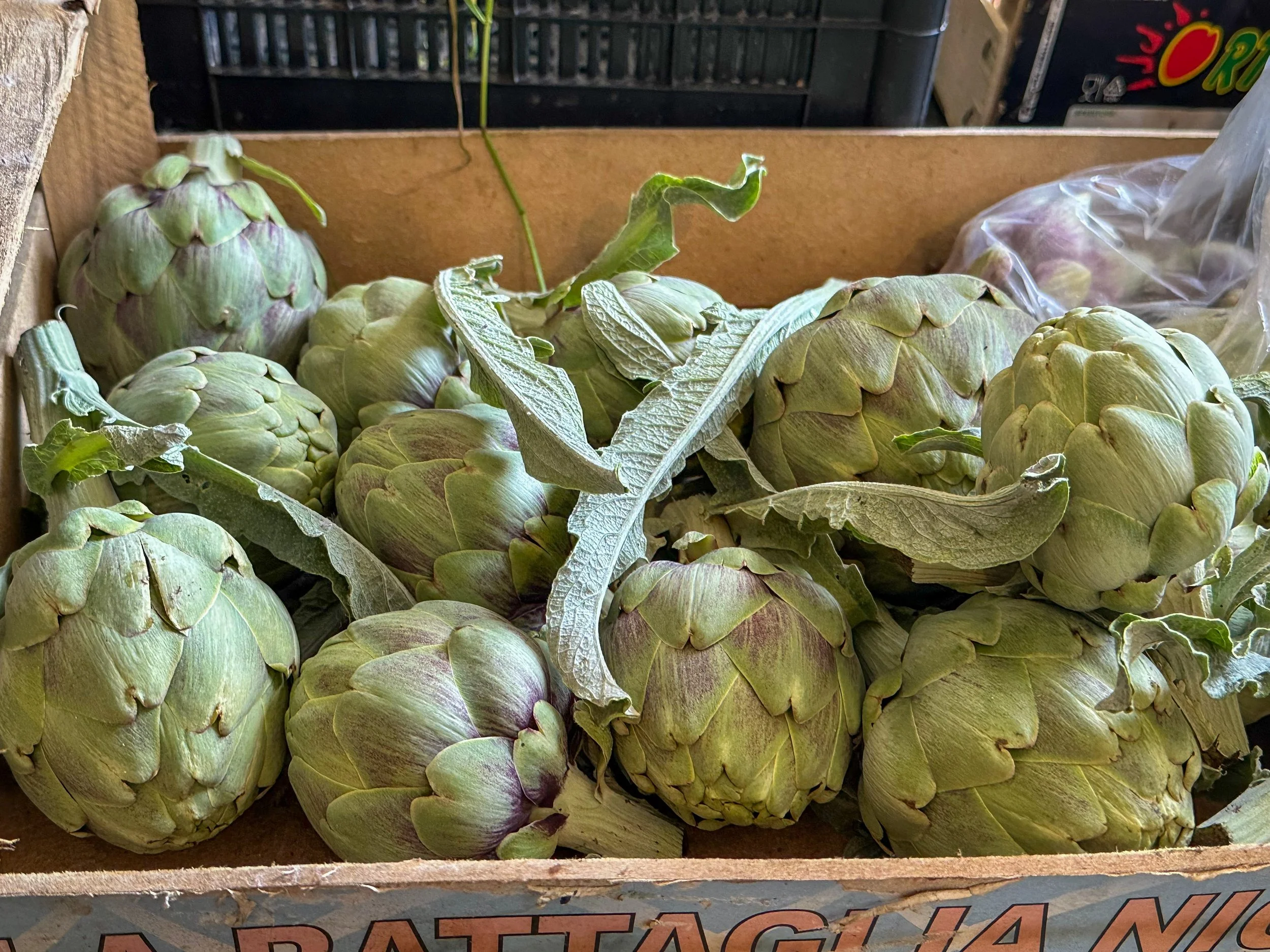
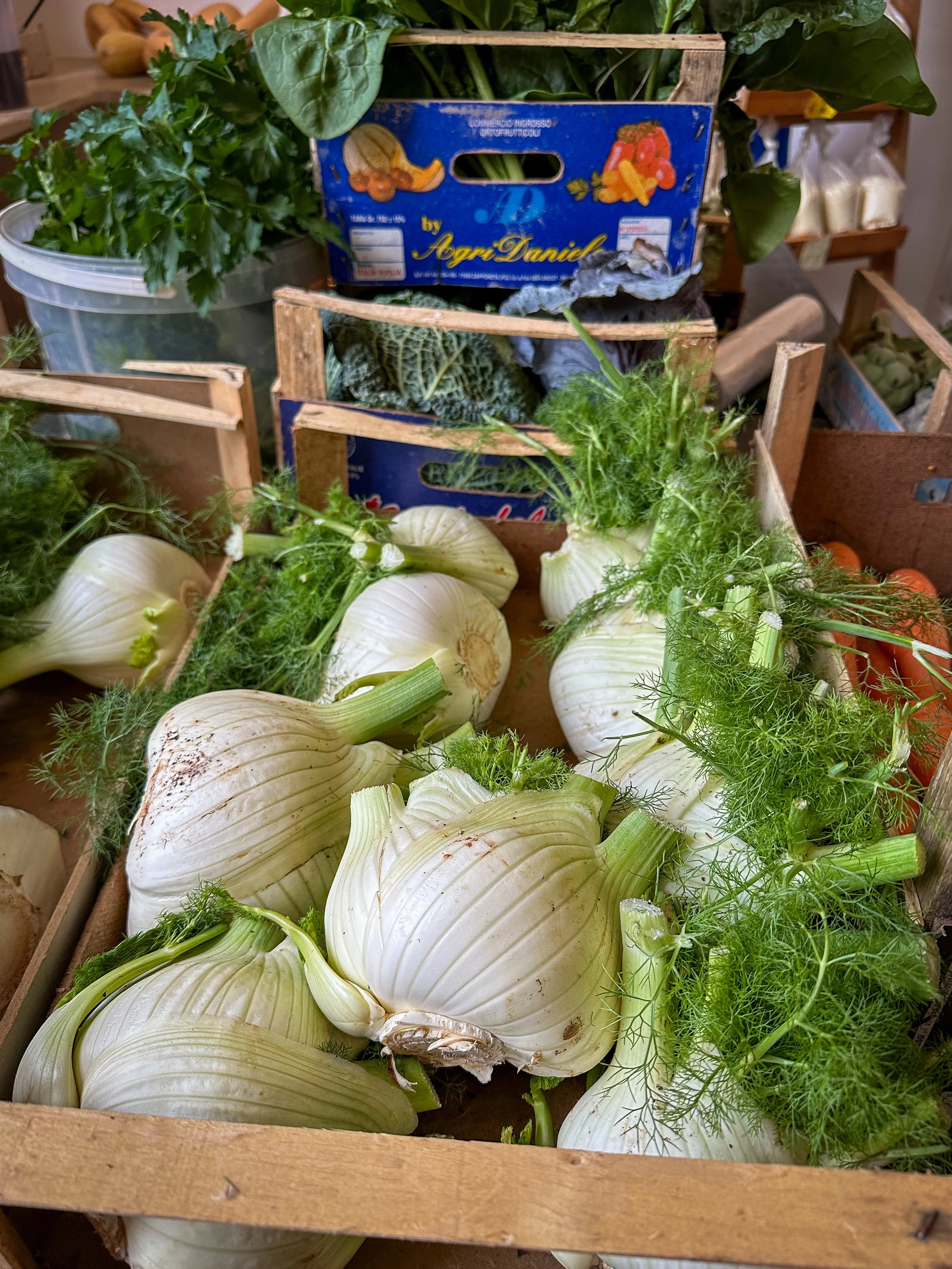
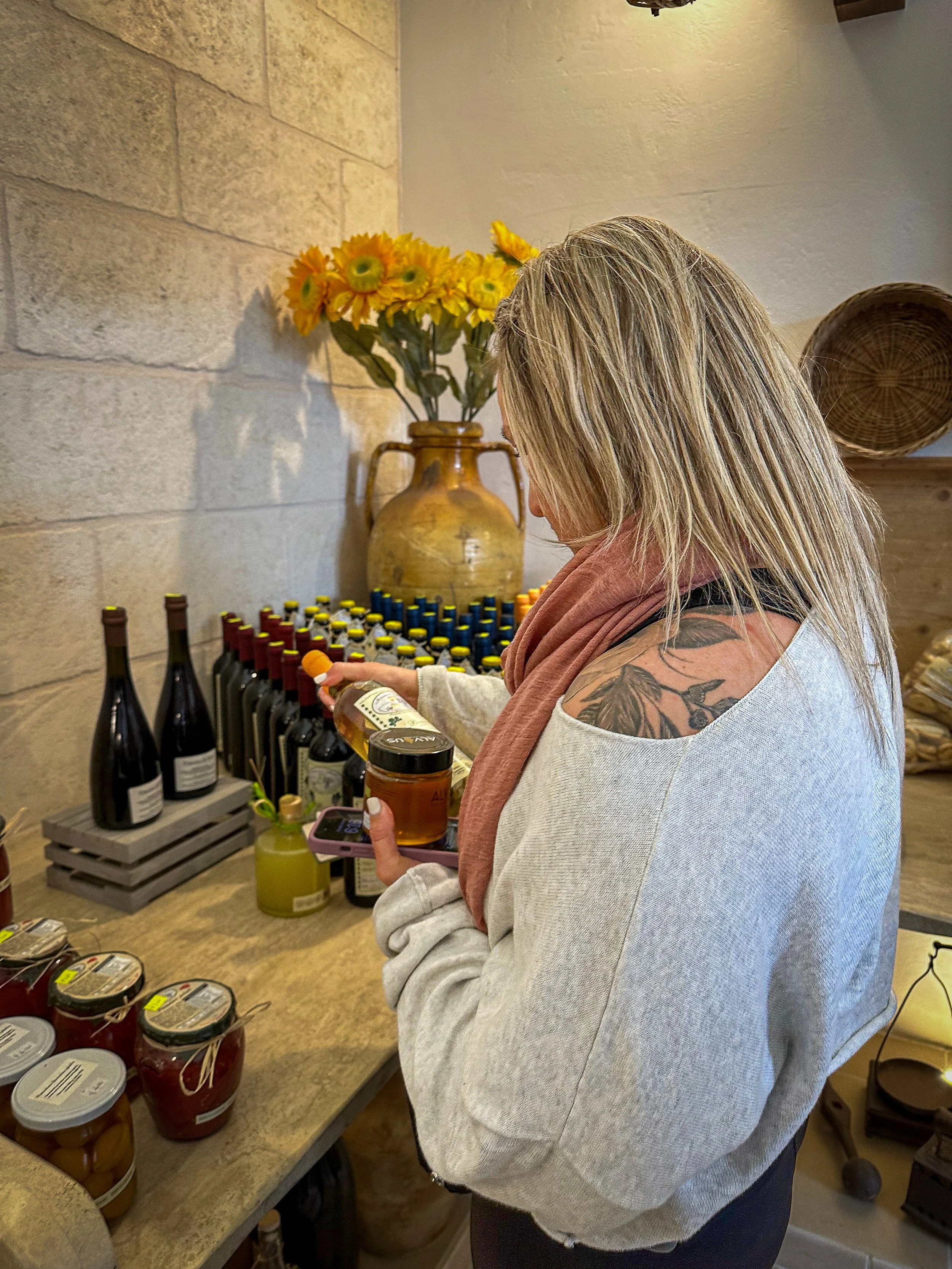
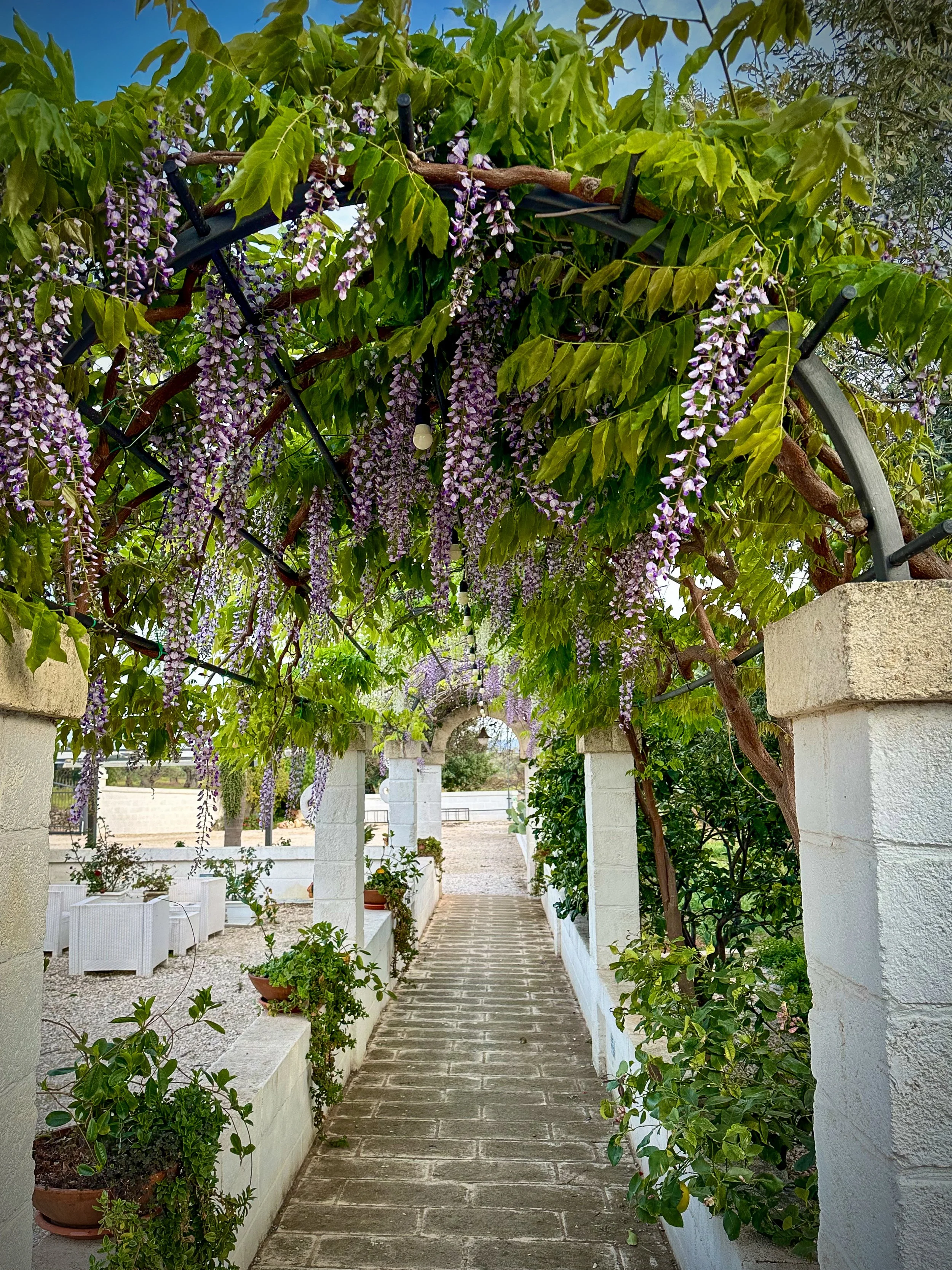
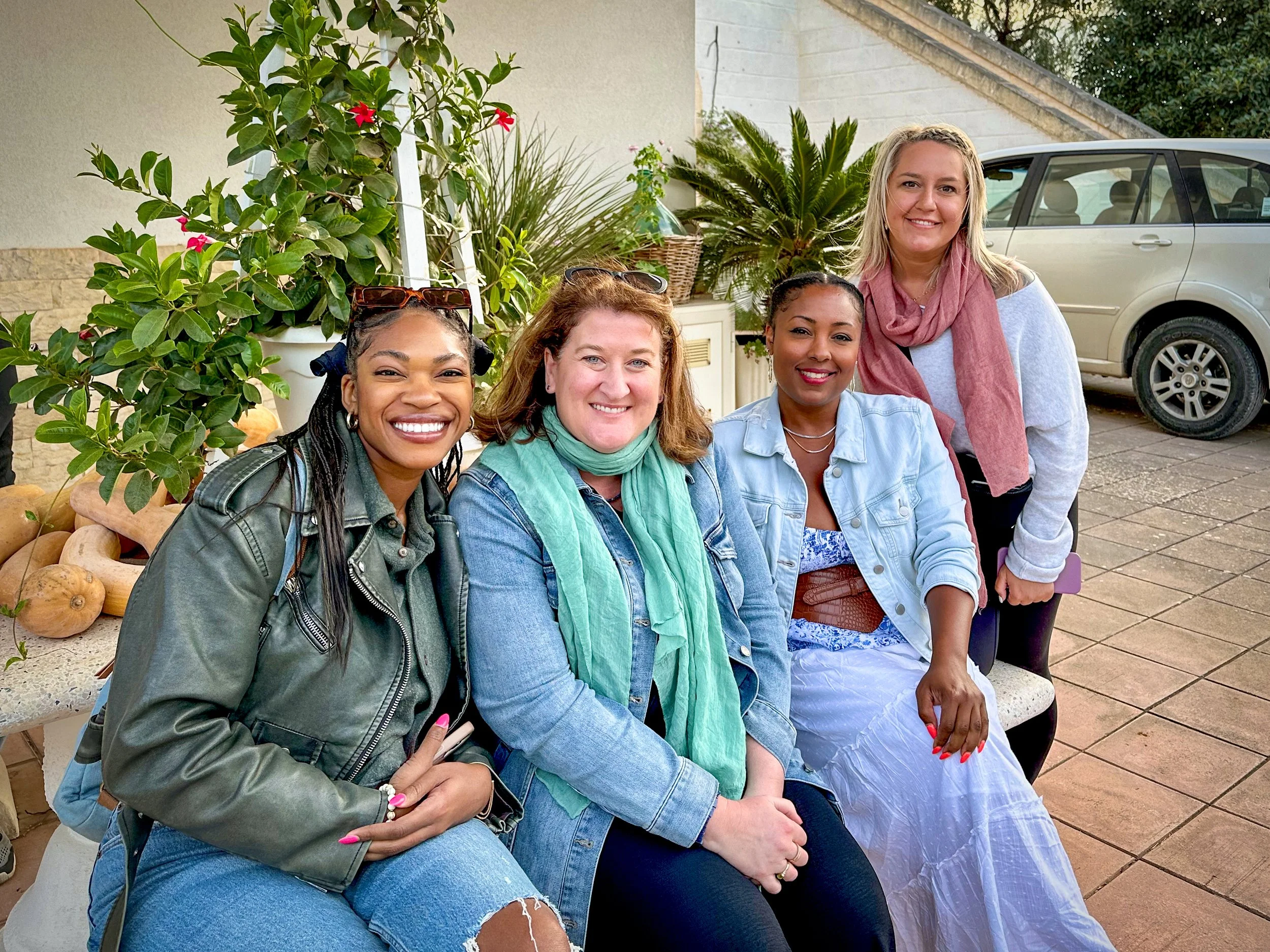
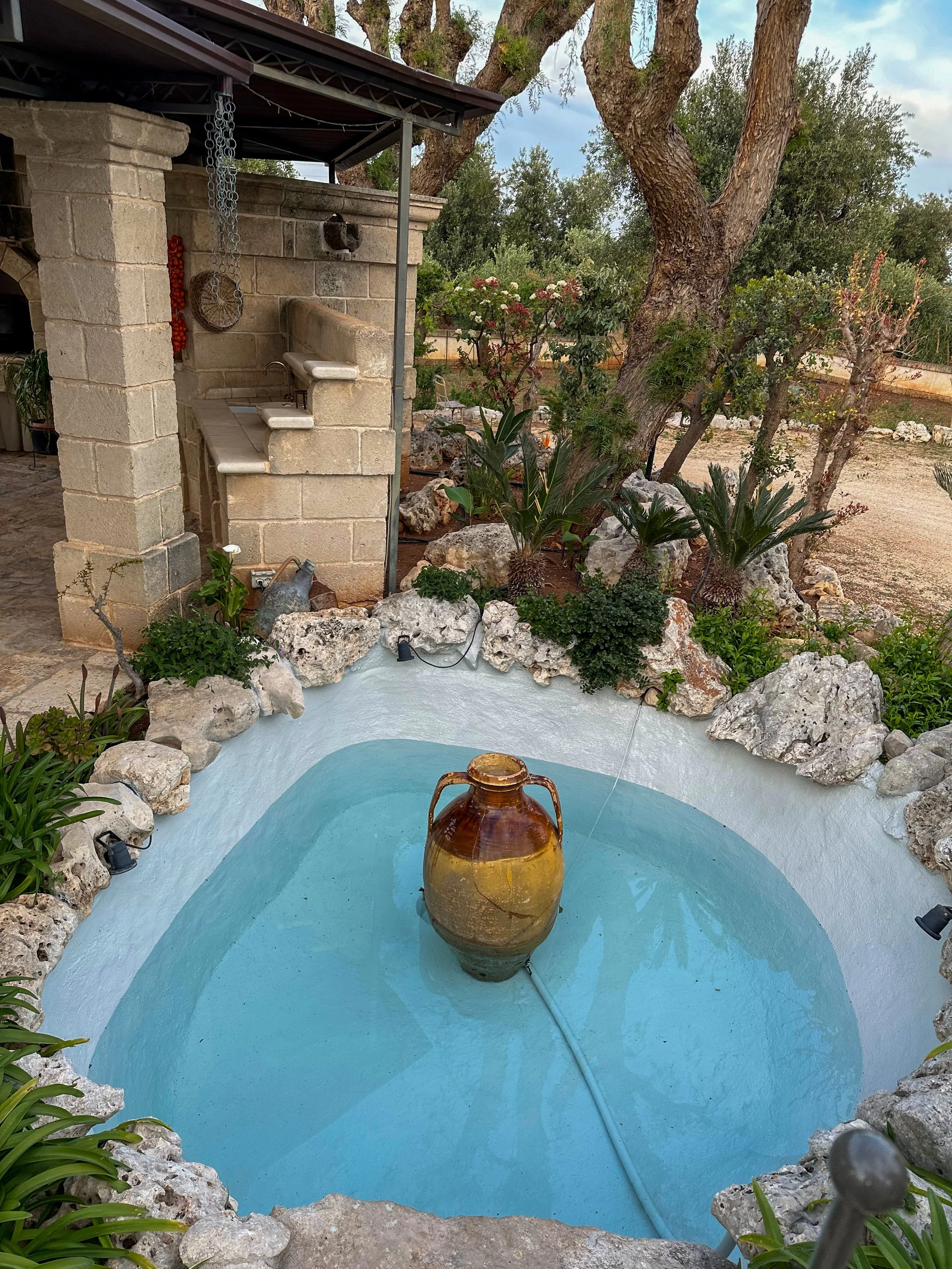
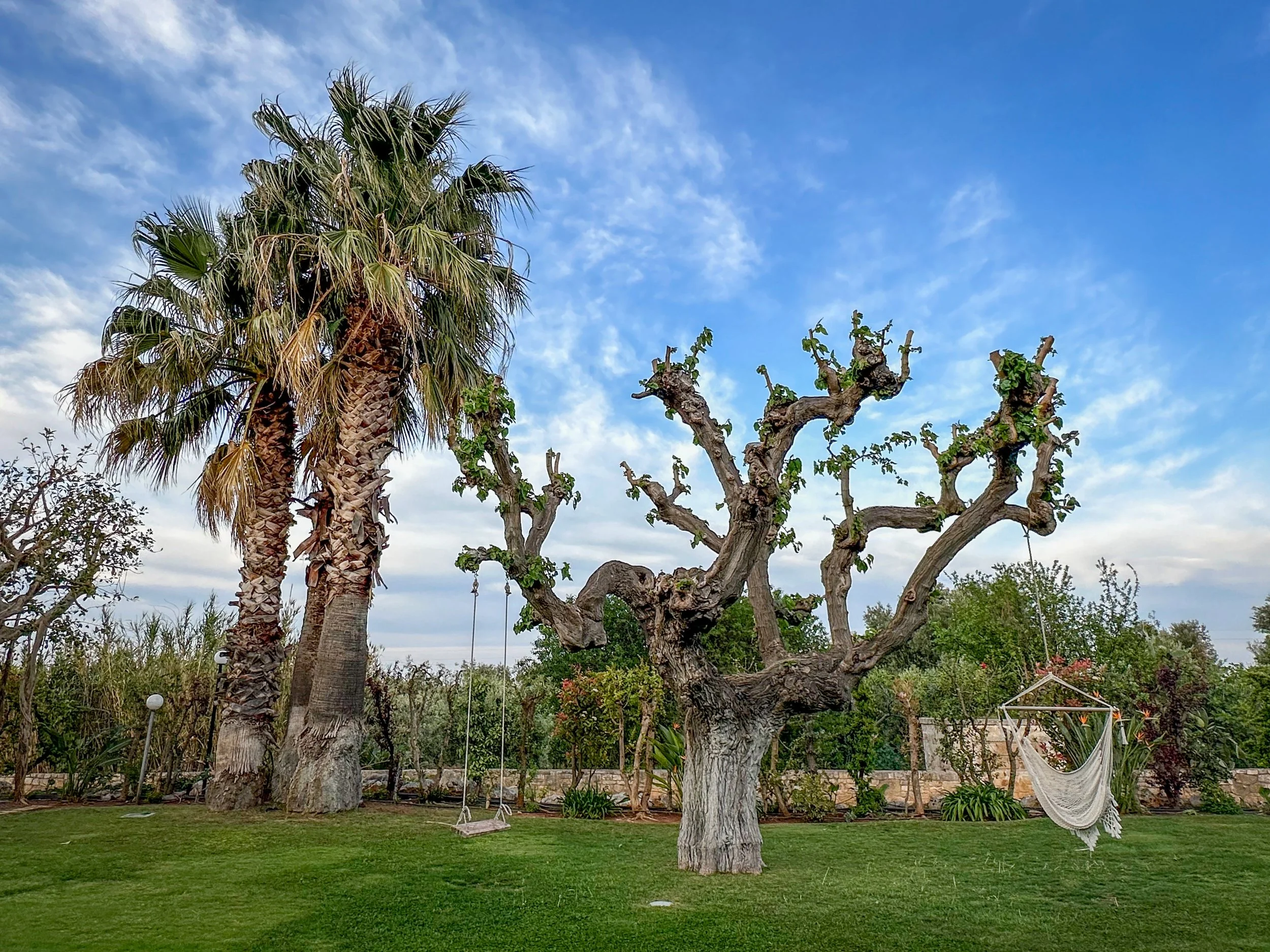
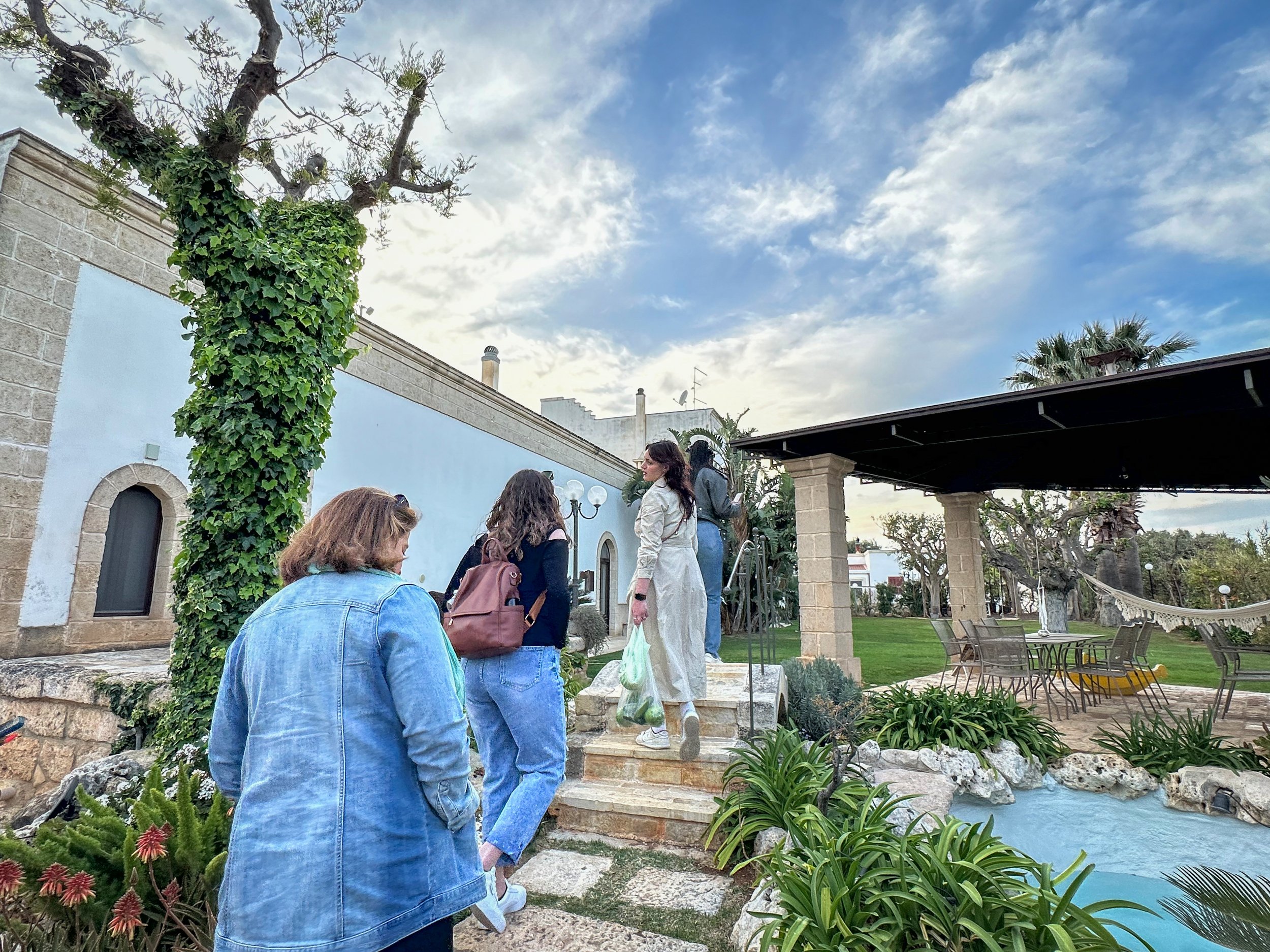
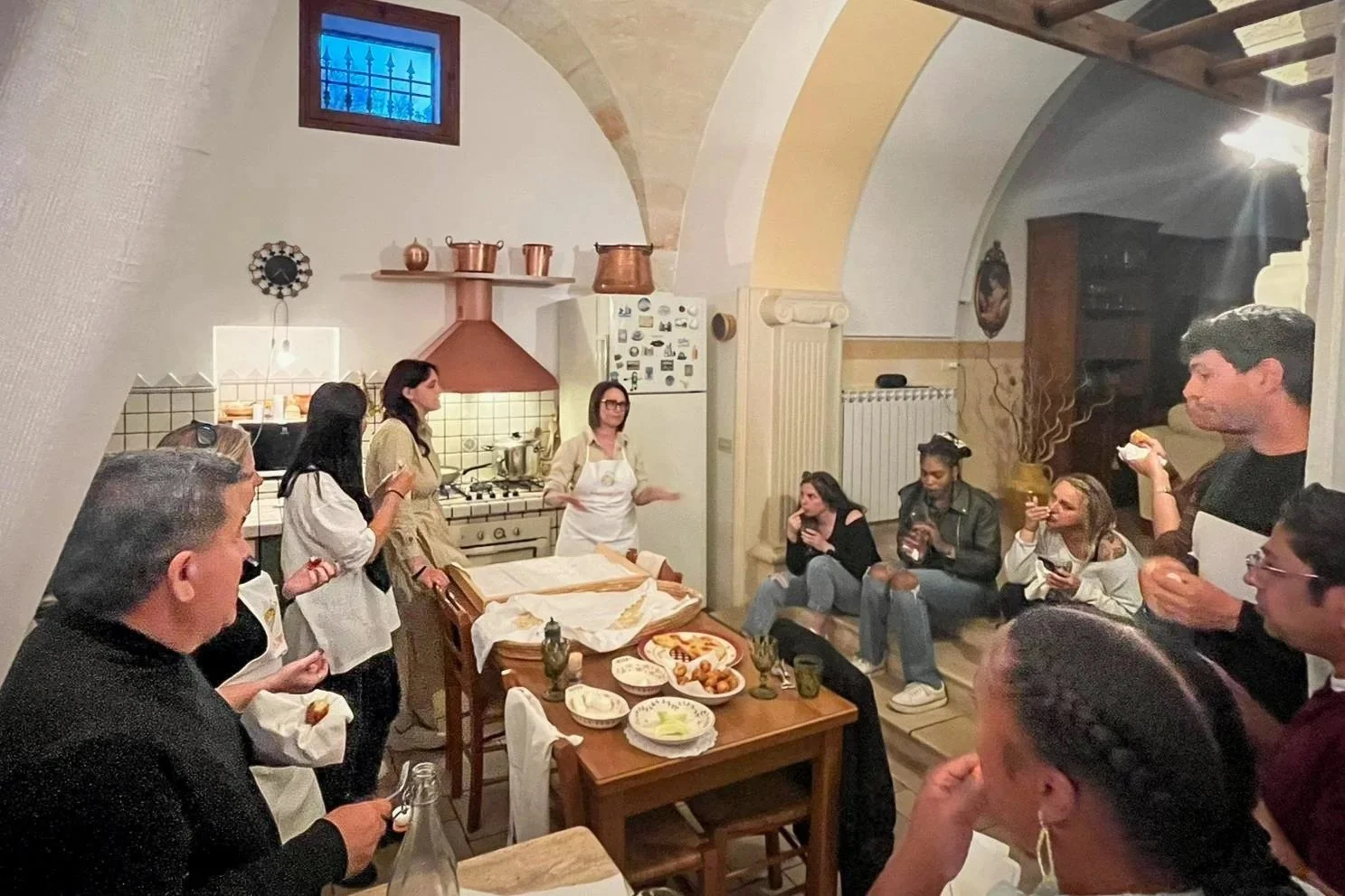
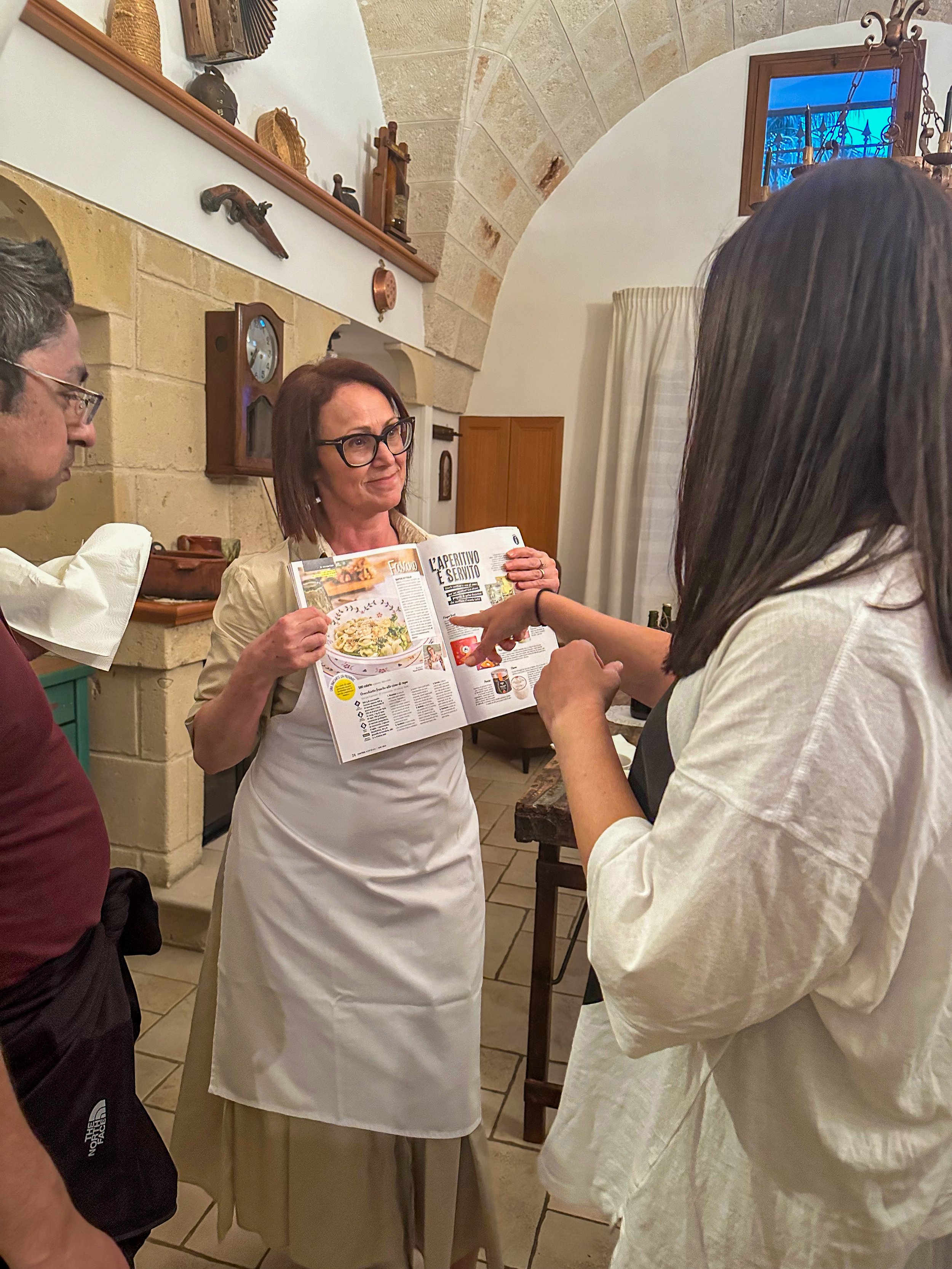
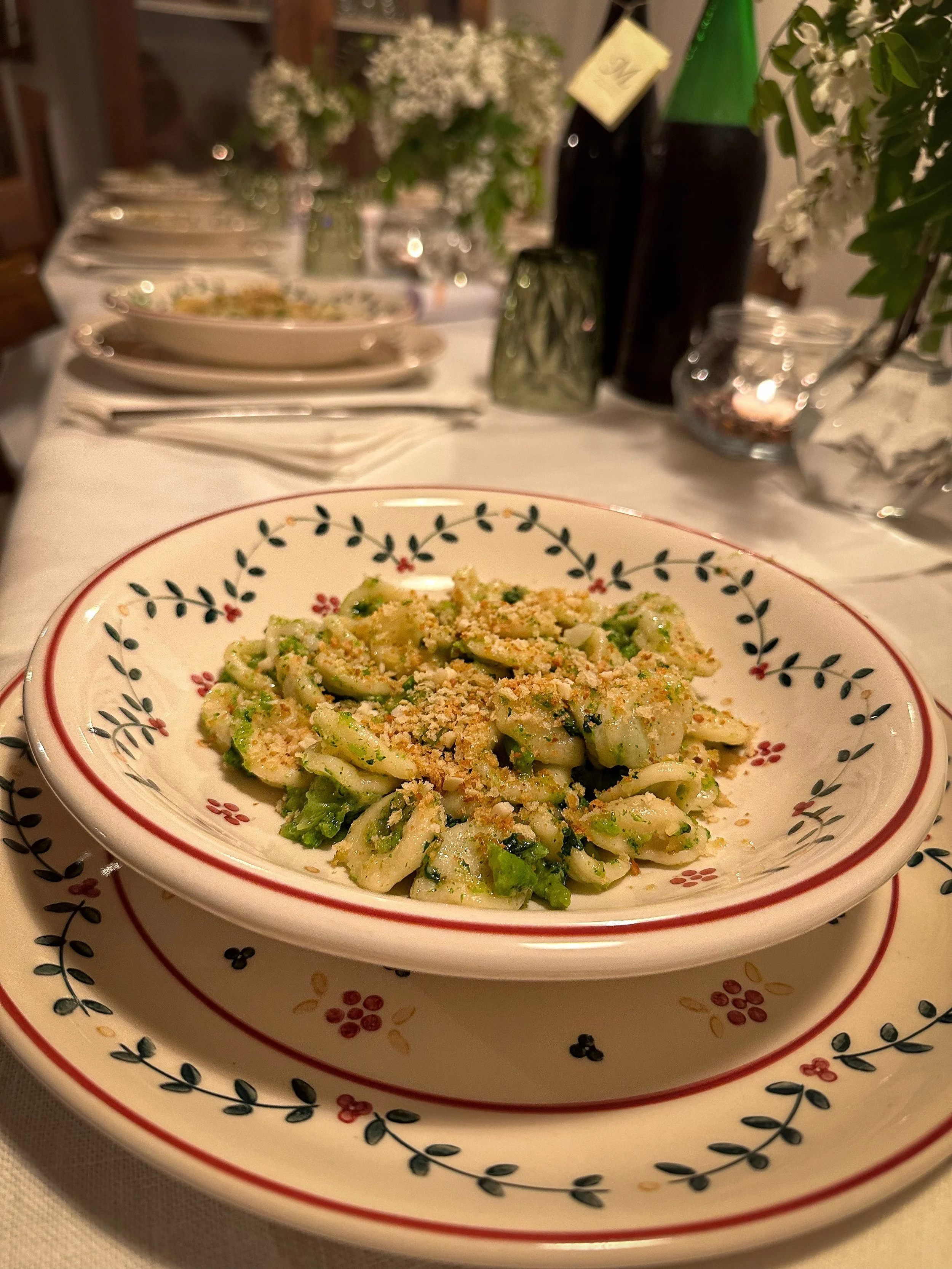
Finally, we made our way to our last stop: Masseria La Foggia, a traditional Apulian farmhouse where we'd prepare and eat a memorable meal together with everything we'd gathered. I had originally thought this was a full cooking class, but it turned out to mostly be already made in the interest of complexity and time, though we were invited to help out if we wanted. I had been looking forward to cooking, so definitely jumped in where I could! The main course on the menu was orecchiette, which is the unofficial (maybe official?) pasta of the region. It’s everywhere!
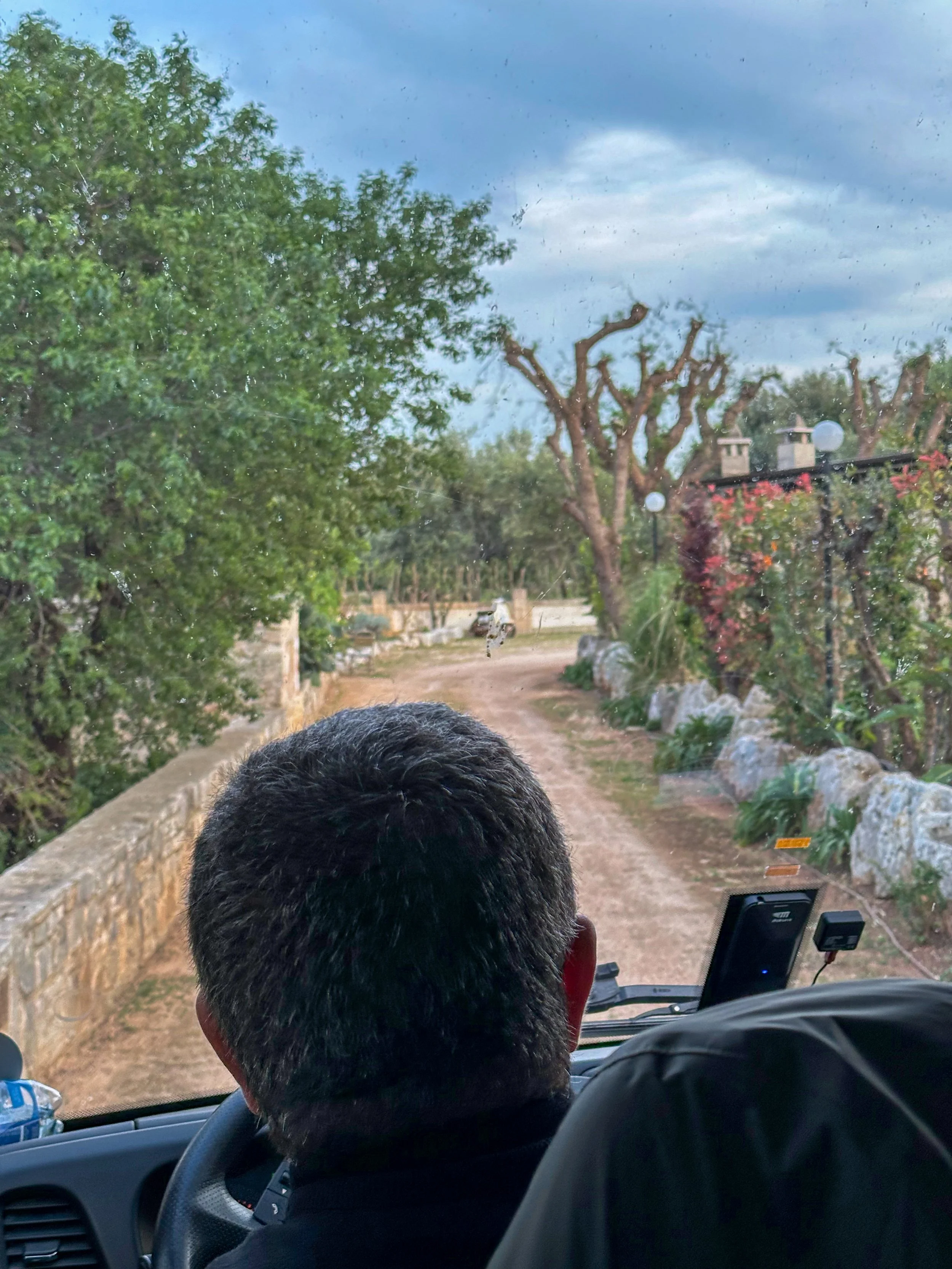
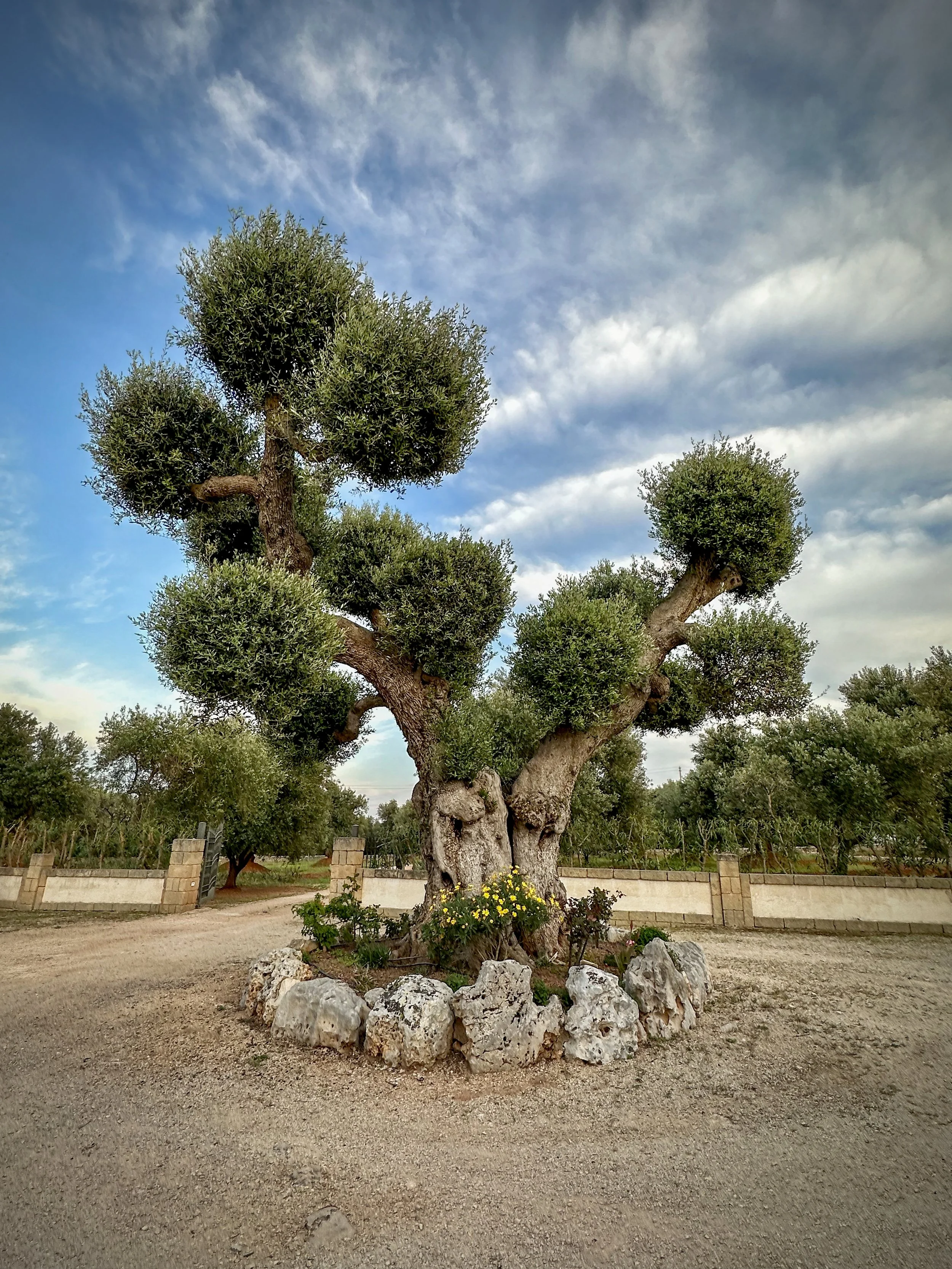
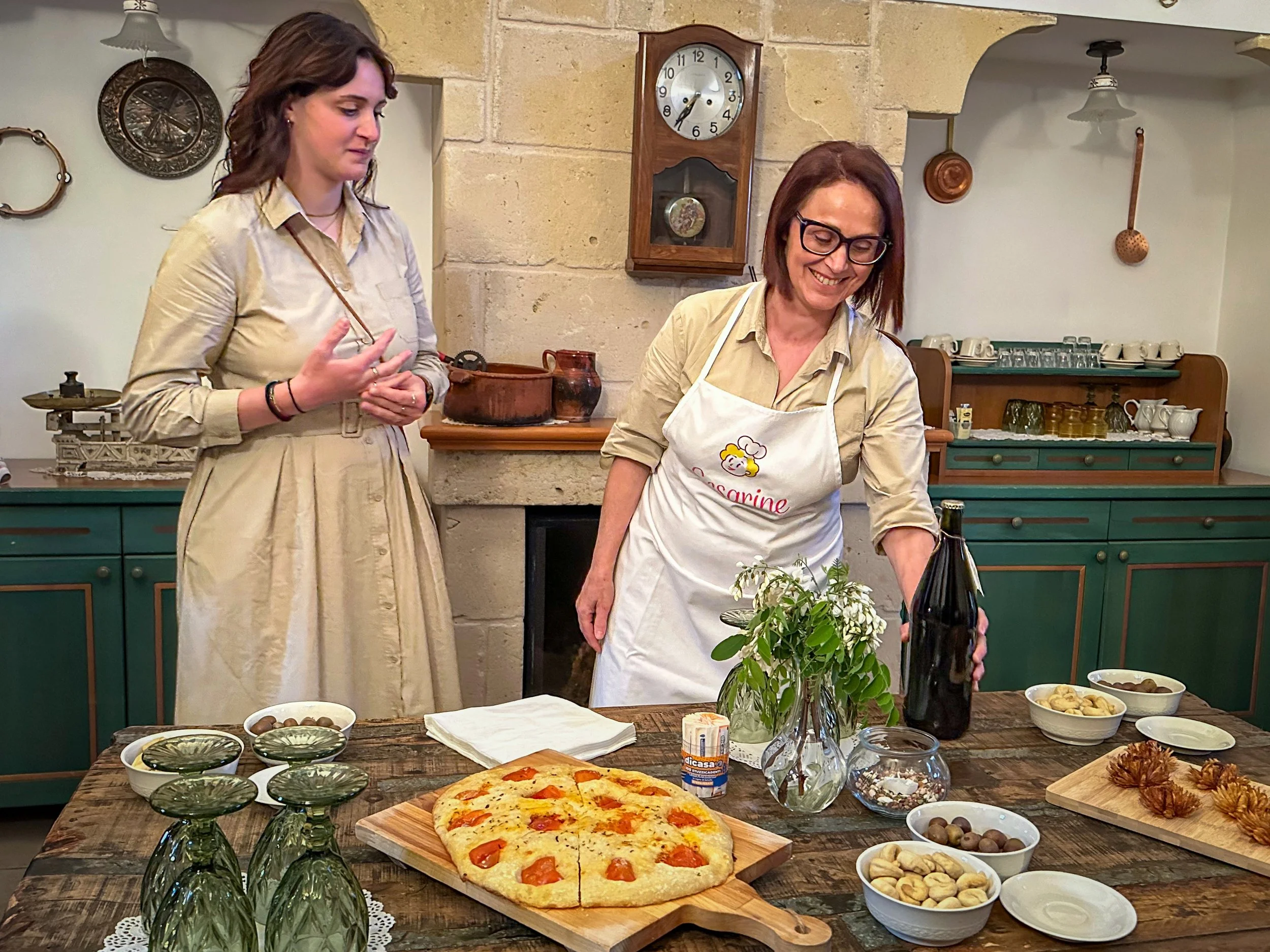
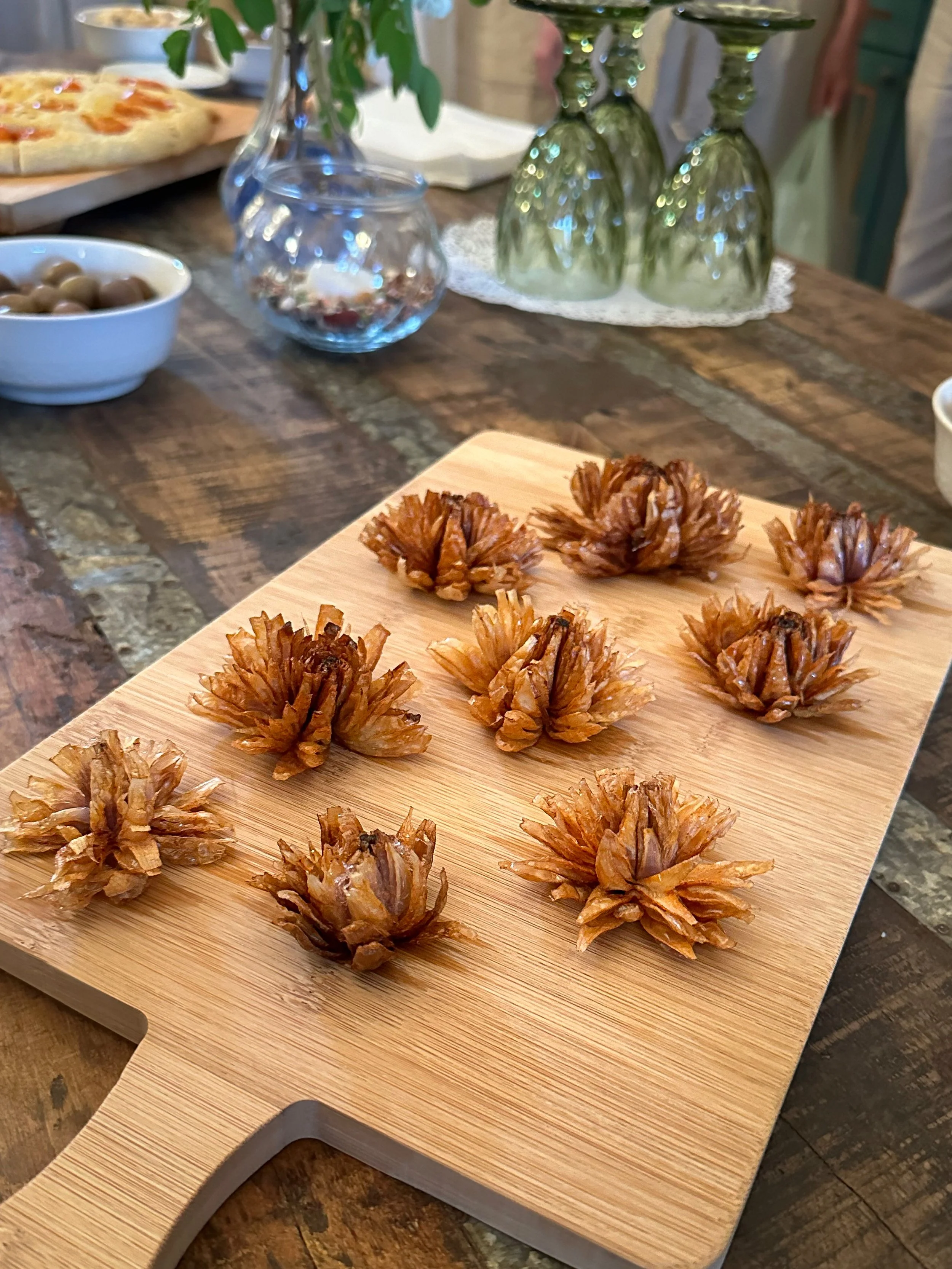
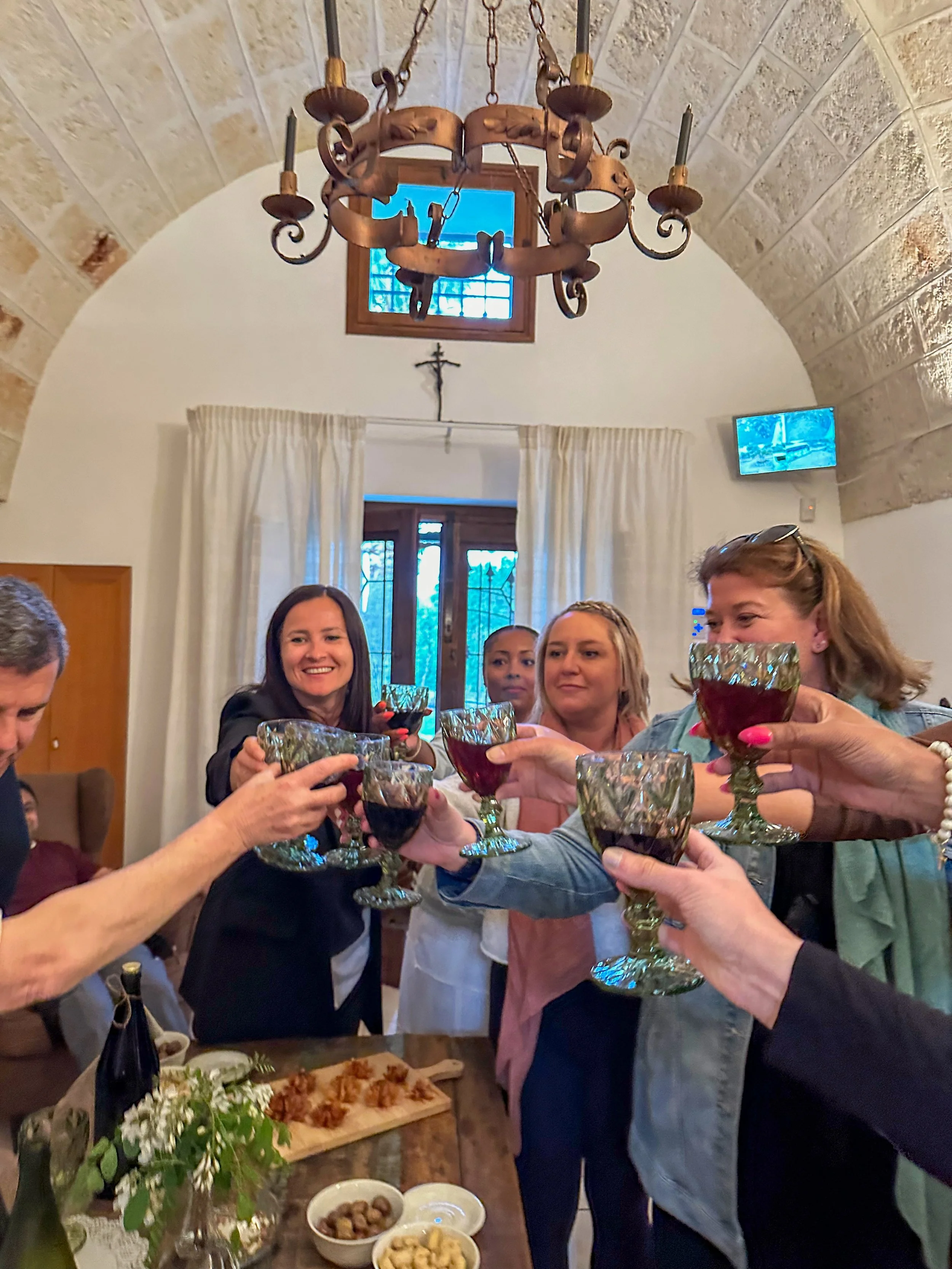
We started out with some appetizers and wine as our hosts got things going, including two Apulian specialties. First, a homemade focaccia barese, the local style of focaccia that's denser and oilier than the focaccia I typically know, with tomatoes baked in. And these two-bite bloomin' onion-looking things that are actually little hyacinth bulbs called lampascione. They had a slightly bitter taste, and used to be the food of poor people before eventually becoming a sought-after regional delicacy.
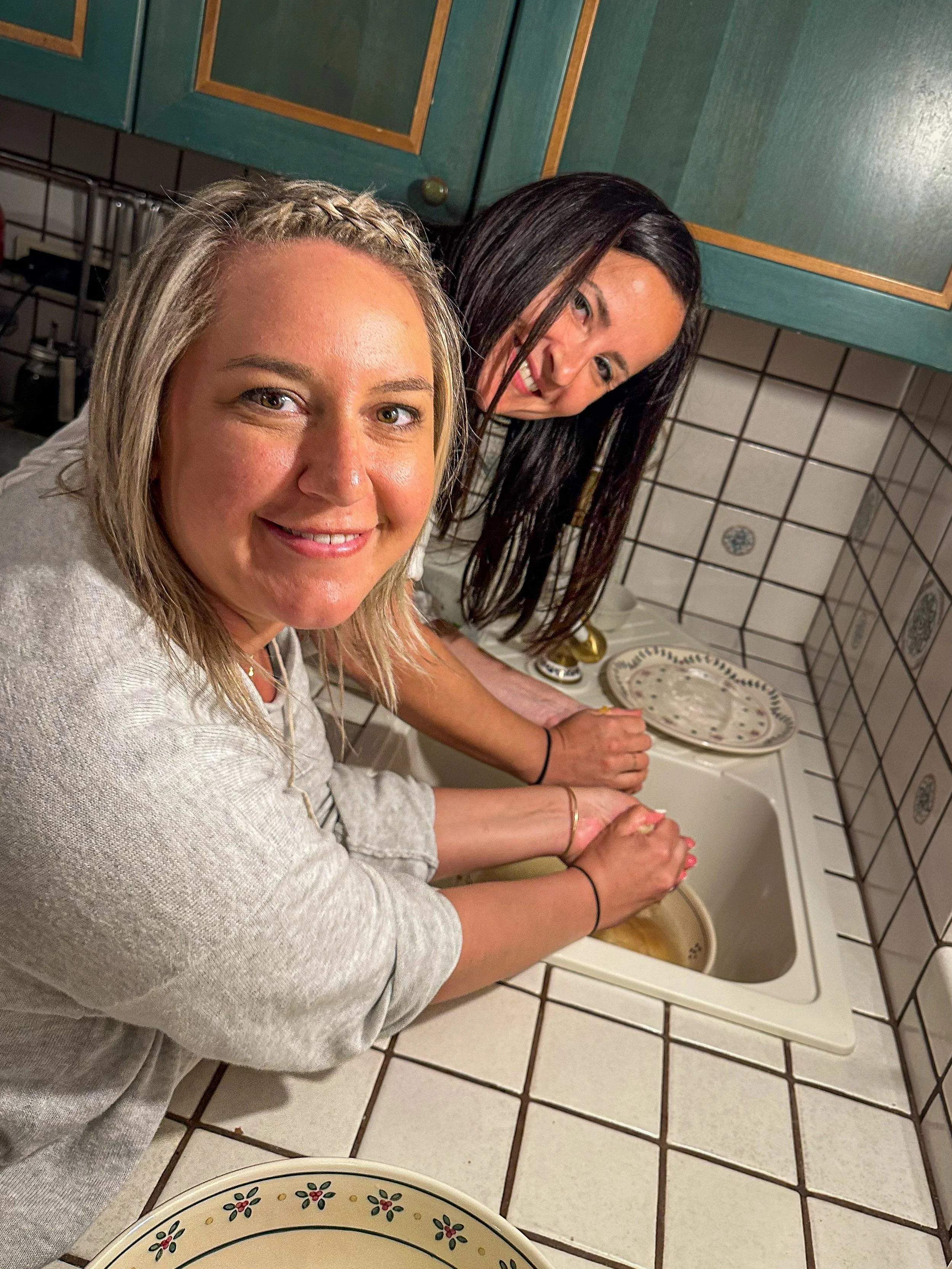
A few of us jumped in to make these little bread puff things called pittule. Honestly the process itself was not too appetizing at the beginning – it’s completely saturated bread that you wring out — but the finished product was so light and fluffy and delicious!
Then we made the orecchiette, while our host made a very fresh sauce out of turnip greens to mix in.
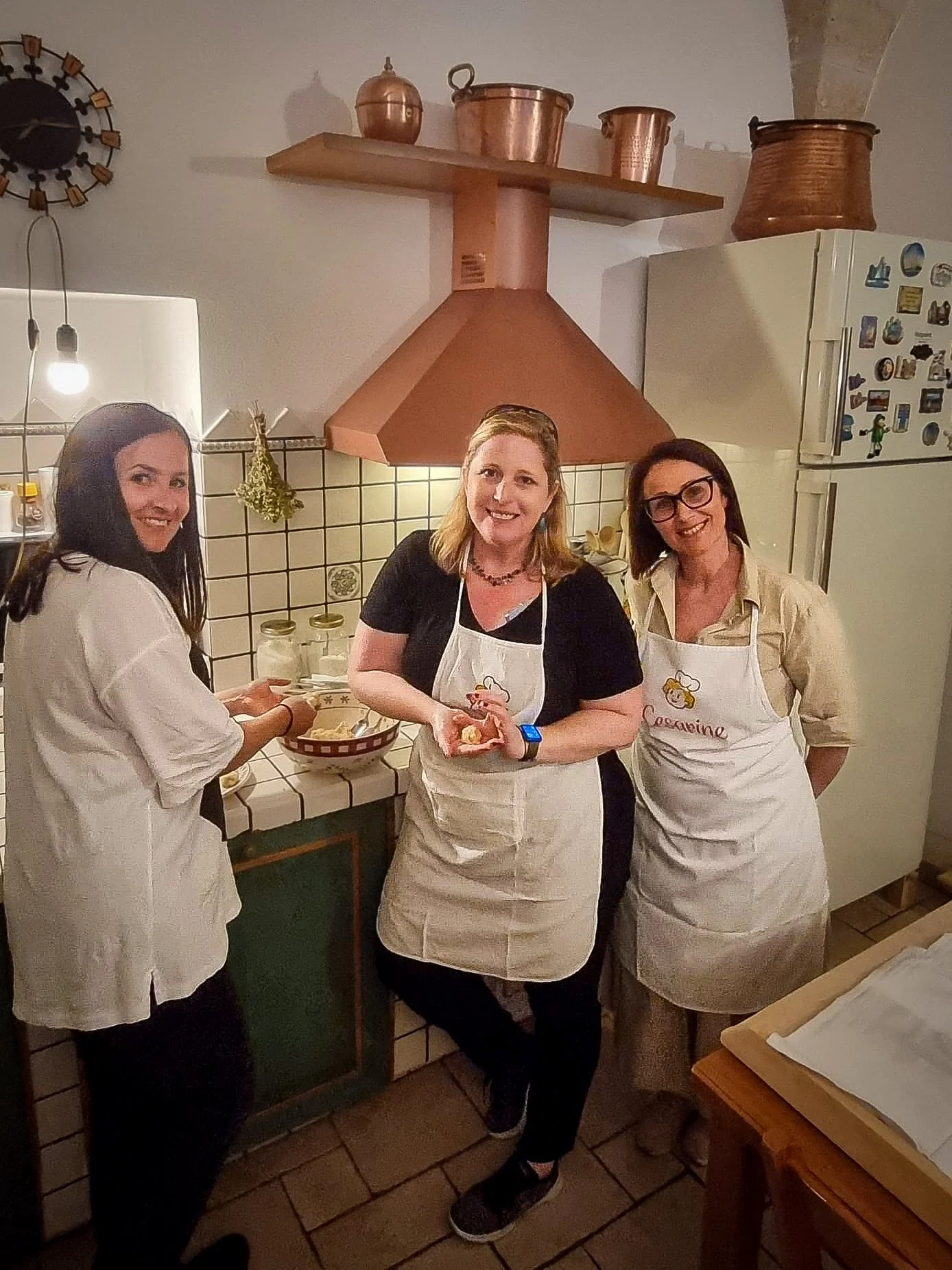
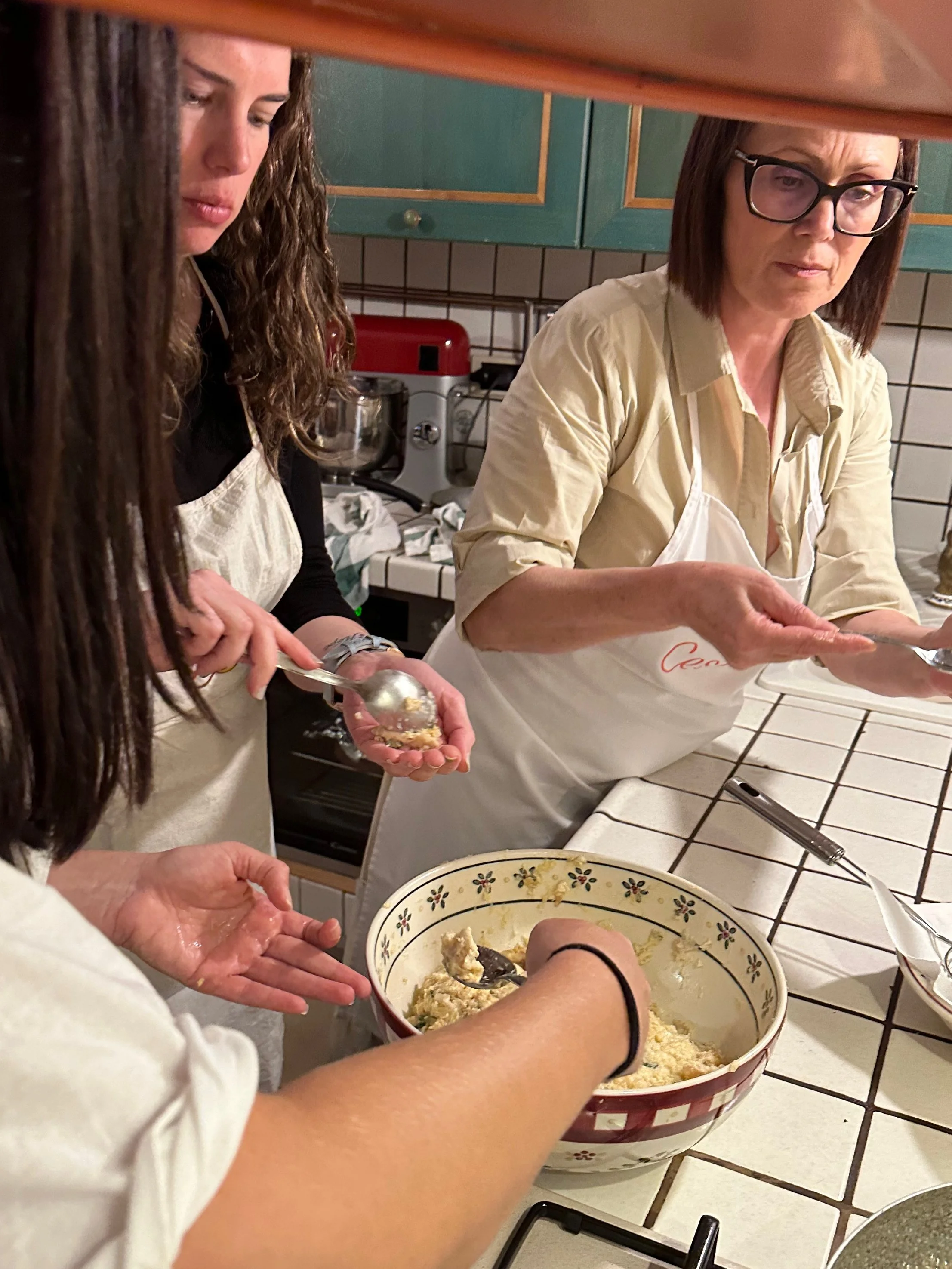
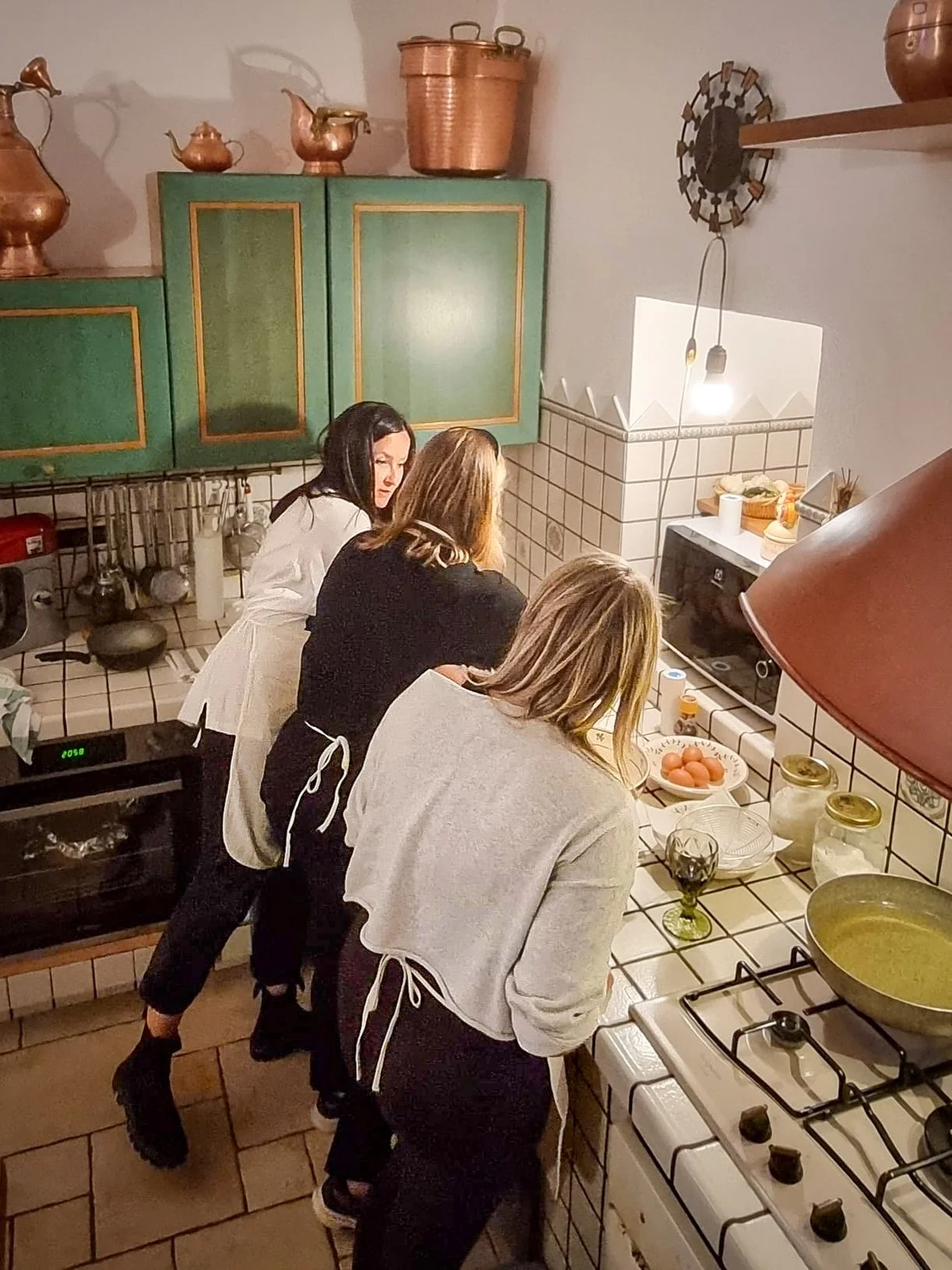
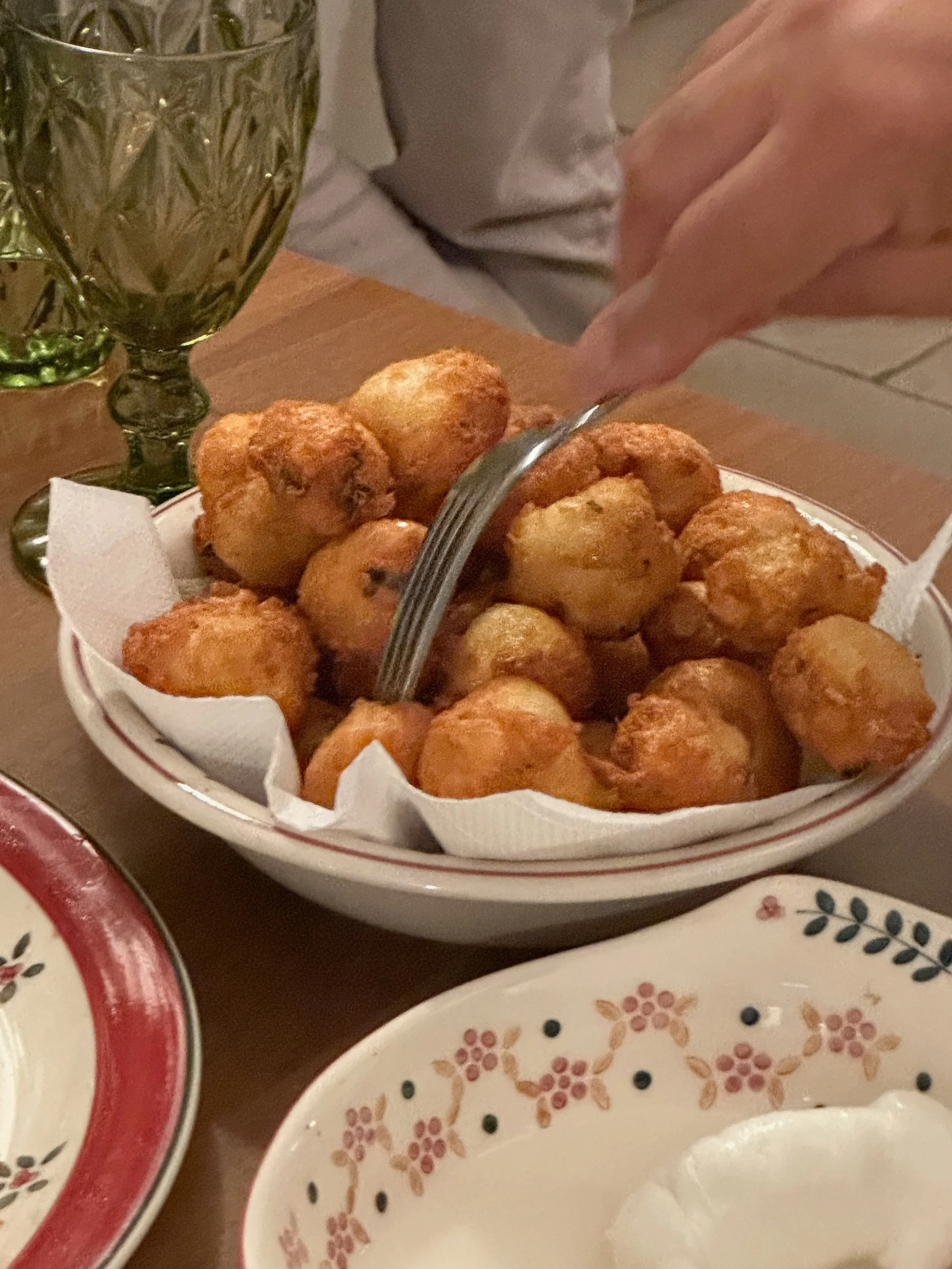
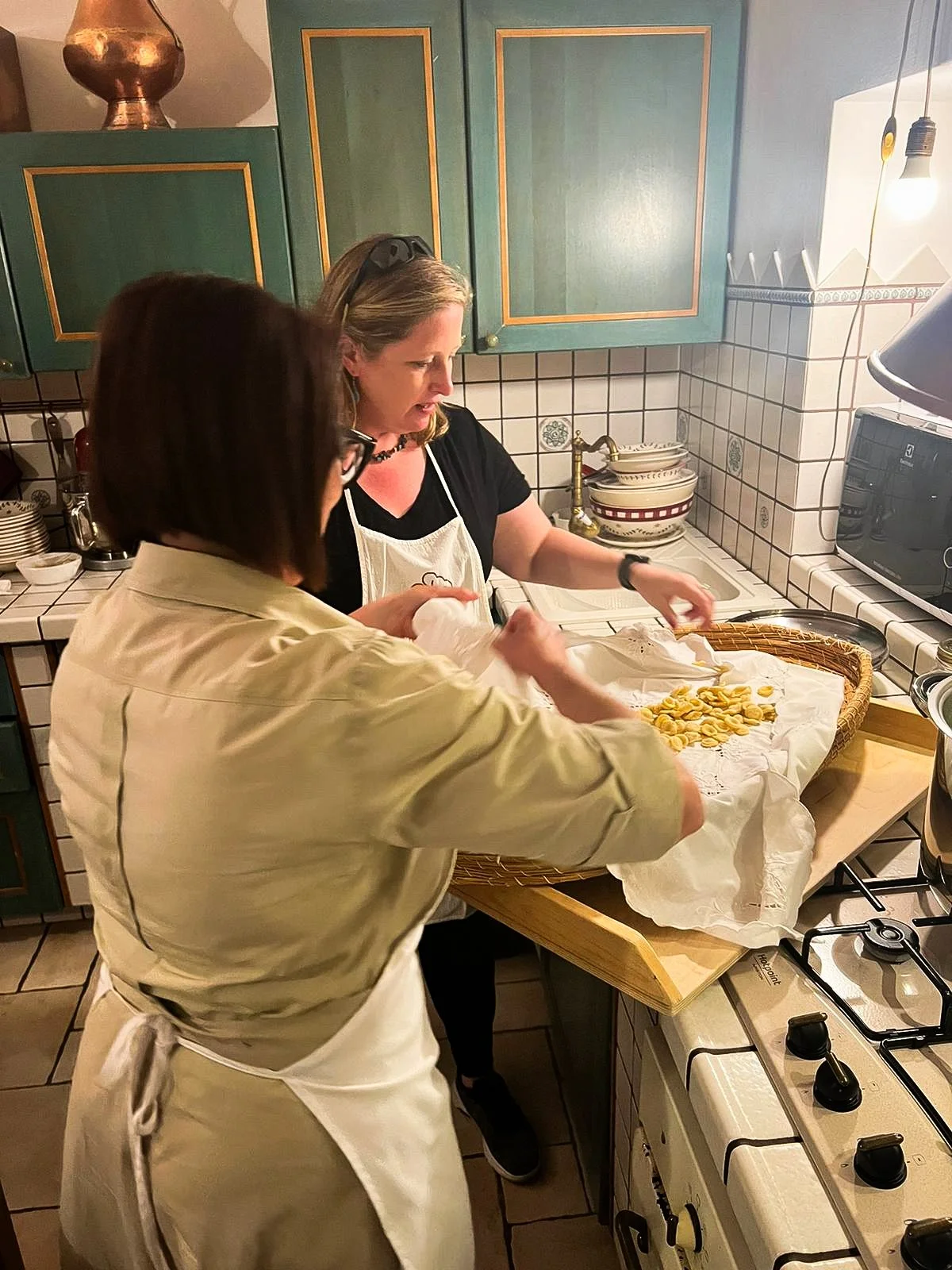
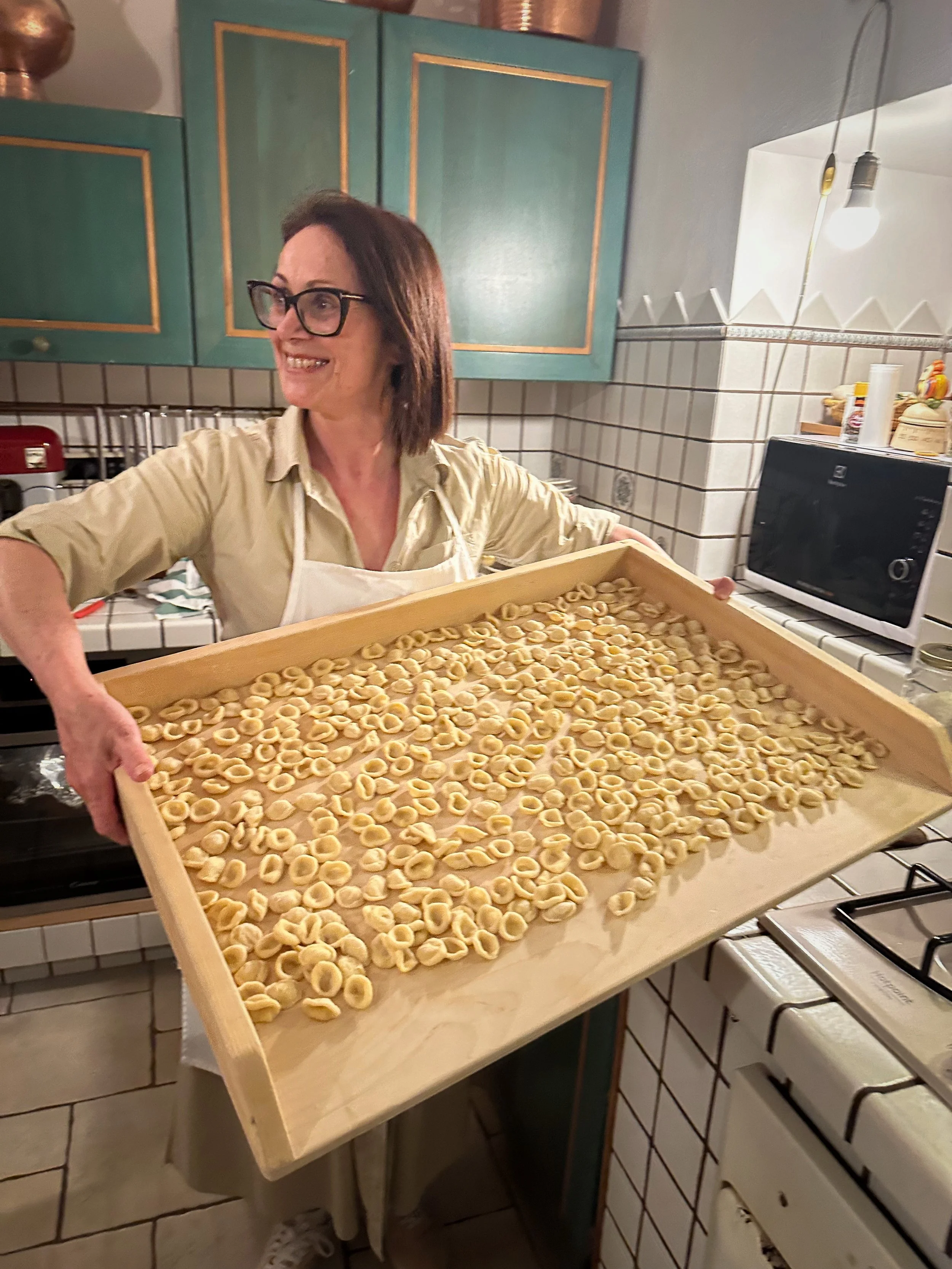
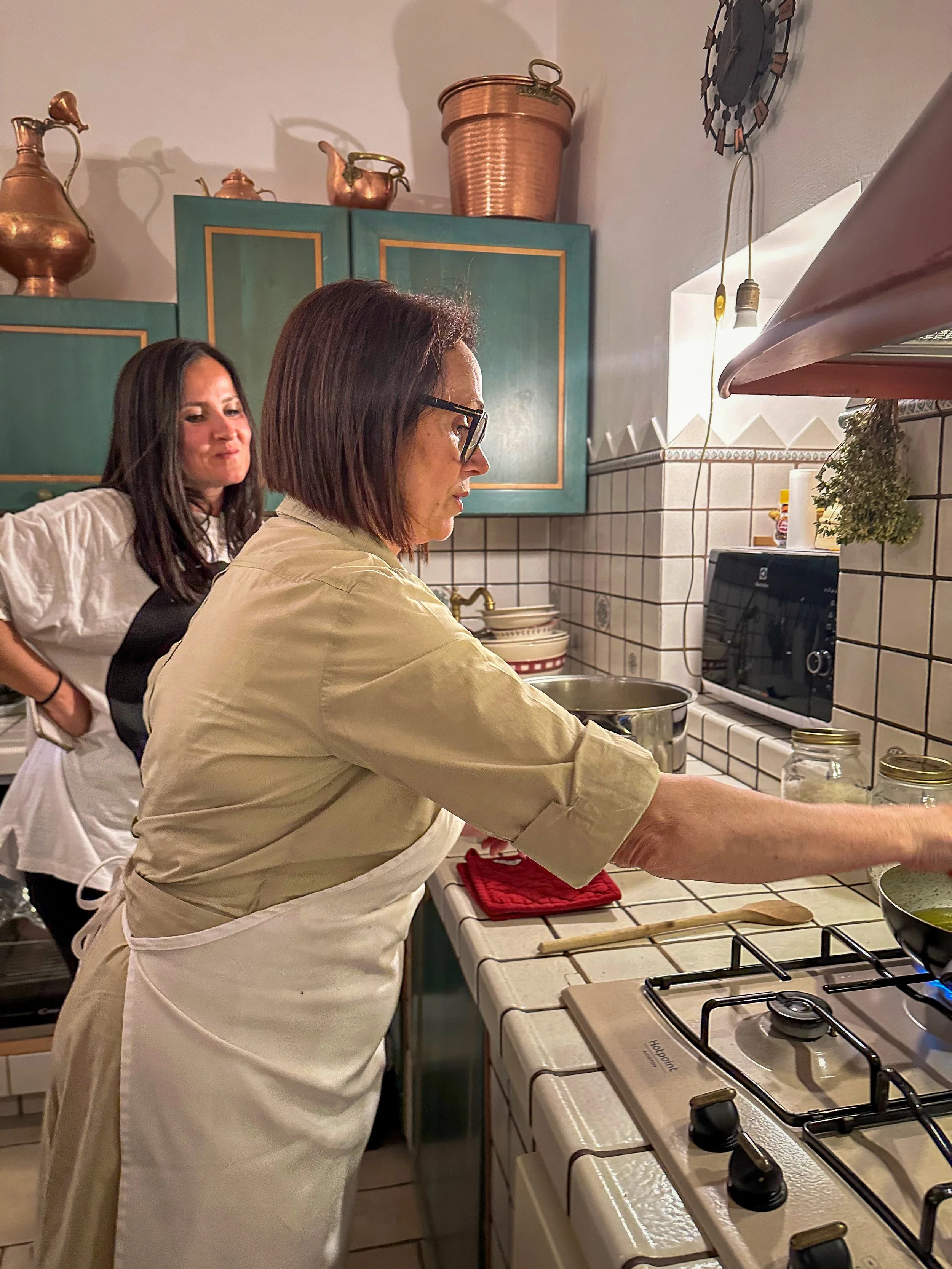
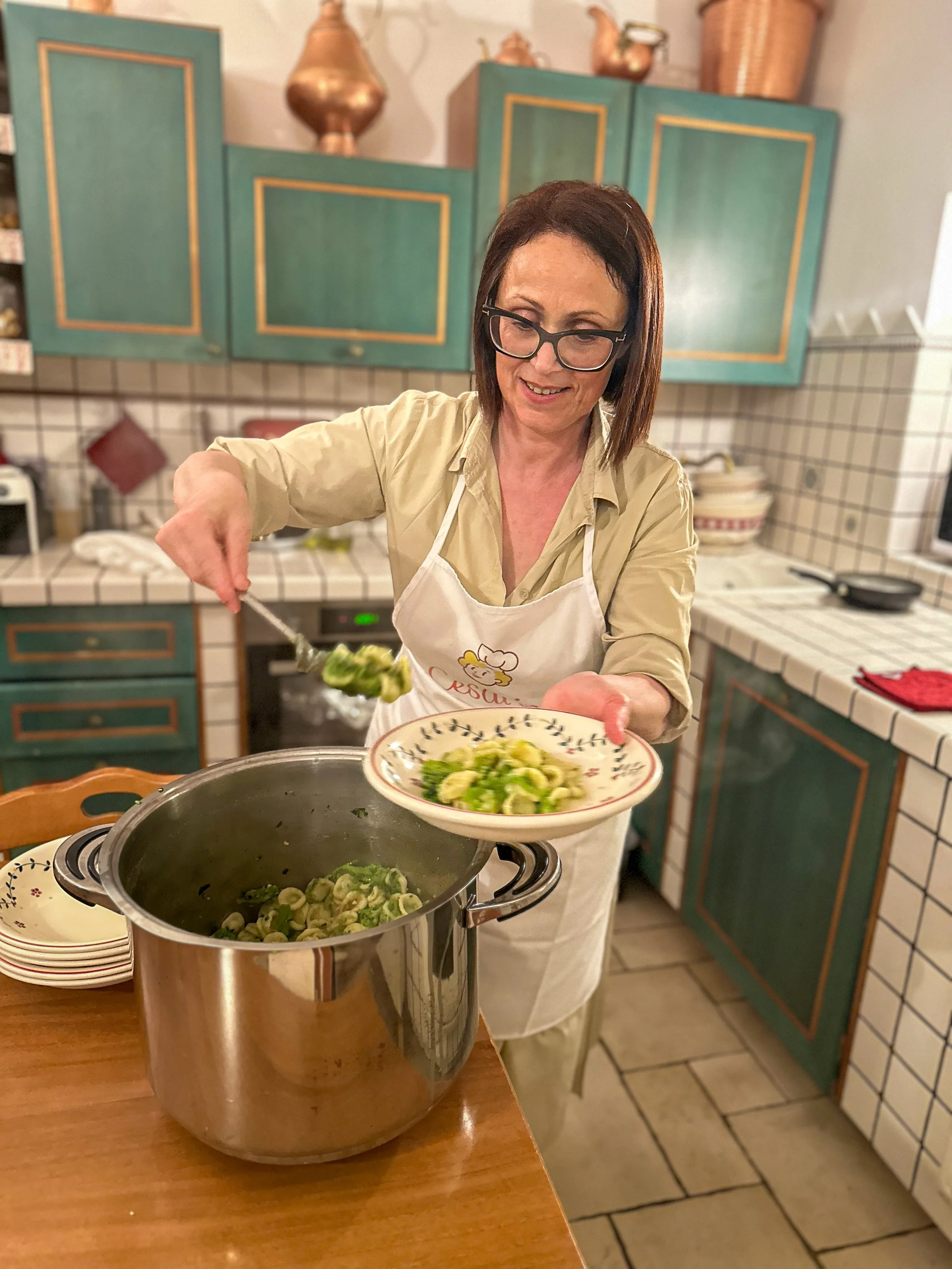

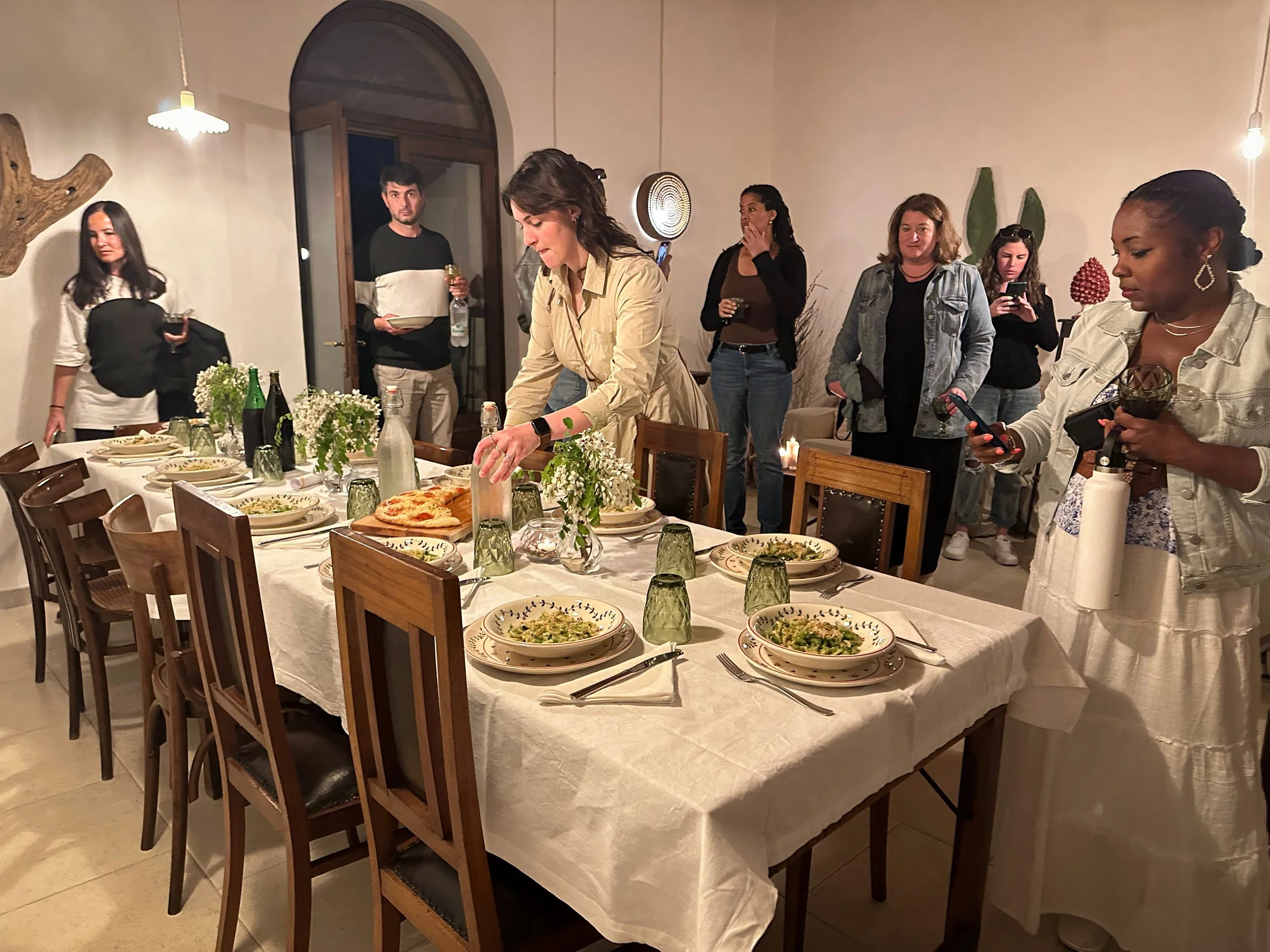
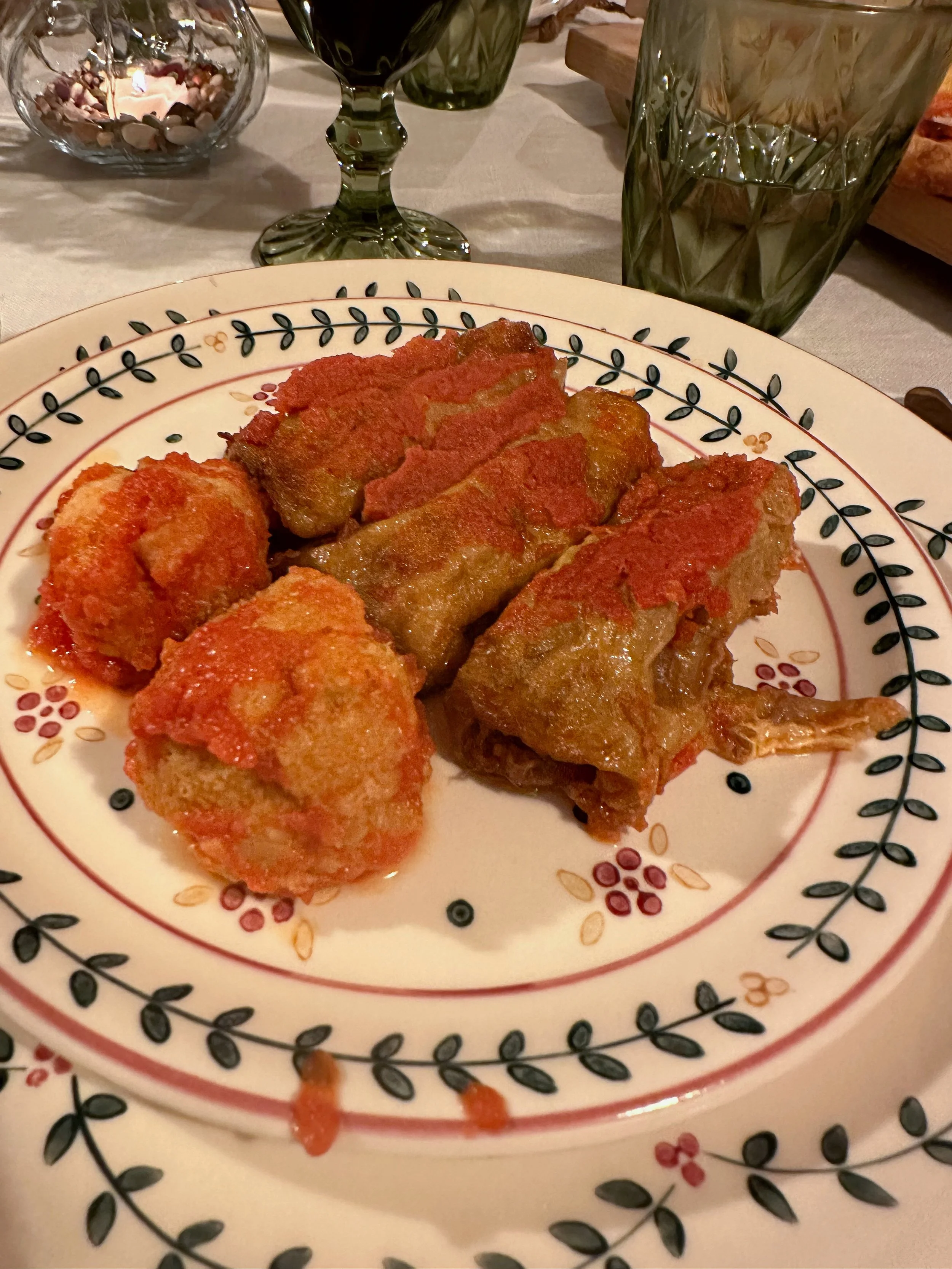
After we finished cooking, it was time to eat! We enjoyed the orecchiette with turnip tops, breadcrumbs, and chopped almonds, as well as “Grandma Ida’s” meatballs made with mozzarella, lampascione (the hyacinth bulbs we enjoyed fried as an hors d’oeuvre), and homemade sauce.
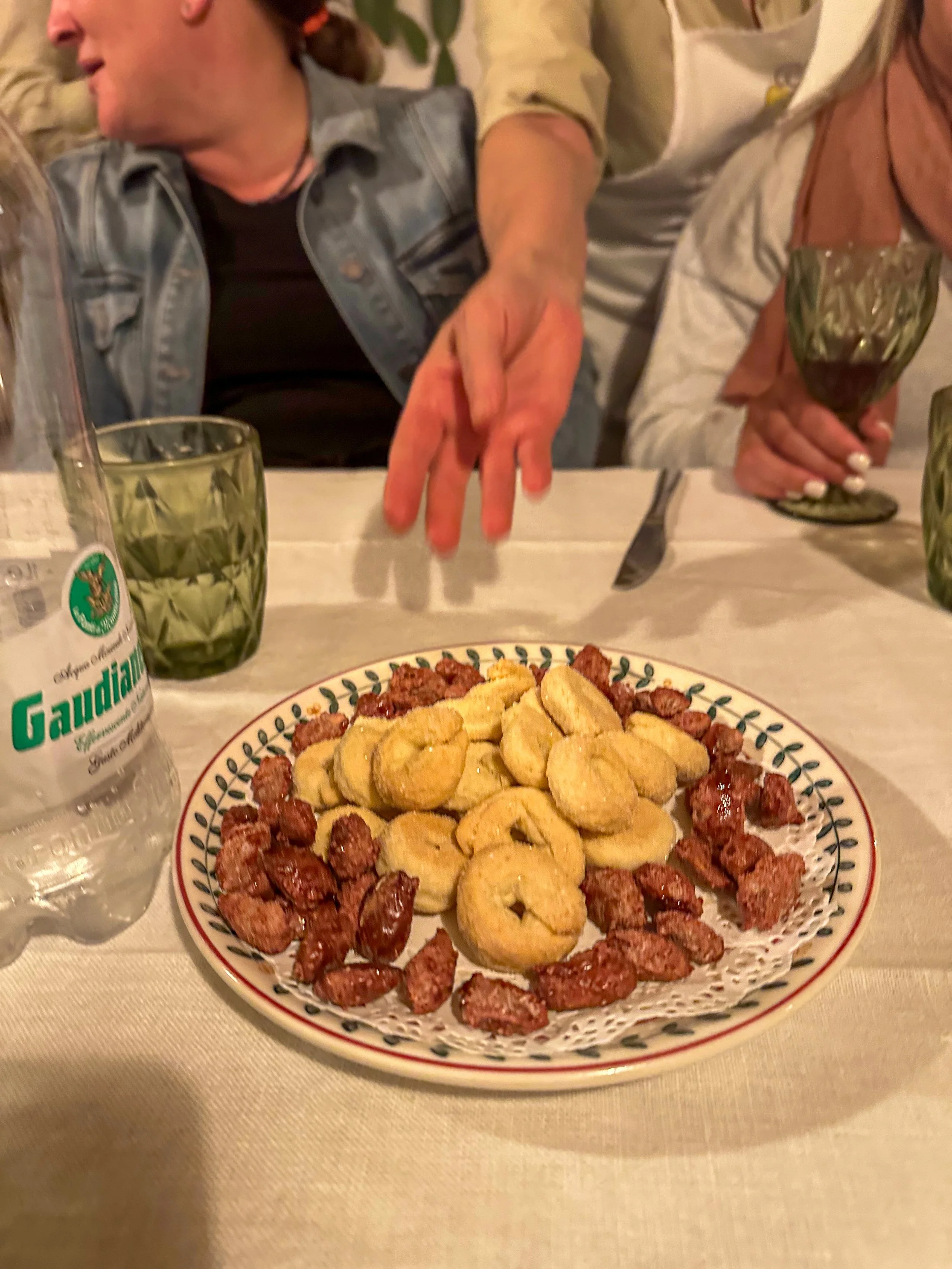
Then for dessert we had some sugared tarallini along with fresh fruit.
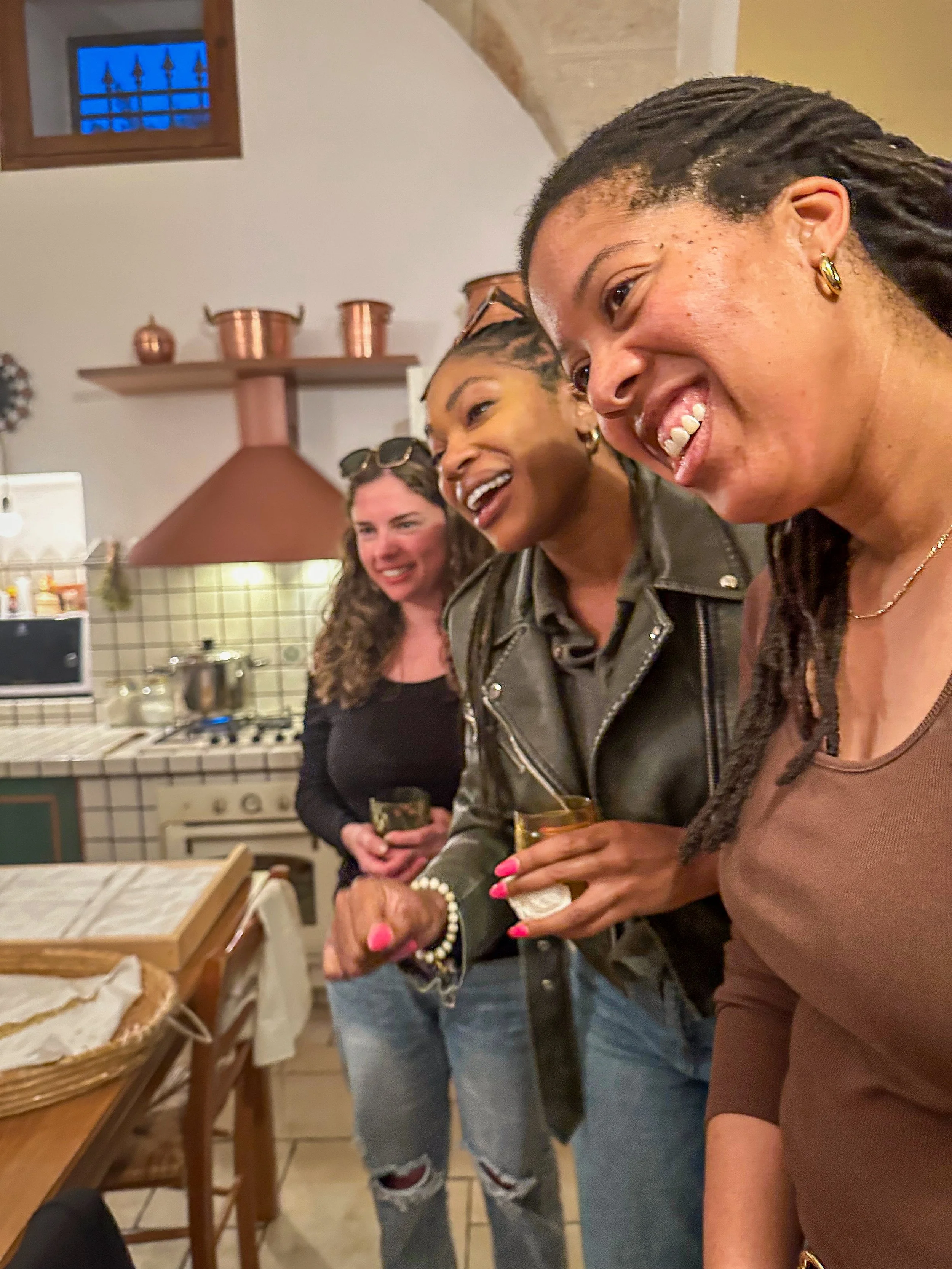
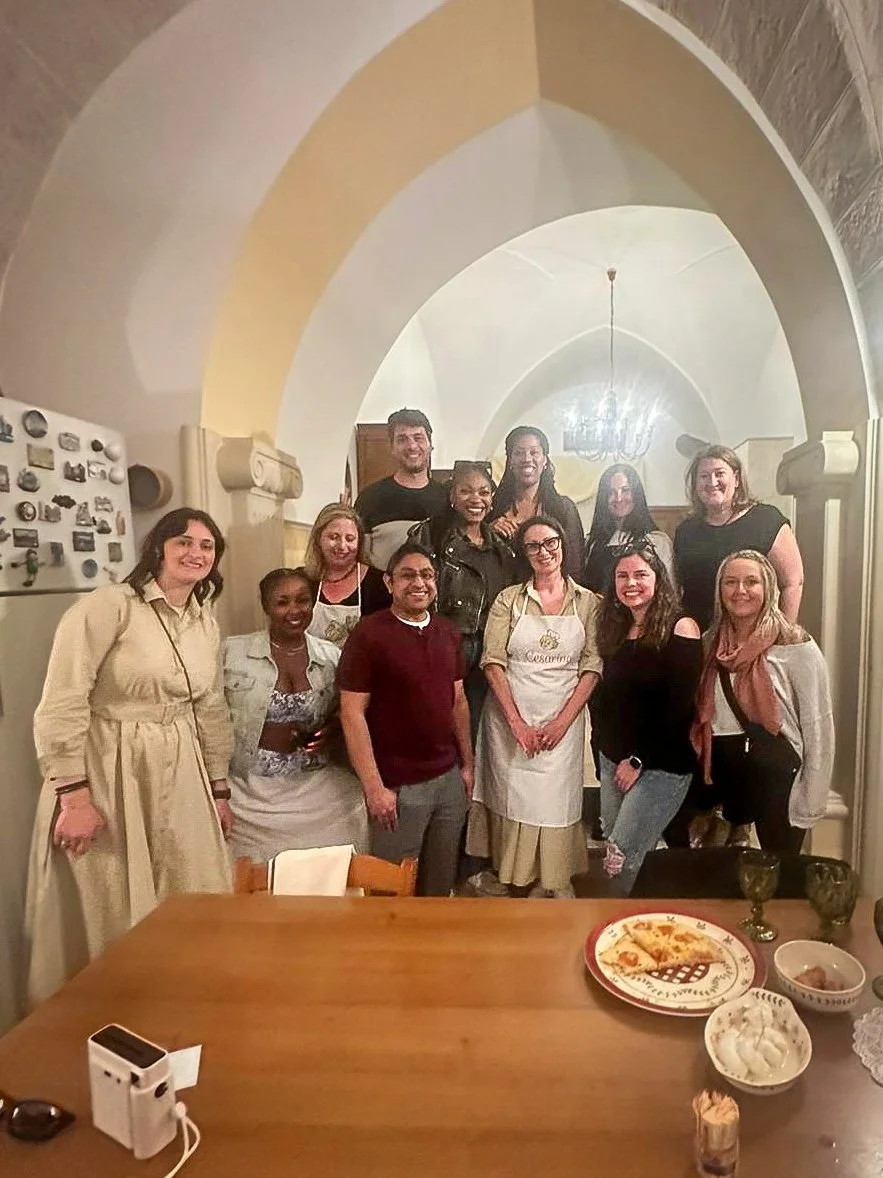
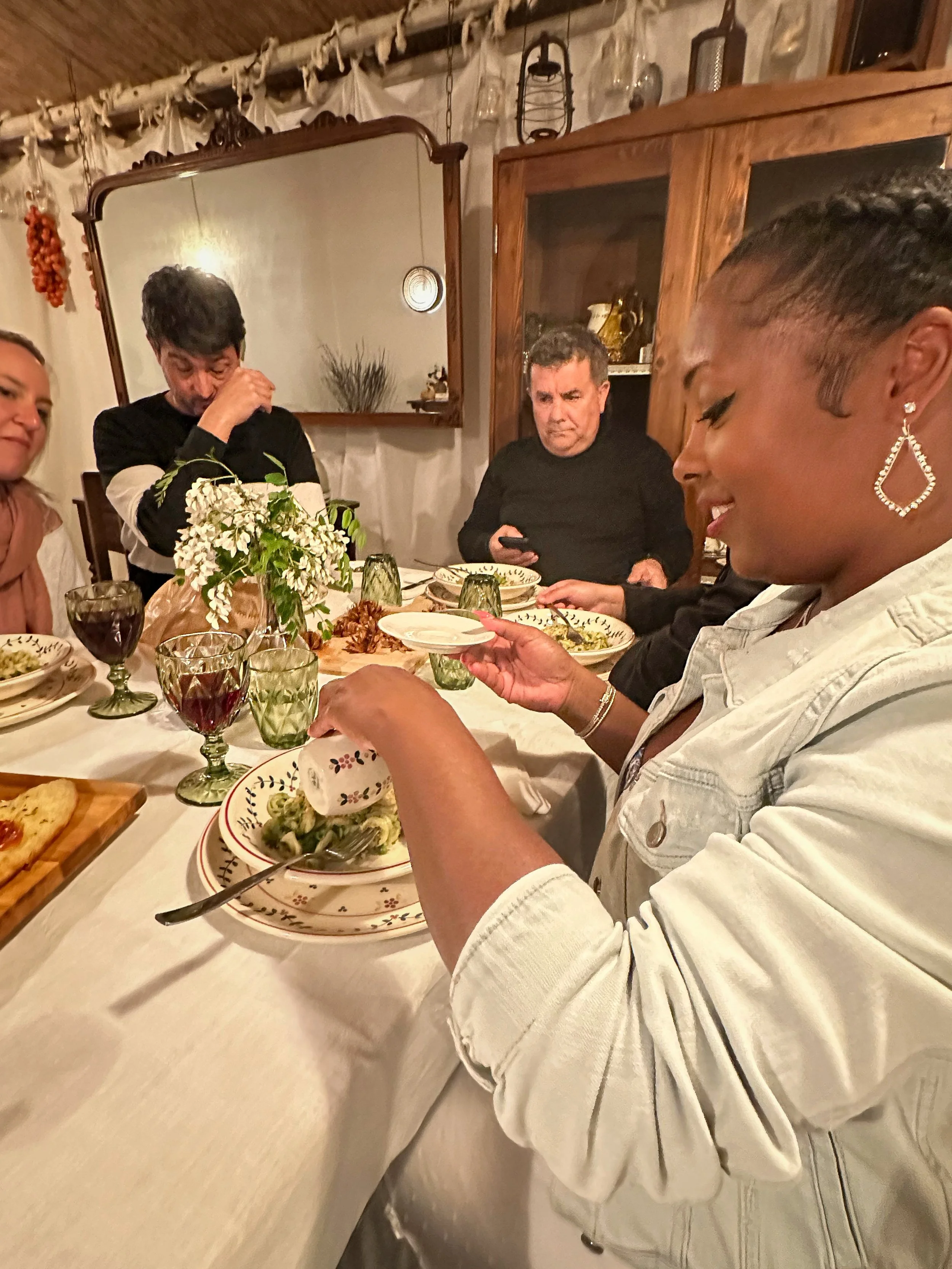
It was an excellent meal with such a fun atmosphere at this point on the trip when we all knew each other well.
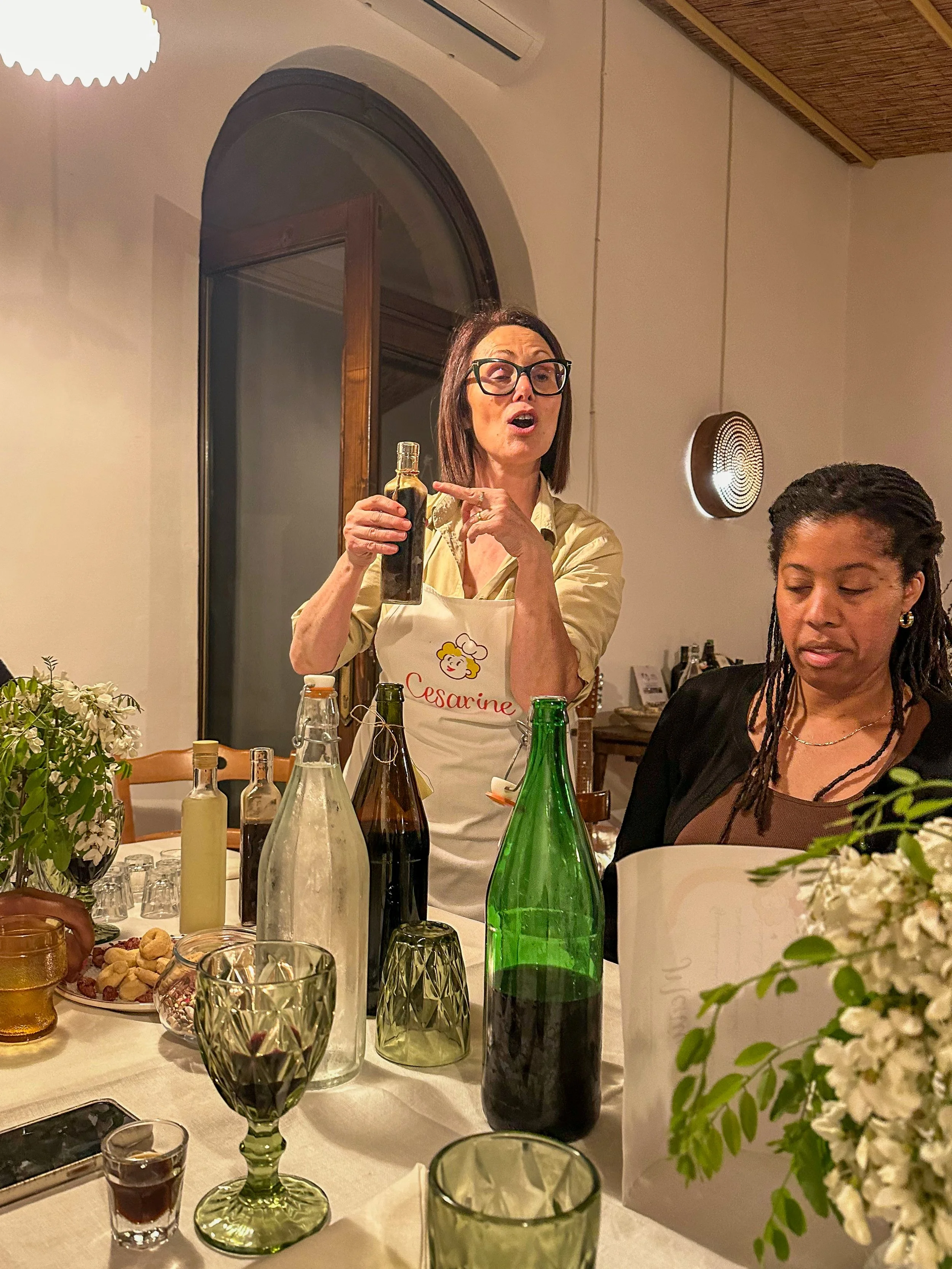
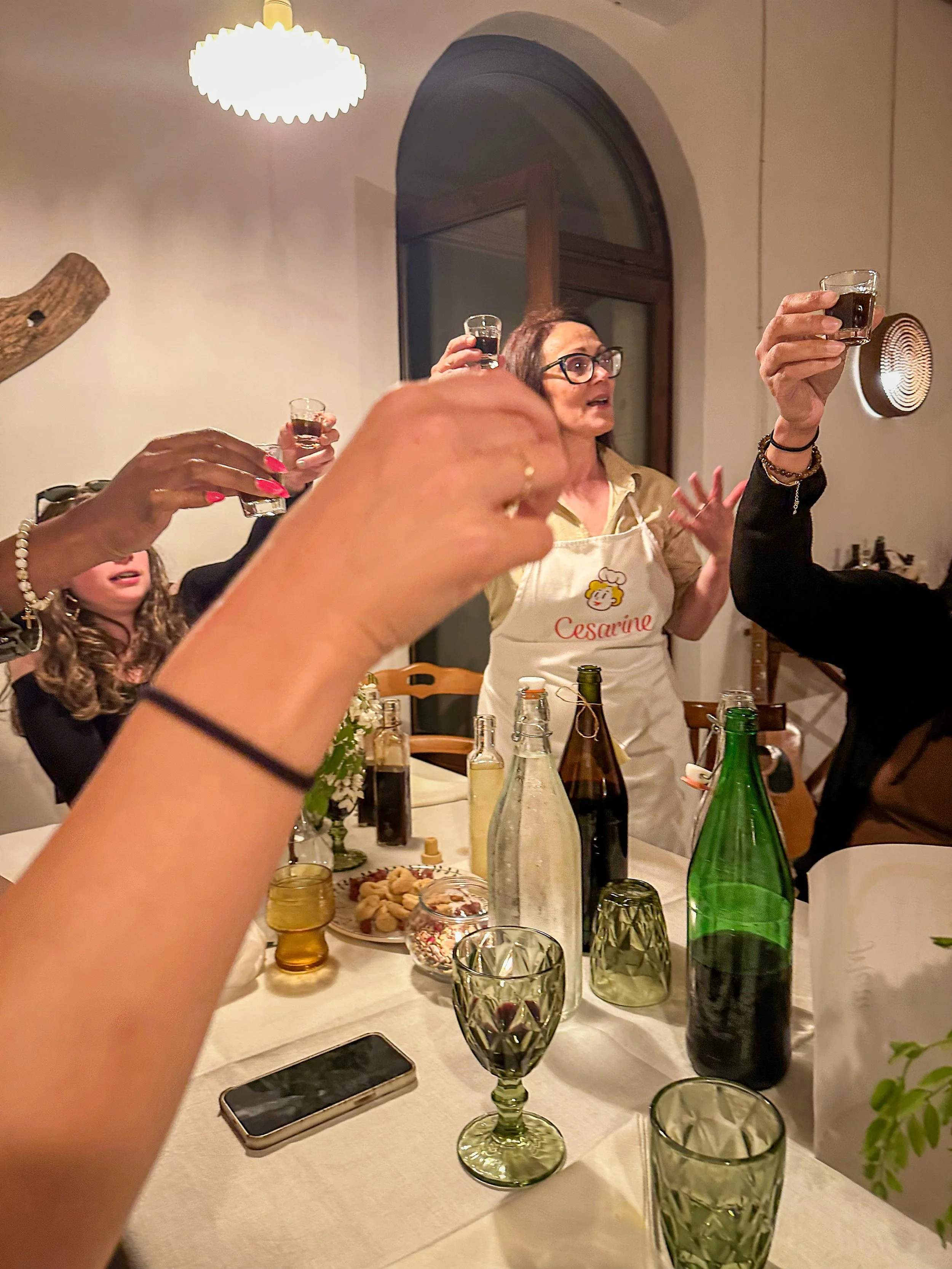
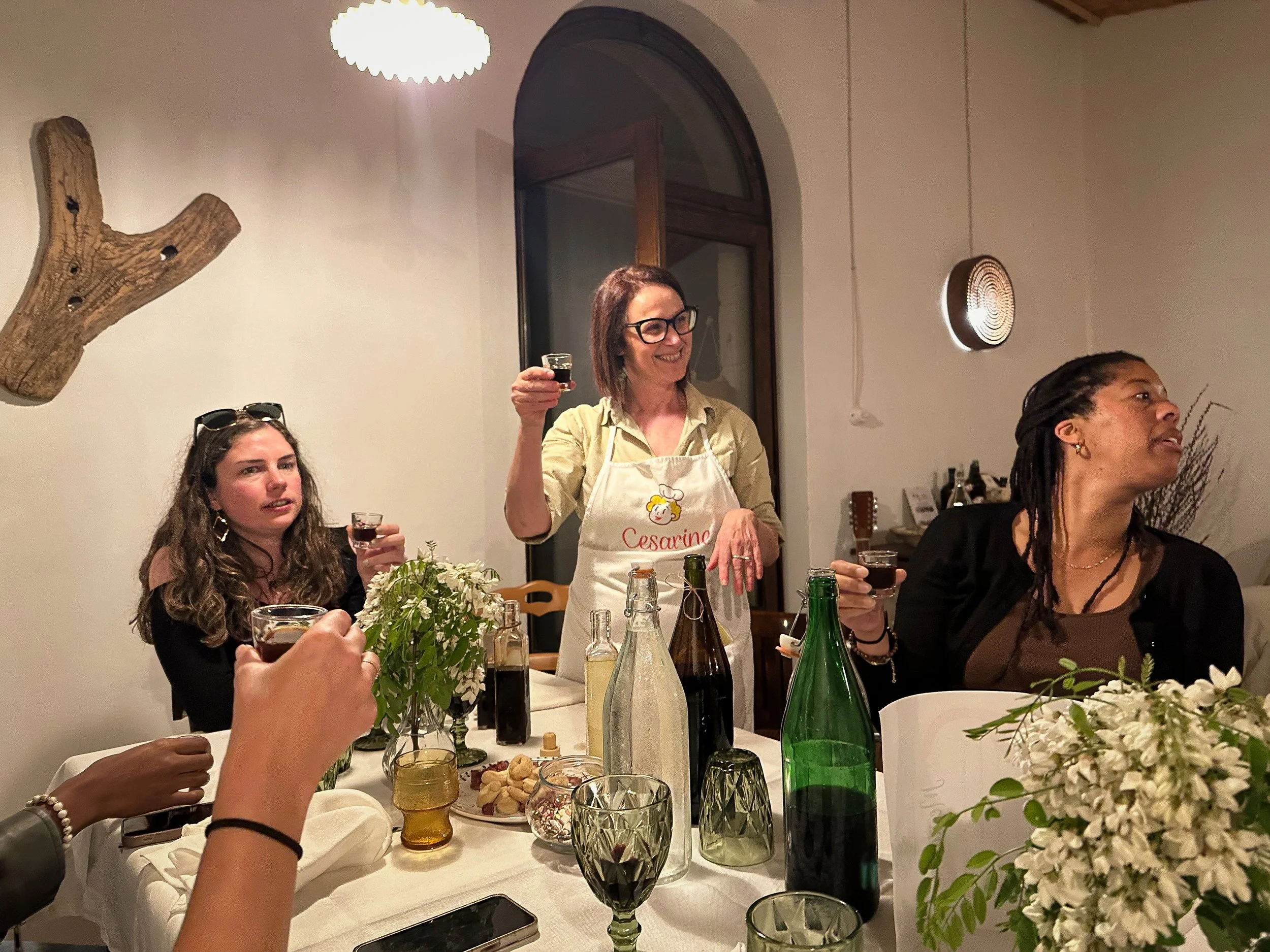
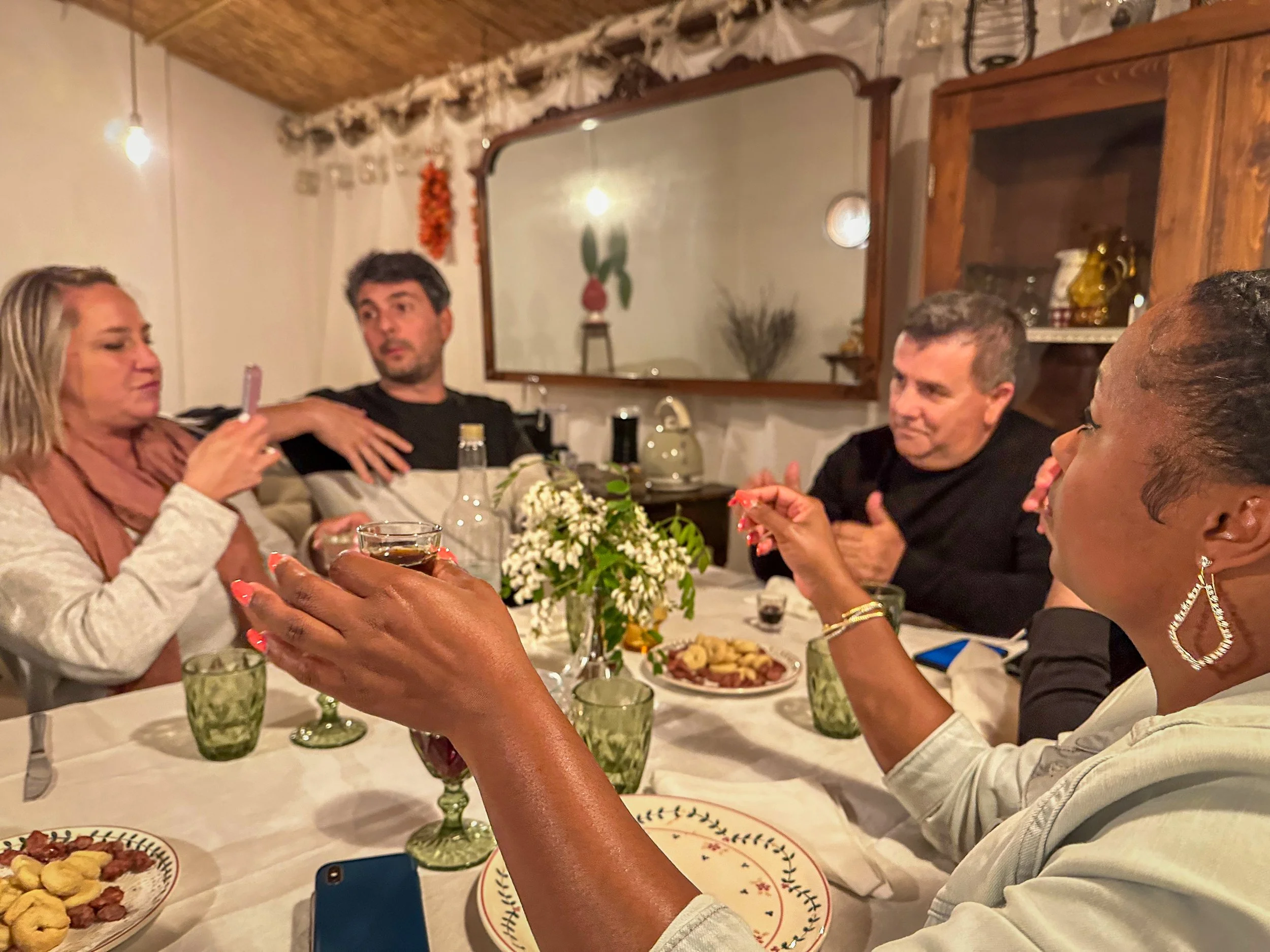
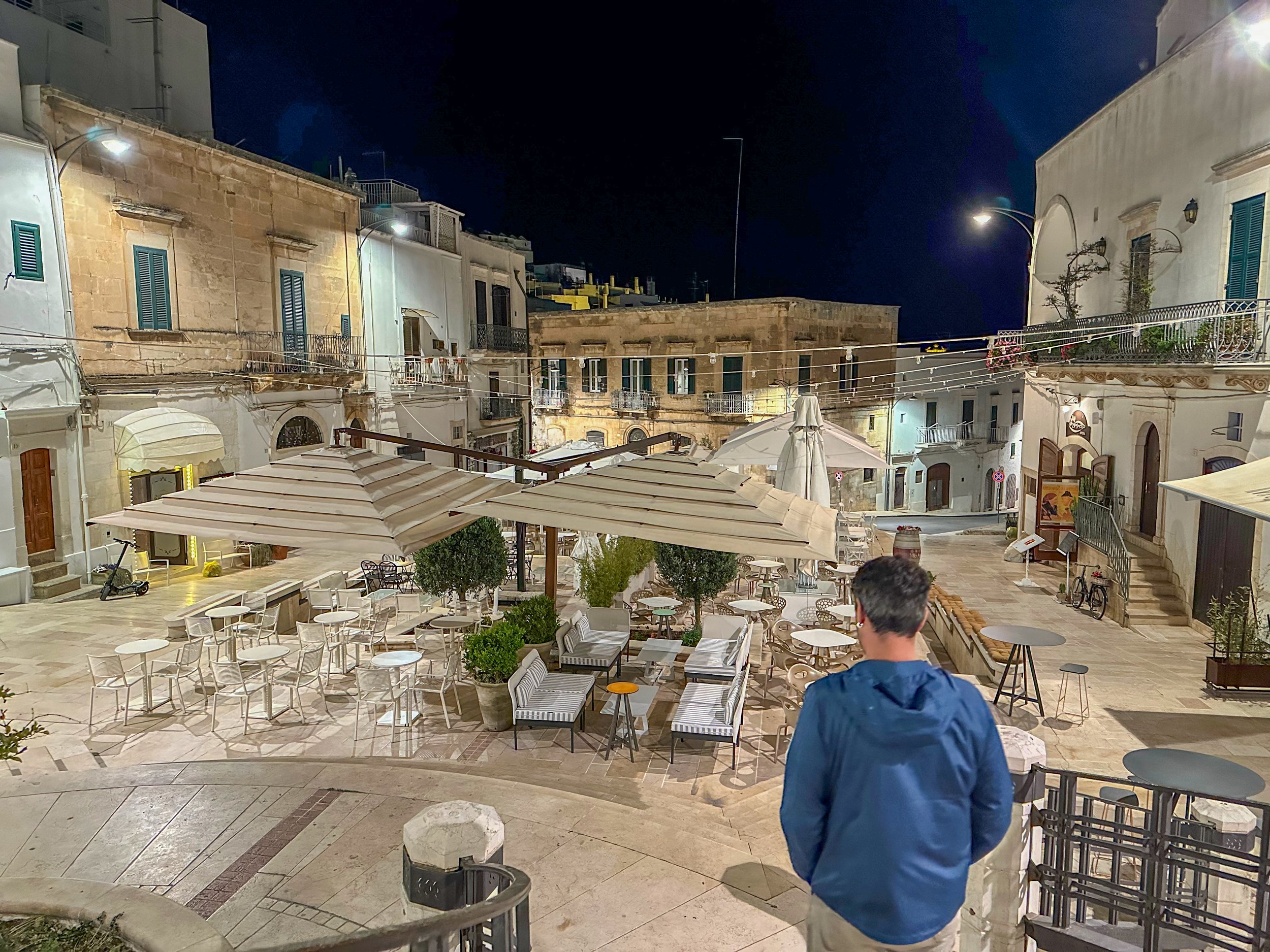
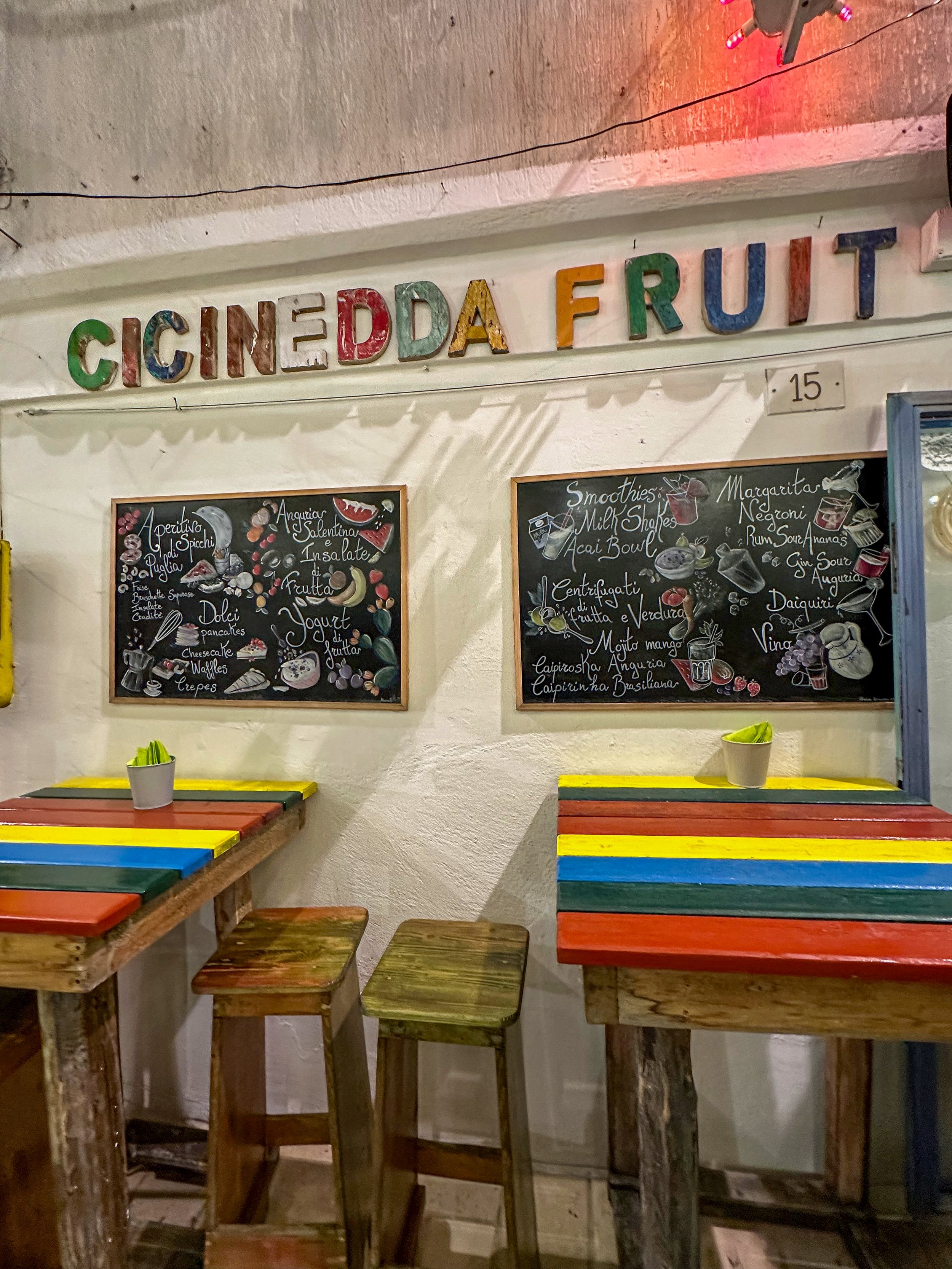
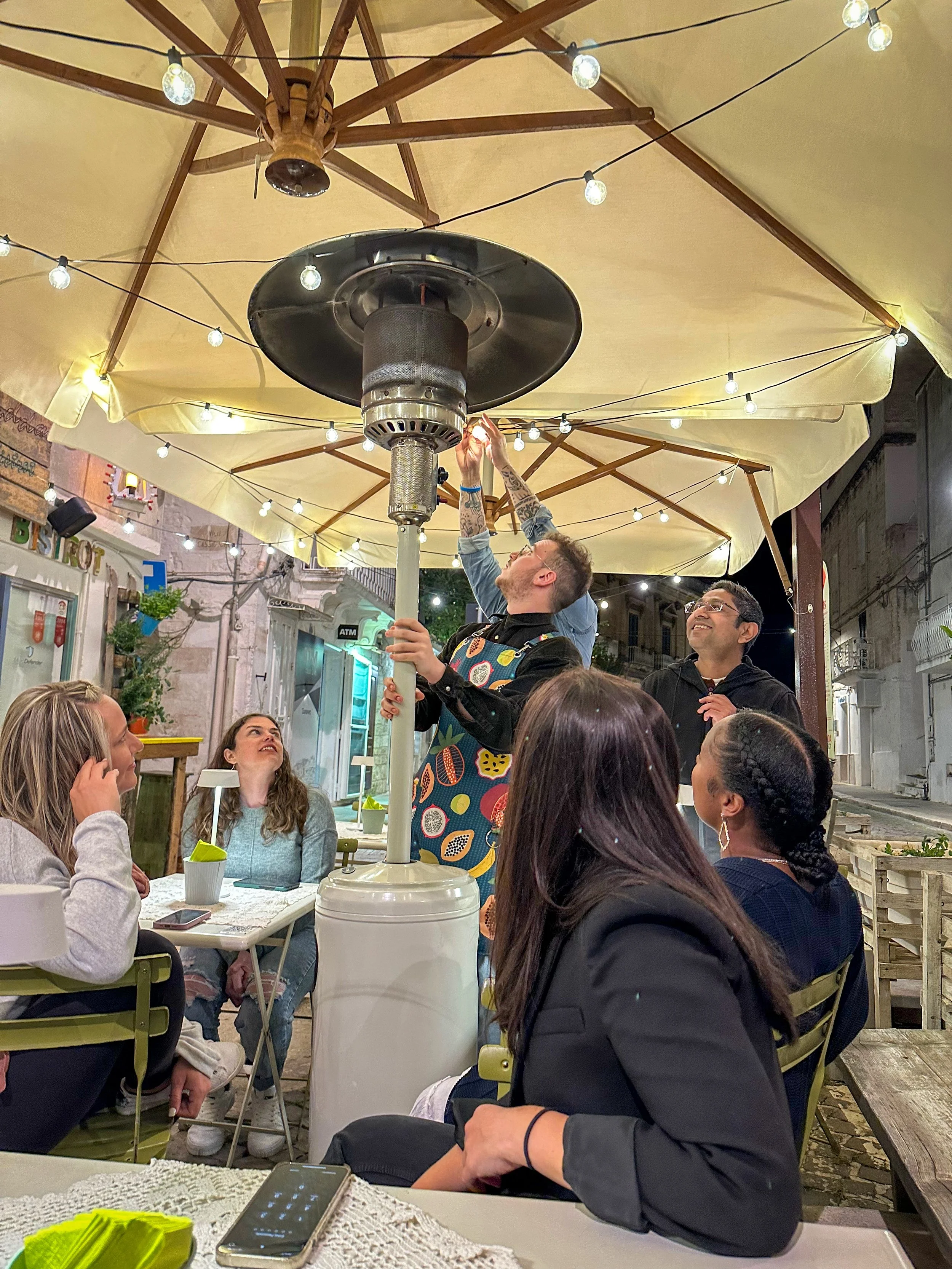
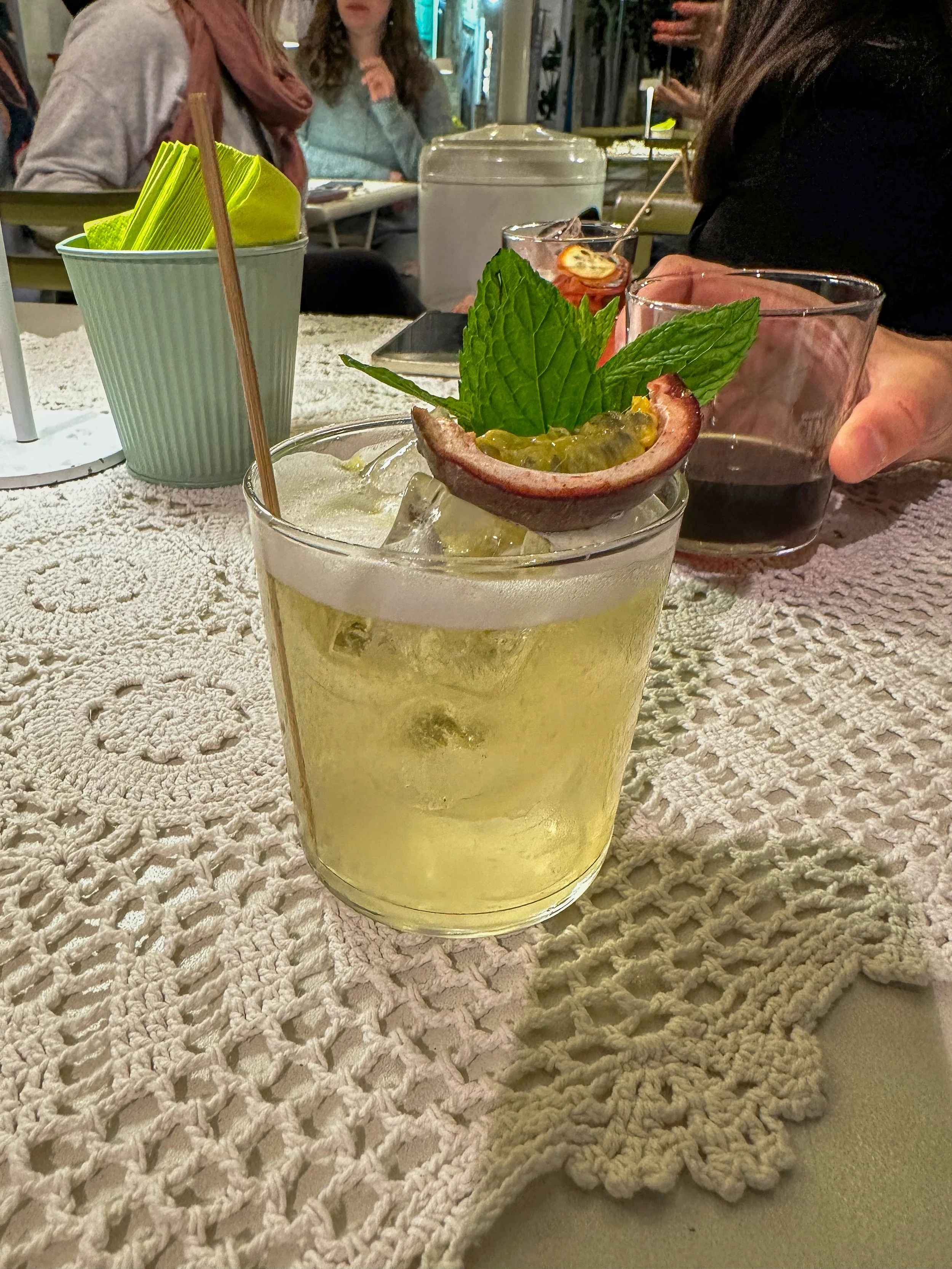
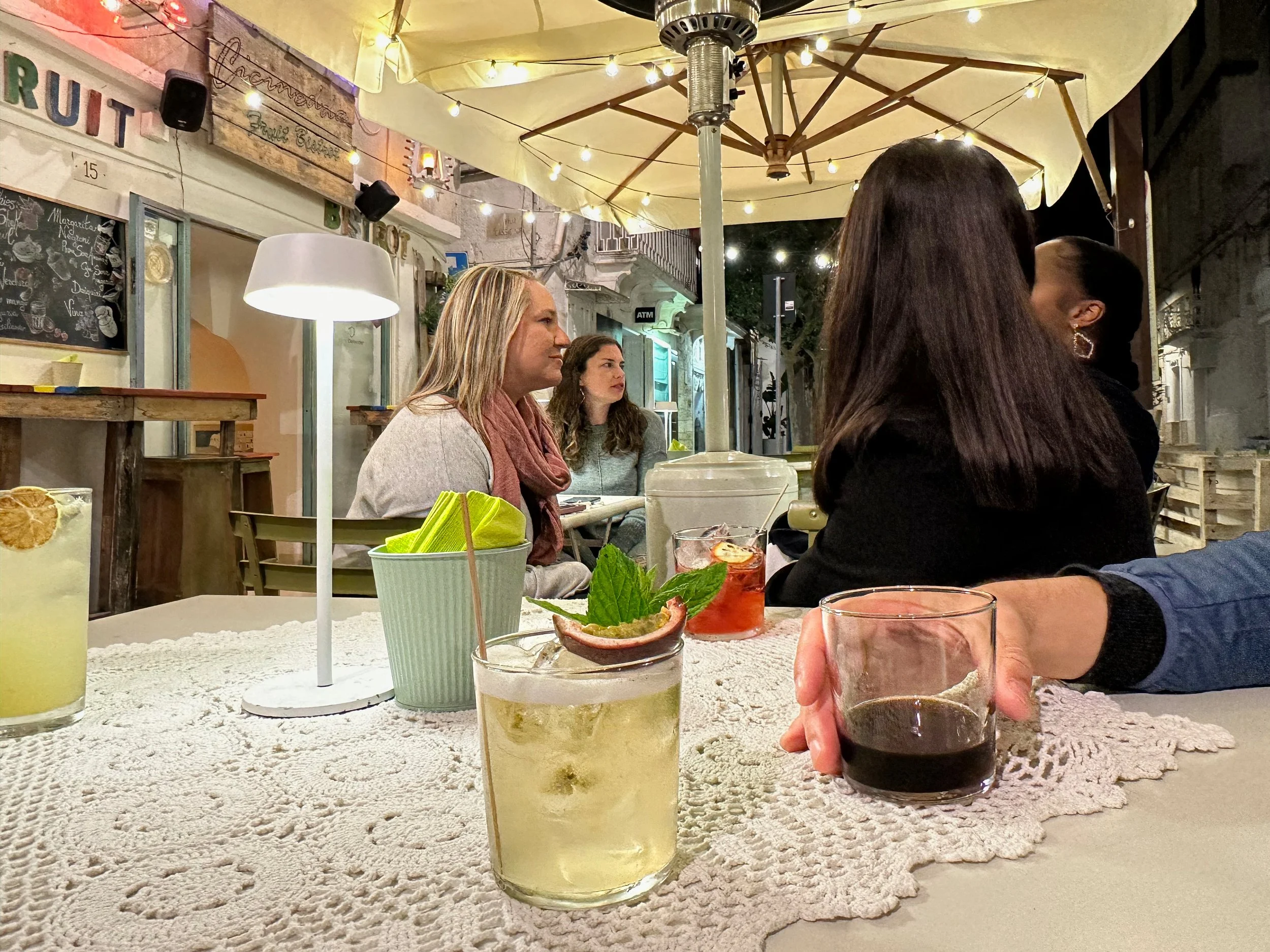
After a wonderful dinner and a full day, we headed back to Ostuni. In a second wind, a handful of us made our way with Michele to Cicinedda fruit bistro for a cocktail and conversation as we reminisced about the day.