DAY TWO
friday, august 14, 2026
RESCUED CRANES, RWANDA’S HEAVY HISTORY, and a flash pack KICKOFF
Because the Flash Pack trip didn’t formally kick off until tonight, we had a whole day to explore the city. Six of us who were already in Rwanda chose to visit Umusambi Village, a dedicated wildlife sanctuary about a 40-minute drive from the city center that provides a protected wetland habitat for rescued Grey Crowned Cranes.
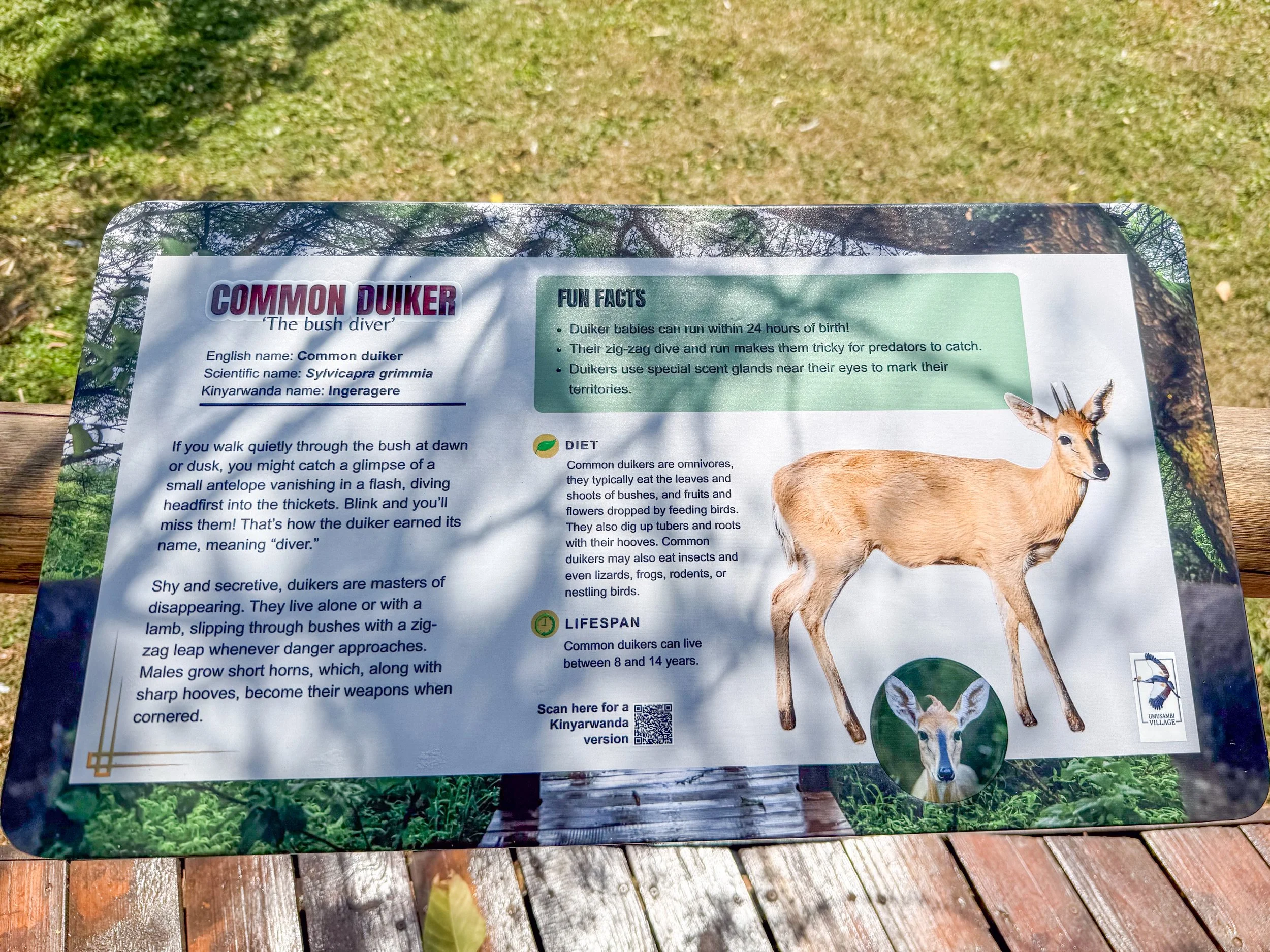
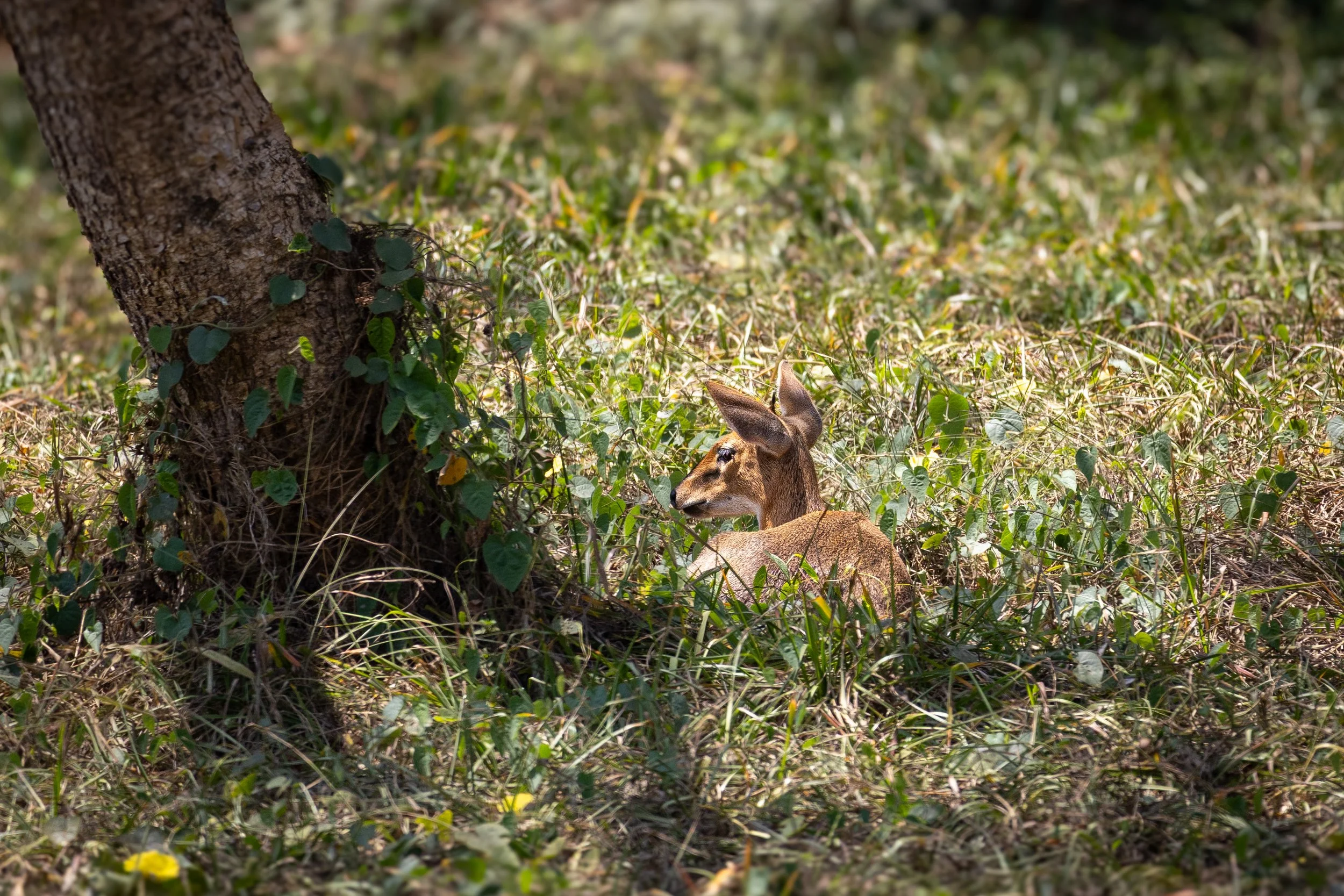
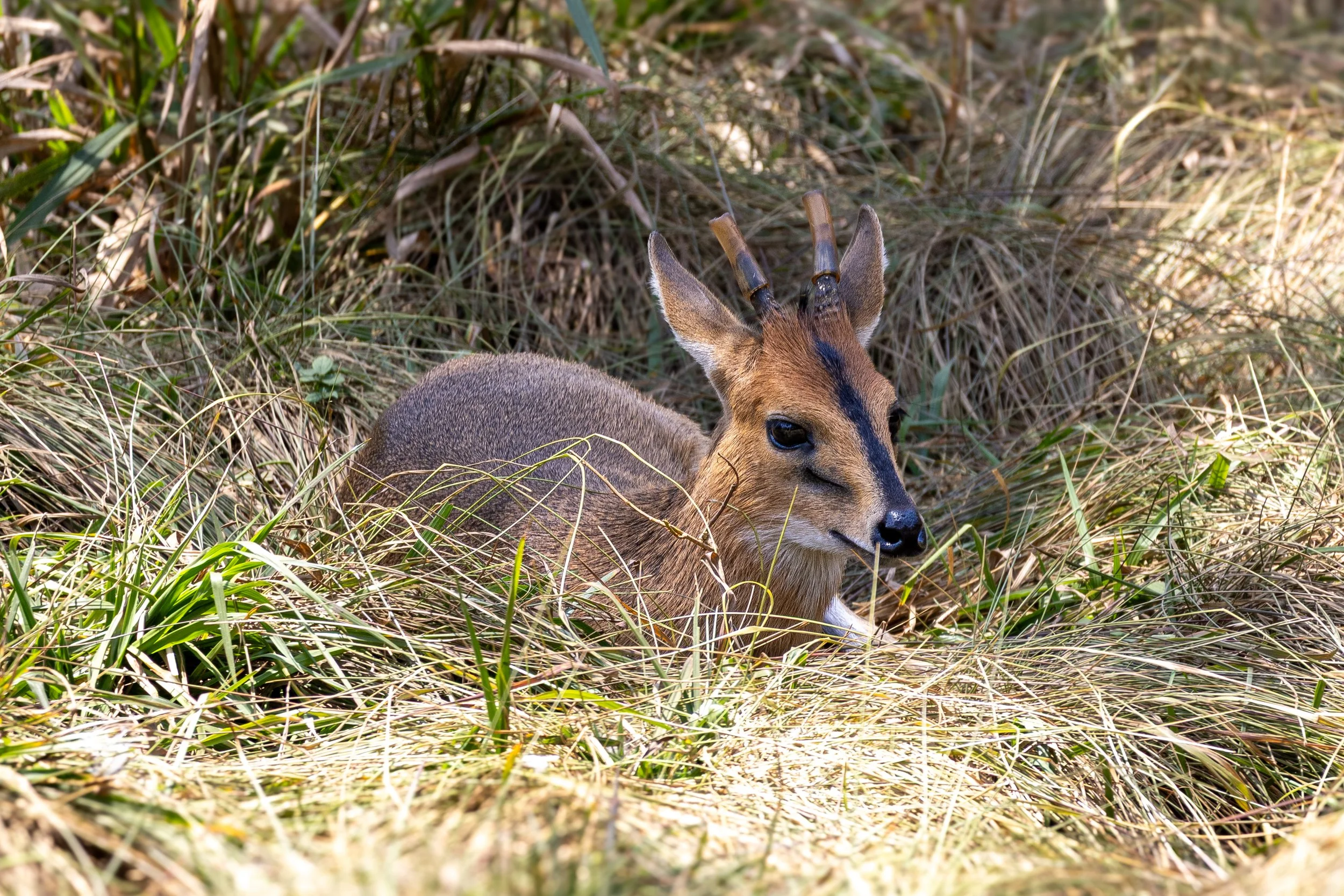
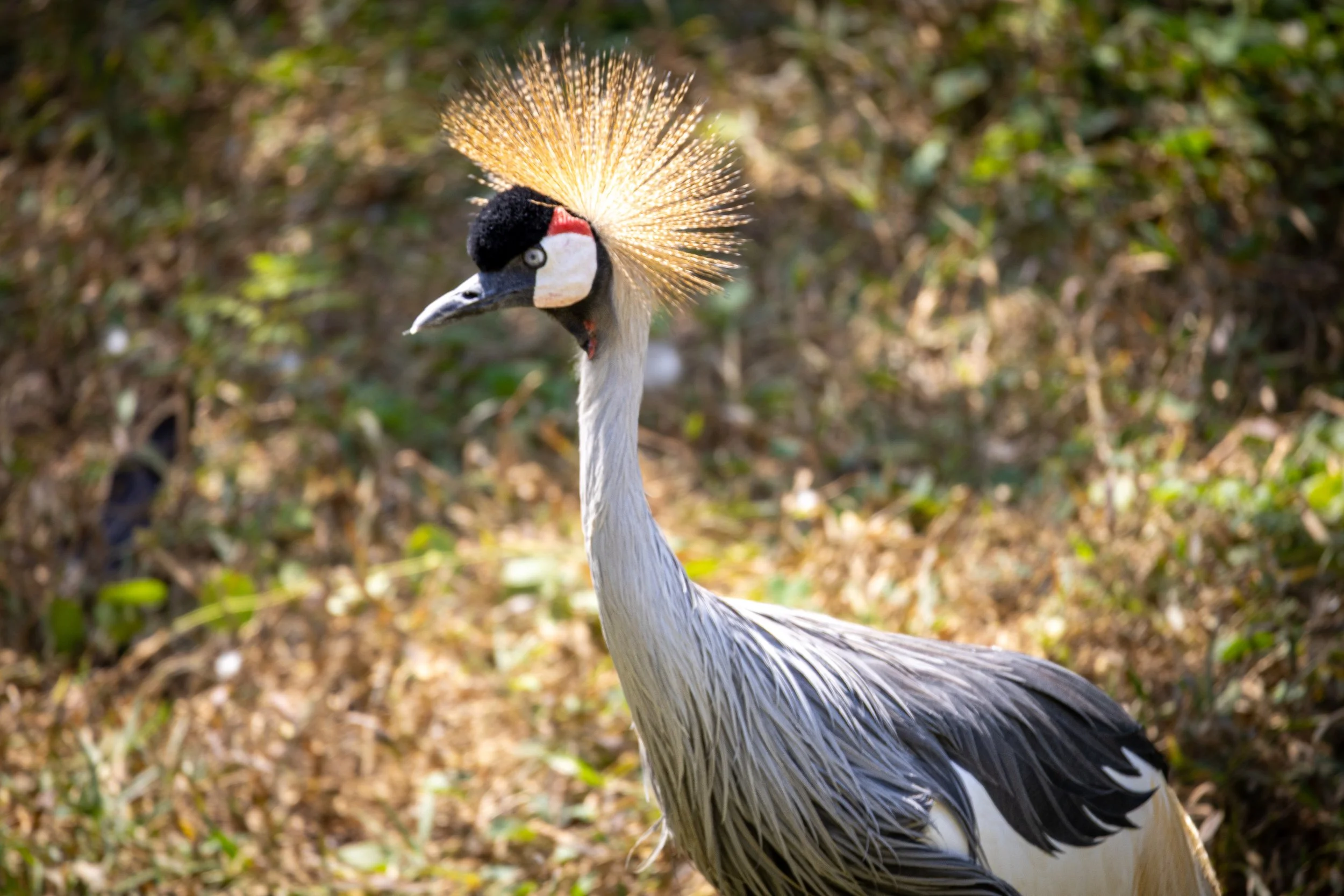
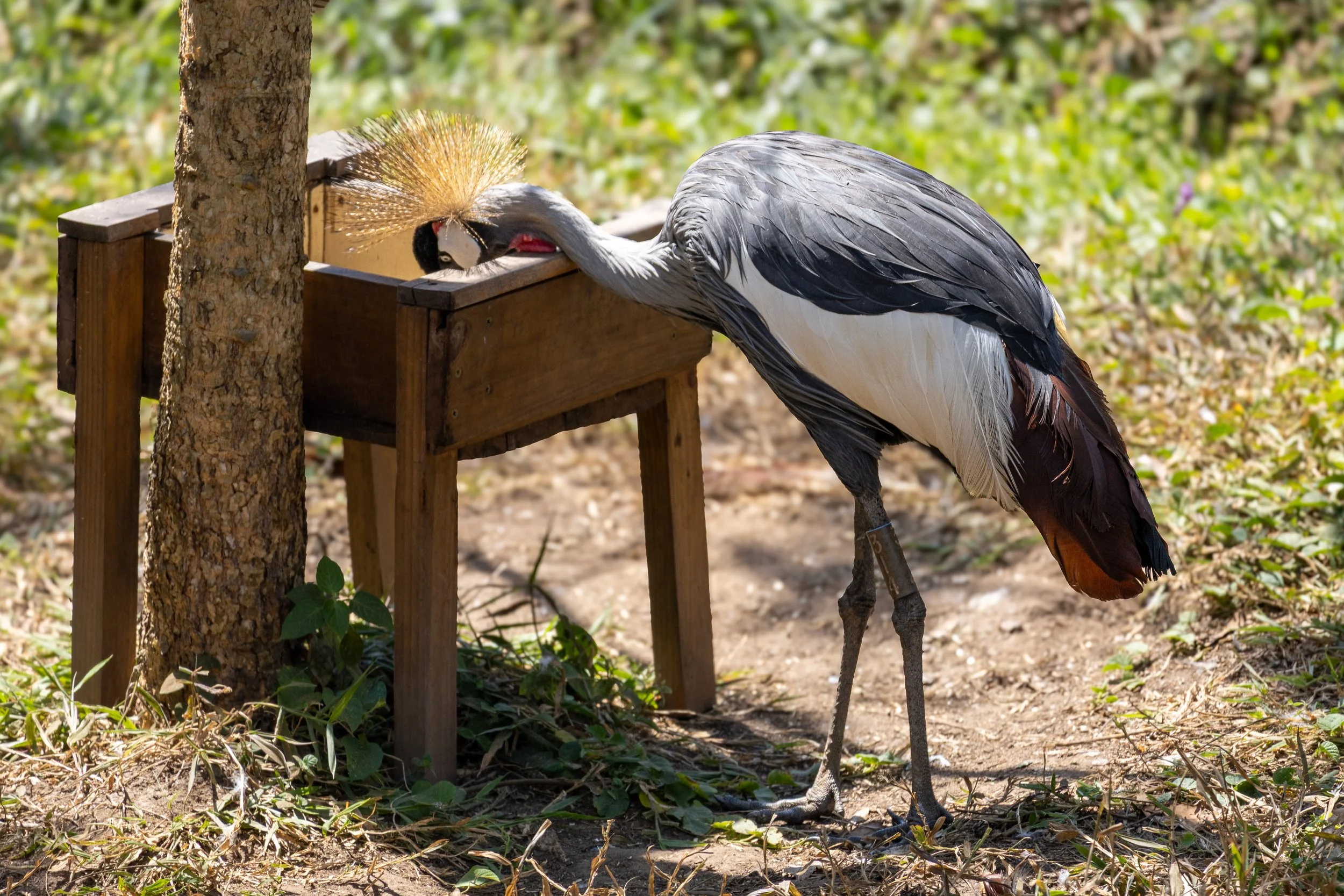
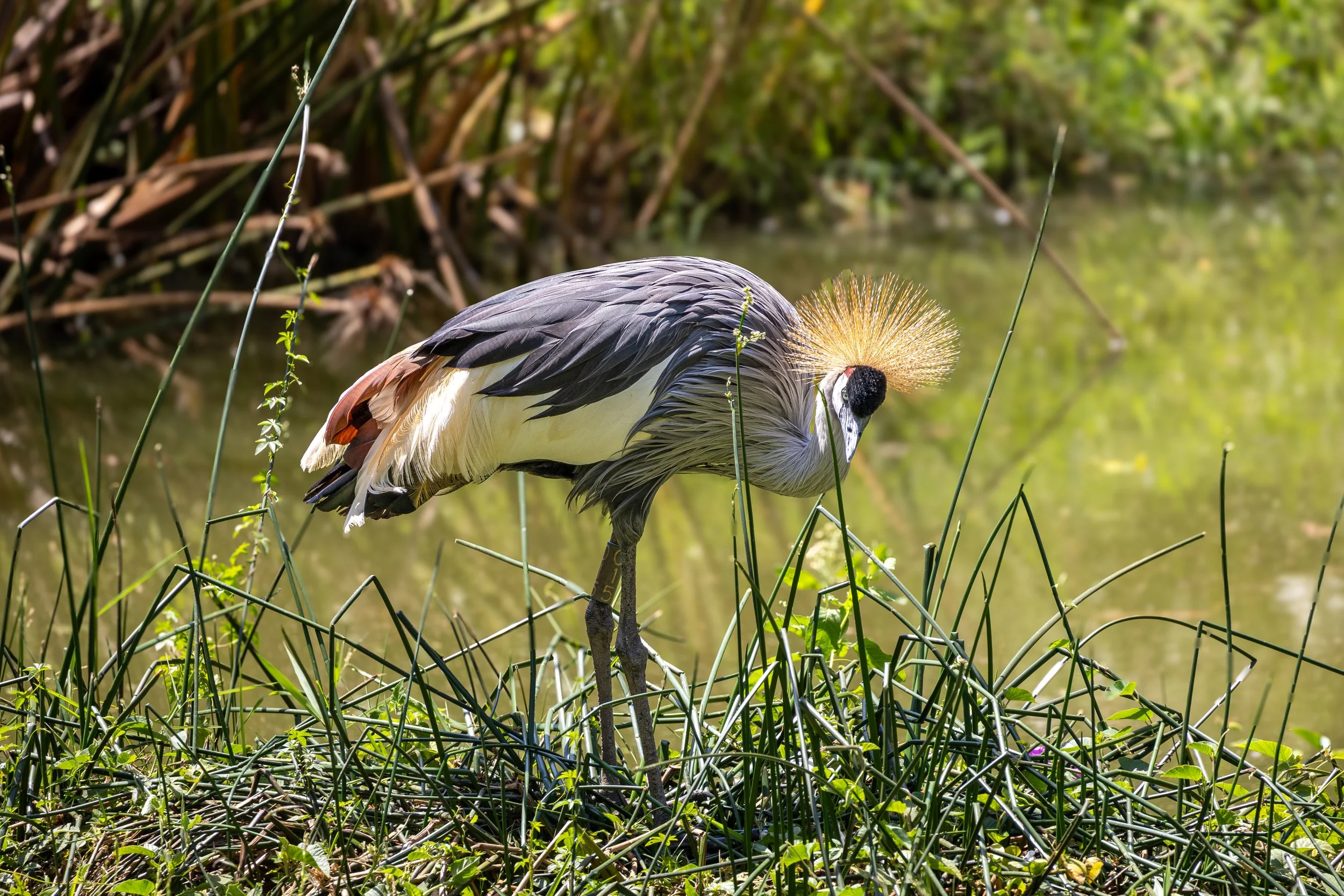
The eye-catching Grey Crowned Cranes are Rwanda's national bird, and unfortunately found themselves endangered mainly because of the illegal pet trade. Umusambi Village has now rescued 200 of them from backyards, and about 50 live on the grounds permanently, having a safe and beautiful retirement home where they can live out their lives. They’re also visited by other bird species who come to hang out, and a few other animals like Rwandan royal cows and little antelopes called duikers.
To make things easy, we called Alfred who we had met the night before, who was more than happy to be our hired driver for the day. He picked us up at the hotel, and we headed out to the eastern outskirts of Kigali.
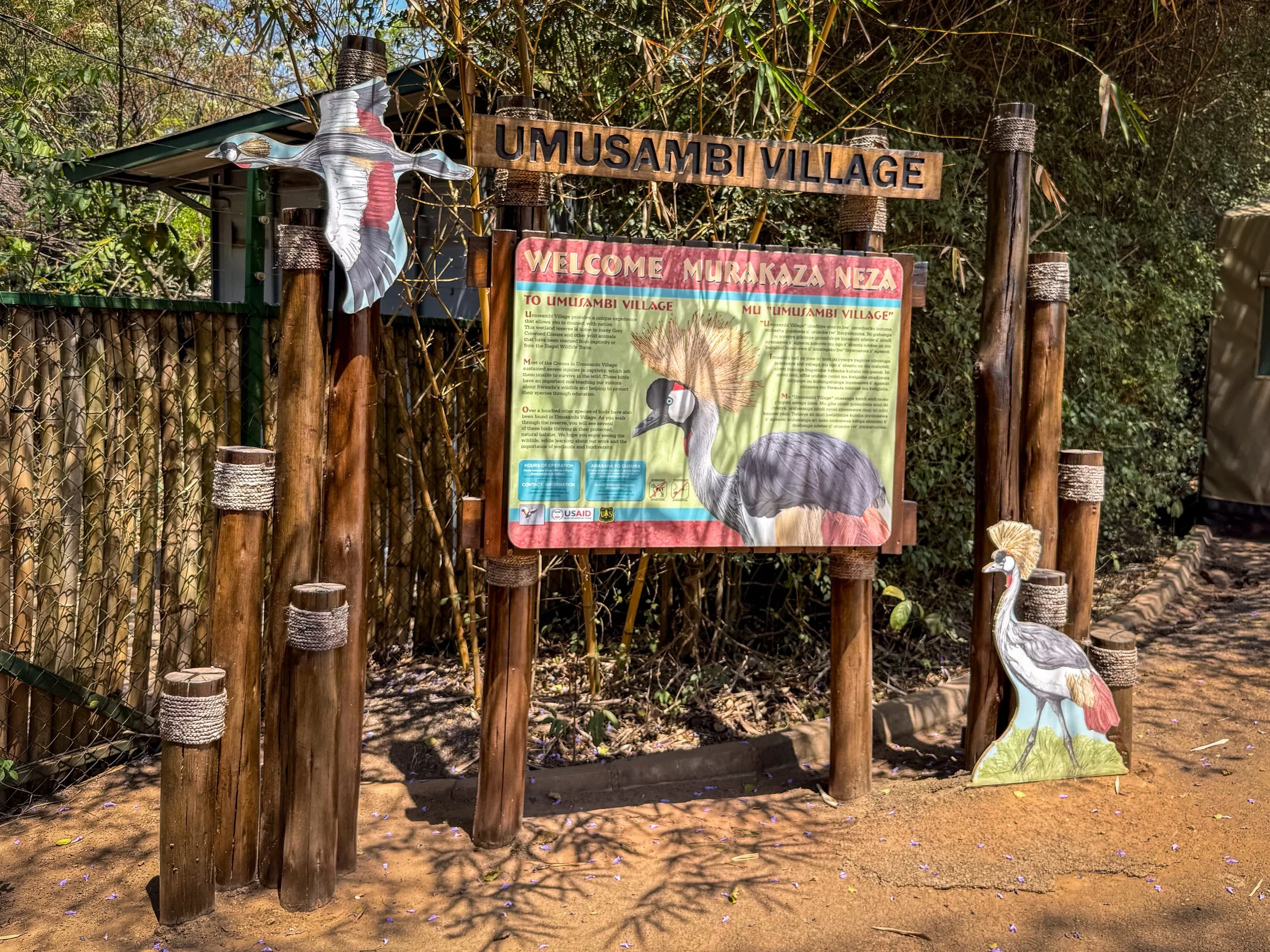
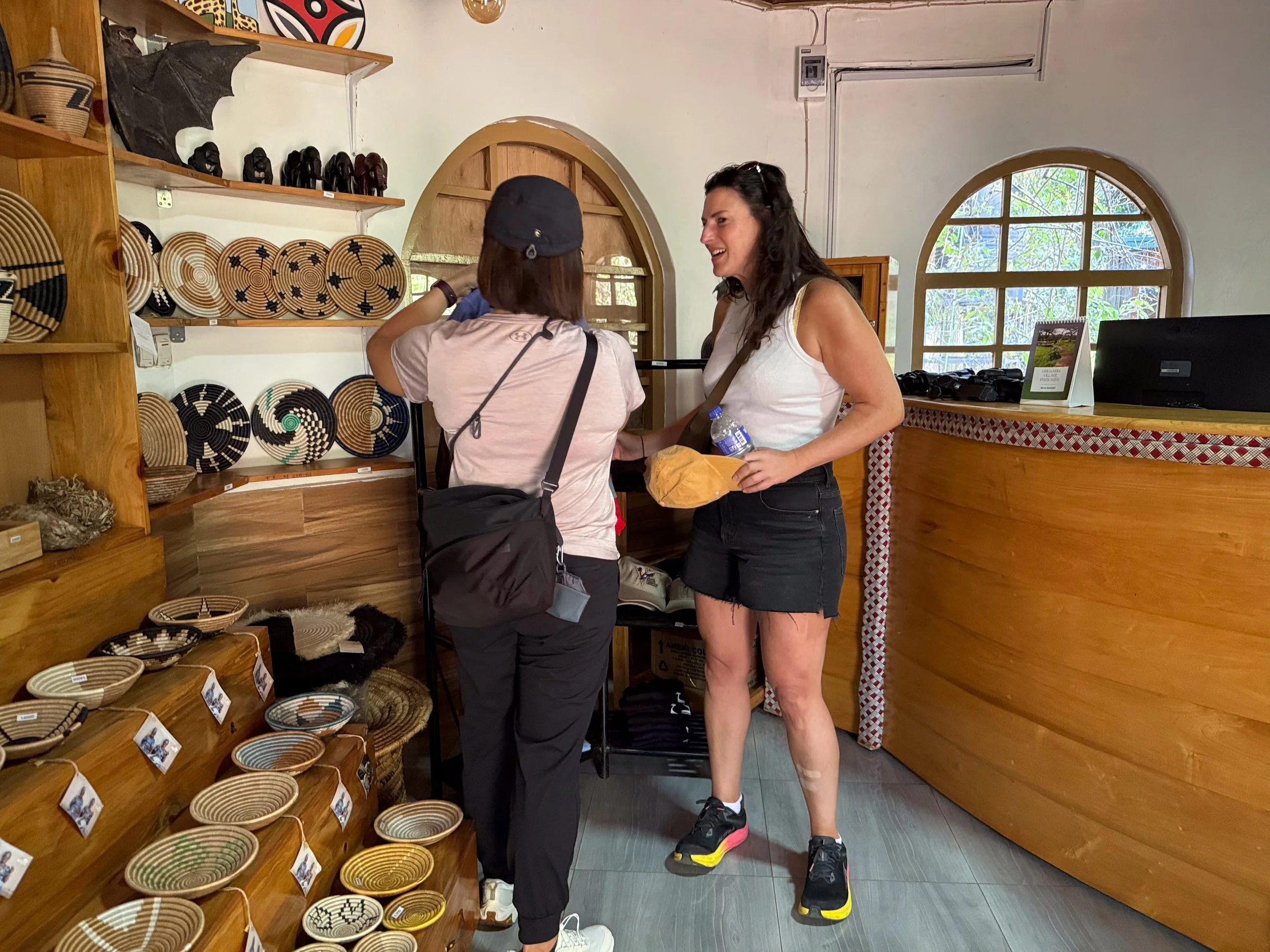
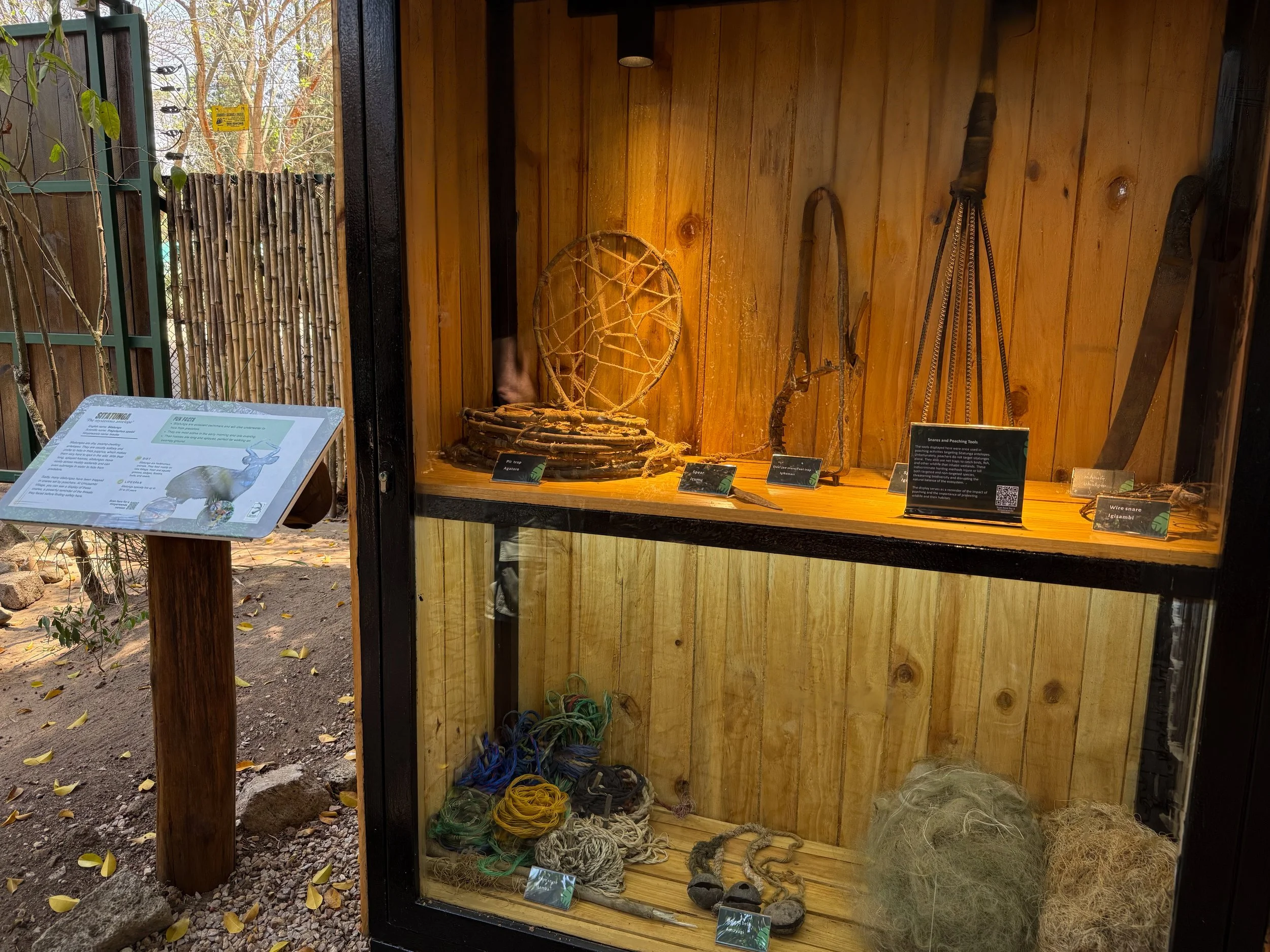
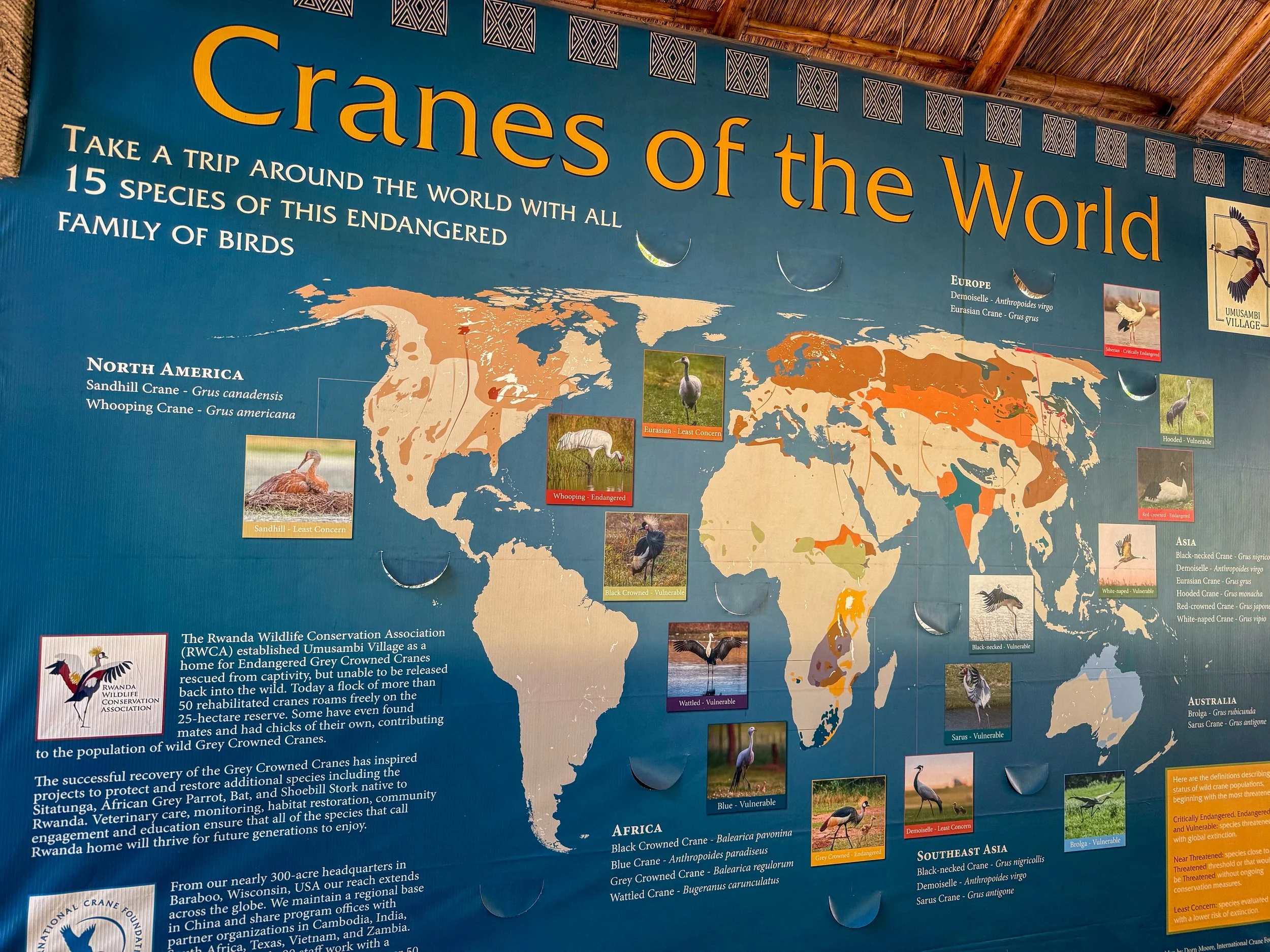
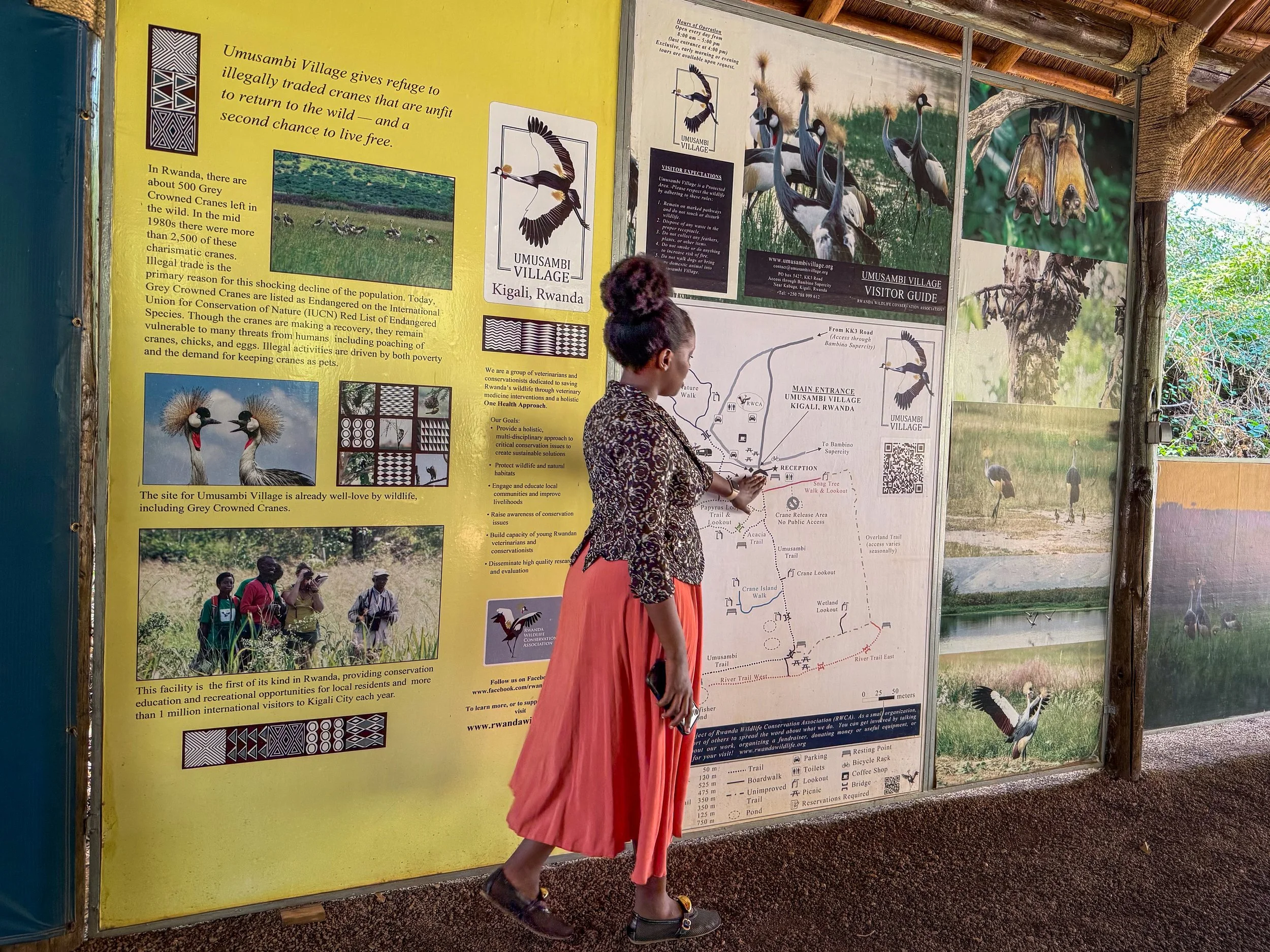
After paying our admission, we were given an intro to the Village and a map of the grounds with a suggested path. The woman who worked there said that because of the time of year and time of day it’d be unlikely that we’d see any animals other than the headliner cranes (and some of the royal cows)… but, spoiler alert, she turned out to be very wrong!
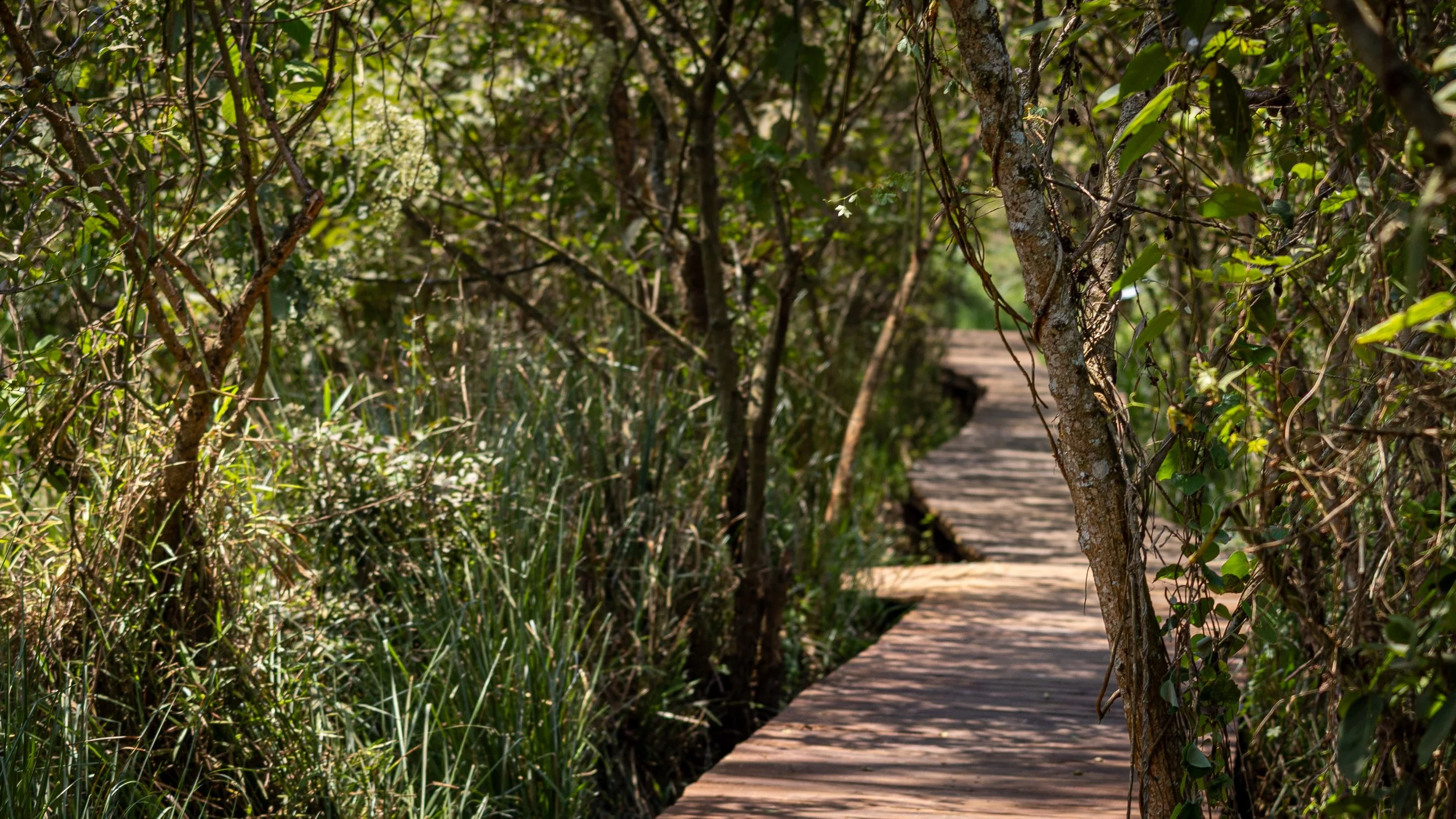
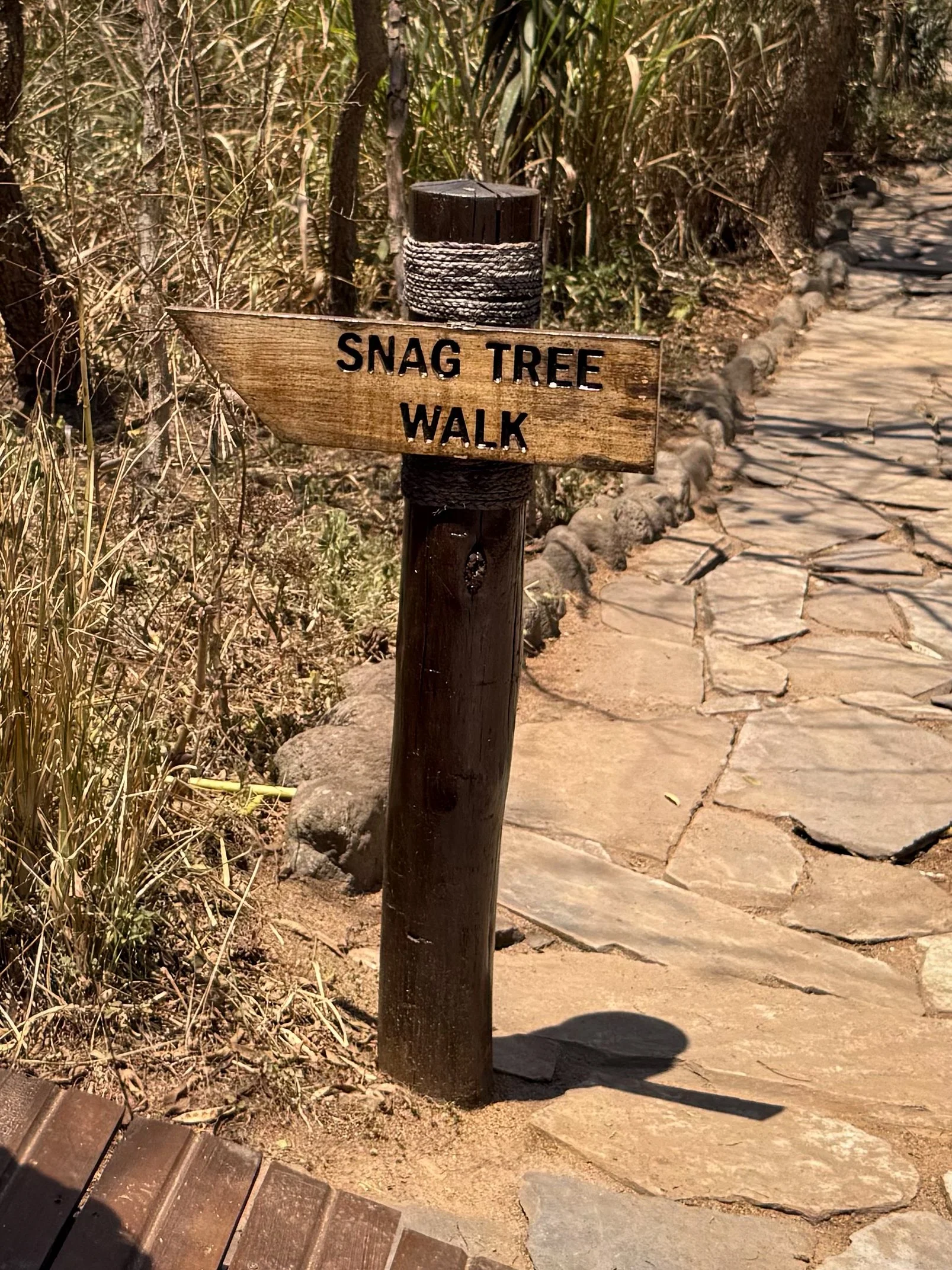
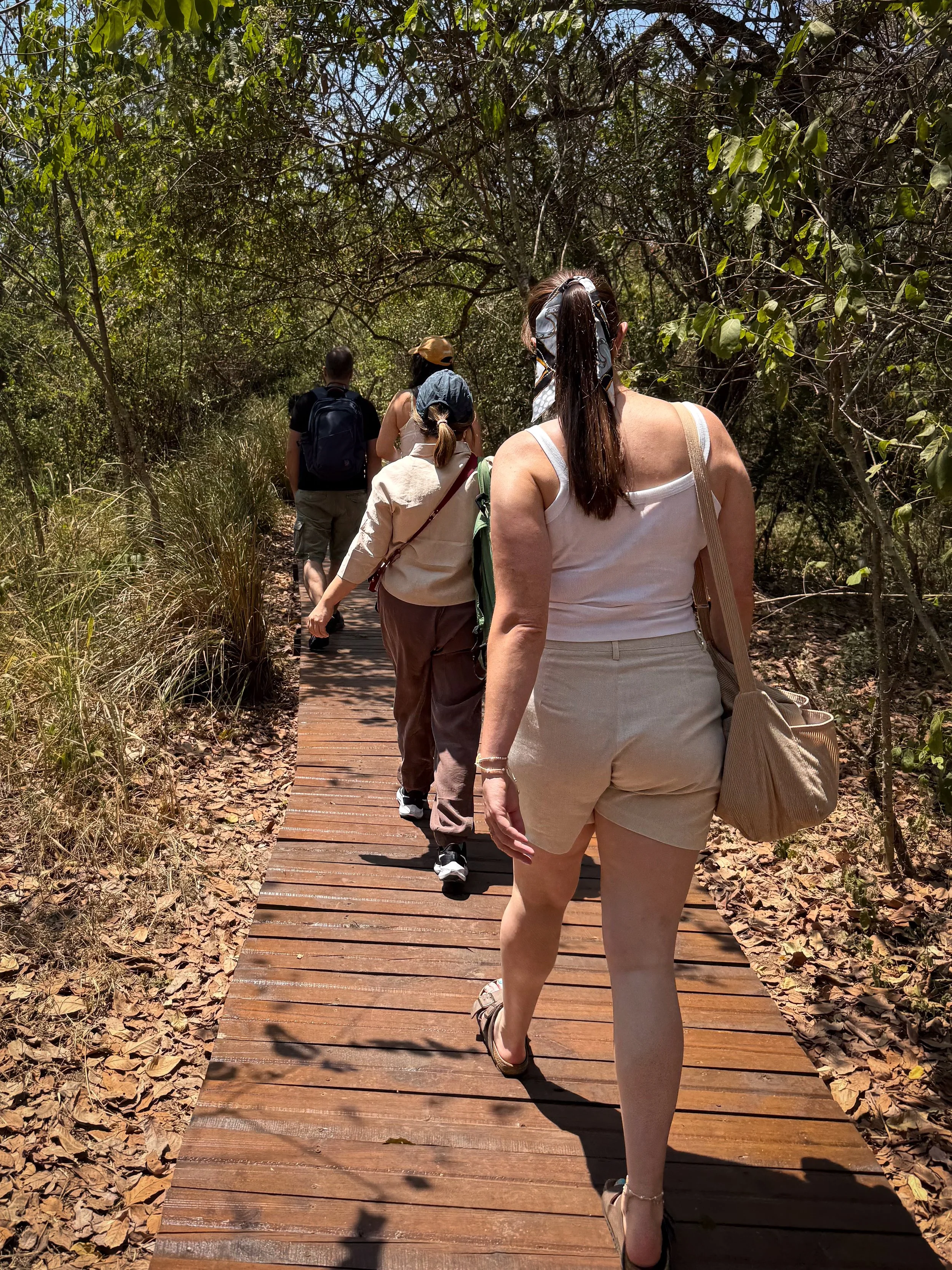
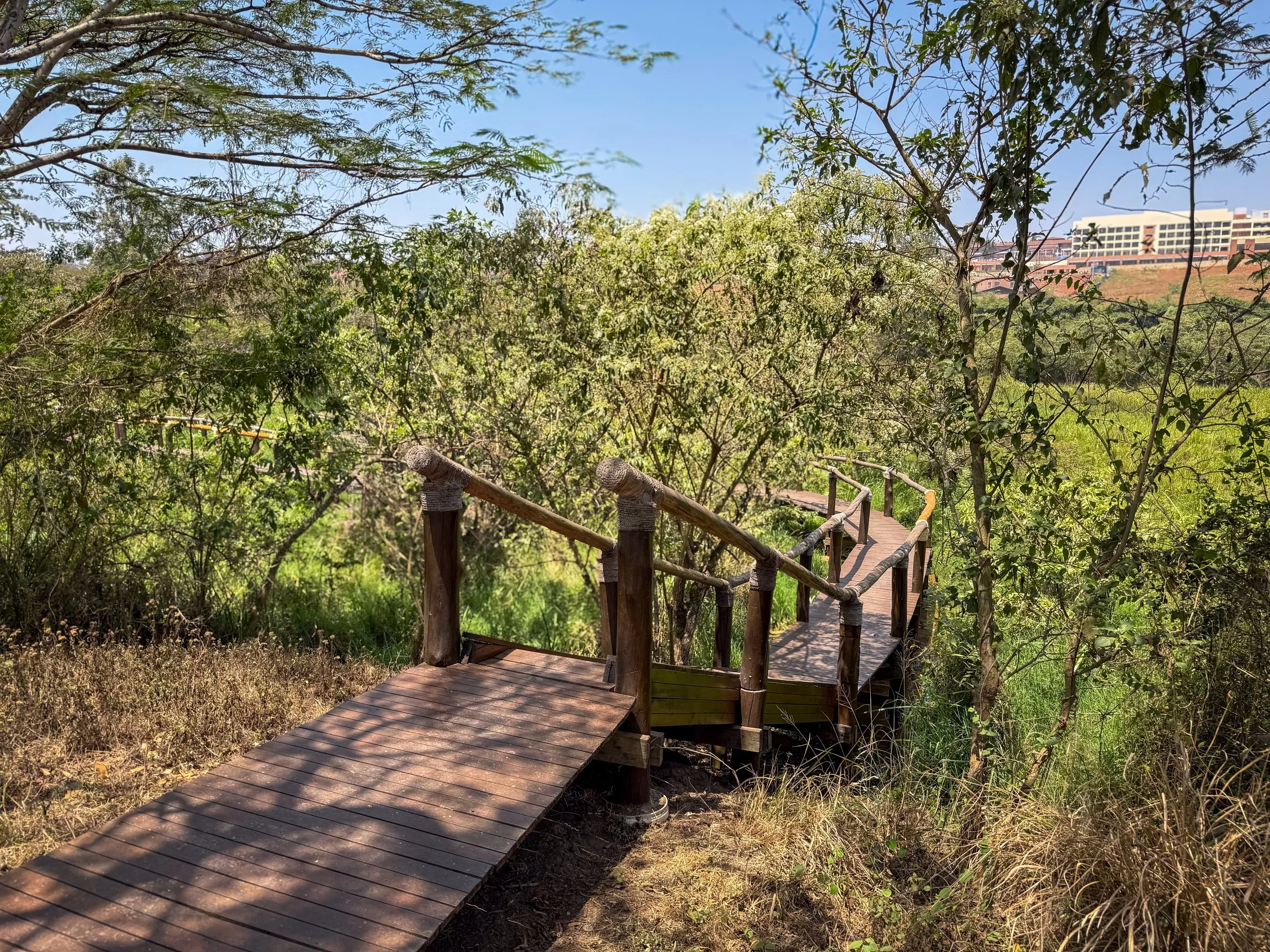
We started out on the short Snag Tree boardwalk to take us to a common viewing spot for the cranes, firing up the addictive Merlin Bird ID app on the way.
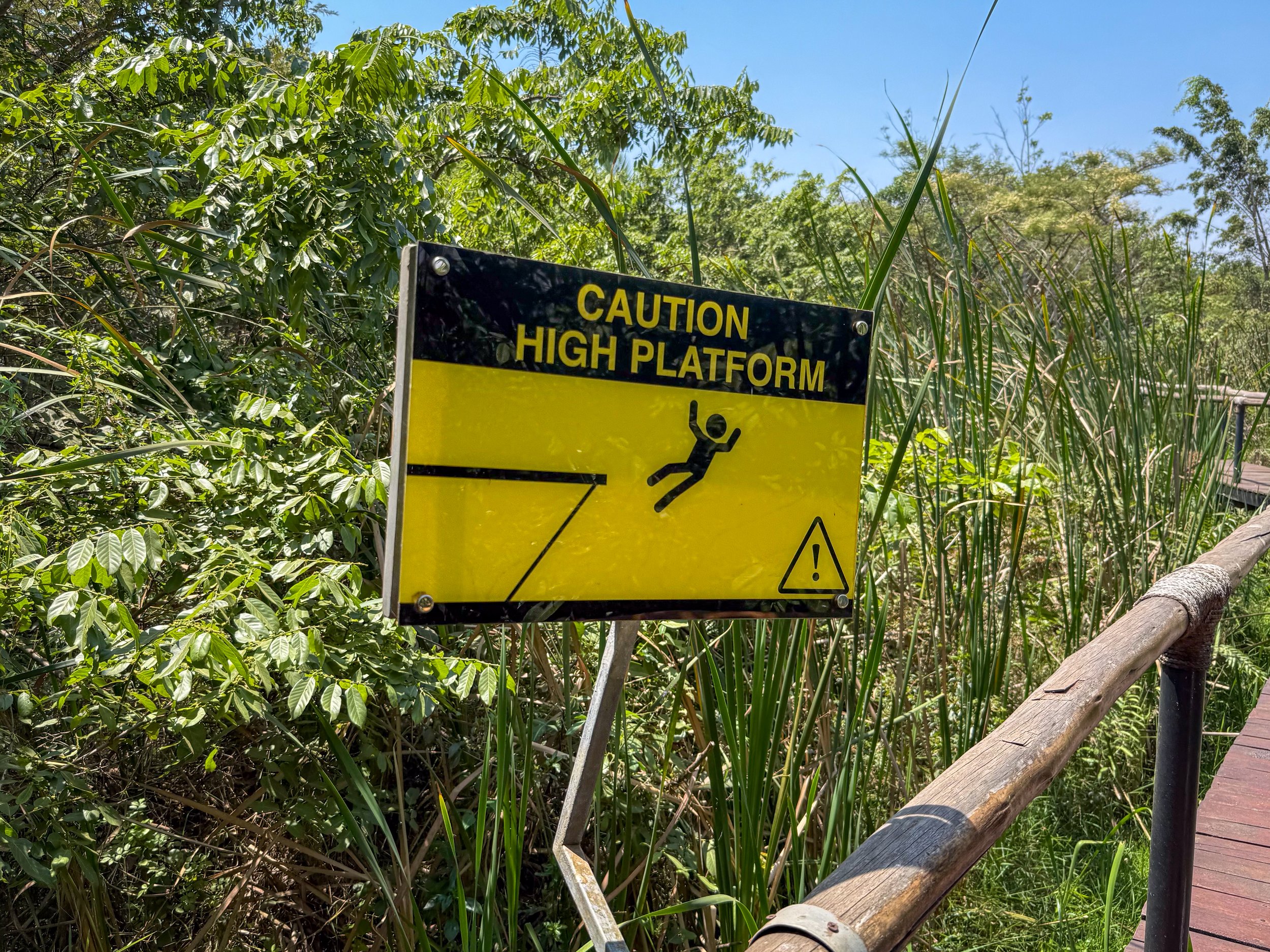
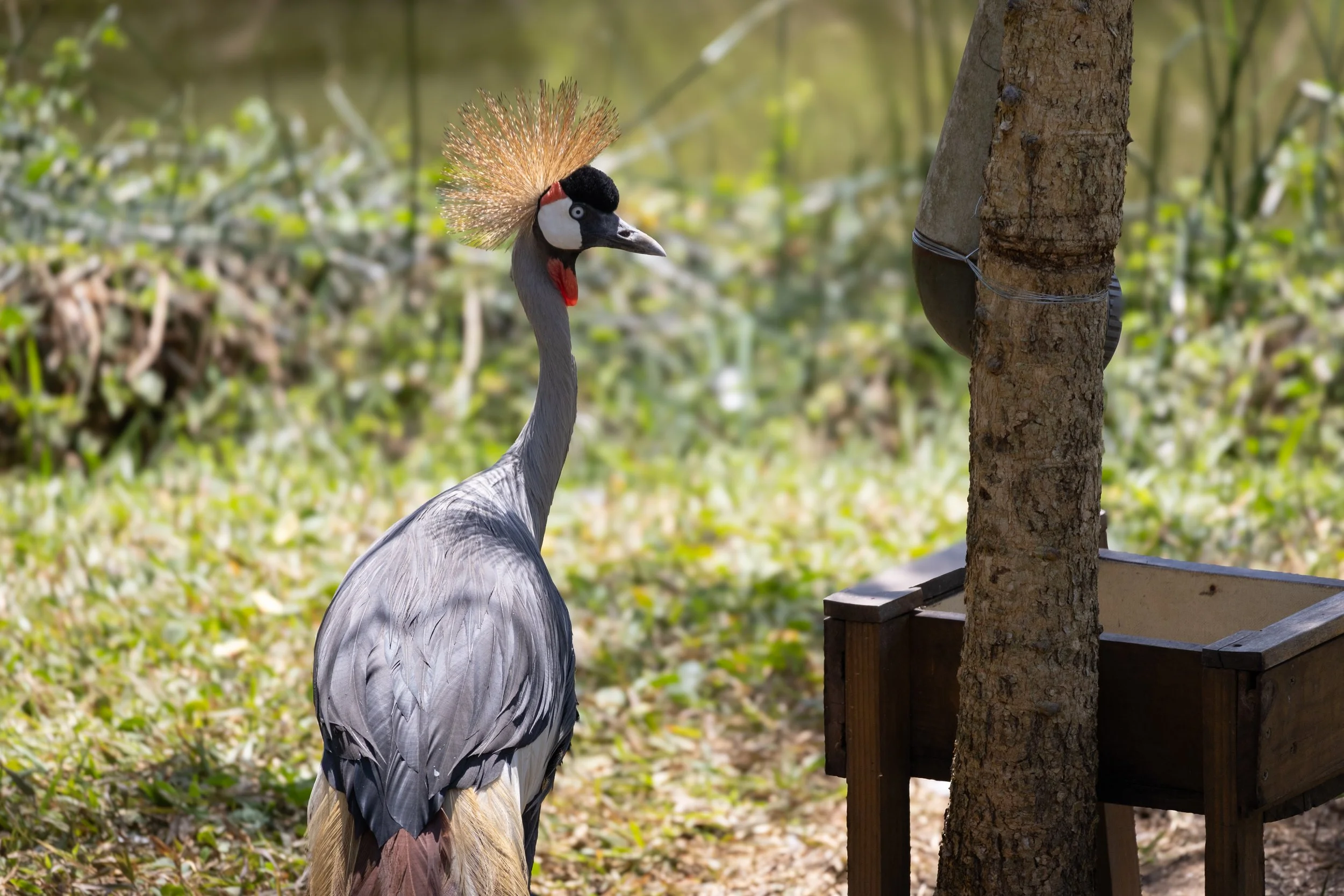
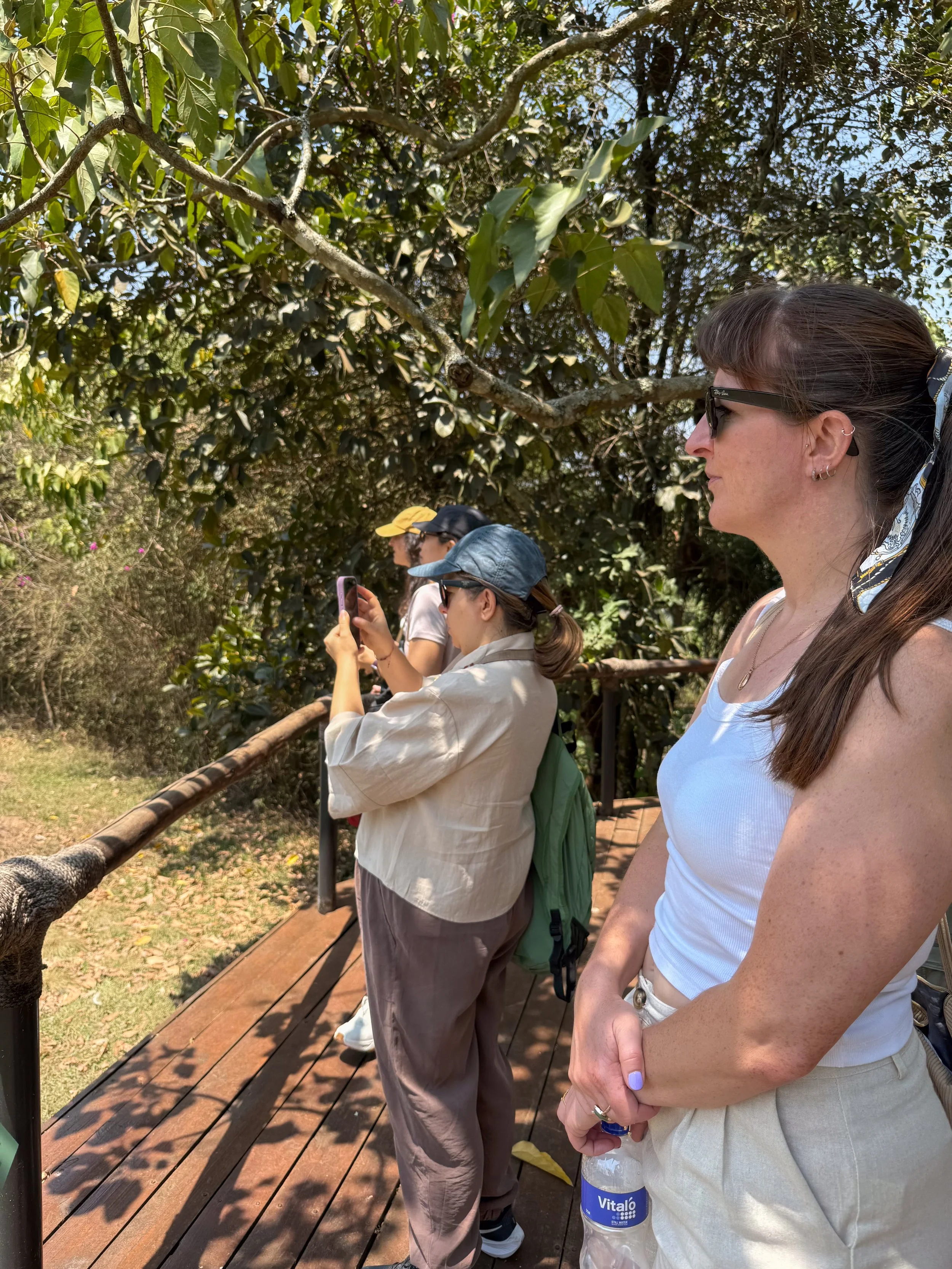
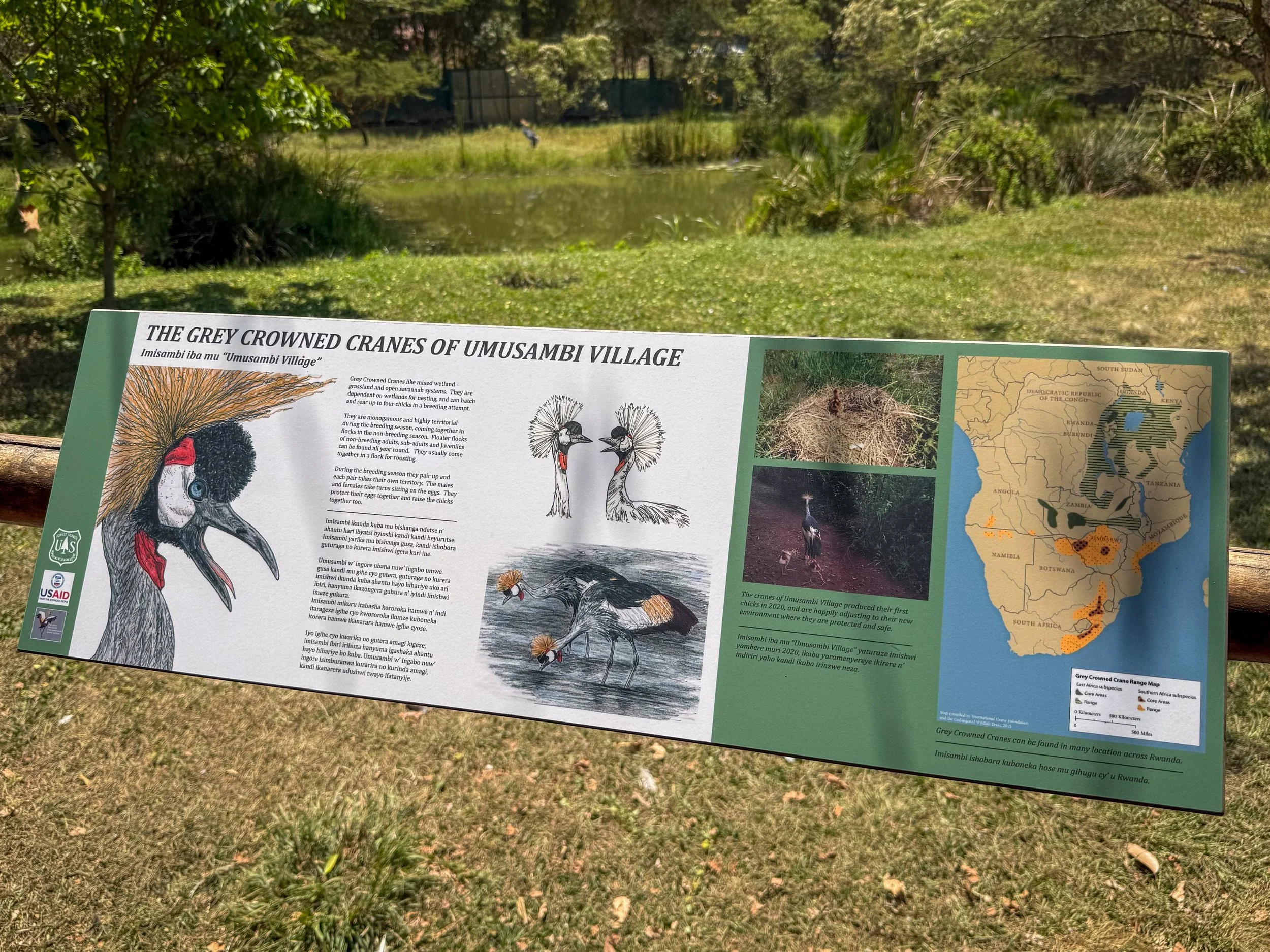
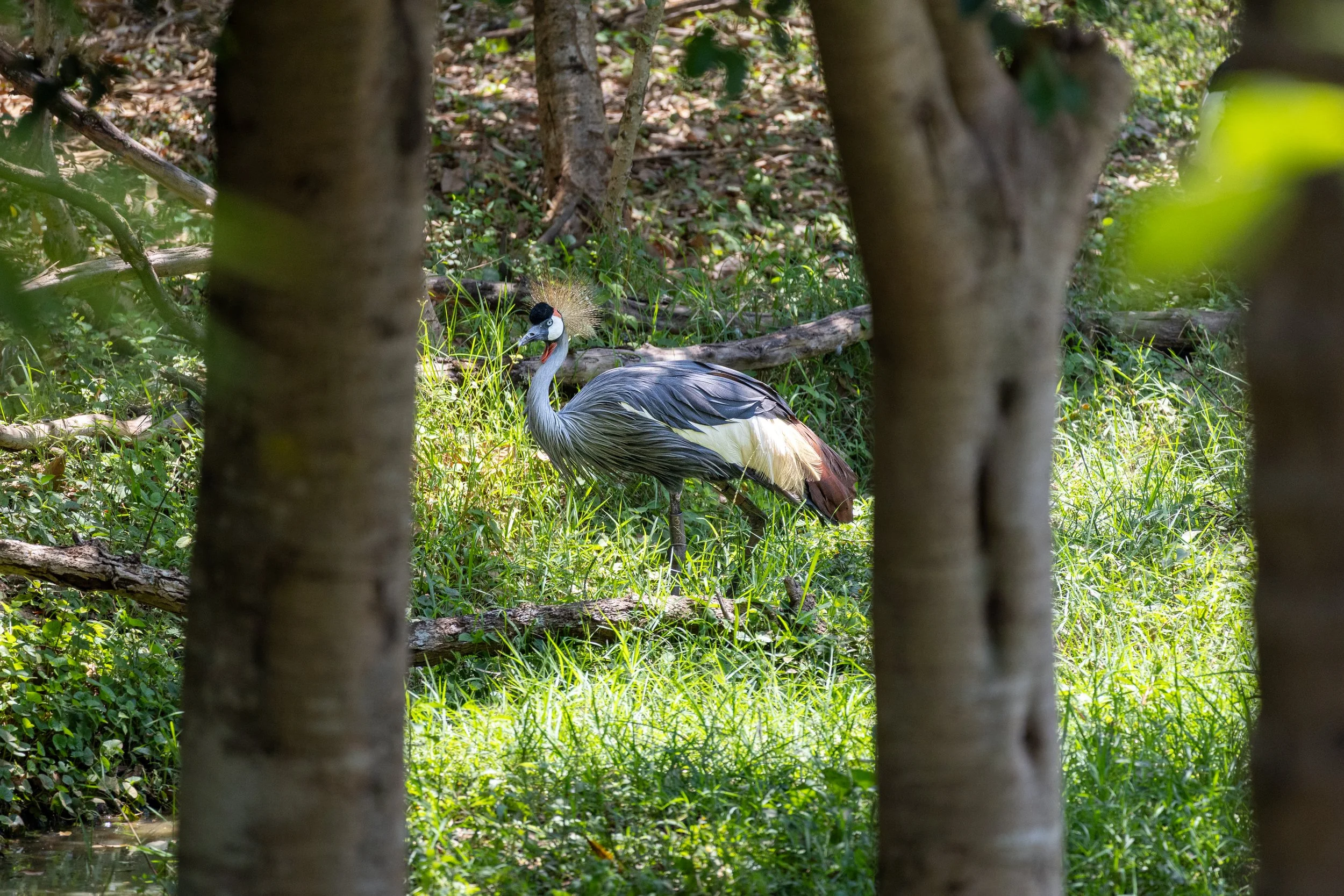
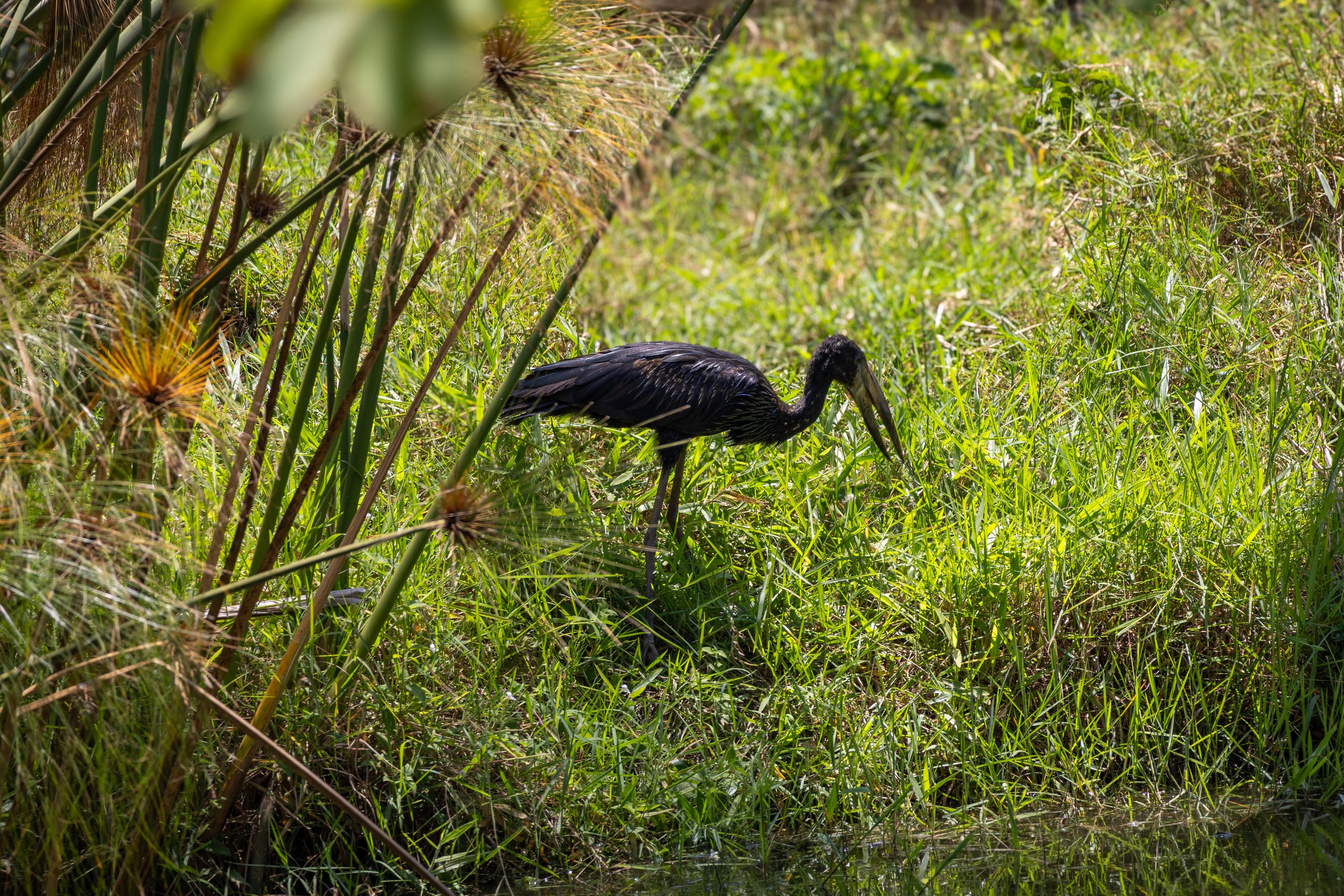
We did see a number of the cranes when we arrived at the platform, though they were mostly a bit distant. A big surprise, though, was that we saw two adorable little duikers hanging out! This is when Amy started proving herself as a savant when it came to spotting animals and birds who were pretty hidden.
We then continued on our way, walking through the paths and taking in the beautiful day, the picturesque setting, and what turned out to be a lot of not-crane birds! Though one of the first things we saw was a distant view of what I assume is the majority of them, hanging out in the middle of the park.
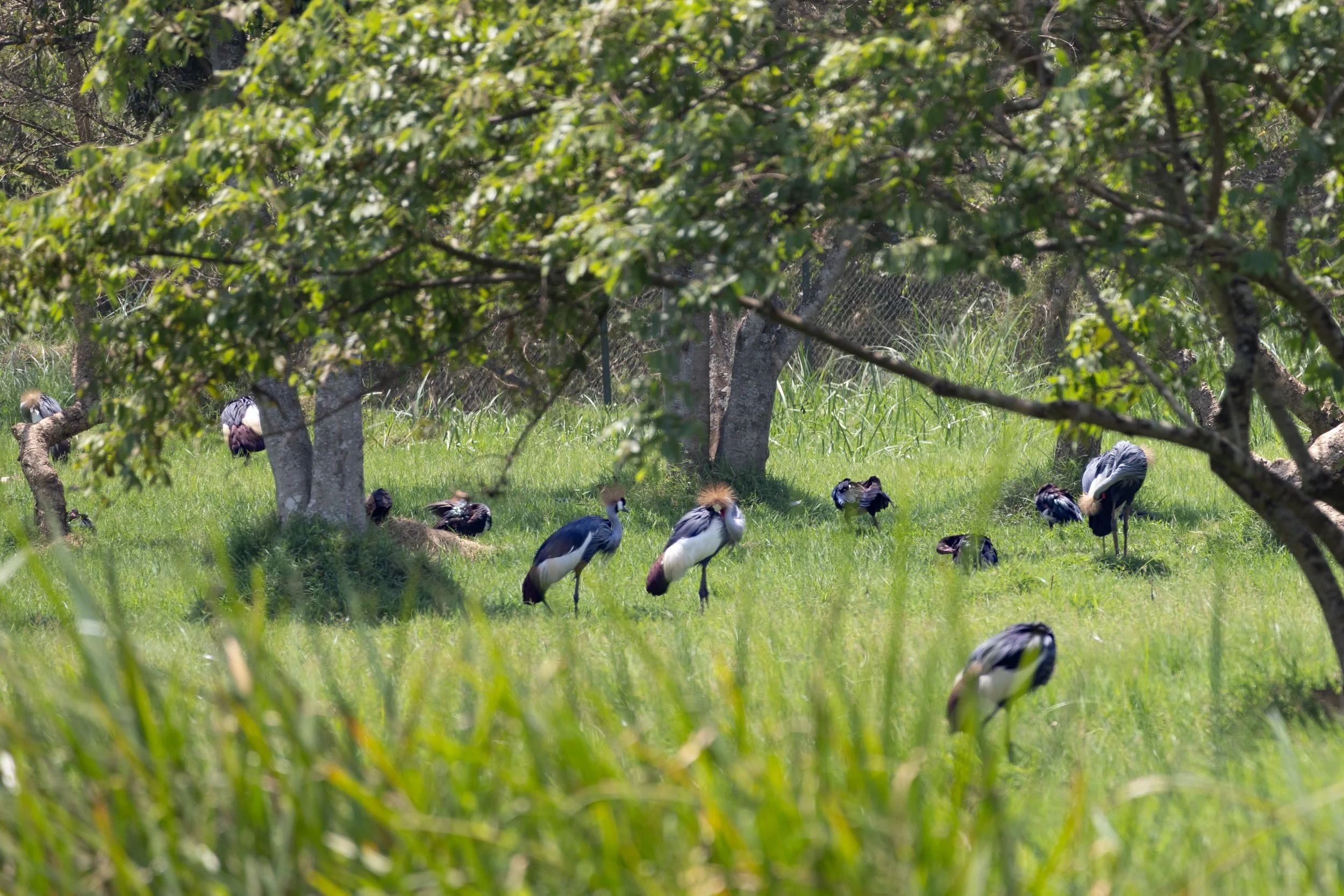
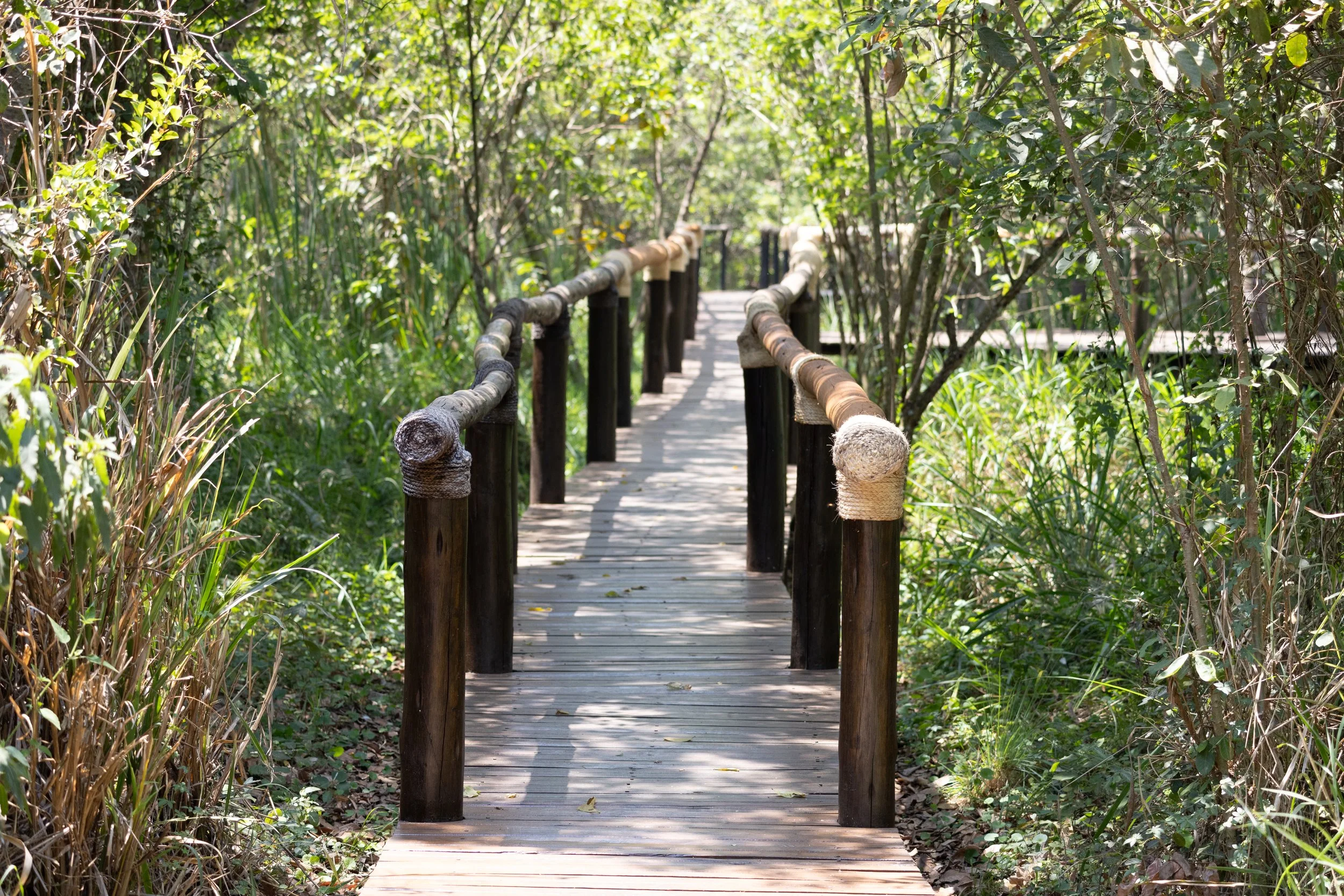
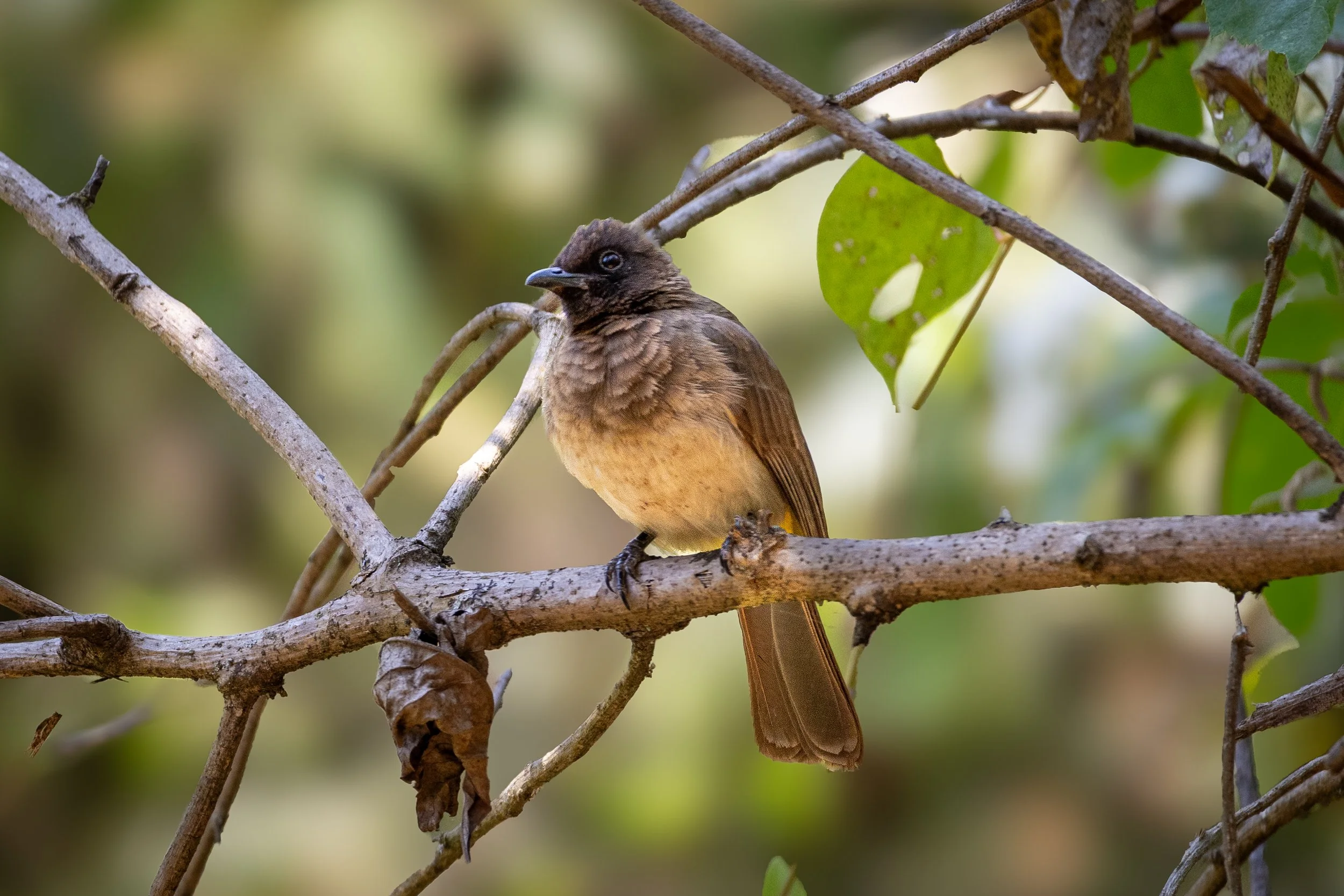
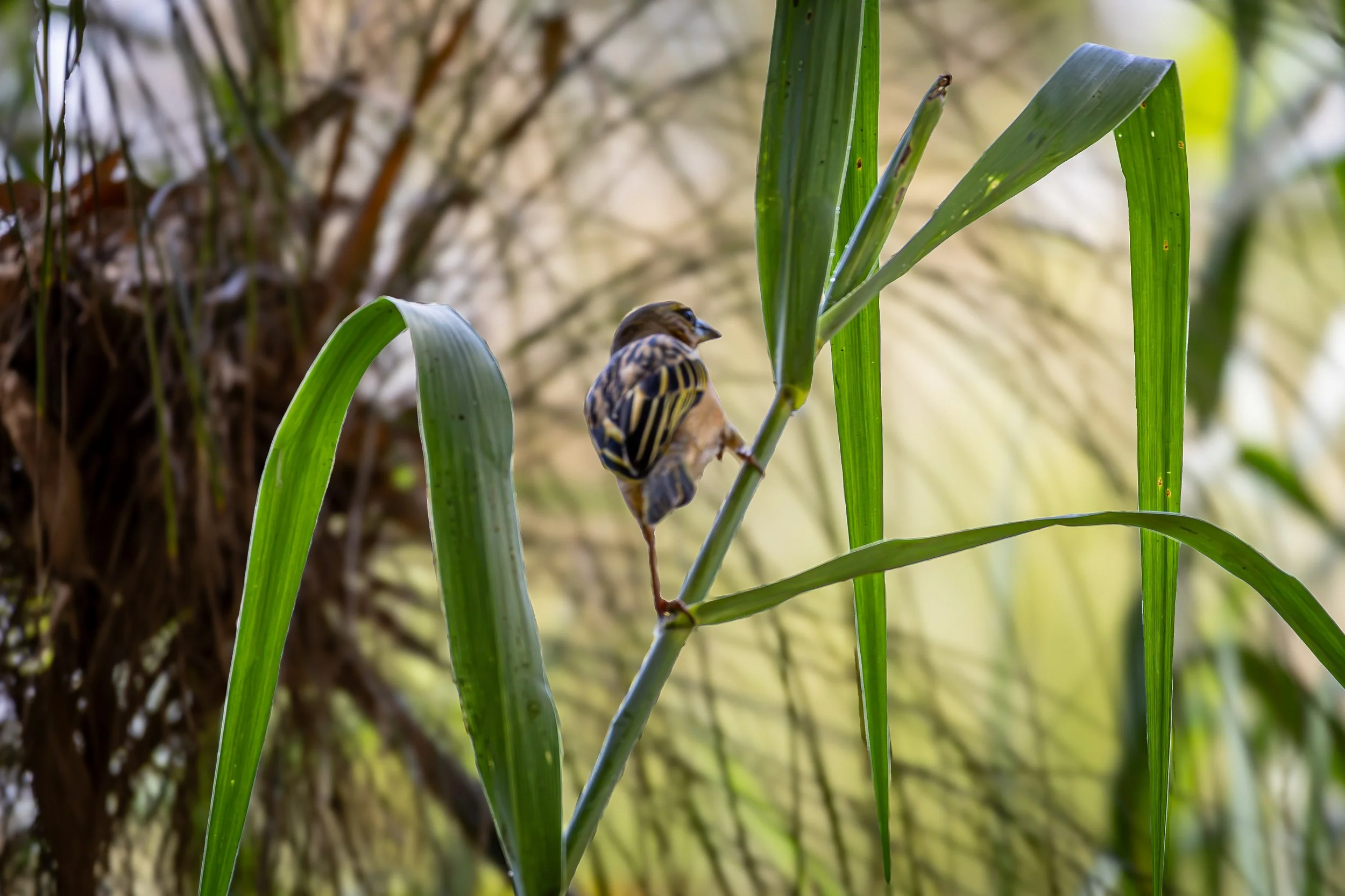
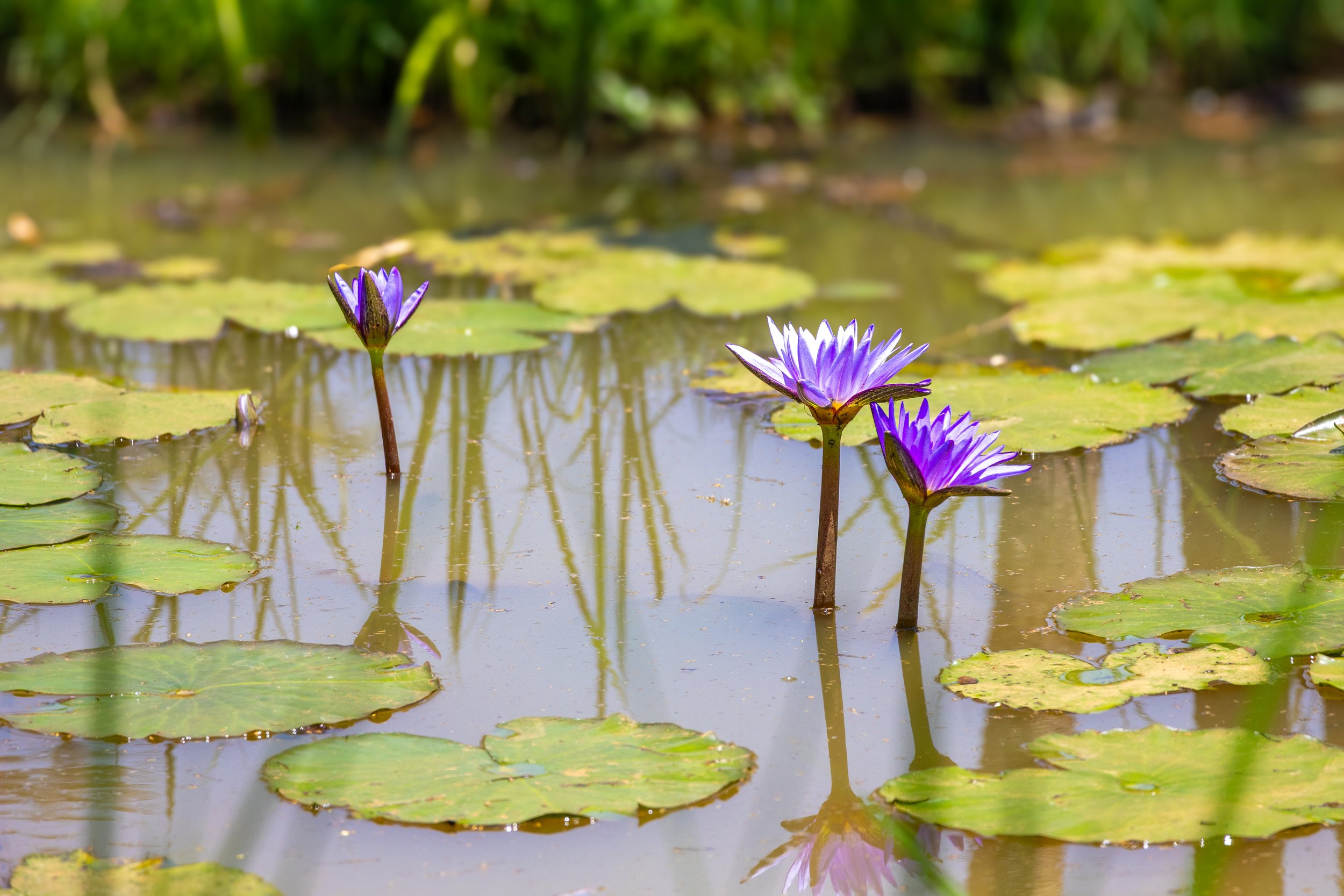
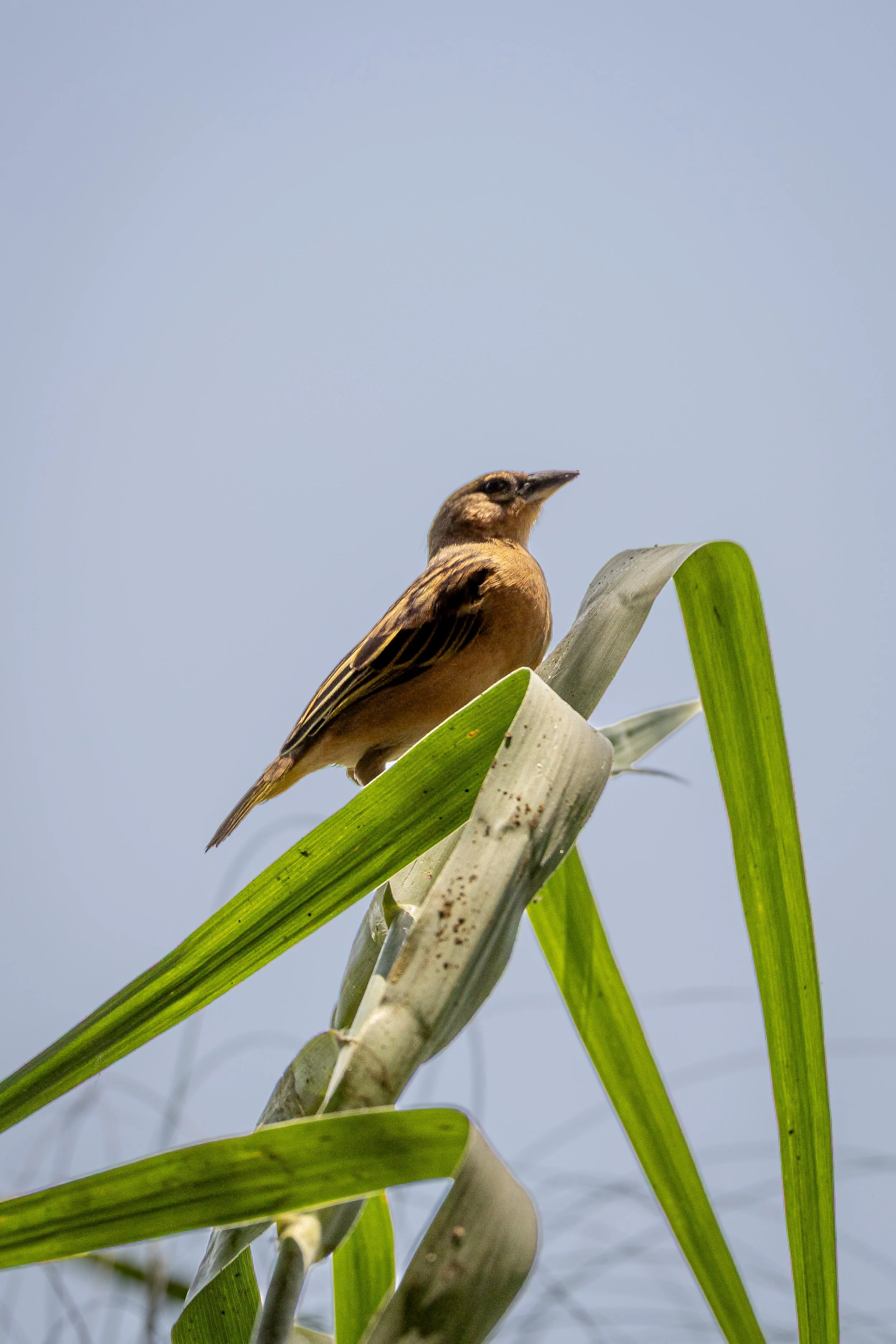
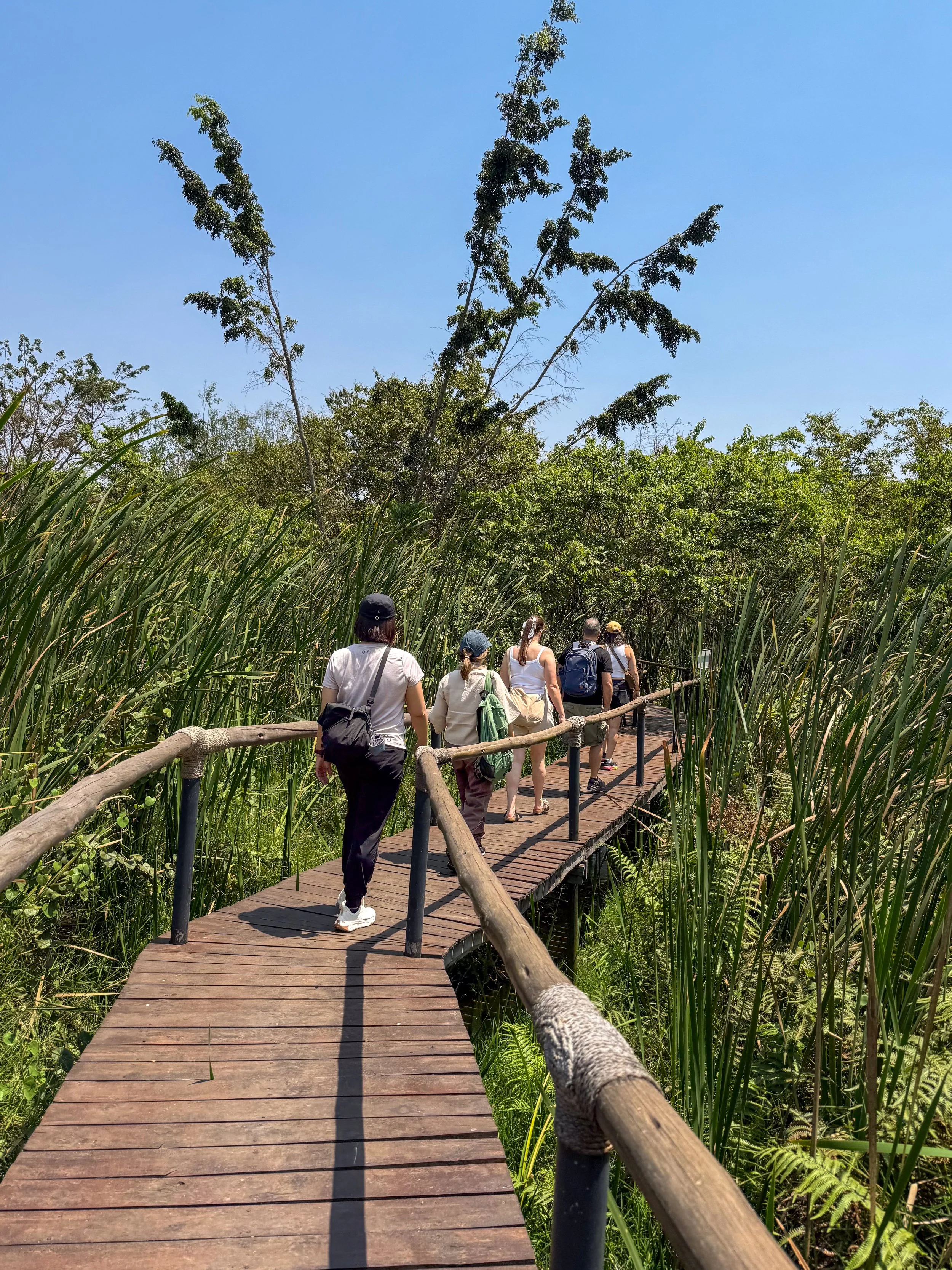
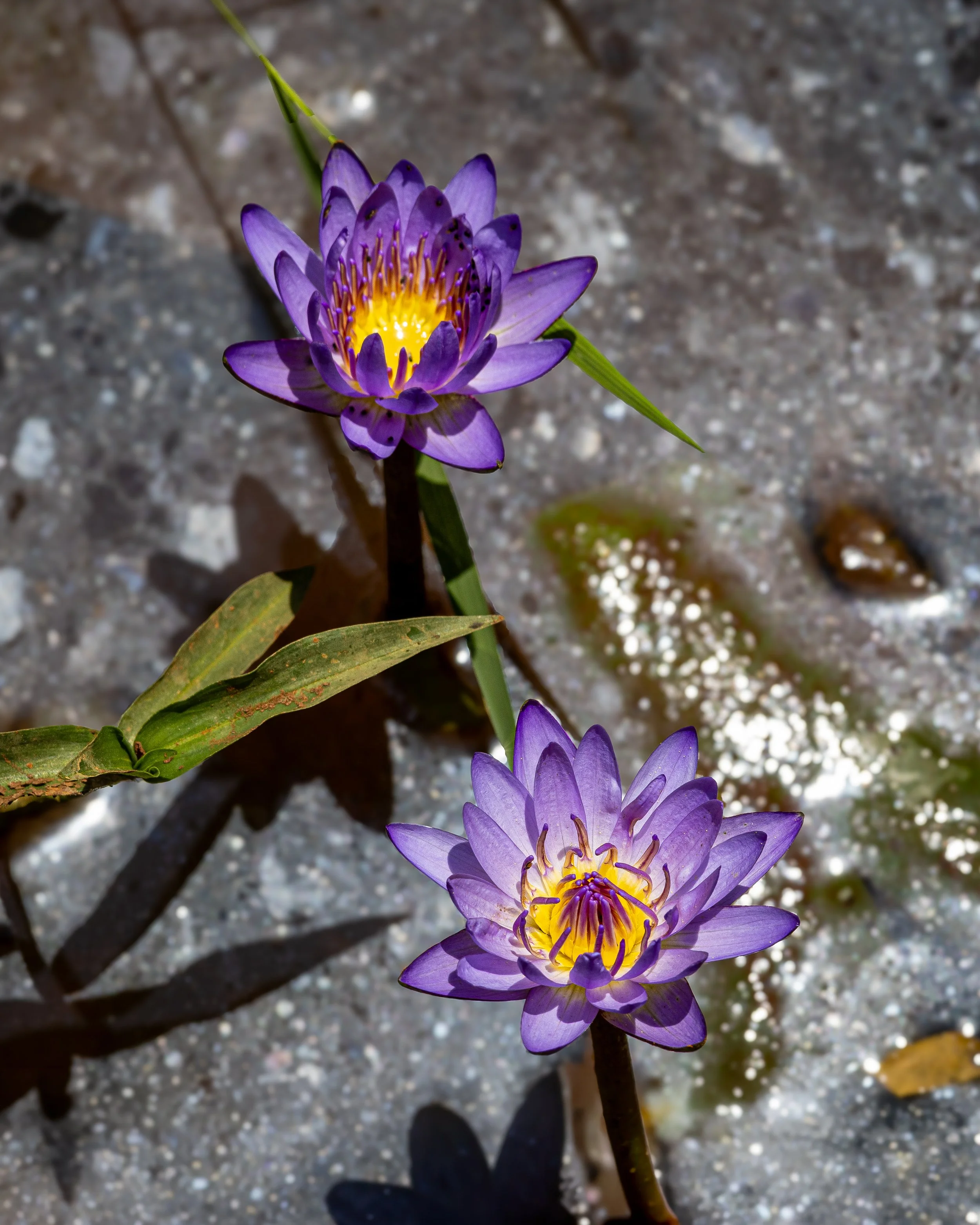
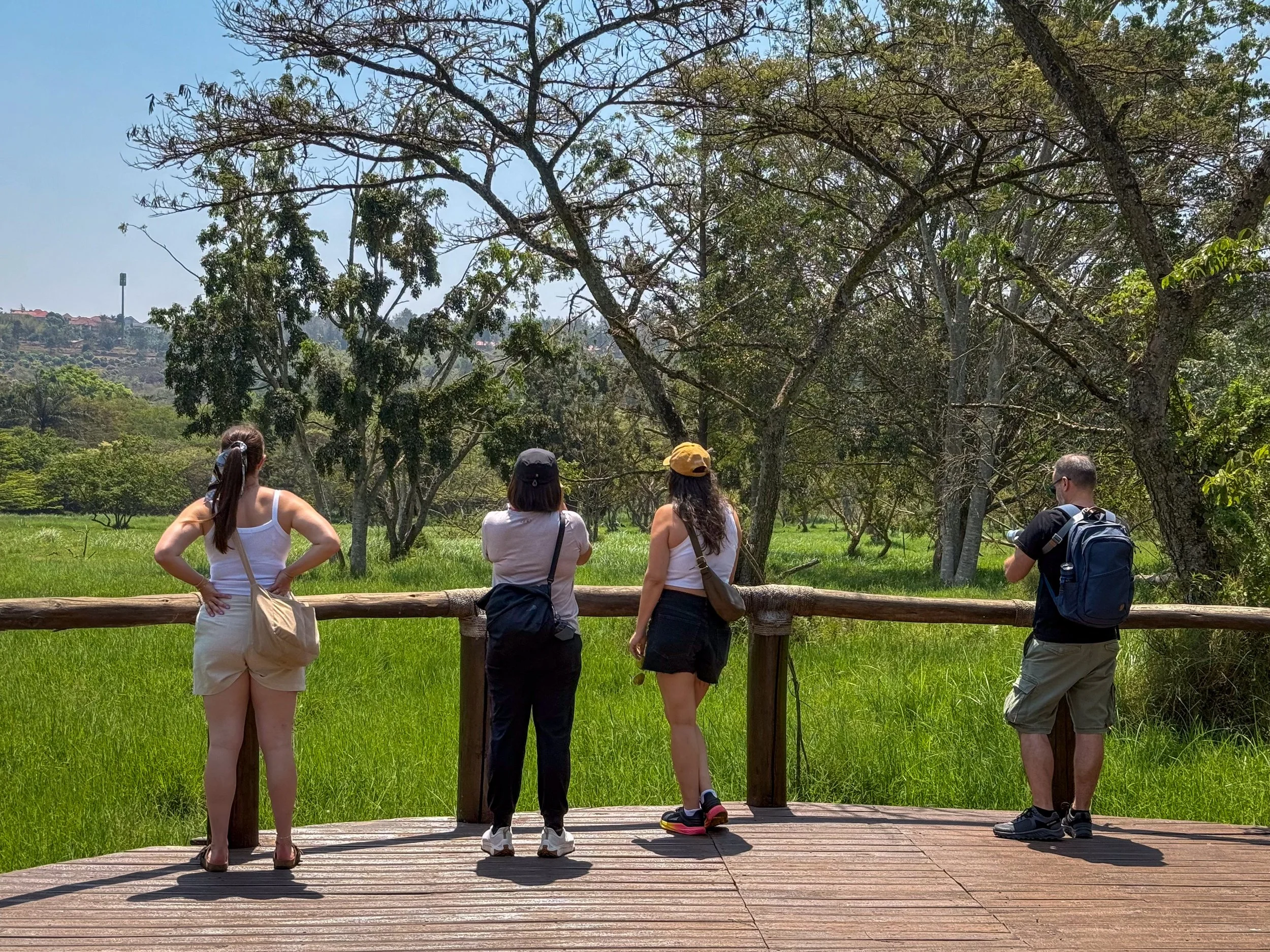
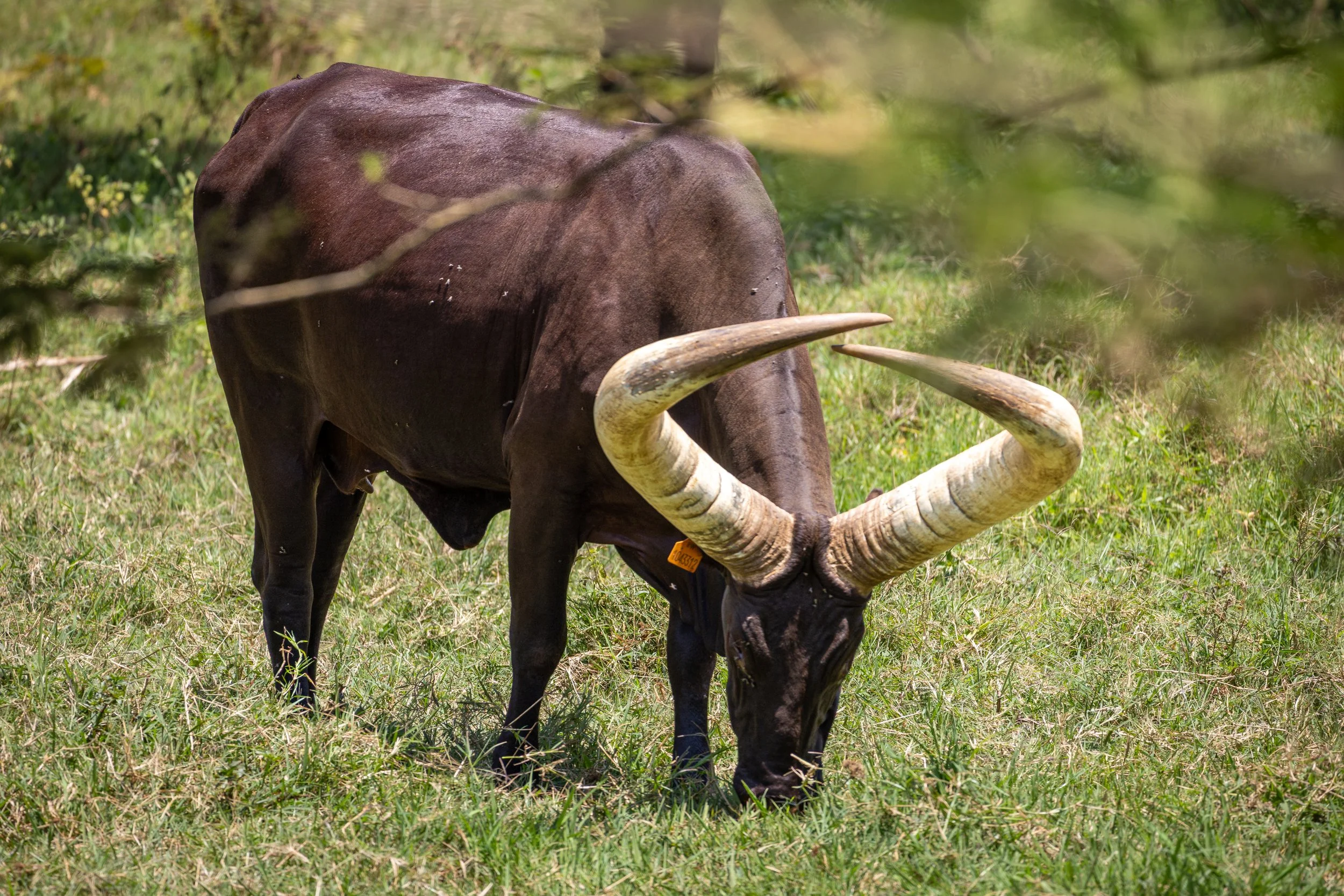
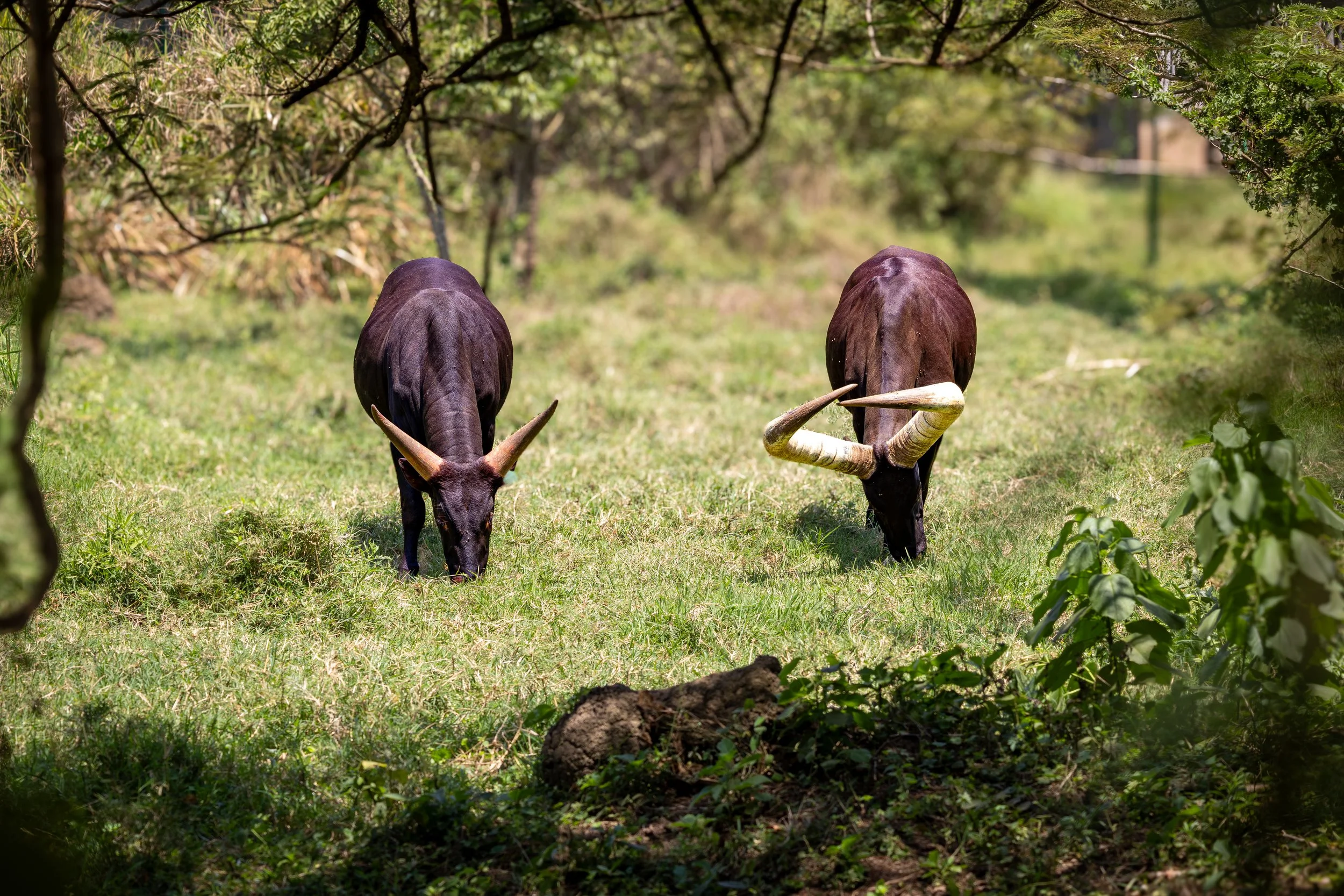
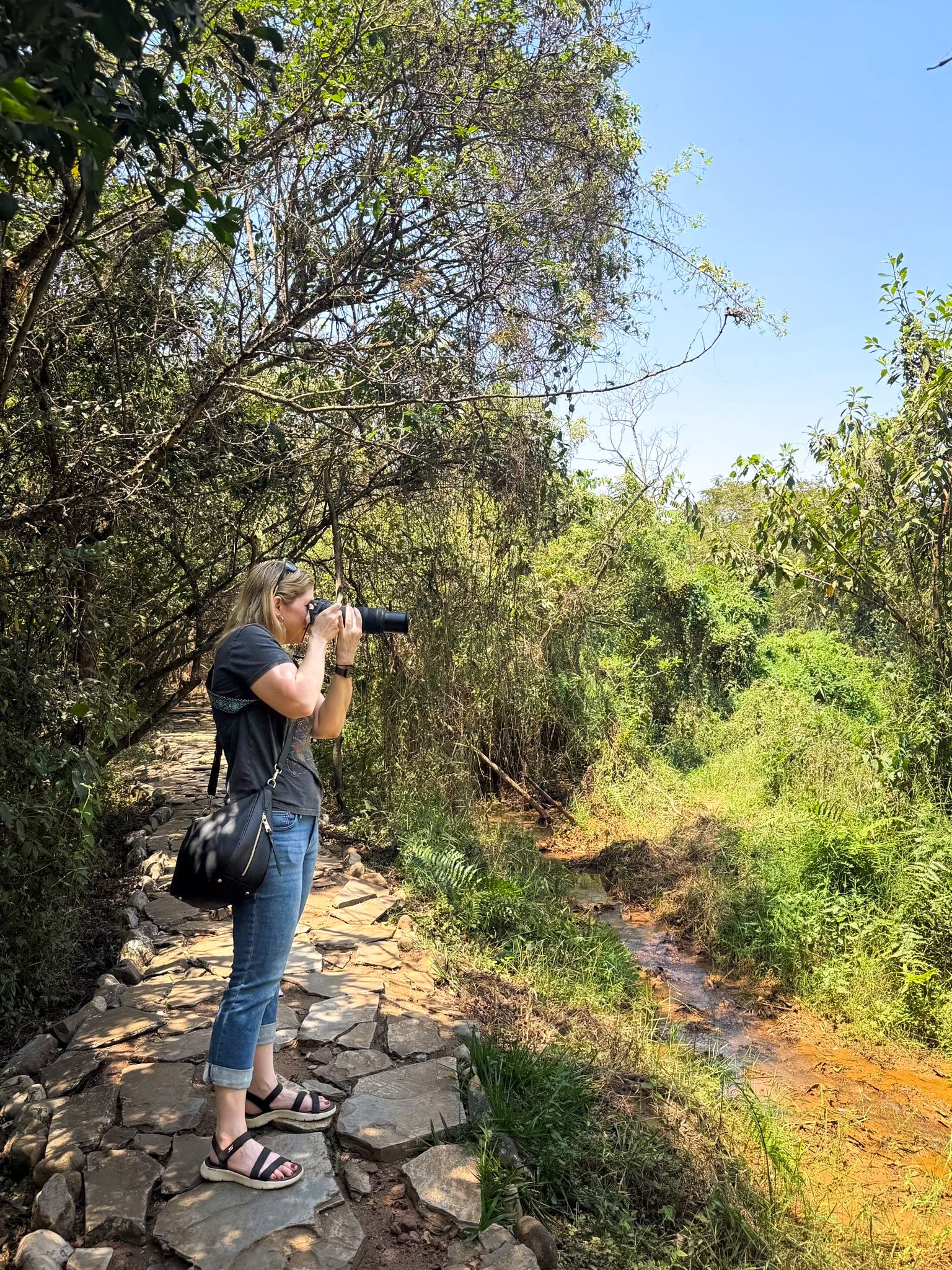
Photo by Nuria
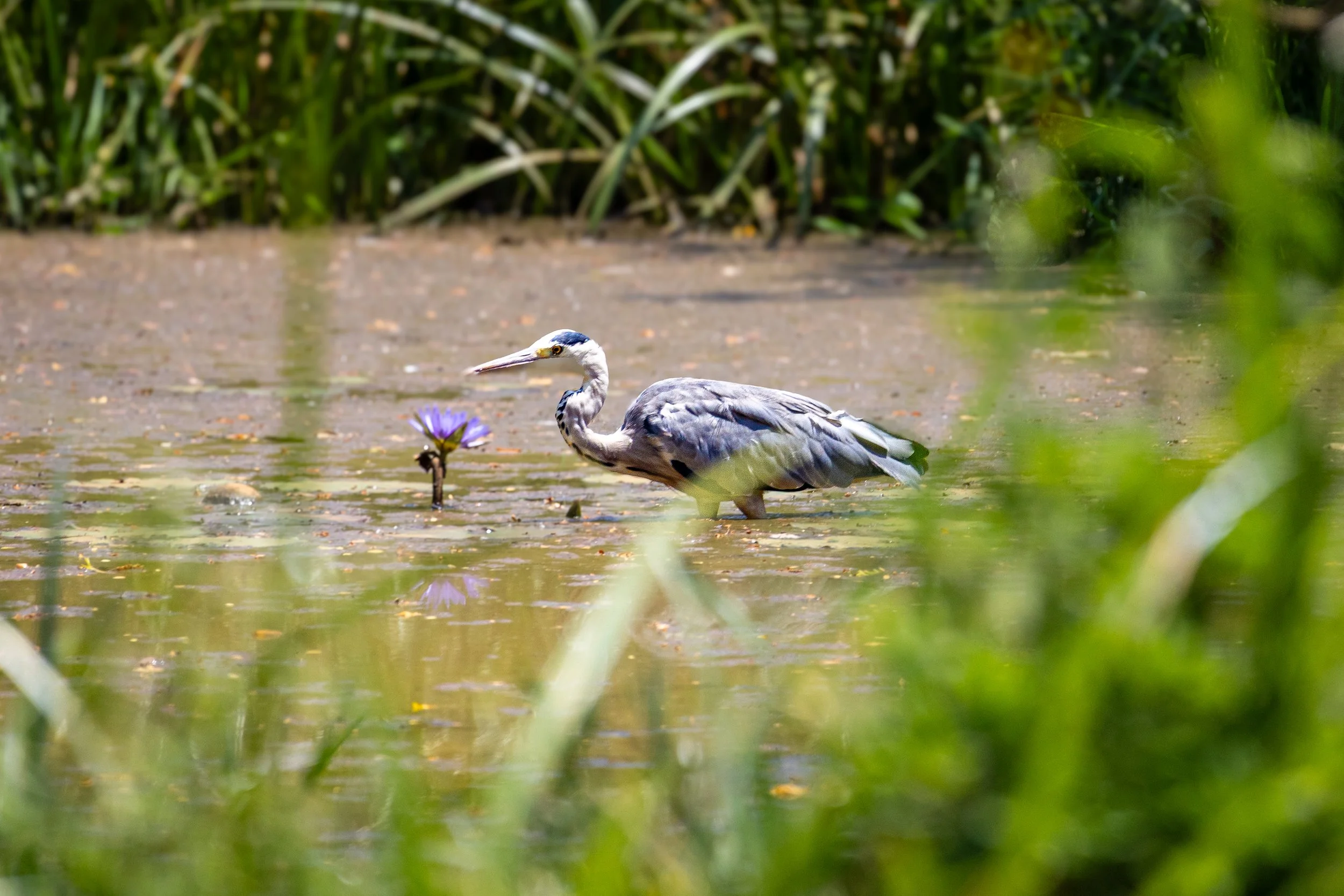
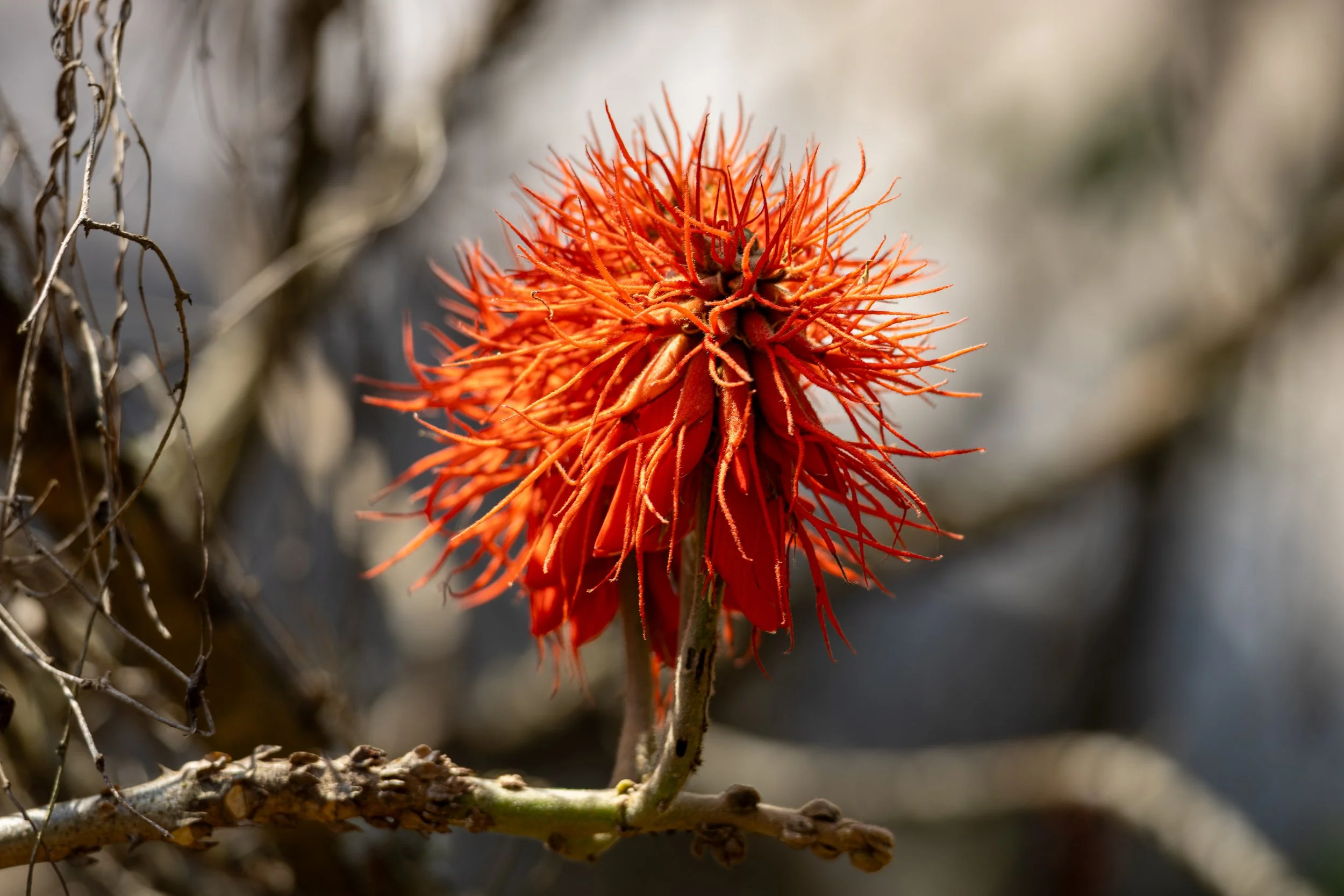
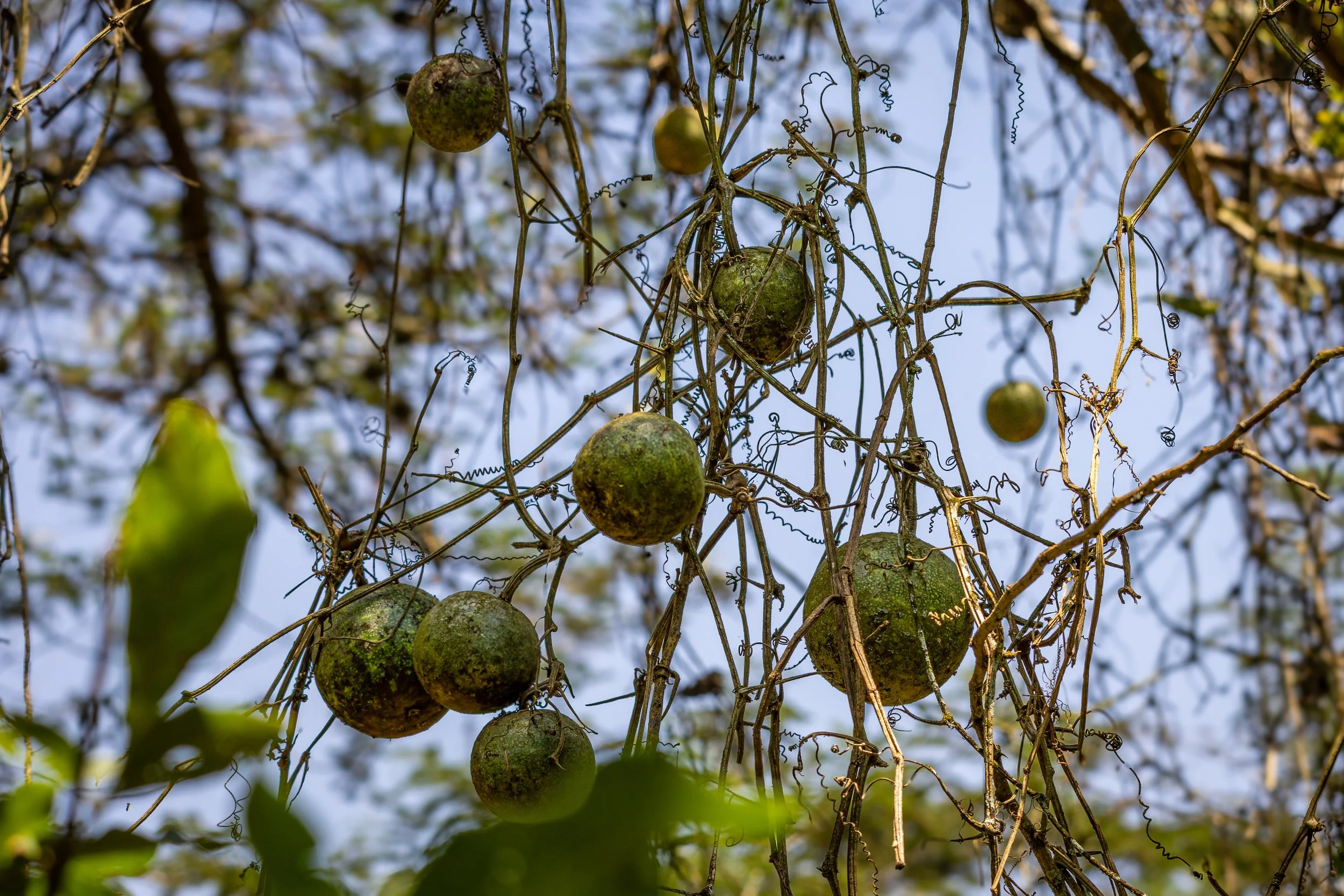
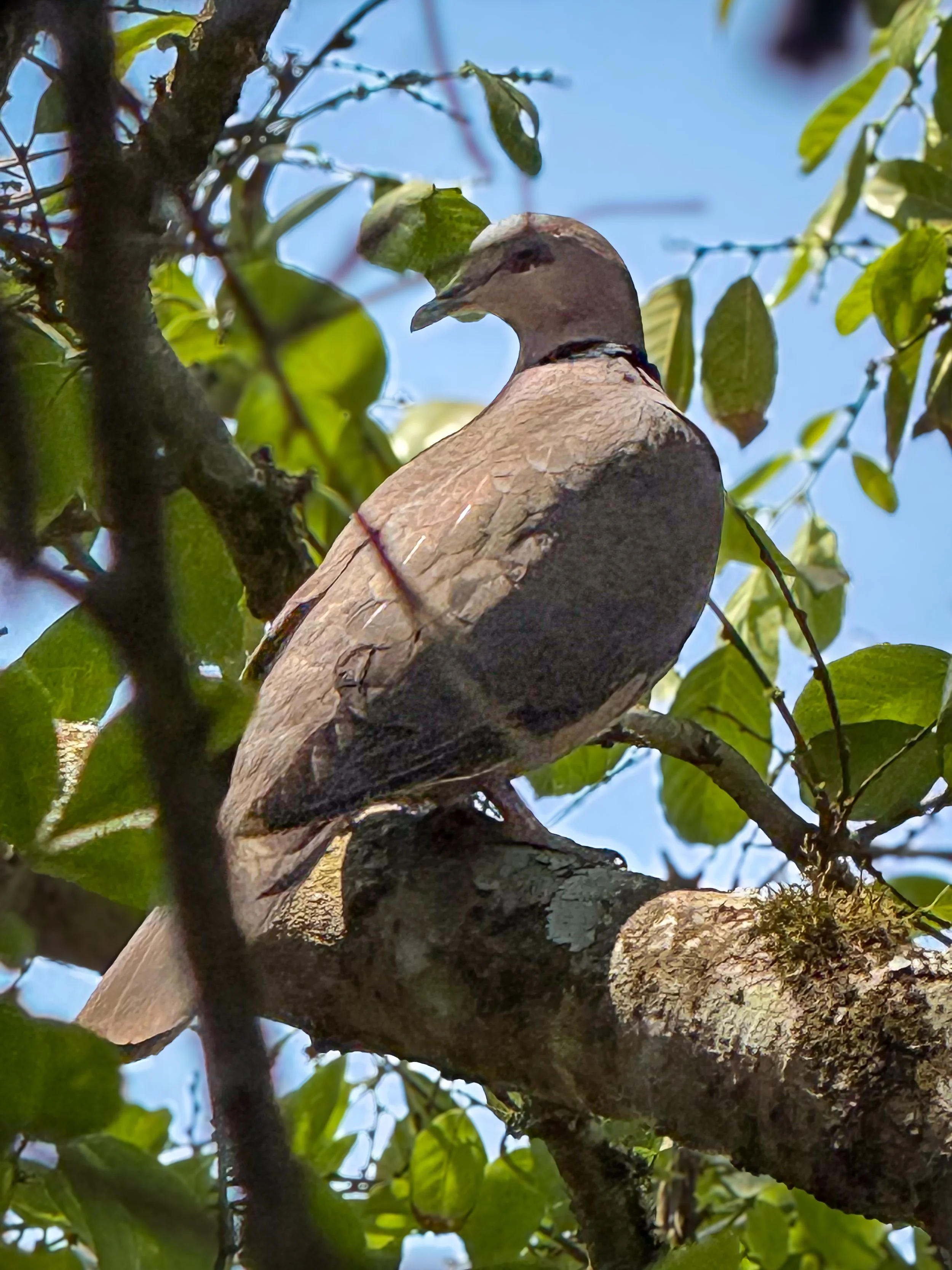
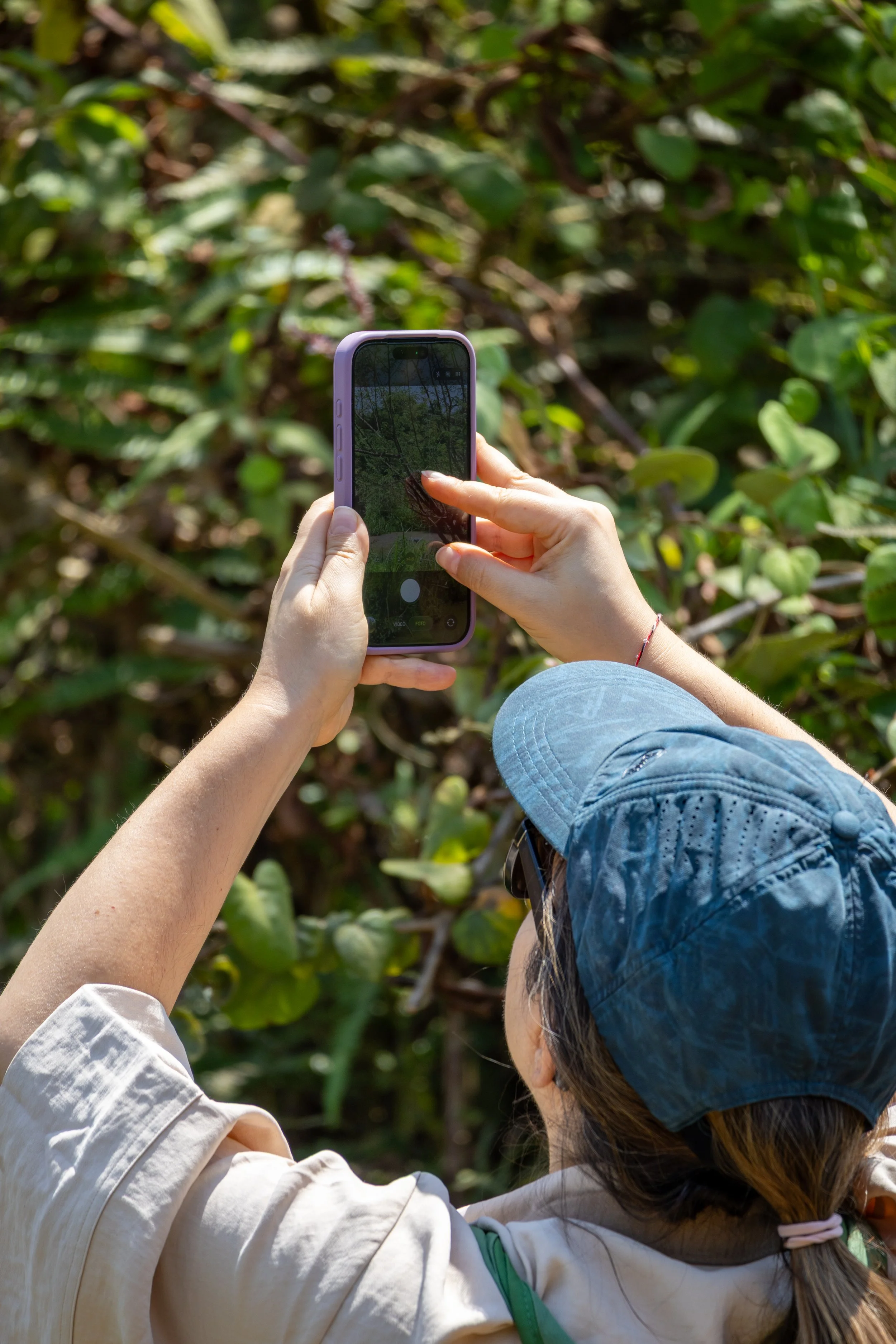
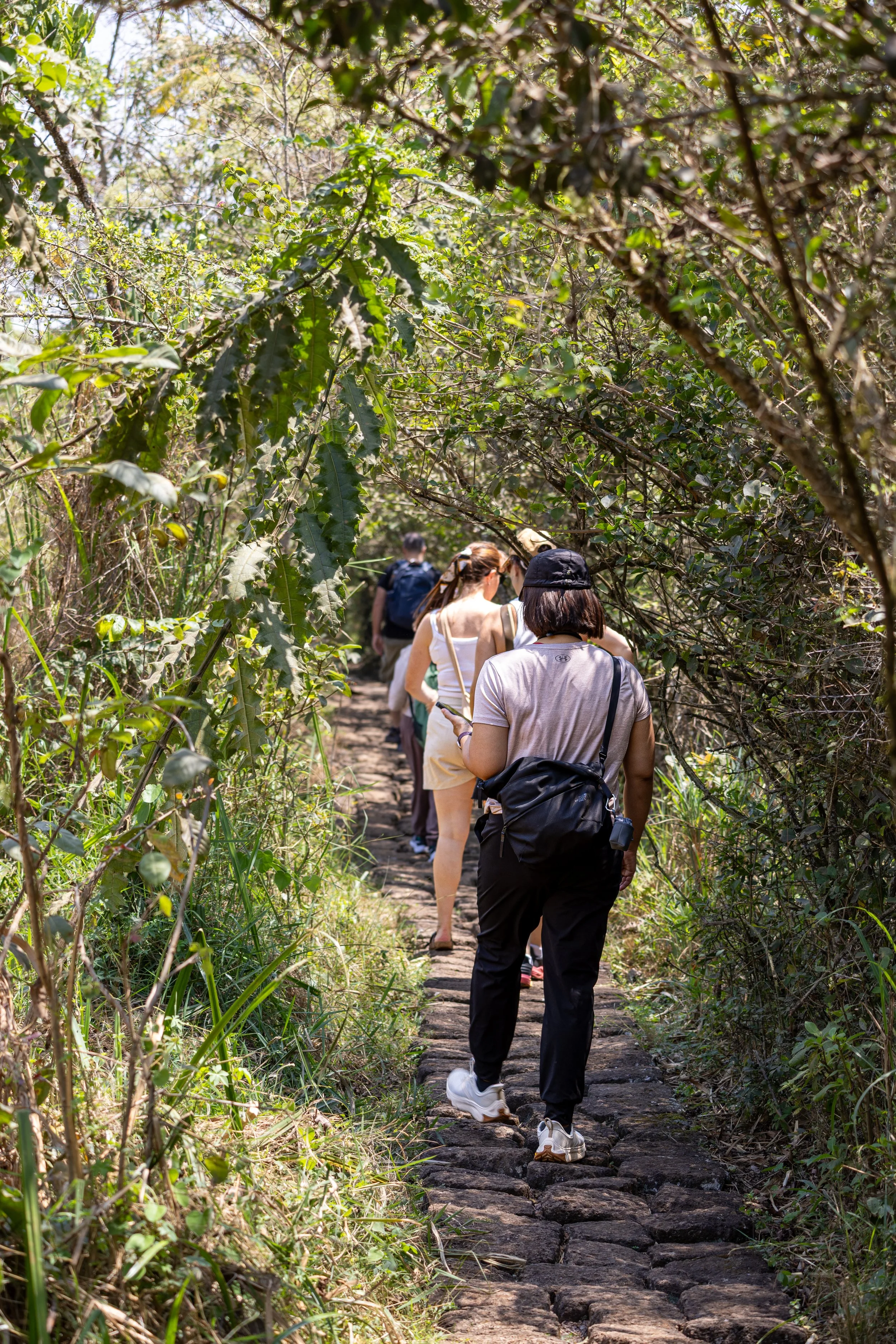
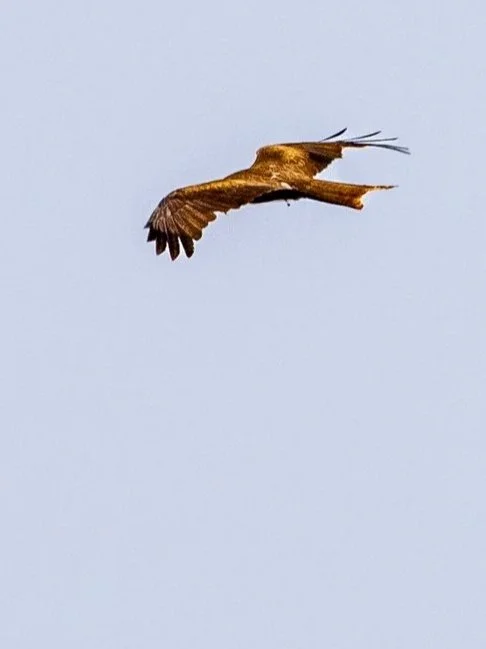
After finding our way back to the entrance, I had a gut feeling that the cranes near the very first platform area we had visited would have moved around and might be much closer to the viewing area, and I quickly power walked over to that platform. And I was glad to see I was right, and that the cranes were now perfectly positioned for some great photos. (I messaged the others on WhatsApp and was glad when Nuria quickly showed up, which makes sense in hindsight since I learned during the trip that she’s also really into photography.)
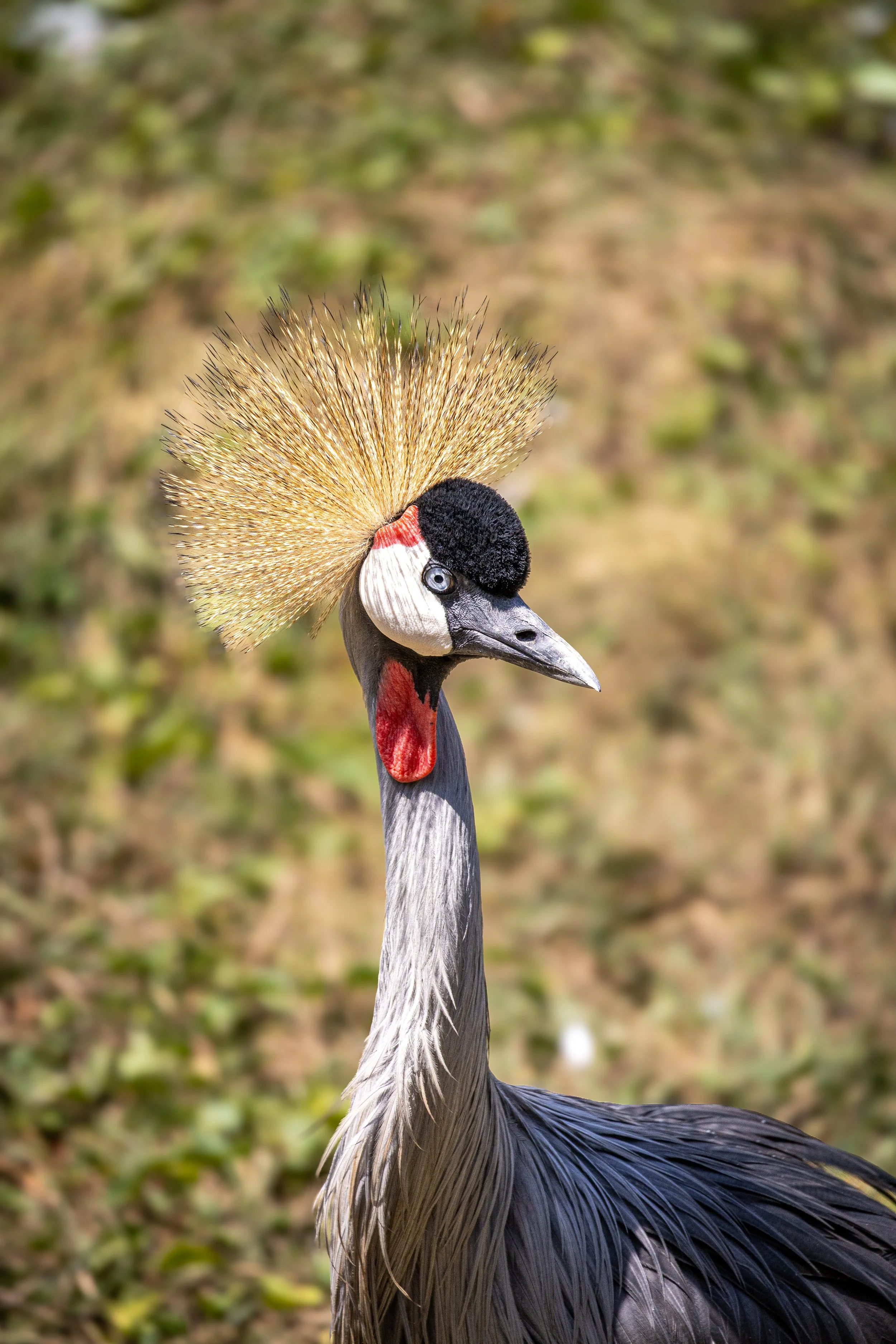
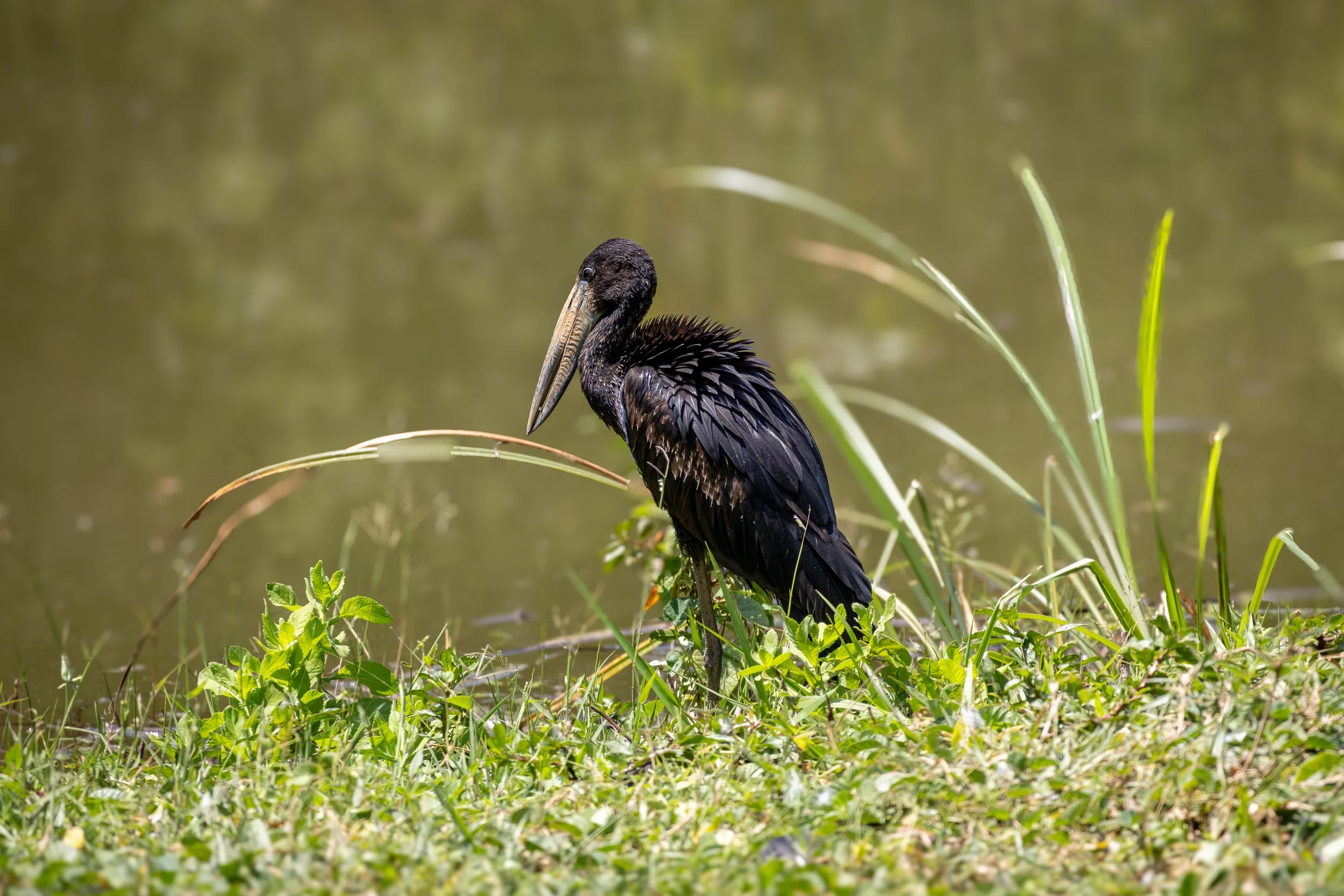
I’m really glad we came here — it’s a peaceful, beautiful place that’s doing such good for this gorgeous endangered species.
But we had spent a lot of time and needed to hit the road to make it to our other destination for the day, the Kigali Genocide Memorial. So we came out and hopped back in the car with Alfred and started to drive back to the city center.
On the way, we got to experience the mess that can be Kigali traffic. The main form of public transportation here is the moto, which are motorcycle taxis where people just hop on the back to get where they’re going. This means a whole lot of motos weaving in and out of the car traffic, and I will just say I’m glad I wasn’t the one driving.
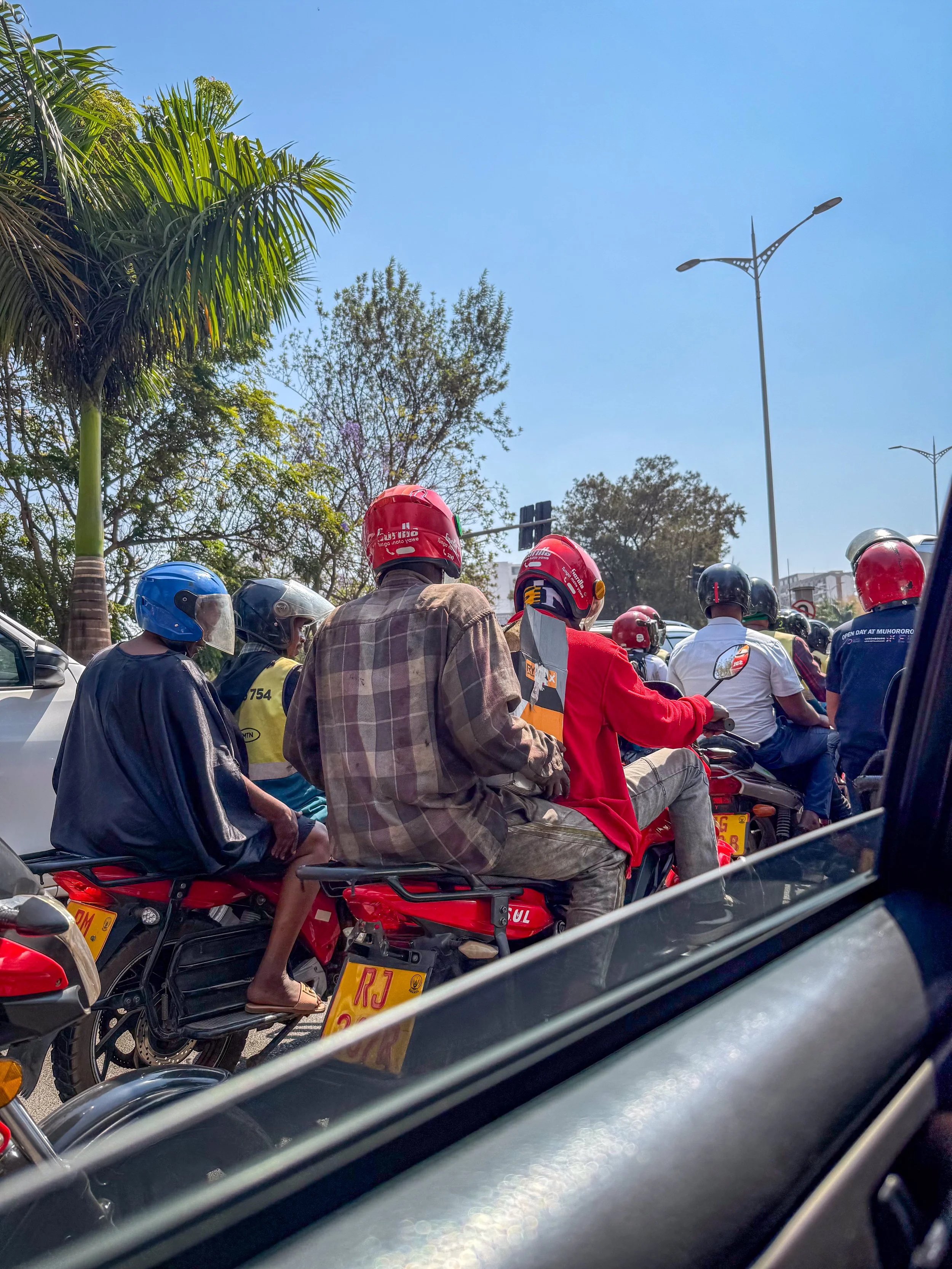
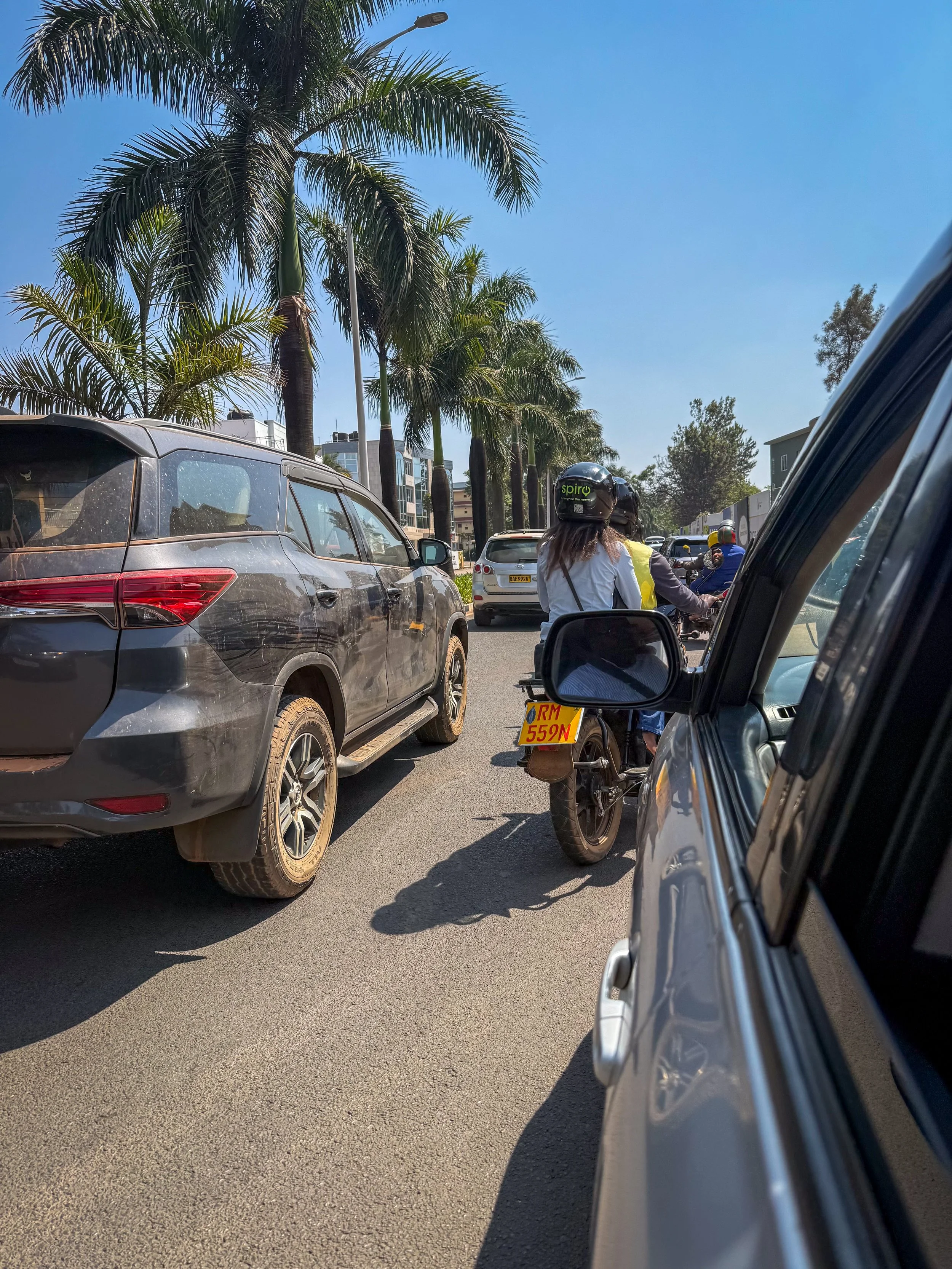
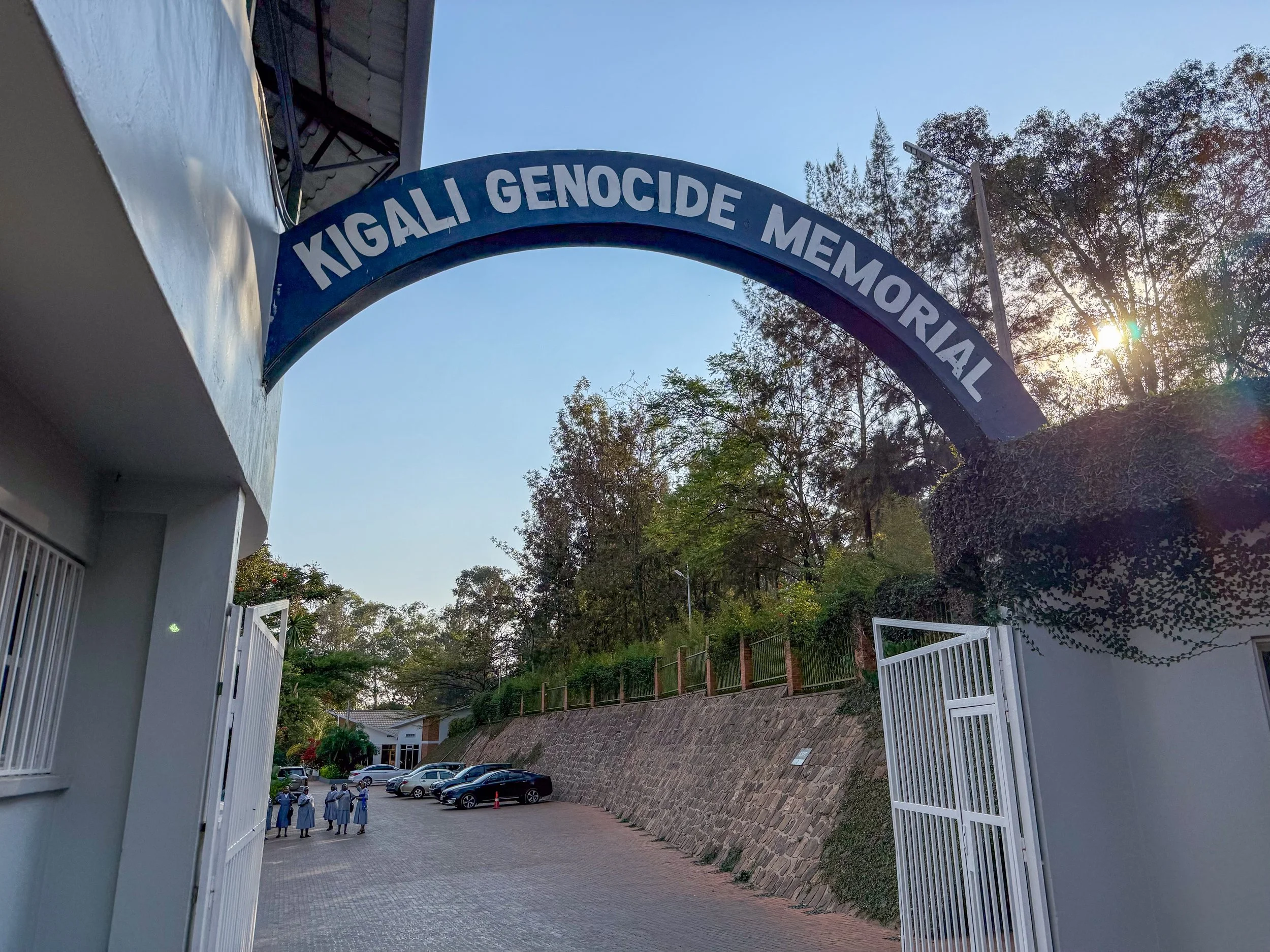
And eventually we made it to the Memorial.
This horrific period in Rwanda’s history happened in 1994 (though of course there was tension building for years), and resulted in 800,000 Rwandans being violently killed in about 100 days.
But before seeing the museum, we decided to take a minute to first grab a bite to eat at the cafe.
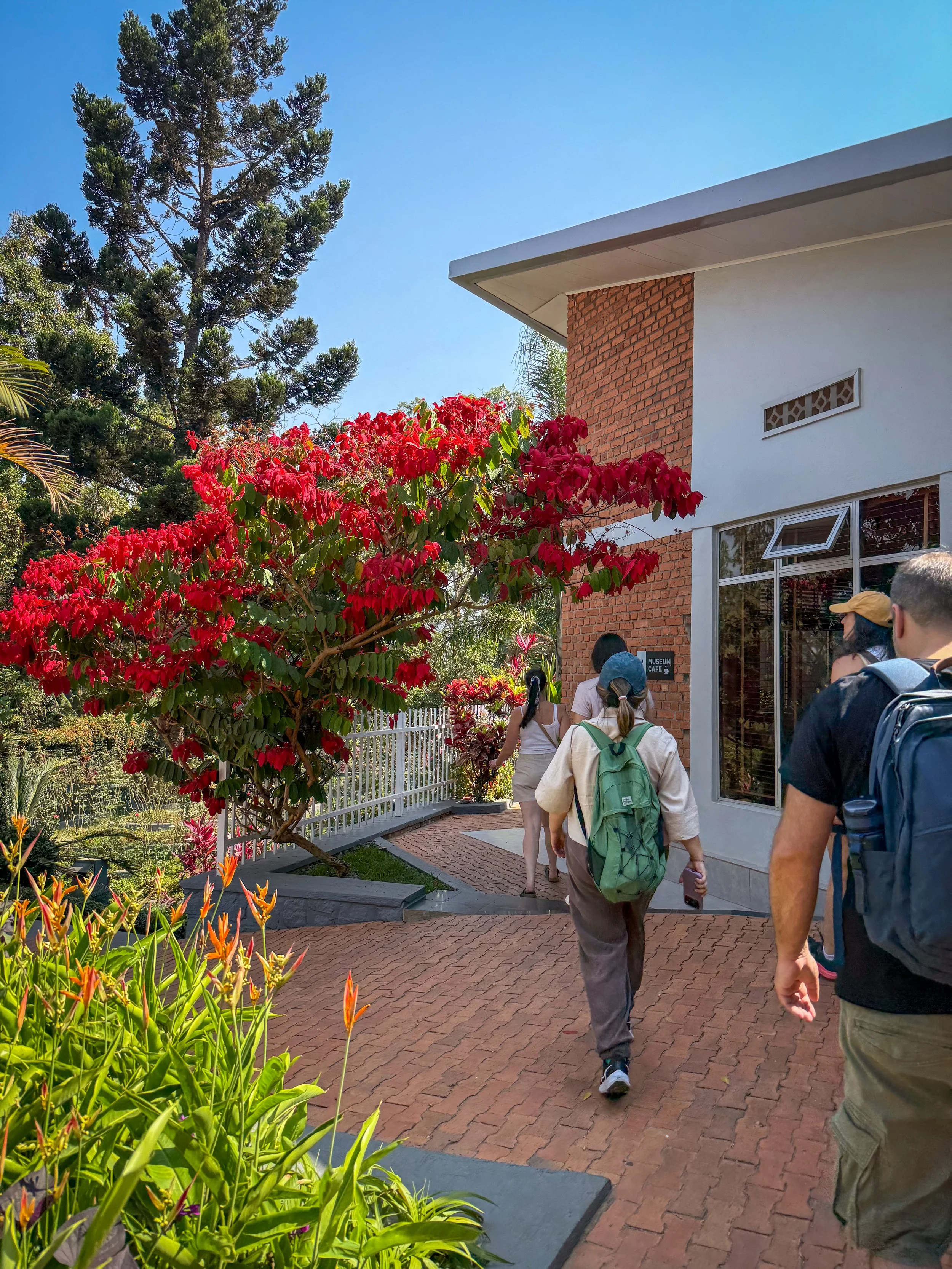
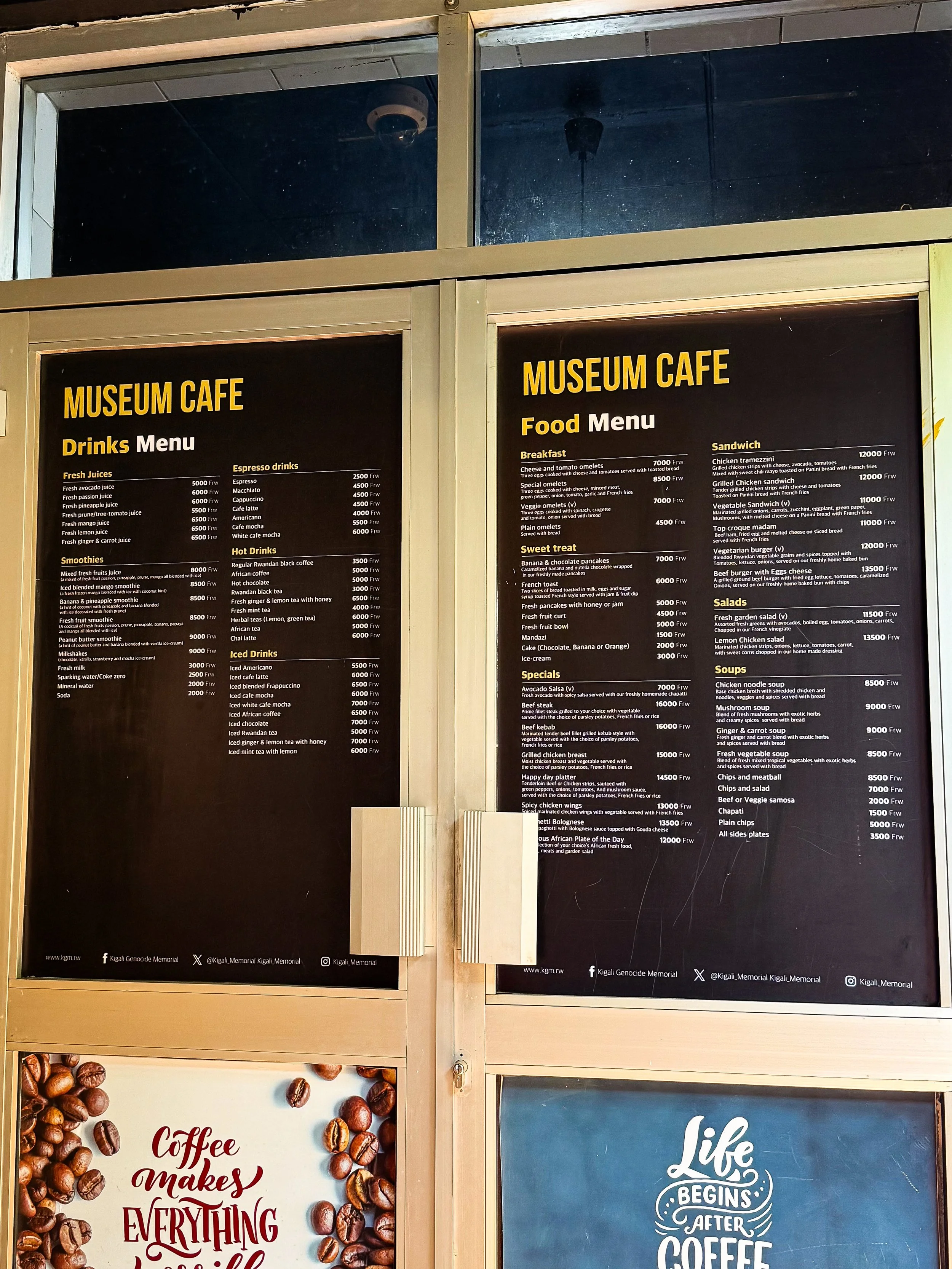
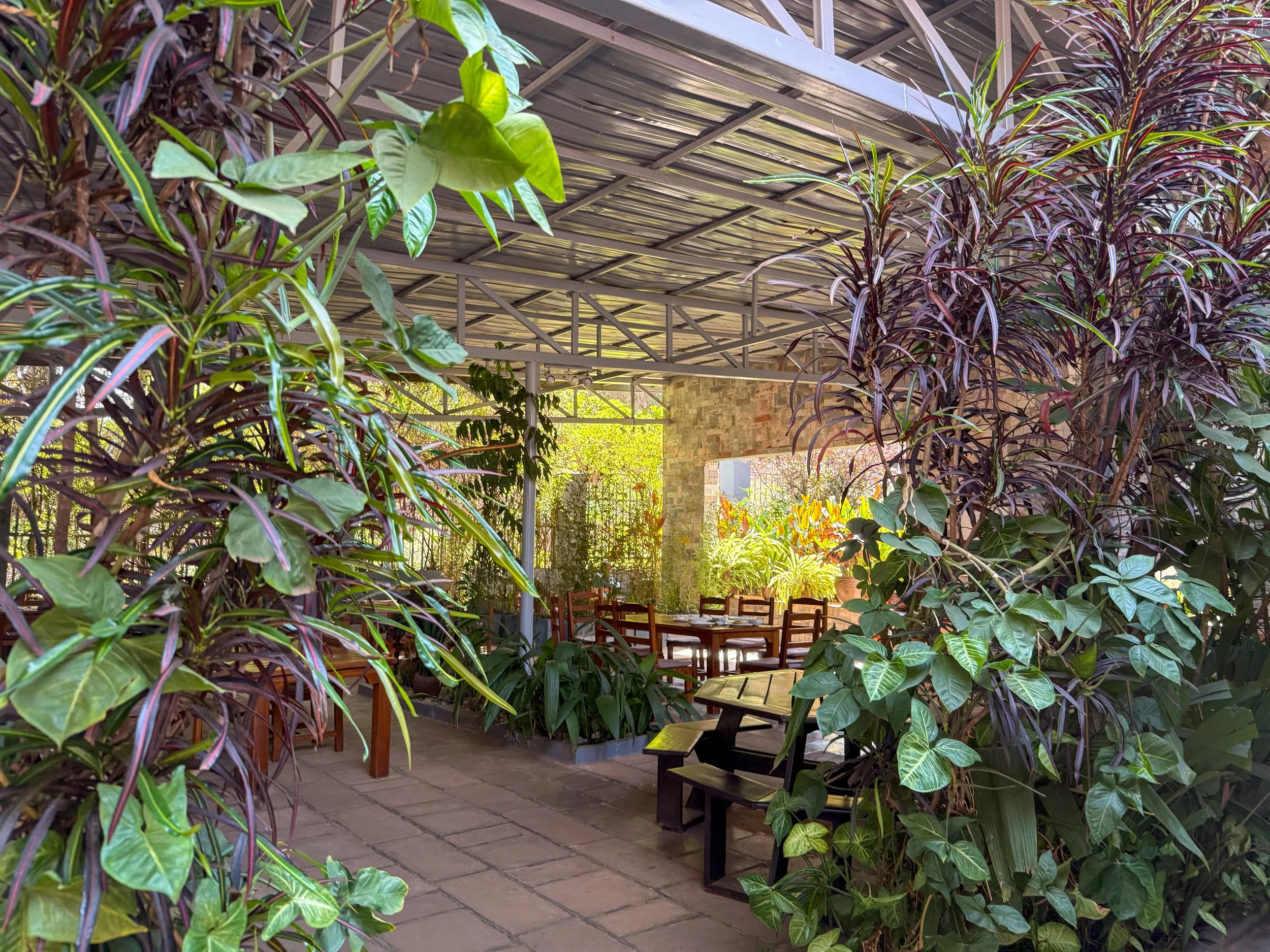
It turned out to take a little longer than we had wanted, but the food was tasty and it was nice to get to know each other over a meal. (I had chicken noodle soup that was really nice but unexpectedly spicy! I might have misinterpreted “spices” in the description haha.)
After finishing the meal, we hurried over to the entrance to make sure we had enough time to really walk through the exhibits.
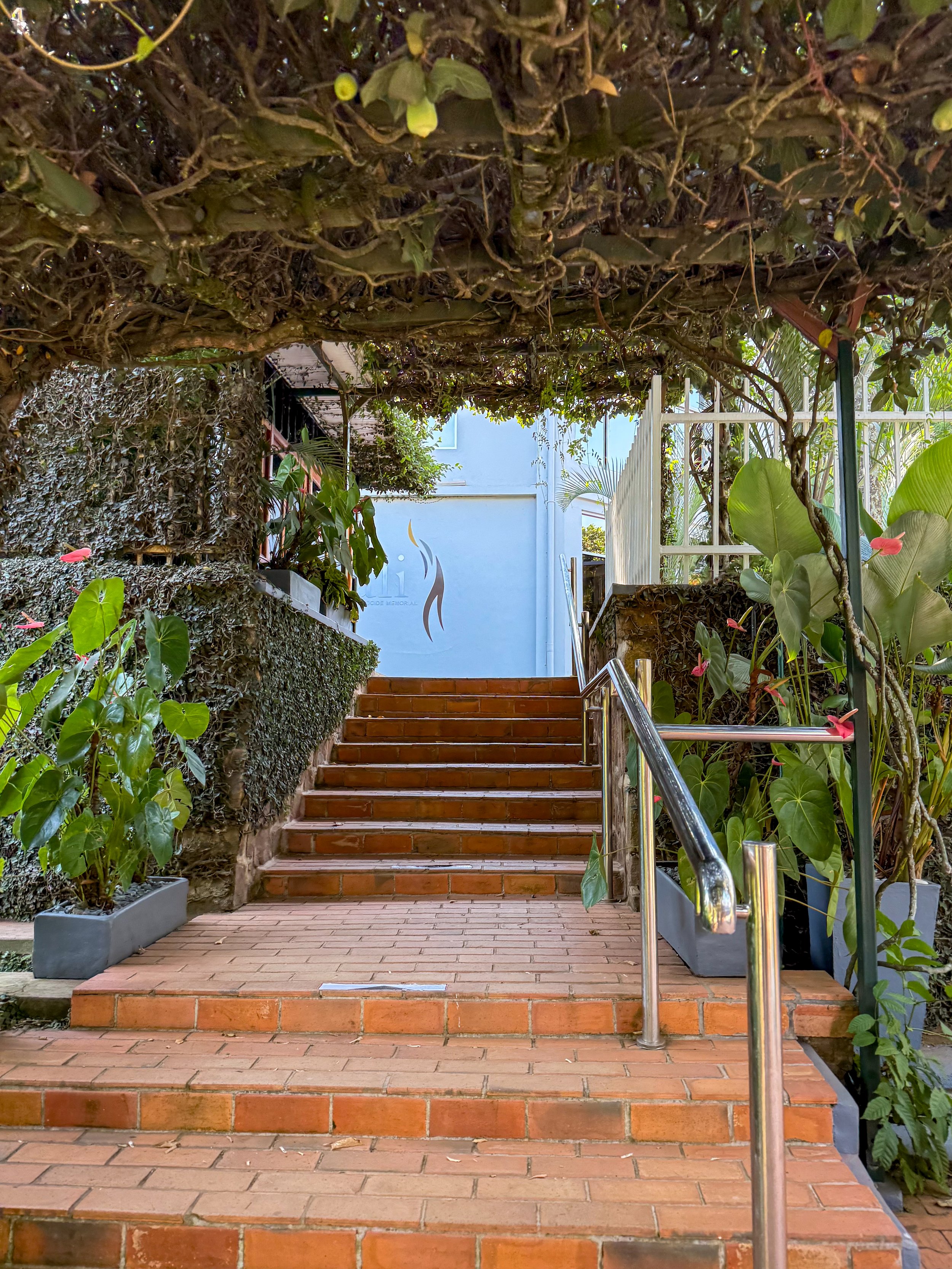
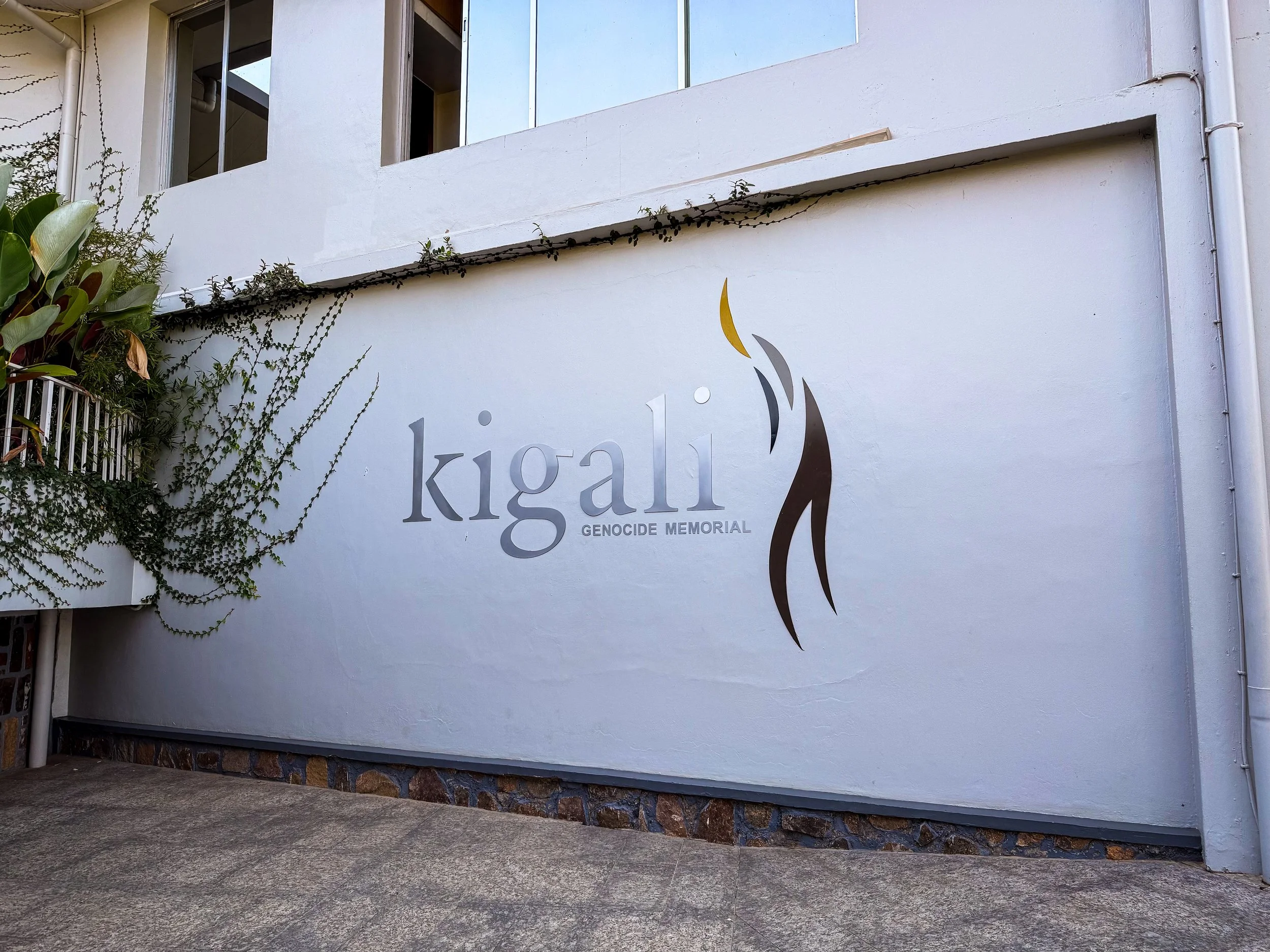
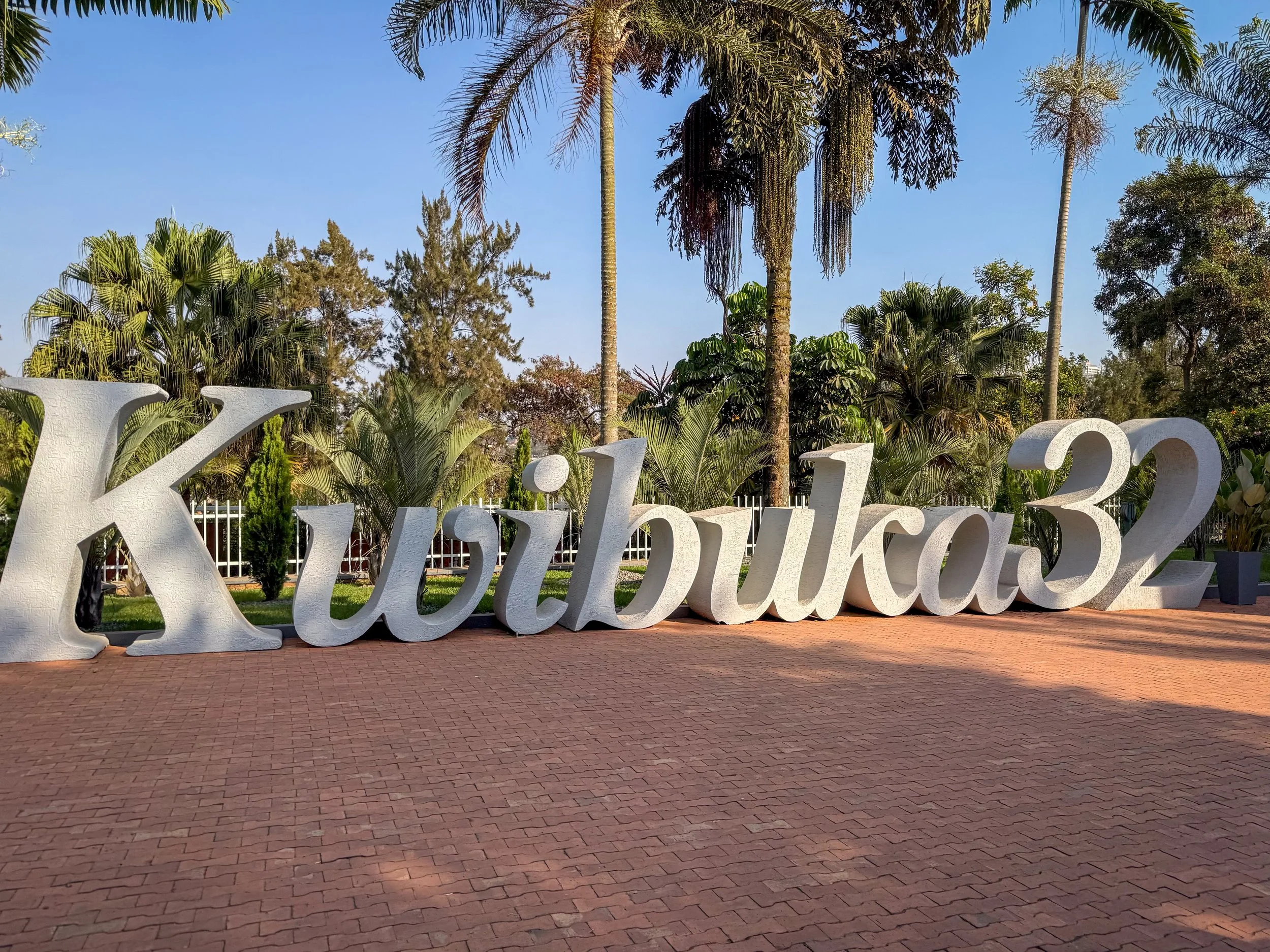
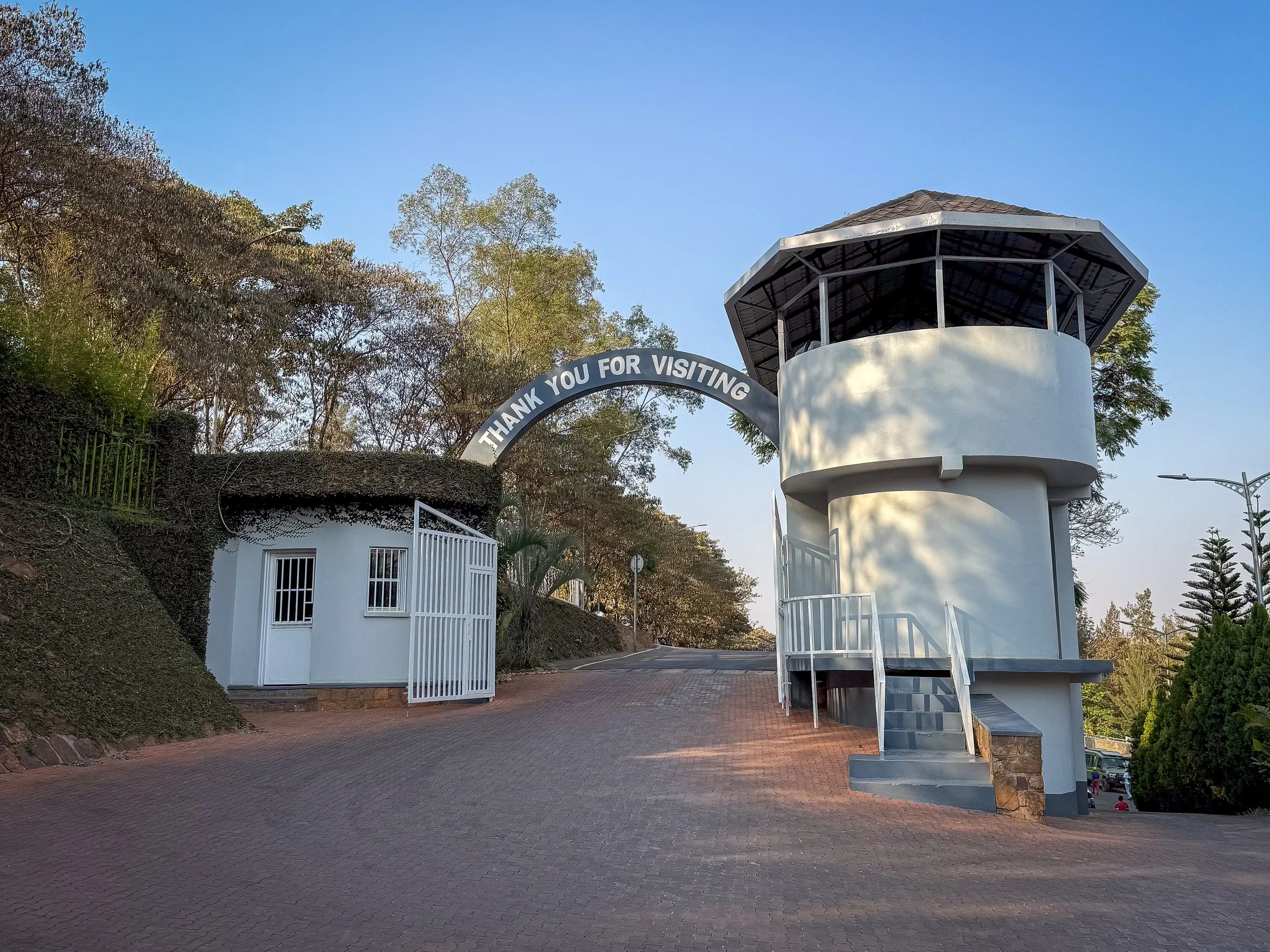
You’re not allowed to take any photos in the memorial, so these are all pulled from the museum’s official social media for the sake of sharing what it looks like.
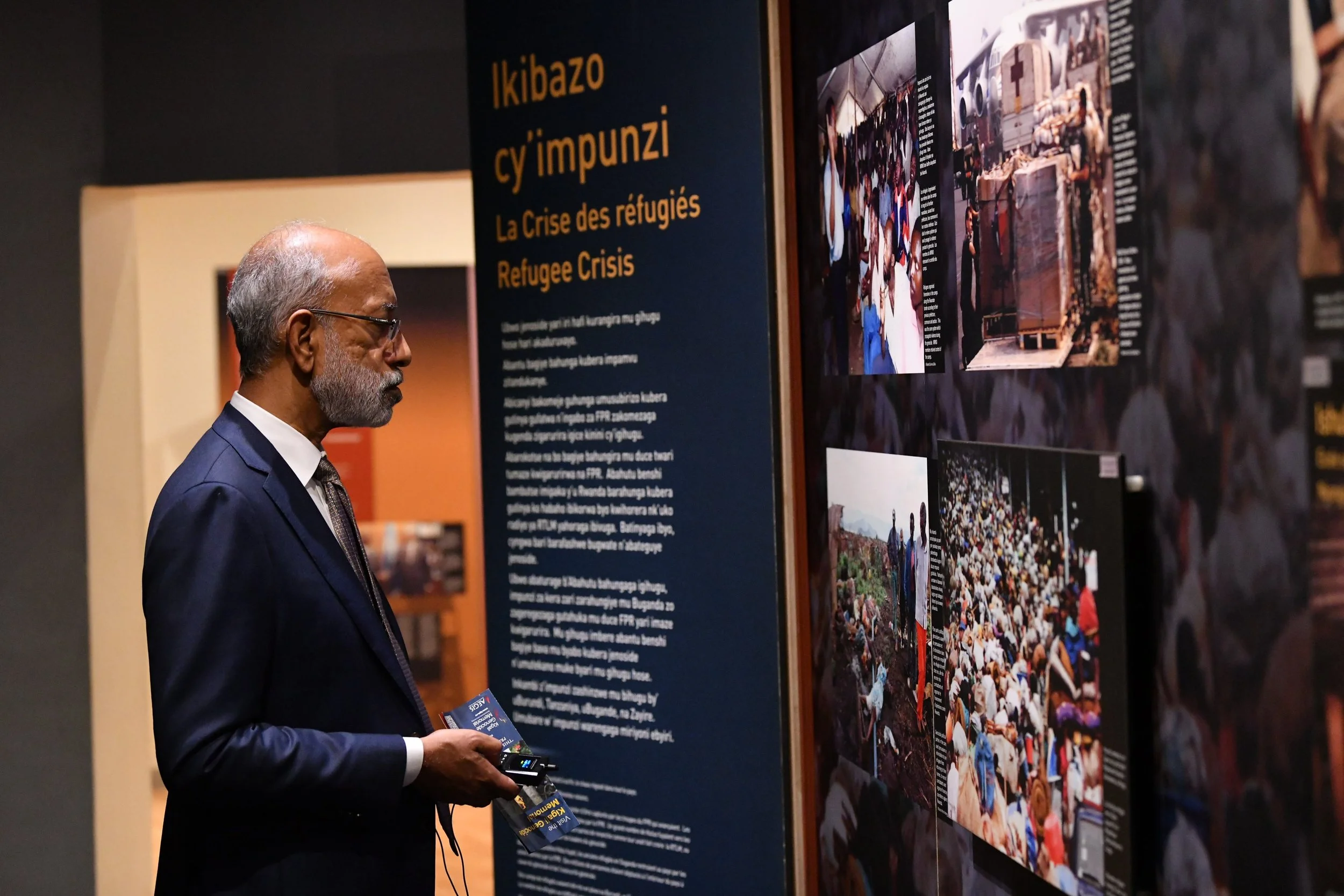
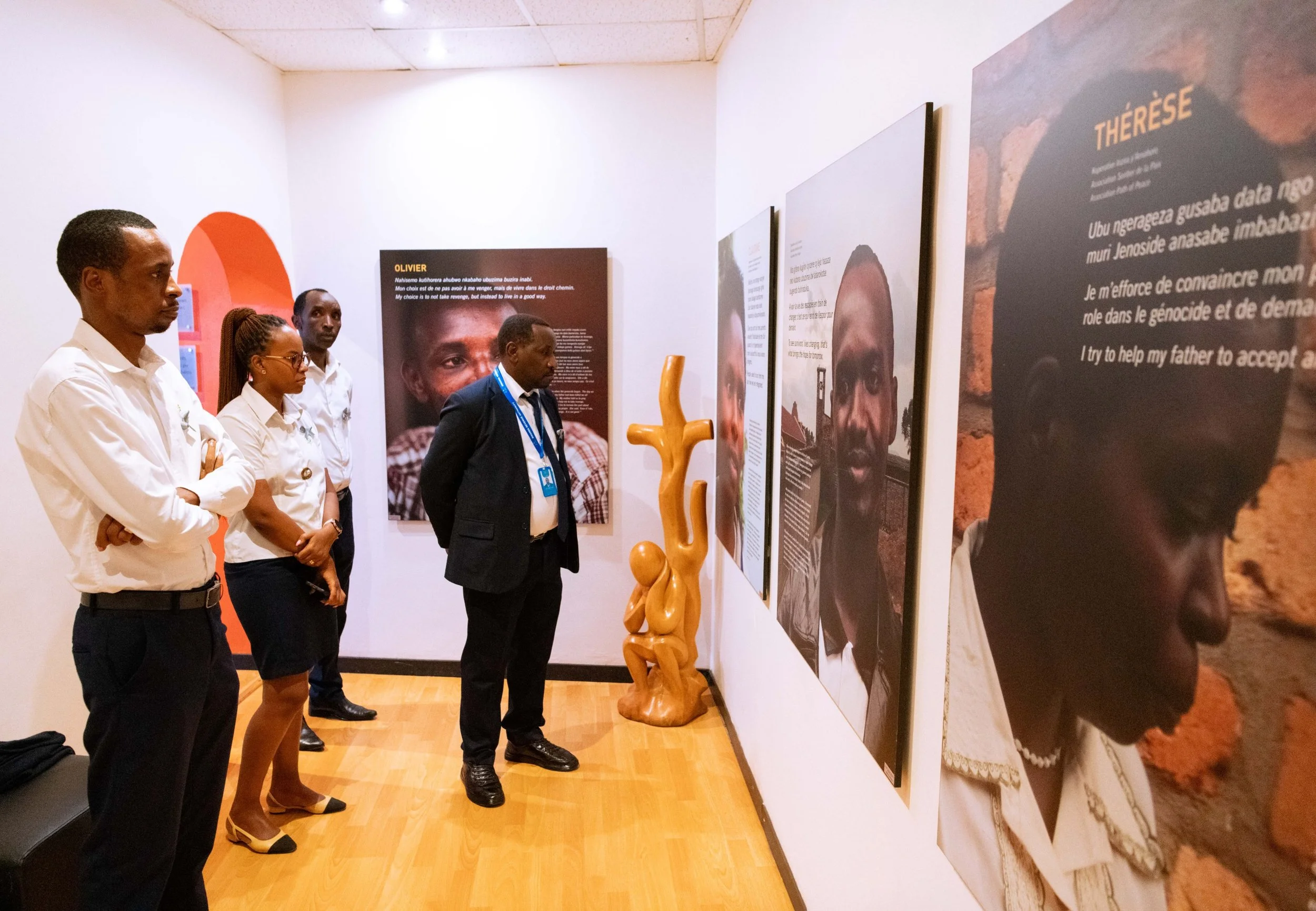
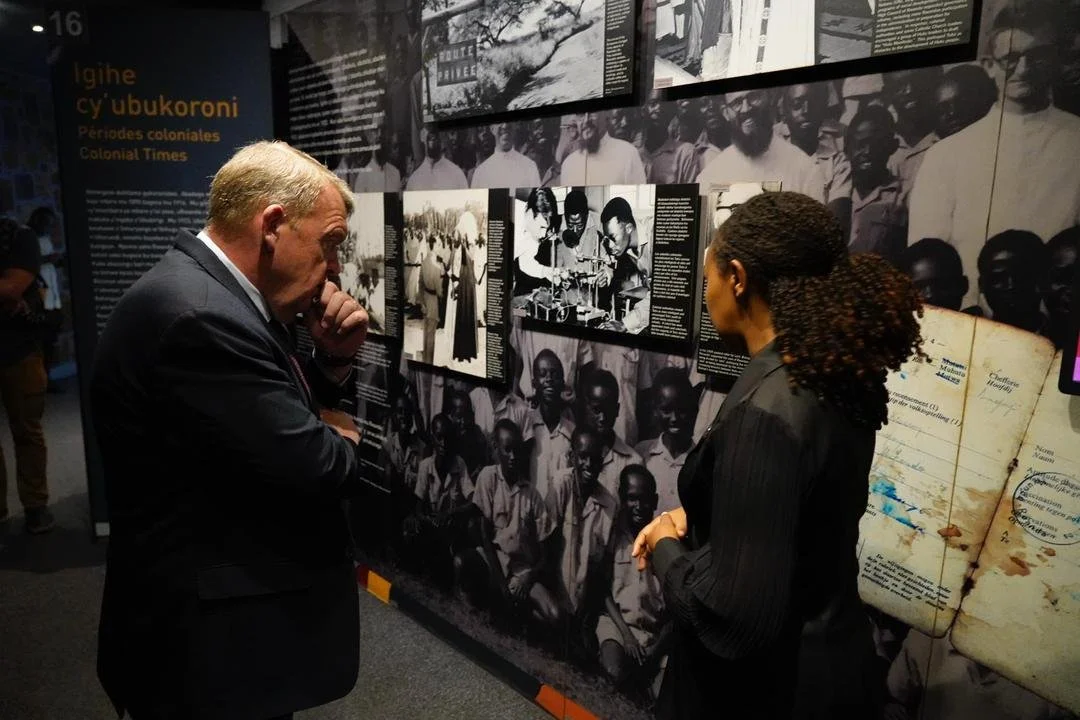
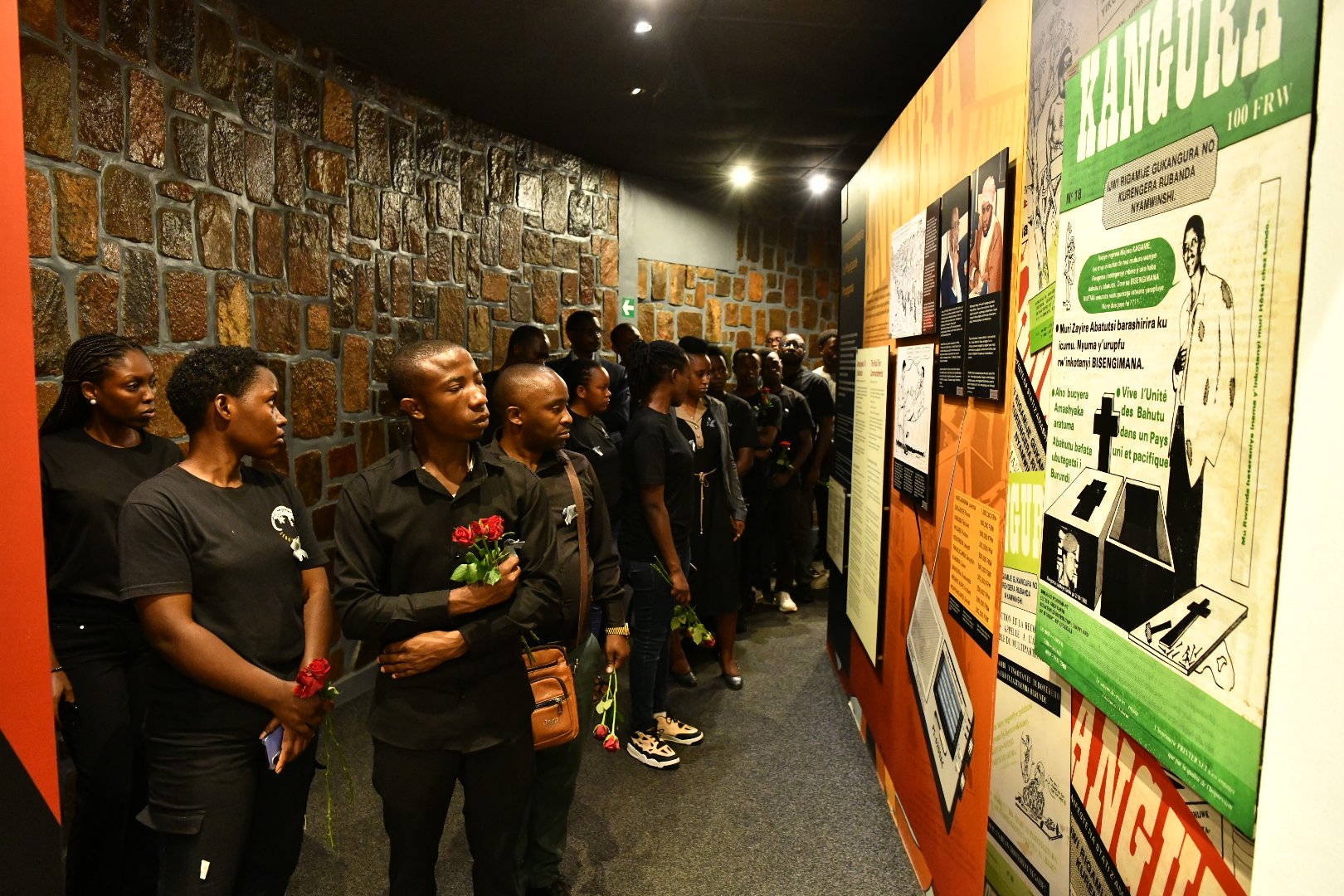
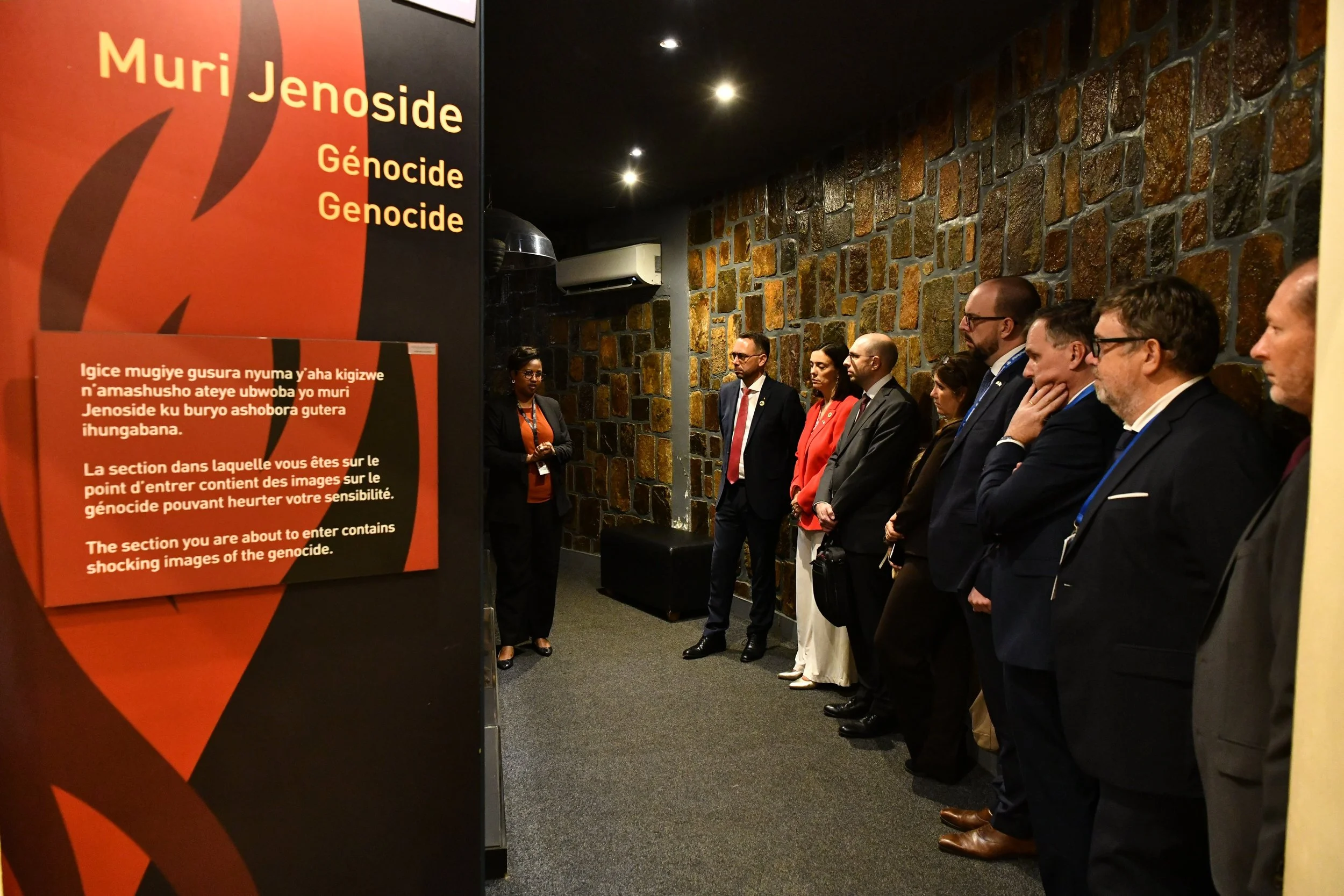
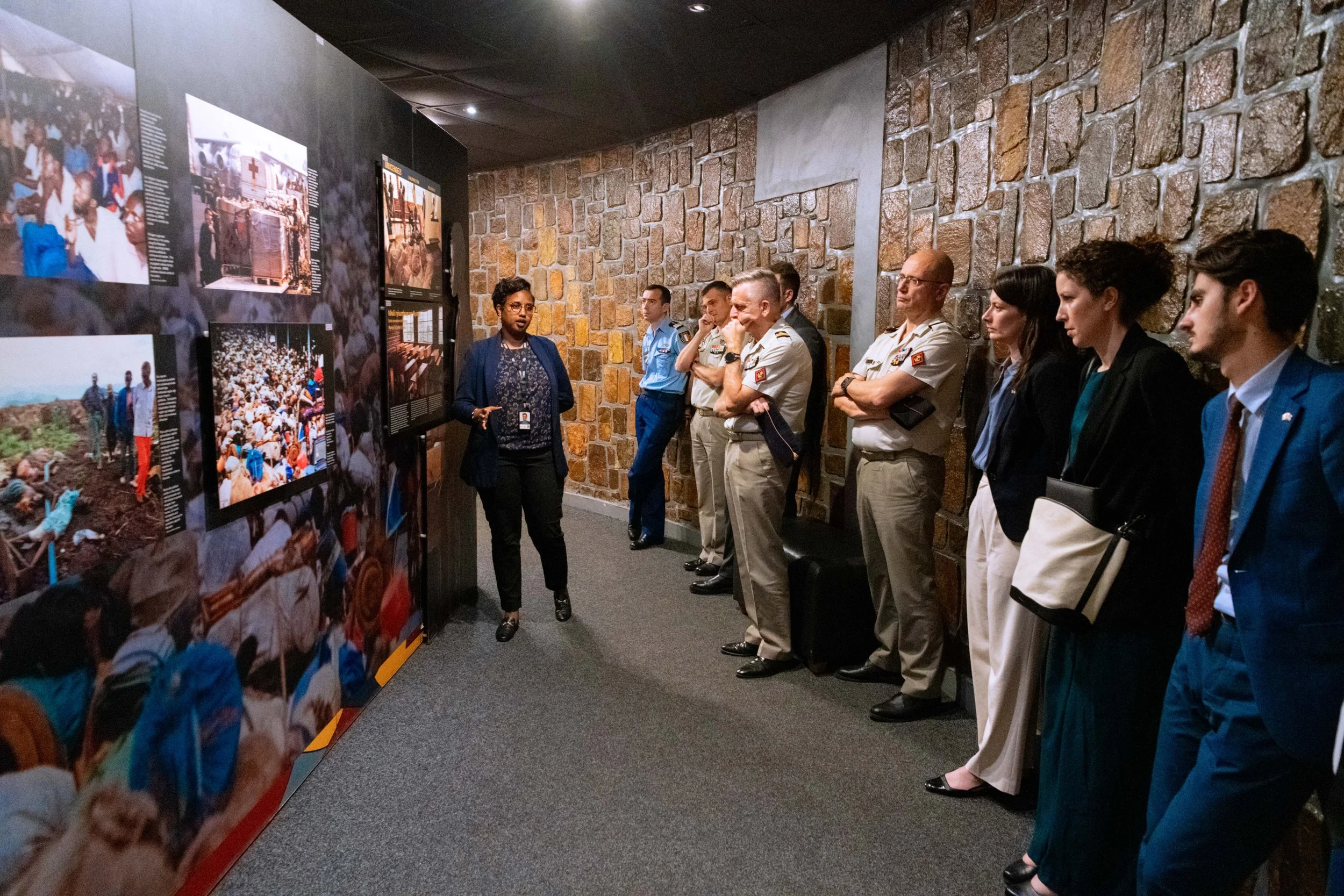
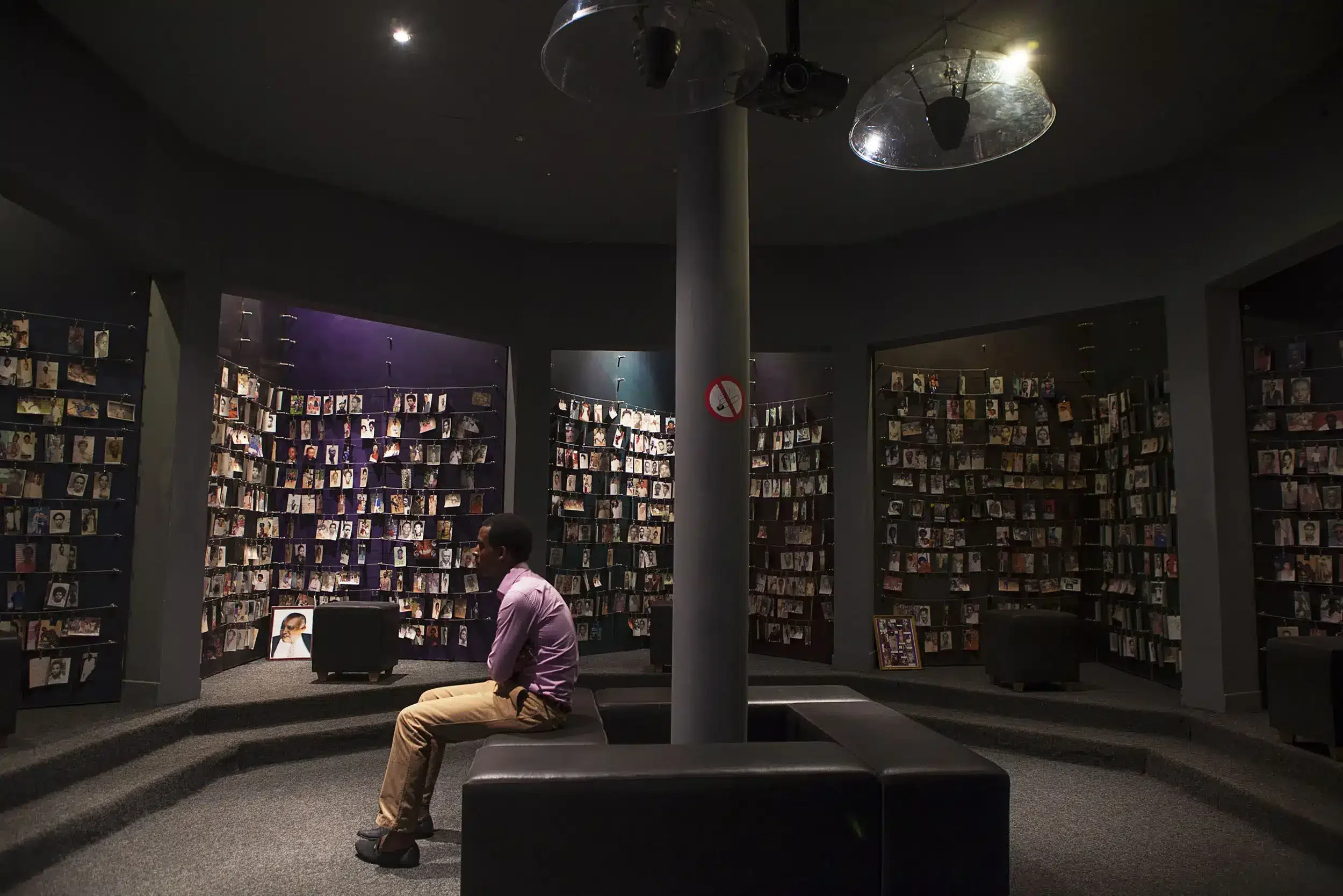
Easily the toughest room (to me) is a round space that’s filled with photographs of the people who were killed. When you approach the doorway to walk in, you see a wall of photos, but when you enter the room you jarringly see that that was only a fraction of the photos on display. (This below photo from the Memorial website also is only one section of the room.) It’s a sobering reminder of just how many people lost their lives in such a short period of time.
Conclusion,…
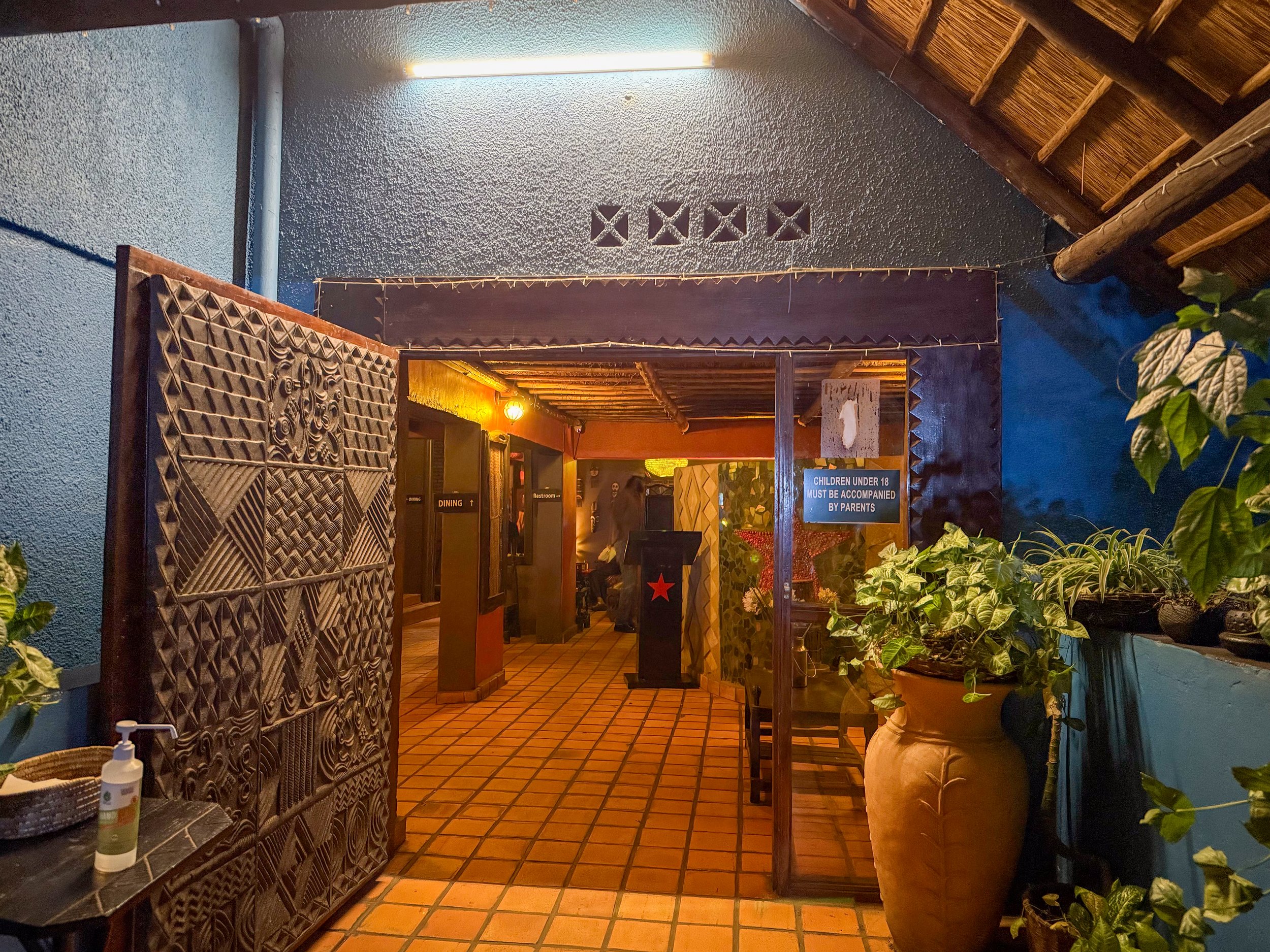
Then it was time to hop on our minibus and head to dinner at Repub Lounge, a popular Kigali restaurant. We walked in to a beautiful setting, with a big square table for us outside on the open-air patio. We sat down and enjoyed a delicious family style meal of all sorts of foods, from unexpected-in-East-Africa choices like bruschetta (which was particularly tasty bruschetta), to local favorites like [izikaya?], little fried sardines.
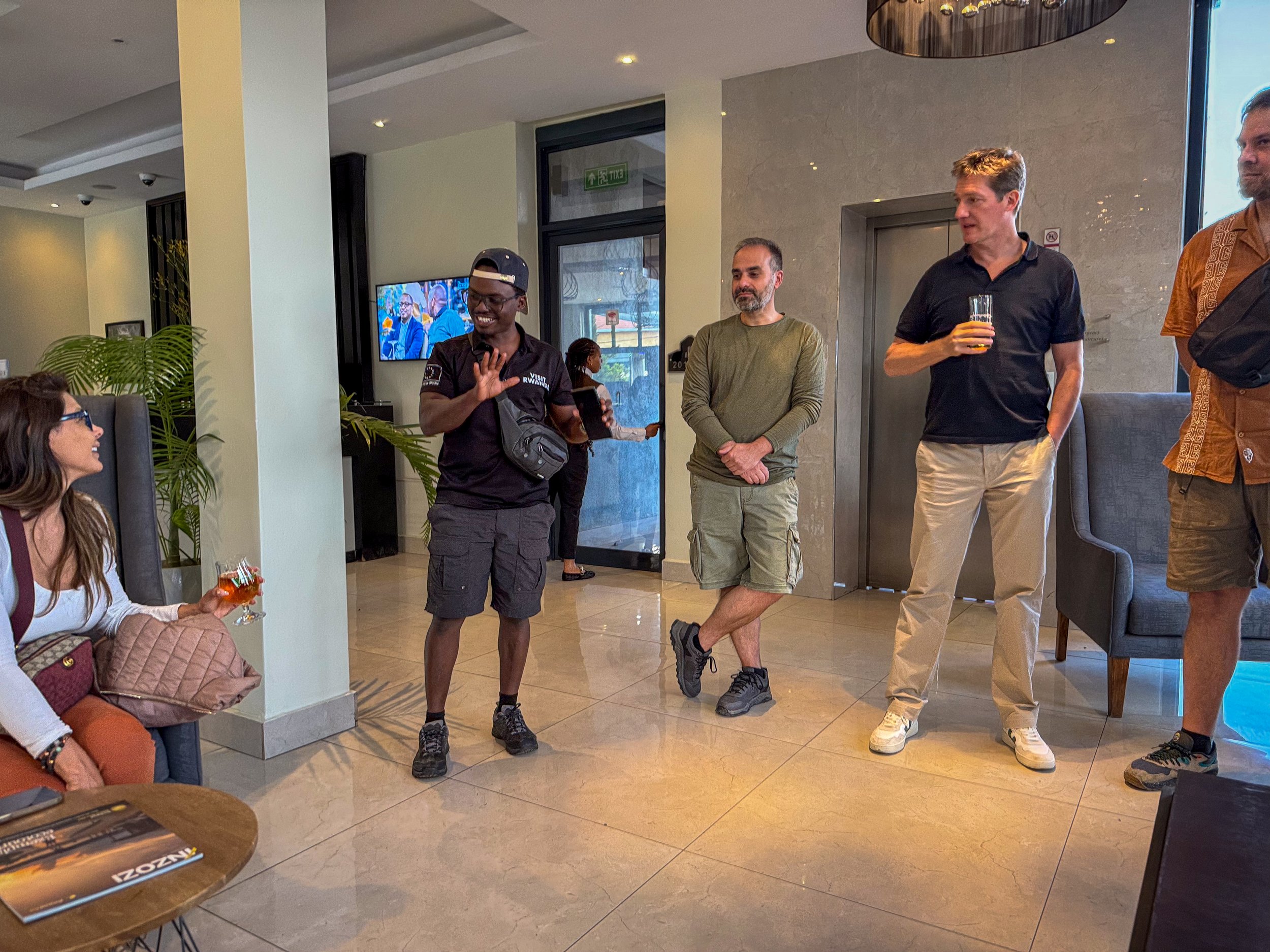
After driving back to the hotel with Alfred, and some time to shower and get ready for the Flask Pack welcome dinner, we met the rest of the group and our guide Renson in the lobby. He was so welcoming and charming, and I think we all immediately knew we were in for a great trip! I never love to take a bunch of photos in this meeting since I have just met these people, but snuck this one during Renson’s welcome.
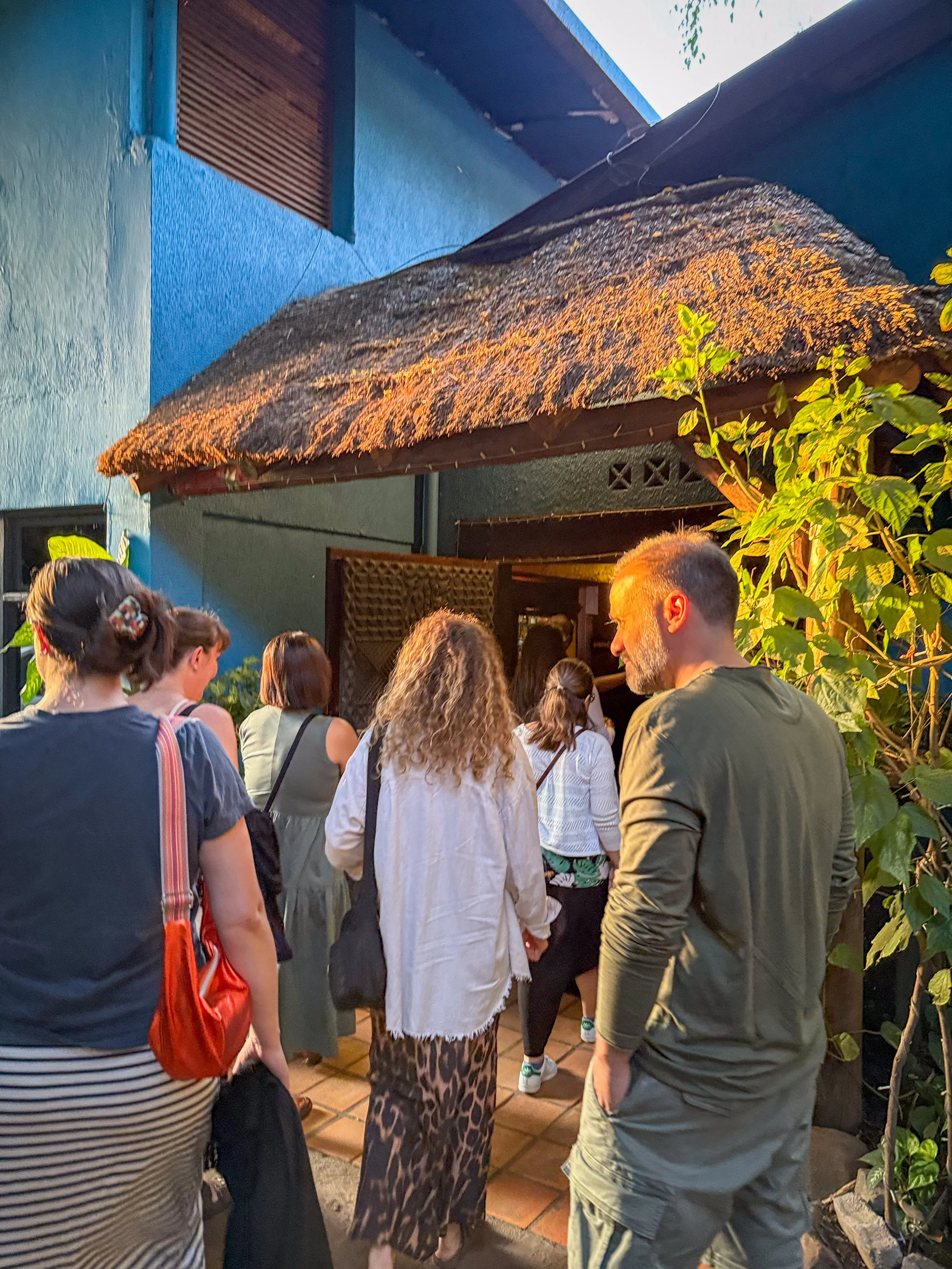
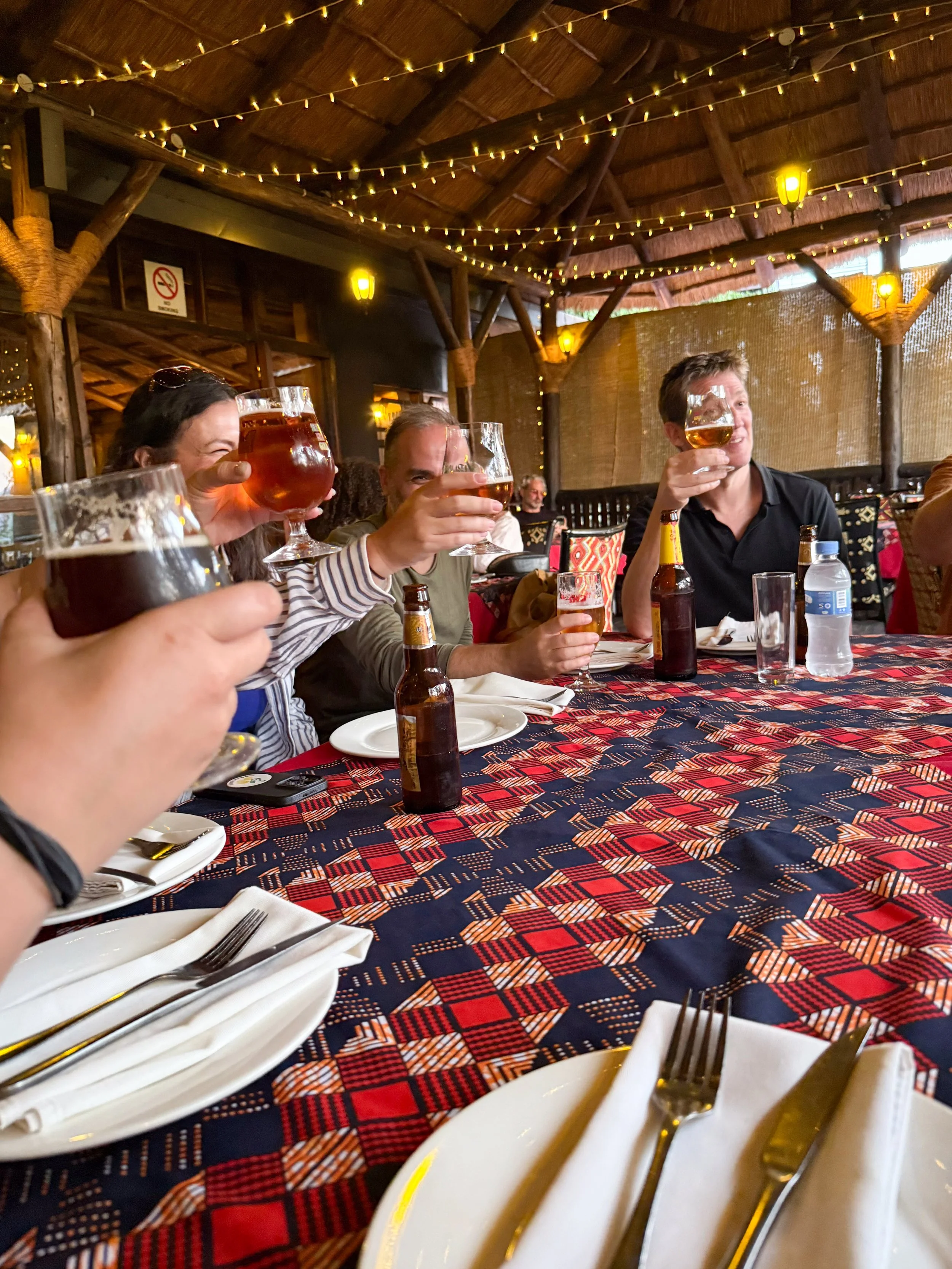
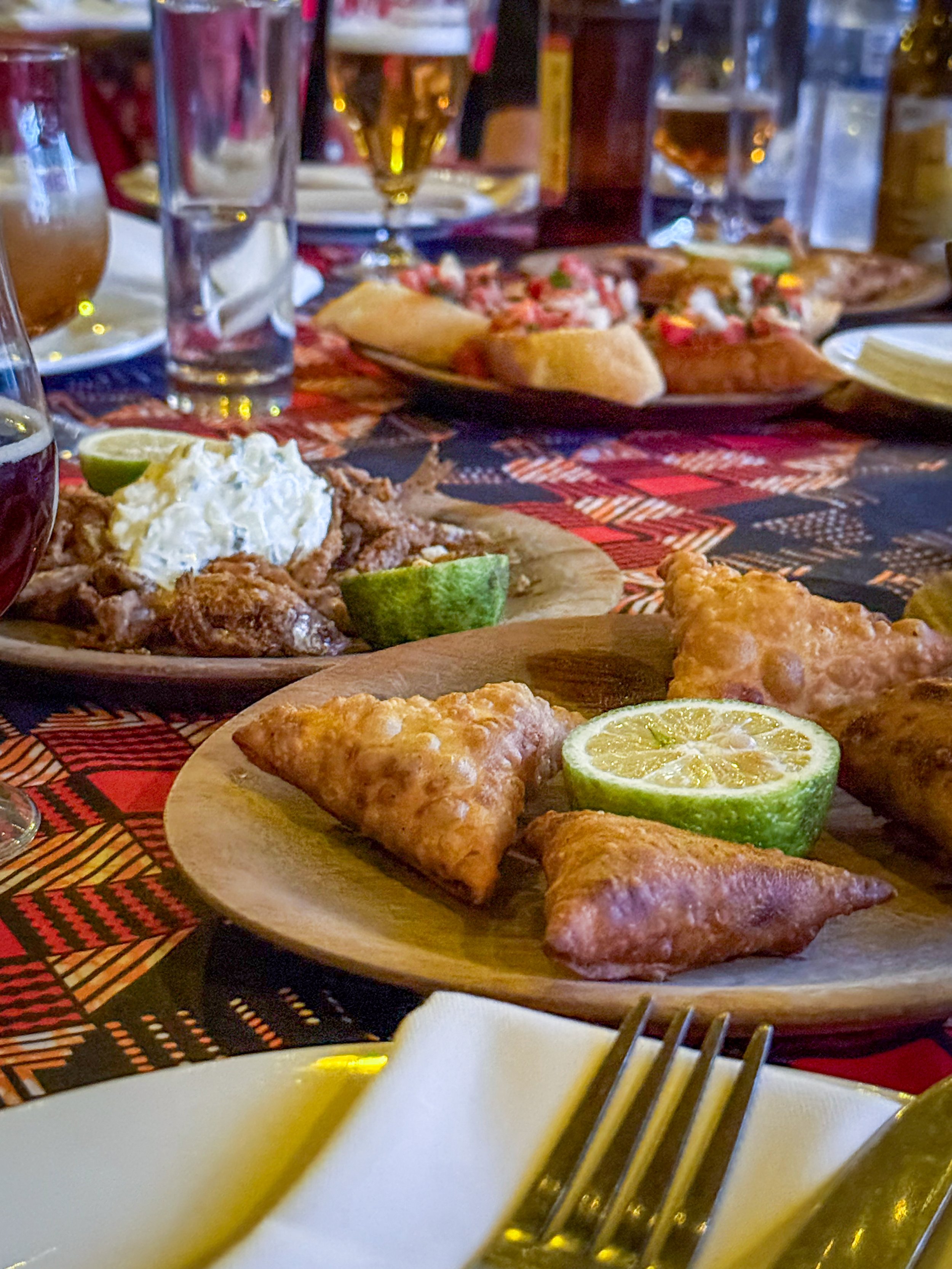
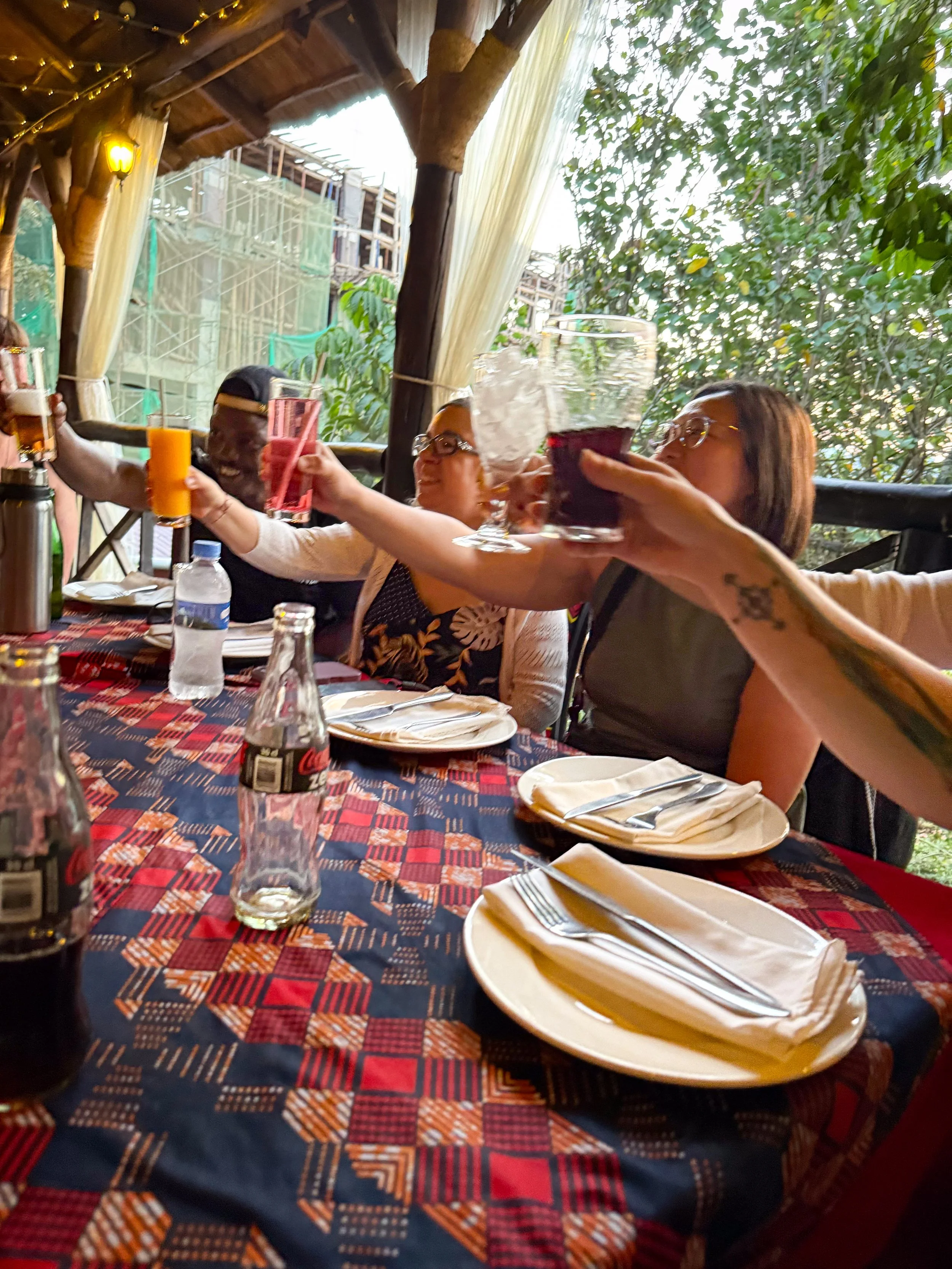
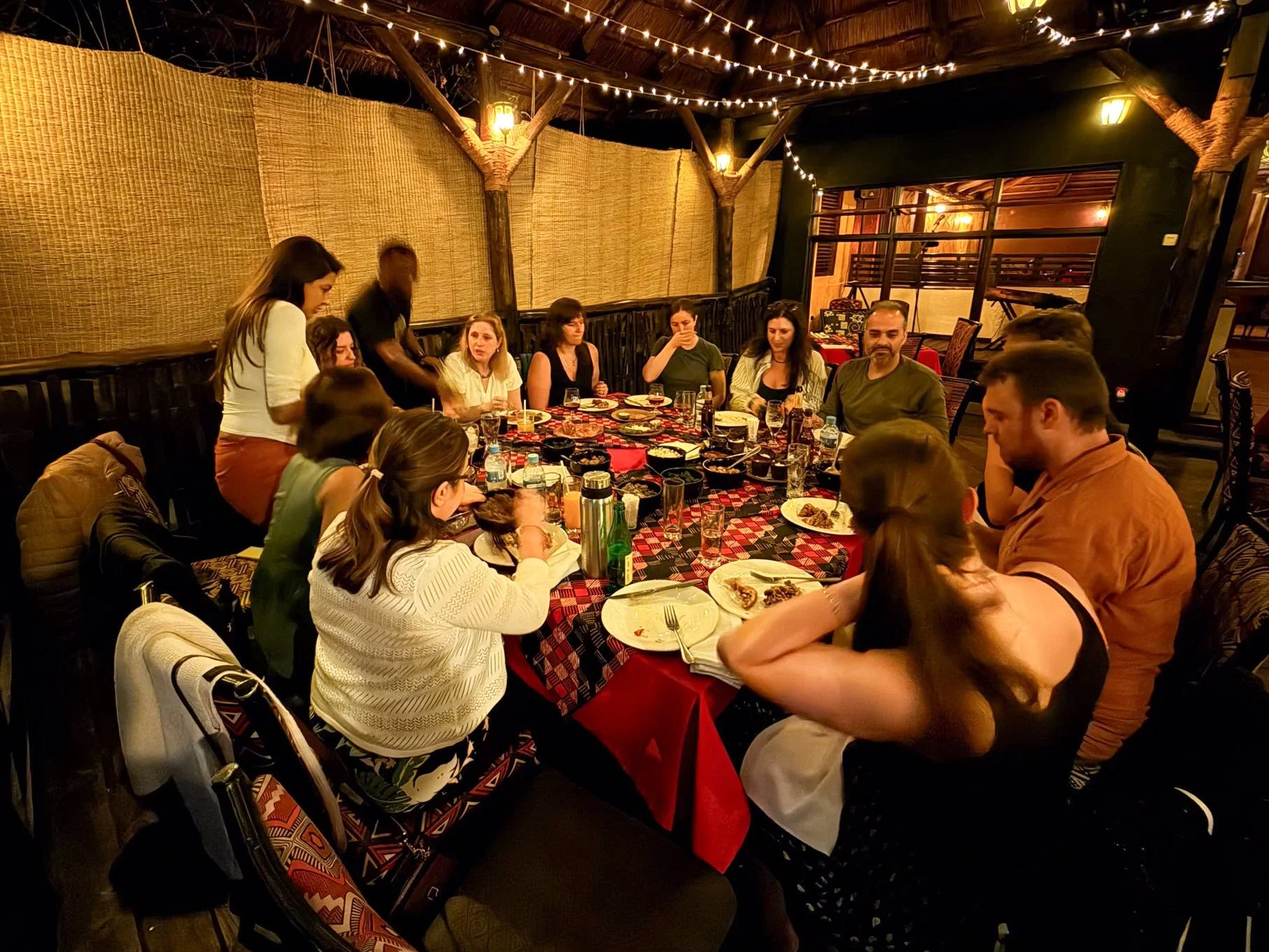
Photo by Renson